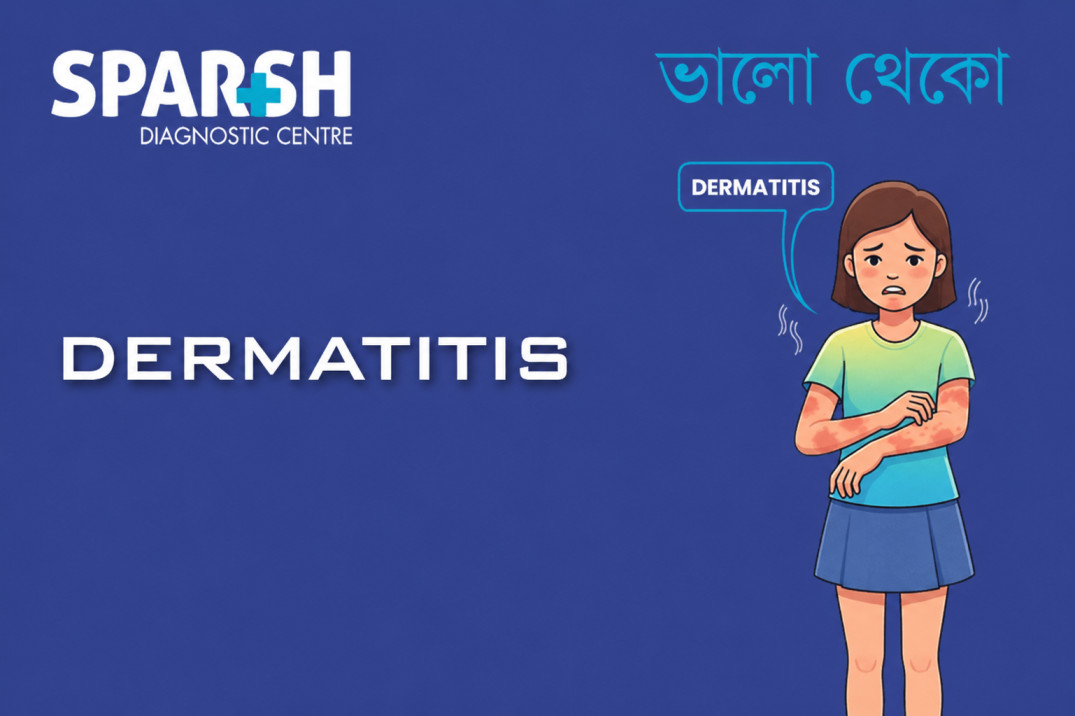
Itchy, dry, red or irritated skin can be frustrating, especially when you don’t know what’s causing it. One common explanation is dermatitis, a broad term used for inflammation of the skin.
Dermatitis isn’t one single disease. It describes a group of skin conditions that can cause itching, redness, dryness, scaling, swelling, blisters or irritation. Some forms are linked to genetics and an overactive immune response, while others happen because the skin comes into contact with an irritating substance or allergen.
The good news is that dermatitis is usually manageable. The right treatment depends heavily on identifying which type of dermatitis you have and what is triggering it.
But is dermatitis a fungal infection? Can it disappear on its own? And is dermatitis something you need to worry about?
Let’s break it down.
What Is Dermatitis?
Dermatitis means inflammation of the skin. The word comes from “derm,” meaning skin, and “itis,” meaning inflammation.
It can affect people of all ages, from babies to older adults. Depending on the type, dermatitis may occur on the face, scalp, hands, arms, legs, feet, neck or other parts of the body.
Common symptoms include:
- Itchy skin
- Red or discoloured patches
- Dry, cracked skin
- Scaling or flaking
- Swelling
- Burning or stinging
- Small bumps
- Fluid-filled blisters
- Thickened skin
- Crusting or oozing
- Skin that becomes painful after repeated scratching
Not everyone experiences the same symptoms. The appearance and location of a rash can also provide clues about the type of dermatitis involved.
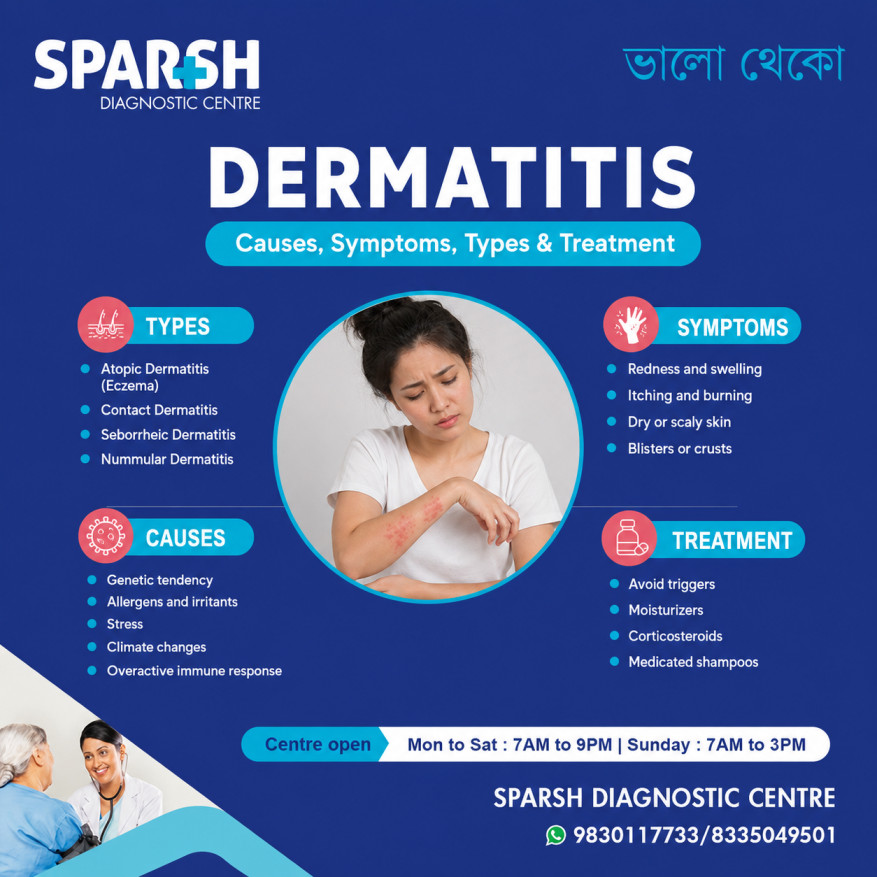
What Are the Main Types of Dermatitis?
There are several types of dermatitis, and understanding the differences is important because treatment isn’t the same for every type.
Atopic dermatitis
Atopic dermatitis, commonly called eczema, is associated with a weakened skin barrier and changes in immune-system activity. It often begins during childhood but can develop at any age.
The skin tends to become dry, itchy and inflamed, with symptoms often coming and going in periods known as flares and remission. Genetics, environmental factors and substances that come into contact with the skin can all play a role.
Contact dermatitis
Contact dermatitis develops when something that touches your skin either irritates it or triggers an allergic reaction.
There are two main forms:
Irritant contact dermatitis: This happens when a substance damages or irritates the skin. Soaps, detergents, disinfectants, chemicals and repeated exposure to water can be examples.
Allergic contact dermatitis: This occurs when your immune system reacts to a substance you’re allergic to. Common allergens include fragrances, nickel, latex and certain plant substances.
Seborrheic dermatitis
Seborrheic dermatitis commonly affects areas rich in oil-producing glands, particularly the scalp and face. On the scalp, it is often associated with dandruff. It may cause flaky, itchy and inflamed skin.
Dyshidrotic dermatitis
This type causes small, intensely itchy blisters, particularly on the palms, fingers and soles of the feet.
Nummular dermatitis
Nummular dermatitis causes round or coin-shaped patches that can become dry, itchy and inflamed.
Stasis dermatitis
Stasis dermatitis generally affects the lower legs and is associated with problems involving blood circulation in the veins. Swelling, itching, scaling and skin changes may occur.
What Causes Dermatitis?
What are the main causes of dermatitis?
There isn’t one universal cause of dermatitis. What causes dermatitis depends on the specific type.
The major factors include genetics, immune-system activity, environmental exposure, allergies, irritants and problems with the skin barrier.
Here are some of the most common causes and triggers.
1. Genetics
Some people inherit a tendency to develop inflammatory skin conditions. A family history of atopic dermatitis, asthma or hay fever may increase the likelihood of developing atopic dermatitis.
Certain genetic changes can also affect proteins involved in maintaining the skin barrier. When that barrier doesn’t function properly, the skin can lose moisture more easily and become more vulnerable to irritation.
2. Overactive immune response
In atopic dermatitis, the immune system can react excessively to substances that normally wouldn’t cause such a strong reaction.
This immune activity contributes to inflammation, itching and skin irritation.
3. Irritating chemicals
Everyday products can sometimes irritate the skin. These include:
- Soaps
- Detergents
- Cleaning products
- Disinfectants
- Solvents
- Certain cosmetics
- Hair products
- Hand sanitisers
- Industrial chemicals
Repeated exposure can gradually damage the skin’s protective barrier.
4. Allergies
Allergic contact dermatitis occurs when the immune system reacts to an allergen touching the skin.
Nickel in jewellery, fragrances in cosmetics and personal-care products, latex and certain plants are common examples. Importantly, the rash doesn’t always appear immediately after exposure. In some cases, symptoms can take hours or even days to develop.
5. Dry skin
When the skin becomes excessively dry, it can crack and become more vulnerable to irritation and inflammation. Cold or dry weather can make this problem worse.
6. Weather and temperature
Very hot or cold conditions can trigger symptoms in some people. Sweating and overheating may also aggravate certain types of dermatitis.
7. Stress
Stress doesn’t necessarily cause every case of dermatitis, but it can aggravate some existing skin conditions and contribute to flare-ups.
8. Repeated contact with water
It may seem surprising, but frequent exposure to water can contribute to irritant contact dermatitis, particularly when combined with repeated handwashing or exposure to soaps and cleaning products.
So, if you’re asking “what causes dermatitis?”, the answer is usually more complicated than a single trigger. The cause may be a combination of genetic susceptibility, immune activity and environmental exposure.
What Are the Symptoms of Dermatitis?
The symptoms depend on the type and severity of dermatitis.
The most common symptoms include:
- Itching
- Dryness
- Redness or changes in skin colour
- Scaling
- Flaking
- Rash
- Burning or stinging
- Swelling
- Small bumps
- Blisters
- Cracked skin
- Thickened skin
- Crusting
- Oozing or bleeding after scratching
Itching is often one of the earliest and most troublesome symptoms. With atopic dermatitis, for example, intense itching can lead to scratching, which further damages the skin and can create a cycle of itching and inflammation.
In darker skin tones, inflammation may not always look bright red. It can appear brown, purple, gray or darker than the surrounding skin, so judging severity based on redness alone can be misleading.
Is Dermatitis a Fungal Infection?
No, dermatitis itself is not a fungal infection.
Dermatitis refers to inflammation of the skin, while fungal infections are caused by fungi. These are different conditions and generally require different treatments.
However, fungal infections can sometimes look similar to dermatitis. For example, certain fungal rashes can cause itching, scaling and redness. This is one reason it isn’t a good idea to automatically assume that every itchy or circular rash is dermatitis.
Similarly, nummular dermatitis can resemble ringworm, and the two conditions may require completely different treatments.
This distinction matters because using an inappropriate cream may not solve the underlying problem. If a rash persists, spreads or keeps returning, getting an accurate diagnosis is important.
How Is Dermatitis Diagnosed?
A doctor or dermatologist can often diagnose dermatitis by examining the skin and asking questions about your symptoms, medical history and possible triggers.
You may be asked:
- When did the rash start?
- Where did it first appear?
- Is it itchy, painful or burning?
- Have you recently changed soaps or skincare products?
- Do you work with chemicals?
- Have you started using a new detergent, perfume or cosmetic?
- Does anything make the rash better or worse?
- Do you have allergies, asthma or eczema?
- Does anyone in your family have similar skin problems?
In some cases, additional testing may be needed. Depending on the suspected condition, a doctor may recommend allergy testing, patch testing, blood tests or a skin biopsy.
How Can I Cure My Dermatitis?
How can I cure my dermatitis?
The answer depends on the type.
There isn’t a single treatment that cures every form of dermatitis. Some types, particularly contact dermatitis, may clear when the triggering substance is identified and avoided. Other forms, such as atopic dermatitis, are chronic conditions that can be controlled rather than permanently cured.
Treatment may involve several approaches.
Moisturise regularly
Keeping the skin moisturised is one of the most important parts of managing many forms of dermatitis, particularly eczema.
A fragrance-free cream or ointment can help maintain the skin barrier and reduce dryness. Applying moisturiser after bathing can help lock moisture into the skin.
Avoid known triggers
If you know what causes your flare-ups, avoiding it can make a significant difference.
For example, you may need to change:
- Soap
- Shampoo
- Detergent
- Perfume
- Cosmetics
- Jewellery containing nickel
- Cleaning chemicals
- Certain fabrics
For contact dermatitis, identifying and avoiding the trigger is particularly important.
Use gentle skincare
Choose mild, fragrance-free cleansers and avoid aggressive scrubbing. Very hot showers can also dry and irritate the skin, so lukewarm water is generally preferable.
Don’t scratch
This is easier said than done, particularly when itching is intense. However, repeated scratching can damage the skin, increase inflammation and increase the risk of bacterial or viral infection.
Prescription treatments
Depending on the type and severity of dermatitis, a dermatologist may prescribe topical corticosteroids, calcineurin inhibitors or other anti-inflammatory medicines.
People with moderate-to-severe atopic dermatitis who don’t respond adequately to topical treatment may be candidates for phototherapy or systemic treatments, including certain biologic medicines.
The right medication depends on the diagnosis, location of the rash, severity, age and other health factors. Avoid using prescription-strength steroid creams or other medicated products without appropriate medical advice.
Can Dermatitis Go Away?
Yes, dermatitis can sometimes go away, but it depends on the type.
Contact dermatitis may clear after the irritant or allergen is identified and avoided. In other cases, symptoms may return whenever you’re exposed to the trigger.
Atopic dermatitis is different. It often follows a pattern of flare-ups and periods when the skin becomes much clearer. Some people experience significant improvement as they get older, while others continue to have symptoms into adulthood.
In other words, dermatitis may disappear for a period of time without necessarily being permanently cured.
The goal of treatment is often to keep symptoms under control, reduce flare-ups and protect the skin barrier.
Is Dermatitis a Serious Disease?
Most cases of dermatitis are not considered dangerous or life-threatening. However, that doesn’t mean you should ignore persistent or severe symptoms.
Dermatitis can significantly affect quality of life. Severe itching may interfere with sleep, concentration, work and everyday activities. Repeated scratching can also damage the skin and increase the risk of infection.
Seek medical attention if the rash is:
- Rapidly spreading
- Extremely painful
- Associated with significant swelling
- Oozing pus
- Becoming increasingly warm or tender
- Accompanied by fever
- Affecting the eyes or causing vision problems
- Not improving with basic skincare
- Repeatedly coming back without an obvious cause
A sudden, severe rash involving a large area of the body or accompanied by breathing difficulty or swelling of the lips or face requires urgent medical attention.
Dermatitis Prevention: What Can You Do?
You can’t prevent every type of dermatitis, particularly when genetics or immune-system factors are involved. But you can reduce your risk of flare-ups.
A few practical habits can help:
Moisturise every day: Don’t wait until your skin becomes extremely dry.
Use fragrance-free products: Fragrances can trigger irritation or allergic reactions in susceptible people.
Take shorter, lukewarm showers: Hot water can worsen dryness.
Protect your hands: If you regularly work with detergents, chemicals or water, use appropriate protective measures.
Identify triggers: Keep track of new products, foods, environmental exposures or activities that seem to coincide with flare-ups.
Don’t scratch: Keep nails short and use cool compresses when itching becomes difficult to tolerate.
Manage stress: Stress can worsen symptoms in some people, so sleep, physical activity and relaxation techniques may be useful parts of an overall management plan.
Dermatitis vs Eczema: Are They the Same?
This is a common source of confusion.
Eczema is a broader term for a group of inflammatory skin conditions, while dermatitis is also a broad term describing inflammation of the skin.
Atopic dermatitis is commonly called eczema and is one of the most familiar forms of dermatitis. Contact dermatitis is another type.
So, although the terms overlap, they aren’t necessarily interchangeable in every context.
When Should You See a Dermatologist?
You don’t necessarily need specialist care for every mild, short-lived rash. However, persistent, recurrent or severe symptoms deserve professional evaluation.
Consider seeing a dermatologist if:
- Your rash doesn’t improve
- The itching is affecting your sleep
- Your skin is cracking or bleeding
- You develop repeated flare-ups
- You suspect an allergy
- You cannot identify the trigger
- The rash is spreading
- You think the skin may be infected
- Over-the-counter products aren’t helping
Getting the diagnosis right is particularly important because dermatitis can resemble fungal infections, psoriasis, rosacea and several other skin disorders.
Frequently Asked Questions About Dermatitis
1. What are the main causes of dermatitis?
The main causes vary by type. They include genetic factors, an overactive immune response, a weakened skin barrier, irritants, allergies, environmental factors, dry skin, certain chemicals and repeated exposure to water. Stress and weather changes can also aggravate symptoms in some people.
2. How can I cure my dermatitis?
There is no single cure for all types of dermatitis. Treatment usually involves identifying and avoiding triggers, keeping the skin moisturised and using appropriate medication when necessary. Contact dermatitis may clear after the trigger is removed, while atopic dermatitis is generally managed over the long term.
3. Can dermatitis go away?
Yes. Some types can completely clear after the underlying trigger is removed. Chronic forms such as atopic dermatitis can also go through periods of remission, when symptoms become minimal or disappear, followed by flare-ups.
4. Is dermatitis a fungal infection?
No. Dermatitis is inflammation of the skin and is not itself caused by fungi. However, fungal infections can sometimes resemble dermatitis, so persistent or unusual rashes should be properly diagnosed before treatment.
5. Is dermatitis a serious disease?
Most dermatitis isn’t dangerous or life-threatening, but severe or untreated dermatitis can cause considerable discomfort, sleep problems and skin damage. Scratching can also increase the risk of infection. Persistent or severe symptoms should be evaluated by a healthcare professional.
6. What causes dermatitis?
Dermatitis can be caused by different factors depending on the type. Genetics, immune-system activity, skin-barrier problems, allergens, irritating chemicals, soaps, detergents, fragrances, environmental conditions and stress-related flare-ups can all play a role.
7. Is dermatitis contagious?
No. Dermatitis is not contagious and cannot normally be passed from one person to another through touching or close contact.
8. Does dermatitis always itch?
Not necessarily, although itching is one of the most common symptoms. Depending on the type, dermatitis may also cause burning, pain, dryness, scaling, swelling or blisters.
9. Can stress make dermatitis worse?
Yes. Stress can aggravate some forms of dermatitis and may contribute to flare-ups. Managing stress can therefore be a useful part of an overall skin-care and treatment plan.
10. Should I use an antifungal cream for dermatitis?
Not automatically. Dermatitis and fungal infections are different conditions. If the rash hasn’t been diagnosed, using an antifungal product simply because the skin is itchy or scaly may not address the actual cause. A healthcare professional can determine whether the rash is dermatitis, a fungal infection or another skin condition.
Final Takeaway
Dermatitis is a common term for inflammation of the skin, but there is no single cause or treatment. It can develop because of genetics, immune-system activity, a damaged skin barrier, allergies, irritating substances or environmental triggers.
The most important step is identifying what type of dermatitis you have. A mild rash caused by an irritant may settle once the trigger is removed, while conditions such as atopic dermatitis may require ongoing skin care and medical treatment.
If your skin is persistently itchy, dry, inflamed, cracked or developing recurrent rashes, don’t simply assume it’s dermatitis—or a fungal infection. An accurate diagnosis can help you choose the right treatment and prevent unnecessary irritation.
With the right approach, most people can manage dermatitis effectively and keep their skin healthier and more comfortable.
To consult a Doctor or get full body check-up done at Sparsh Diagnostic Centre, call our helpline numbers 9830117733/ 8335049501.
#BhaloTheko
Disclaimer:
No content on this site, regardless of date, should ever be used as a substitute for direct medical advice from your doctor or other qualified clinician.