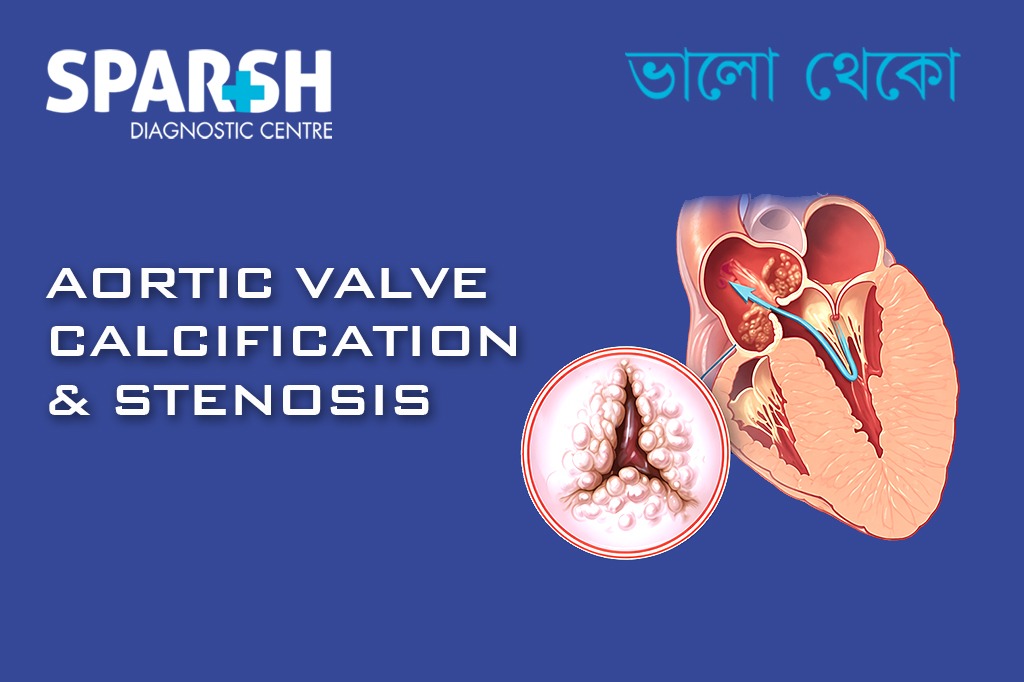
The heart has four valves that help blood flow in the correct direction. One of the most important is the aortic valve, which controls the movement of oxygen-rich blood from the heart’s left ventricle into the aorta and the rest of the body.
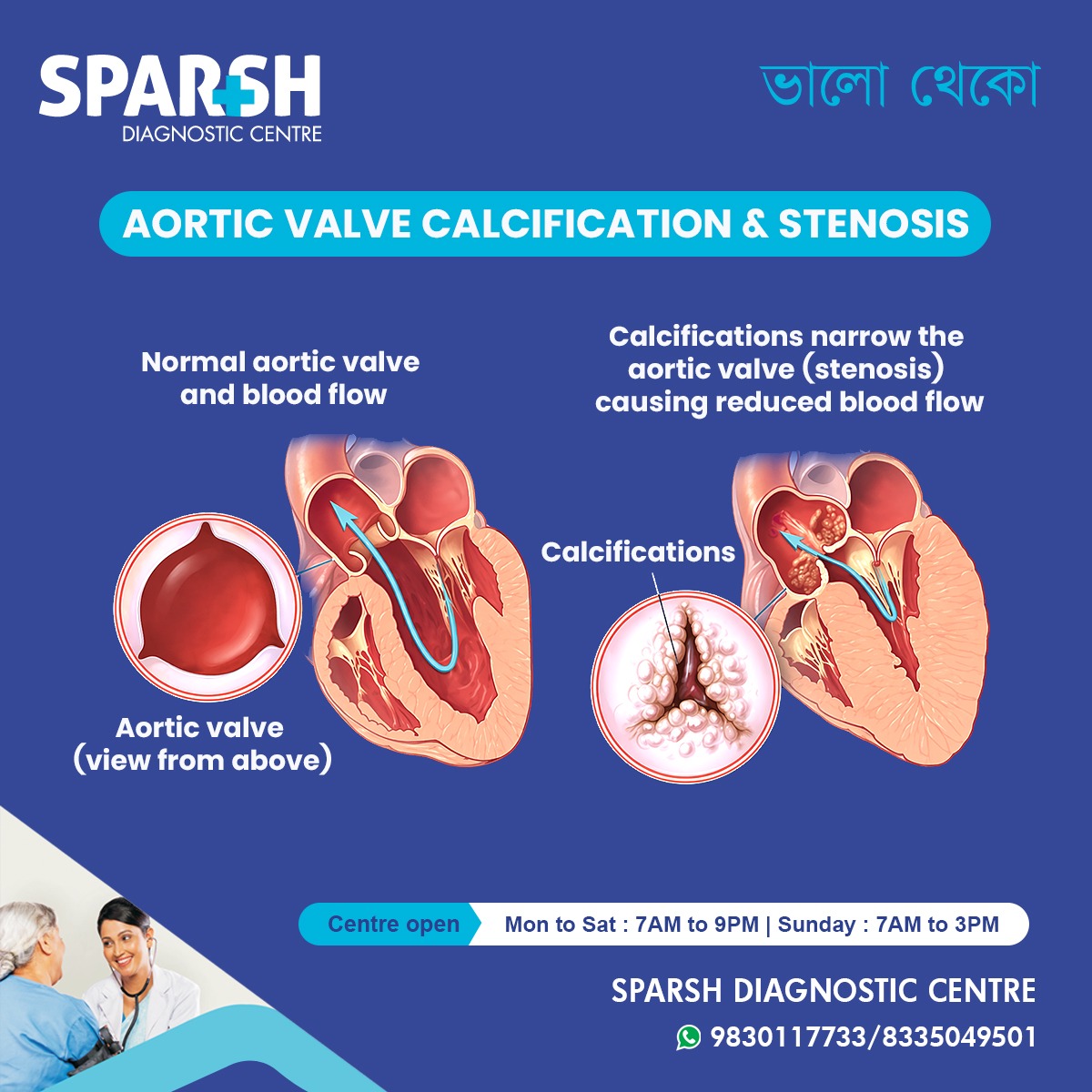
Aortic valve calcification occurs when calcium deposits gradually build up on the valve leaflets. Over time, these deposits make the valve stiff and less flexible. As the condition progresses, the valve opening becomes narrower, restricting blood flow. This narrowing is known as aortic stenosis.
Aortic valve calcification and stenosis are among the most common heart valve disorders, particularly in older adults. In the early stages, the condition may cause no symptoms. However, severe stenosis can significantly affect heart function and may become life-threatening if left untreated.
Understanding the condition, recognizing symptoms early, and seeking timely medical care can help prevent serious complications.
How does the Aortic Valve normally work?
The aortic valve acts like a one-way gate between the heart and the aorta.
When the left ventricle contracts:
- The valve opens fully.
- Blood flows efficiently into the aorta.
- The valve then closes tightly to prevent blood from flowing backward.
A healthy valve opens and closes smoothly. When calcium accumulates, the valve becomes rigid and cannot open completely. As a result, the heart must work harder to pump blood through the narrowed opening.
Over time, this increased workload can lead to enlargement of the heart muscle and eventually heart failure.
What Causes Aortic Valve Calcification?
Several factors can contribute to calcium buildup on the aortic valve.
Aging
The most common cause is age-related degeneration. As people grow older, years of wear and tear can damage the valve, making it more susceptible to calcium deposits.
Congenital Heart Defects
Some people are born with a bicuspid aortic valve, meaning the valve has two leaflets instead of the normal three. These abnormal valves tend to calcify earlier in life.
Chronic Kidney Disease
Kidney disease can disrupt calcium and phosphate balance in the body, increasing the risk of valve calcification.
High Blood Pressure
Persistent high blood pressure places extra stress on the heart and valves, accelerating degeneration.
High Cholesterol
Elevated cholesterol levels can contribute to inflammatory changes that promote calcium deposition.
Diabetes
Diabetes damages blood vessels and heart structures, increasing the likelihood of calcific valve disease.
Smoking
Smoking accelerates cardiovascular aging and contributes to valve damage.
Previous Rheumatic Fever
Although less common today, rheumatic fever can scar the valve and make it vulnerable to calcification and stenosis.
Risk Factors for Aortic Valve Stenosis
Certain factors increase the likelihood of developing the condition:
- Age above 65 years
- Male gender
- High blood pressure
- High cholesterol
- Smoking history
- Diabetes
- Obesity
- Chronic kidney disease
- Family history of heart valve disease
- Congenital valve abnormalities
Having one or more risk factors does not guarantee the condition will develop, but it significantly increases the risk.
Symptoms of Aortic Valve Calcification & Stenosis
Symptoms often develop slowly and may not appear until the narrowing becomes severe.
Common symptoms include:
Chest Pain (Angina)
The heart muscle may not receive enough oxygen-rich blood, leading to pressure or discomfort in the chest.
Shortness of Breath
Patients may notice breathlessness during physical activity or even while resting in advanced cases.
Fatigue
Reduced blood flow to the body can result in persistent tiredness and low energy levels.
Dizziness or Lightheadedness
Insufficient blood reaching the brain may cause dizziness.
Fainting (Syncope)
Sudden loss of consciousness can occur, especially during exertion.
Heart Palpitations
Some people experience irregular or rapid heartbeats.
Reduced Exercise Tolerance
Activities that were once easy may become difficult due to reduced blood flow.
Swelling
Advanced disease may lead to fluid retention in the legs, ankles, or feet.
Stages of Aortic Stenosis
Doctors classify aortic stenosis based on severity.
Mild Aortic Stenosis
- Slight narrowing of the valve
- Usually no symptoms
- Requires monitoring
Moderate Aortic Stenosis
- Increased restriction of blood flow
- Symptoms may begin to appear
Severe Aortic Stenosis
- Significant valve narrowing
- Major reduction in blood flow
- Higher risk of complications
Critical Aortic Stenosis
- Extremely narrow valve opening
- Medical emergency in some cases
- Often requires urgent intervention
Why is Aortic Stenosis dangerous?
As the valve narrows, the heart must generate greater pressure to push blood through the restricted opening.
Over time, this can lead to:
- Left ventricular hypertrophy (thickening of the heart muscle)
- Heart failure
- Abnormal heart rhythms
- Reduced oxygen delivery throughout the body
- Increased risk of sudden cardiac death
Once symptoms develop, prompt medical evaluation becomes extremely important.
How is Aortic Valve Calcification diagnosed?
Diagnosis usually begins with a detailed medical history and physical examination.
Physical Examination
A doctor may hear a characteristic heart murmur using a stethoscope.
Echocardiogram
An echocardiogram is the most important diagnostic test for aortic stenosis.
It helps assess:
- Valve structure
- Degree of calcification
- Blood flow patterns
- Severity of narrowing
- Heart function
Electrocardiogram (ECG)
An ECG records the heart’s electrical activity and can identify rhythm abnormalities.
Chest X-Ray
A chest X-ray may reveal heart enlargement or calcium deposits.
CT Scan
Cardiac CT scans can accurately measure calcium buildup on the valve.
Stress Testing
Exercise testing may be recommended in selected patients to evaluate symptoms and heart performance.
Cardiac Catheterization
In some cases, doctors use cardiac catheterization to directly measure pressure differences across the valve.
Treatment Options for Aortic Valve Calcification & Stenosis
Treatment depends on symptom severity and the extent of valve narrowing.
Regular Monitoring
Patients with mild disease may only require:
- Routine checkups
- Periodic echocardiograms
- Management of cardiovascular risk factors
Lifestyle Changes
Healthy lifestyle choices can support overall heart health.
These include:
- Quitting smoking
- Maintaining healthy blood pressure
- Controlling cholesterol
- Regular exercise as advised by a physician
- Weight management
- Following a heart-healthy diet
Medications
No medication can reverse valve calcification. However, medicines may help manage symptoms or related conditions.
Examples include:
- Blood pressure medications
- Cholesterol-lowering drugs
- Diuretics
- Medications for heart rhythm disorders
Aortic Valve Replacement
When stenosis becomes severe or symptoms develop, valve replacement is often the most effective treatment.
There are two main approaches.
Surgical Aortic Valve Replacement (SAVR)
This traditional open-heart surgery involves removing the diseased valve and replacing it with a mechanical or biological valve.
Benefits include:
- Long-term durability
- Excellent outcomes in suitable candidates
Transcatheter Aortic Valve Replacement (TAVR)
TAVR is a minimally invasive procedure in which a new valve is inserted through a catheter.
Advantages include:
- Smaller incisions
- Faster recovery
- Suitable for many elderly and high-risk patients
Balloon Valvuloplasty
In this procedure, a balloon is used to widen the narrowed valve opening.
Although it can provide temporary relief, it is generally not considered a permanent solution in adults.
Recovery After Valve Replacement
Recovery depends on the type of procedure performed.
Most patients experience:
- Improved energy levels
- Better exercise tolerance
- Reduced shortness of breath
- Improved quality of life
After treatment, regular follow-up appointments remain essential to monitor heart function and valve performance.
Can Aortic Valve Calcification Be Reversed?
Currently, there is no proven treatment that can completely reverse established valve calcification.
However, early detection and risk-factor management can slow disease progression.
Researchers continue to explore therapies that may prevent or reduce calcium accumulation in heart valves.
Preventing Aortic Valve Disease
While aging cannot be prevented, certain measures may reduce the risk of progression.
Maintain Healthy Blood Pressure
Proper blood pressure control reduces strain on the heart.
Control Cholesterol Levels
Healthy cholesterol levels may slow cardiovascular degeneration.
Manage Diabetes
Good blood sugar control supports heart and vascular health.
Avoid Smoking
Smoking cessation remains one of the most important preventive steps.
Stay Physically Active
Regular exercise helps maintain cardiovascular fitness.
Eat a Heart-Healthy Diet
Focus on:
- Fruits
- Vegetables
- Whole grains
- Lean proteins
- Healthy fats
Attend Regular Health Checkups
Routine cardiac screening can identify valve disease before symptoms become severe.
When Should You See a Doctor?
Seek medical attention if you experience:
- Chest pain
- Unexplained shortness of breath
- Fainting episodes
- Persistent fatigue
- Heart palpitations
- Reduced exercise capacity
Early diagnosis can significantly improve treatment outcomes and reduce the risk of complications.
Frequently Asked Questions (FAQs)
What is the difference between aortic valve calcification and aortic stenosis?
Aortic valve calcification refers to calcium buildup on the valve. Aortic stenosis occurs when this buildup causes significant narrowing of the valve opening, restricting blood flow.
Is aortic valve calcification serious?
It can become serious if the calcification progresses and leads to severe aortic stenosis. Early diagnosis and monitoring are important.
What are the first symptoms of aortic stenosis?
Common early symptoms include fatigue, shortness of breath during activity, chest discomfort, and dizziness.
Can aortic stenosis be treated without surgery?
Mild cases may only require monitoring. However, severe symptomatic aortic stenosis often requires valve replacement for effective treatment.
Is aortic valve calcification common in older adults?
Yes. Age-related degeneration is the most common cause, making the condition particularly prevalent among seniors.
How fast does aortic stenosis progress?
Progression varies between individuals. Some people experience slow changes over many years, while others may deteriorate more rapidly.
Can exercise worsen aortic stenosis?
People with severe stenosis should consult their cardiologist before engaging in strenuous activities. Moderate exercise may still be appropriate in certain cases.
What happens if severe aortic stenosis is left untreated?
Untreated severe stenosis can lead to heart failure, arrhythmias, fainting, and an increased risk of sudden death.
Is TAVR safer than open-heart surgery?
For many patients, especially older adults and those with higher surgical risk, TAVR offers excellent outcomes with a shorter recovery period. The best option depends on individual circumstances.
Can lifestyle changes prevent aortic valve calcification?
Lifestyle changes cannot completely prevent calcification but can reduce cardiovascular risk factors and potentially slow disease progression.
Aortic Valve Calcification & Stenosis is a progressive heart valve condition that develops when calcium deposits cause the aortic valve to become stiff and narrow. While the disease may remain silent for years, severe stenosis can seriously affect heart function and overall health.
Recognizing symptoms such as chest pain, shortness of breath, dizziness, and fatigue is essential for timely diagnosis. Modern imaging techniques allow doctors to accurately assess valve health, while advanced treatments such as surgical valve replacement and TAVR offer highly effective solutions.
With regular monitoring, heart-healthy lifestyle habits, and appropriate medical care, many patients with aortic valve stenosis can continue to enjoy an active and fulfilling life.
To consult a Doctor or get full body check-up done at Sparsh Diagnostic Centre, call our helpline numbers 9830117733/ 8335049501.
#BhaloTheko
Disclaimer:
No content on this site, regardless of date, should ever be used as a substitute for direct medical advice from your doctor or other qualified clinician.