A bicuspid aortic valve (BAV) is one of the most common congenital heart conditions, affecting approximately 1–2% of the population worldwide. While many people live for years without realizing they have it, a bicuspid aortic valve can eventually lead to serious complications such as aortic stenosis, aortic regurgitation, heart failure, and enlargement of the aorta if left undetected or untreated.
The good news is that modern cardiac imaging and regular follow-up care allow doctors to monitor the condition effectively and intervene when necessary. If you have recently been diagnosed with a bicuspid aortic valve or are experiencing symptoms such as chest pain, shortness of breath, or dizziness, understanding the condition can help you make informed decisions about your heart health.
For individuals seeking expert cardiac care, consulting the Best Cardiologist in Kolkata can ensure timely diagnosis, personalized treatment, and long-term monitoring of this condition.
What is a Bicuspid Aortic Valve?
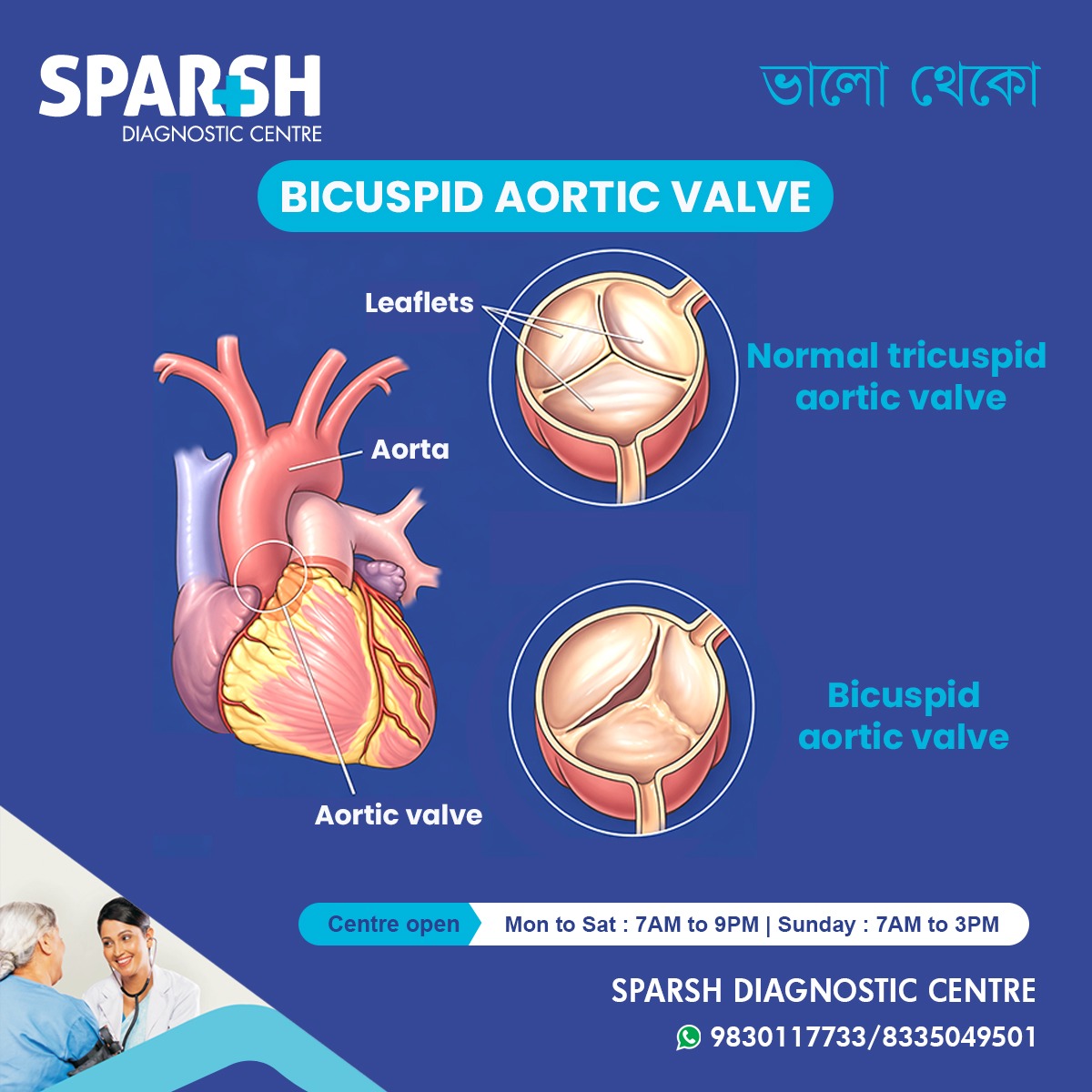
The aortic valve is one of the four valves of the heart. It regulates blood flow from the left ventricle into the aorta, the body’s largest artery.
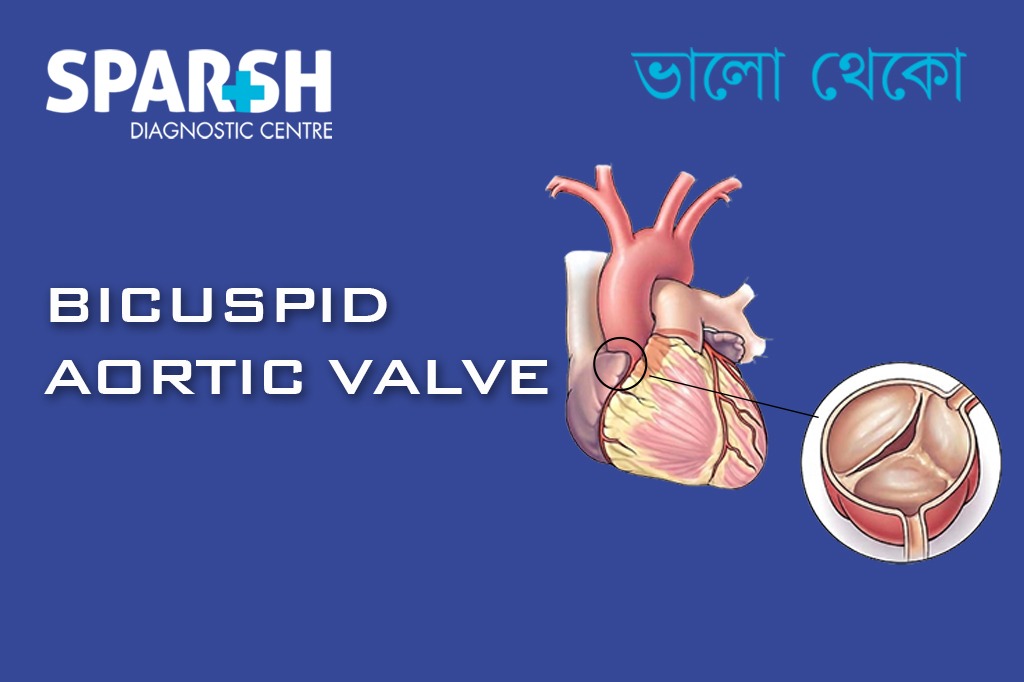
A normal aortic valve has three leaflets (cusps) that open and close with each heartbeat. In a bicuspid aortic valve, however, the valve develops with only two leaflets instead of three.
This difference is present from birth and is considered a congenital heart defect. The two leaflets may function normally during childhood but often become stiff, narrowed, or leaky over time.
Because the valve experiences increased stress, it tends to wear out faster than a normal aortic valve.
How common Is Bicuspid Aortic Valve?
Bicuspid aortic valve is the most common congenital heart abnormality.
Key facts include:
- Affects about 1–2% of the population
- More common in men than women
- Often runs in families
- May occur alongside other heart and blood vessel abnormalities
- Frequently remains undiagnosed until adulthood
Since BAV can have a hereditary component, family members may also benefit from screening when a diagnosis is confirmed.
What causes a Bicuspid Aortic Valve?
The exact cause is not completely understood.
Researchers believe that genetic factors play a major role during fetal development. Instead of forming three separate cusps, two cusps fuse together before birth.
Several genes have been linked to bicuspid aortic valve development, although no single gene explains all cases.
Risk factors include:
- Family history of BAV
- Congenital heart disease
- Certain genetic syndromes
- Male gender
Importantly, nothing a parent does during pregnancy causes the condition.
How does a Bicuspid Aortic Valve affect the Heart?
The abnormal valve structure changes blood flow patterns.
Over time, this can lead to:
Aortic Stenosis
The valve becomes narrowed and cannot open fully.
As a result:
- The heart works harder to pump blood
- Blood flow to the body decreases
- Symptoms develop gradually
Aortic Regurgitation
The valve fails to close properly.
This causes blood to leak backward into the heart, forcing the heart muscle to work harder.
Enlargement of the Aorta
Many patients with bicuspid aortic valve also develop abnormalities of the aortic wall.
The aorta may:
- Dilate (enlarge)
- Become weakened
- Develop aneurysms
- Rarely rupture or dissect
This is why ongoing monitoring is essential.
Symptoms of Bicuspid Aortic Valve
Many people have no symptoms for years.
Symptoms often appear when valve dysfunction becomes significant.
Common symptoms include:
Shortness of Breath
Difficulty breathing during physical activity is one of the earliest warning signs.
Chest Pain
Reduced blood flow may lead to chest discomfort, especially during exercise.
Fatigue
People may notice reduced stamina and increased tiredness.
Dizziness or Fainting
Severe valve narrowing can decrease blood flow to the brain.
Heart Palpitations
Some patients experience irregular heartbeats or a sensation of a racing heart.
Swelling
Advanced disease can cause fluid retention in the legs, ankles, or abdomen.
If you experience these symptoms, consulting a Cardiologist Kolkata can help determine whether a bicuspid aortic valve or another cardiac condition is responsible.
Complications of Bicuspid Aortic Valve
Without proper monitoring, BAV may lead to several serious complications.
Aortic Stenosis
This is the most common complication in adults.
The valve becomes calcified and stiff, reducing blood flow from the heart.
Aortic Regurgitation
A leaking valve allows blood to flow backward, increasing strain on the heart.
Heart Failure
Long-standing valve disease may weaken the heart muscle and impair pumping function.
Infective Endocarditis
People with abnormal valves have a higher risk of infection involving the heart valves.
Aortic Aneurysm
The aorta may enlarge progressively, increasing the risk of rupture.
Aortic Dissection
A tear in the wall of the aorta is a life-threatening emergency requiring immediate treatment.
How is Bicuspid Aortic Valve diagnosed?
Modern imaging techniques allow doctors to diagnose BAV accurately.
Physical Examination
A doctor may hear:
- Heart murmurs
- Abnormal valve sounds
- Signs of heart enlargement
These findings often prompt further testing.
Echocardiography
An echocardiogram is the primary diagnostic test.
It uses ultrasound waves to visualize:
- Valve structure
- Valve function
- Blood flow patterns
- Heart chamber size
- Aortic dimensions
Transesophageal Echocardiography (TEE)
A more detailed ultrasound performed through the esophagus.
It may be recommended when standard imaging is inconclusive.
Cardiac CT Scan
A CT scan provides detailed images of:
- The aortic valve
- Aortic aneurysms
- Aortic enlargement
Cardiac MRI
MRI is particularly useful for monitoring changes in the aorta over time.
Electrocardiogram (ECG)
An ECG evaluates heart rhythm and signs of heart strain.
Who should be screened?
Because bicuspid aortic valve can run in families, screening is often recommended for:
- Parents
- Siblings
- Children
An echocardiogram can identify the condition before symptoms appear.
Treatment for Bicuspid Aortic Valve
Treatment depends on:
- Severity of valve dysfunction
- Symptoms
- Heart function
- Aortic size
Observation and Monitoring
Many patients only require periodic follow-up.
Regular imaging helps detect:
- Valve narrowing
- Valve leakage
- Aortic enlargement
Monitoring intervals vary based on individual risk factors.
Medications
Although medications cannot correct the valve abnormality, they may help manage complications.
Doctors may prescribe:
- Blood pressure medications
- Beta-blockers
- ACE inhibitors
- Diuretics
Controlling blood pressure is especially important when the aorta is enlarged.
Lifestyle Modifications
Heart-healthy habits can support overall cardiovascular health.
Recommendations include:
- Regular physical activity
- Healthy diet
- Weight management
- Smoking cessation
- Blood pressure control
- Cholesterol management
Exercise restrictions may be advised for patients with significant aortic enlargement.
Aortic Valve Repair
In select cases, surgeons may repair the valve rather than replace it.
Repair is more common in patients with valve leakage than severe narrowing.
Aortic Valve Replacement
When the valve becomes severely diseased, replacement is often necessary.
Options include:
Mechanical Valves
Advantages:
- Long-lasting durability
Disadvantages:
- Lifelong blood-thinning medication required
Biological Valves
Advantages:
- Usually no lifelong anticoagulation
Disadvantages:
- May wear out over time
Transcatheter Aortic Valve Replacement (TAVR)
TAVR is a minimally invasive procedure that replaces the valve without open-heart surgery.
Although widely used for aortic stenosis, suitability depends on individual anatomy and age.
Aortic Surgery
If the aorta becomes significantly enlarged, surgery may be recommended to prevent rupture or dissection.
Living with a Bicuspid Aortic Valve
Many individuals live long, healthy lives with proper medical supervision.
Key aspects of long-term management include:
Regular Follow-Up
Routine visits help identify changes before complications develop.
Blood Pressure Control
Keeping blood pressure within a healthy range reduces stress on the aorta.
Physical Activity
Most patients can remain active, though certain high-intensity sports may require medical clearance.
Dental Hygiene
Good oral health helps reduce the risk of infective endocarditis.
Pregnancy Considerations
Women with bicuspid aortic valve should undergo cardiac evaluation before pregnancy, especially if aortic enlargement is present.
Can Bicuspid Aortic Valve be prevented?
Because it is a congenital condition present at birth, bicuspid aortic valve cannot be prevented.
However, complications can often be prevented through:
- Early diagnosis
- Regular imaging
- Blood pressure management
- Timely treatment
- Healthy lifestyle choices
When should you see a Cardiologist?
You should seek medical evaluation if you experience:
- Chest pain
- Breathlessness
- Dizziness
- Fainting episodes
- Palpitations
- Unexplained fatigue
- Family history of bicuspid aortic valve
Searching for a Cardiologist Near Me can help you connect with a heart specialist who can assess symptoms and recommend appropriate testing.
Early diagnosis is particularly important because many complications develop gradually and may not cause symptoms until the condition becomes advanced.
Prognosis and Long-Term Outlook
The outlook for patients with bicuspid aortic valve has improved dramatically over the past few decades.
With modern diagnostic tools, regular surveillance, and timely intervention:
- Most patients enjoy a normal lifespan
- Complications can often be detected early
- Surgical outcomes are highly successful
- Quality of life remains excellent for many individuals
The key is ongoing monitoring and partnership with an experienced cardiac care team.
Frequently Asked Questions (FAQs)
Is a bicuspid aortic valve serious?
It can be. While many people remain symptom-free for years, the condition may lead to aortic stenosis, valve leakage, or enlargement of the aorta if not monitored properly.
Can someone live a normal life with a bicuspid aortic valve?
Yes. Many individuals live normal, active lives with routine cardiac evaluations and appropriate treatment when needed.
Is bicuspid aortic valve hereditary?
Yes. The condition often runs in families, which is why first-degree relatives are frequently advised to undergo screening.
What is the most common complication of bicuspid aortic valve?
Aortic stenosis, or narrowing of the valve, is the most common long-term complication.
Can exercise worsen a bicuspid aortic valve?
Most people can exercise safely. However, patients with significant valve disease or aortic enlargement should discuss activity levels with their cardiologist.
Does a bicuspid aortic valve always require surgery?
No. Many patients never require surgery and only need regular monitoring. Surgery becomes necessary when severe valve dysfunction or aortic enlargement develops.
How often should someone with a bicuspid aortic valve have an echocardiogram?
The frequency depends on the severity of the condition. Some patients require annual imaging, while others may only need testing every few years.
Can children have a bicuspid aortic valve?
Yes. The condition is present from birth, although symptoms may not appear until later in life.
What is the life expectancy of someone with bicuspid aortic valve?
With proper monitoring and treatment, life expectancy is often close to normal.
When should I consult the Best Cardiologist in Kolkata?
You should seek evaluation if you have symptoms, a family history of bicuspid aortic valve, a heart murmur, or concerns about your cardiovascular health. An experienced Cardiologist Kolkata can recommend appropriate imaging and long-term management.
To consult a Doctor or get full body check-up done at Sparsh Diagnostic Centre, call our helpline numbers 9830117733/ 8335049501.
#BhaloTheko
Disclaimer:
No content on this site, regardless of date, should ever be used as a substitute for direct medical advice from your doctor or other qualified clinician.