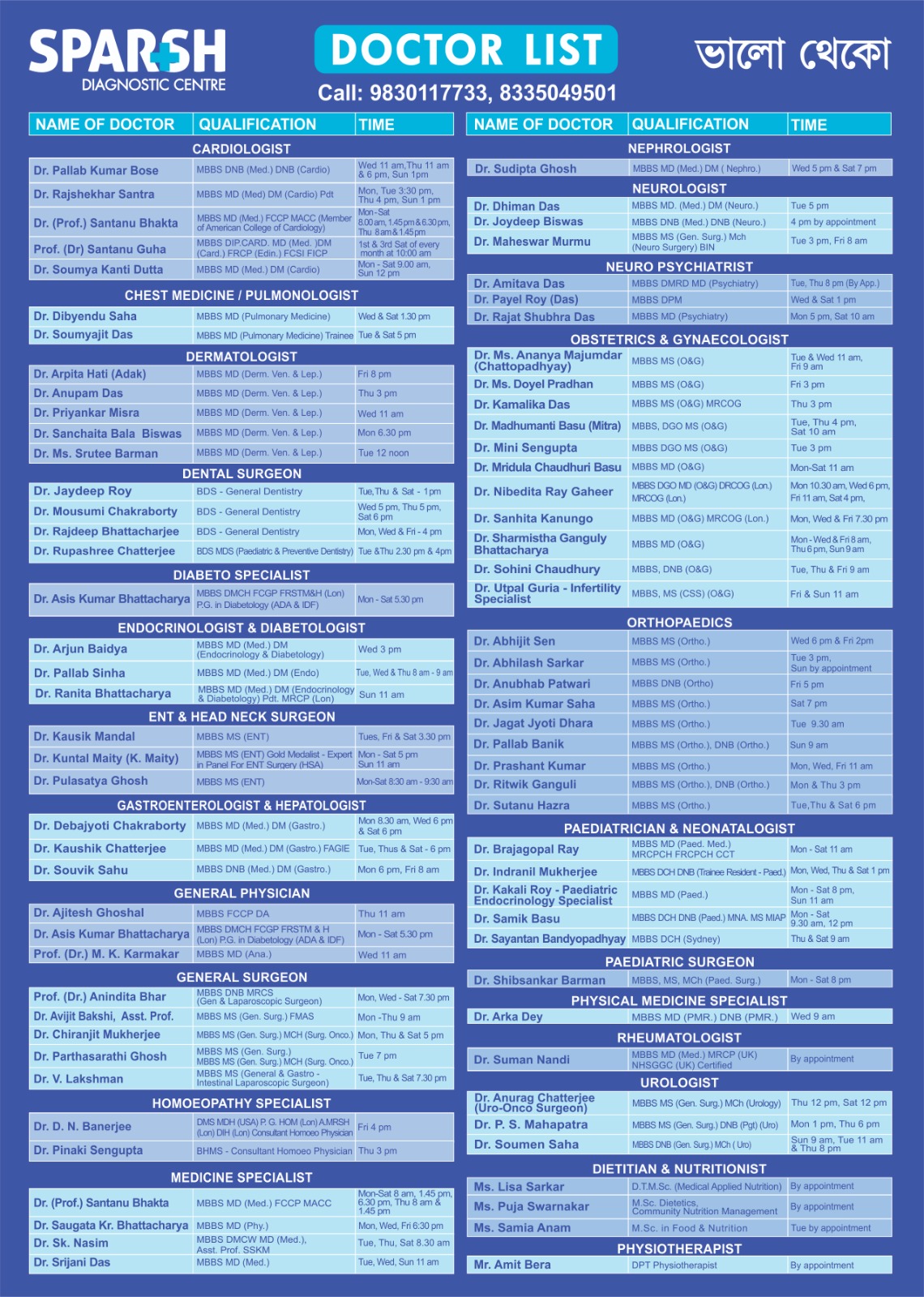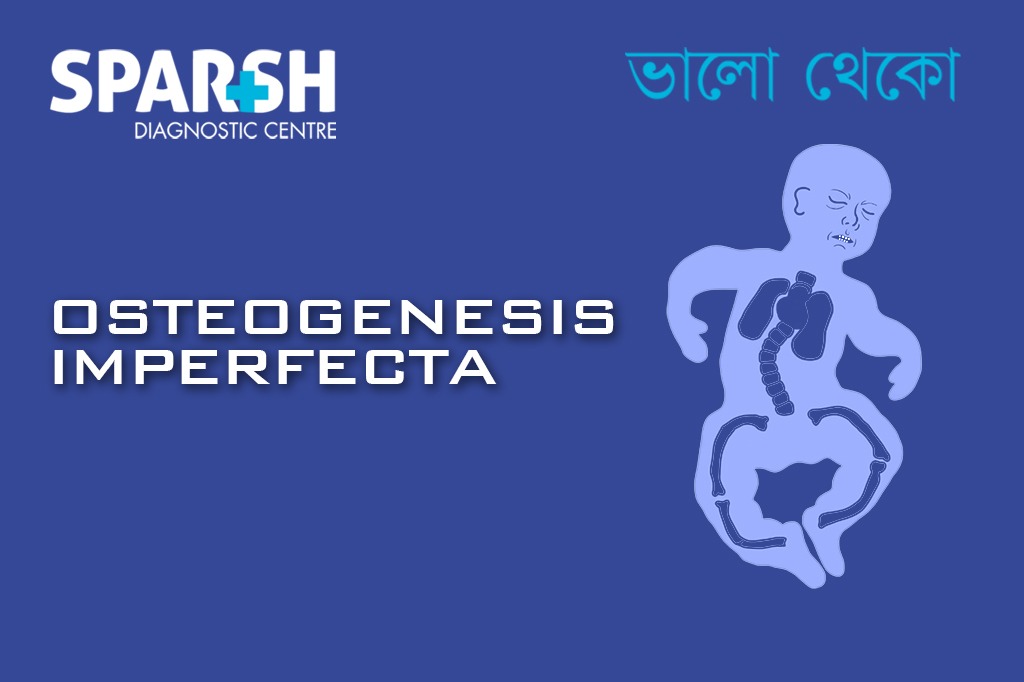
Imagine breaking a bone from a minor fall, a simple hug, or even while turning in bed. For people living with Osteogenesis Imperfecta (OI), this can be a reality. Often called Brittle Bone Disease, Osteogenesis Imperfecta is a rare inherited disorder that affects the body’s ability to produce strong collagen, making bones fragile and prone to fractures.
Although OI is primarily known for weak bones, it can also affect the teeth, hearing, lungs, joints, and spine. The severity varies significantly from one person to another. Some individuals experience only a few fractures during their lifetime, while others may have hundreds.
Thanks to advances in genetics, orthopaedic care, physiotherapy, and rehabilitation, people with Osteogenesis Imperfecta are now living longer and healthier lives than ever before. Early diagnosis and personalised treatment can dramatically improve mobility, independence, and quality of life.
This comprehensive guide explains everything you need to know about Osteogenesis Imperfecta, including its causes, symptoms, types, diagnosis, treatment options, prognosis, and answers to the most frequently asked questions.
What is Osteogenesis Imperfecta?
Osteogenesis Imperfecta (OI) is a rare genetic disorder characterised by bones that fracture easily because they are unusually fragile.
The condition occurs due to defects in the production of Type I collagen, an essential protein that provides strength and structure to bones, skin, tendons, ligaments, and teeth.
Since collagen is found throughout the body, OI affects more than just the skeleton. It can also involve:
- Teeth
- Eyes
- Hearing
- Joints
- Spine
- Heart valves
- Lungs
The severity ranges from very mild forms that may go undiagnosed until adulthood to severe forms that cause multiple fractures before birth.
Another Name for Osteogenesis Imperfecta
Osteogenesis Imperfecta is commonly known as:
- Brittle Bone Disease
- Fragile Bone Disease
The name “Osteogenesis Imperfecta” literally means “imperfect bone formation.”
What Causes Osteogenesis Imperfecta?
The most common cause of Osteogenesis Imperfecta is a genetic mutation affecting the COL1A1 or COL1A2 genes.
These genes provide instructions for making Type I collagen, the primary structural protein in bones.
When these genes are altered:
- Too little collagen may be produced.
- The collagen produced may be defective.
- Bone strength decreases significantly.
- Bones become brittle and fracture easily.
Inheritance Pattern
Most cases are inherited in an autosomal dominant pattern, meaning a child needs only one affected copy of the gene from either parent.
However:
- Some cases result from spontaneous (new) mutations.
- Rare forms follow an autosomal recessive inheritance pattern.
Parents with mild OI may unknowingly pass the condition to their children.
Risk Factors
The primary risk factor is a family history of Osteogenesis Imperfecta.
Other considerations include:
- Previous child with OI
- Genetic mutations arising spontaneously
- Rare inherited collagen disorders
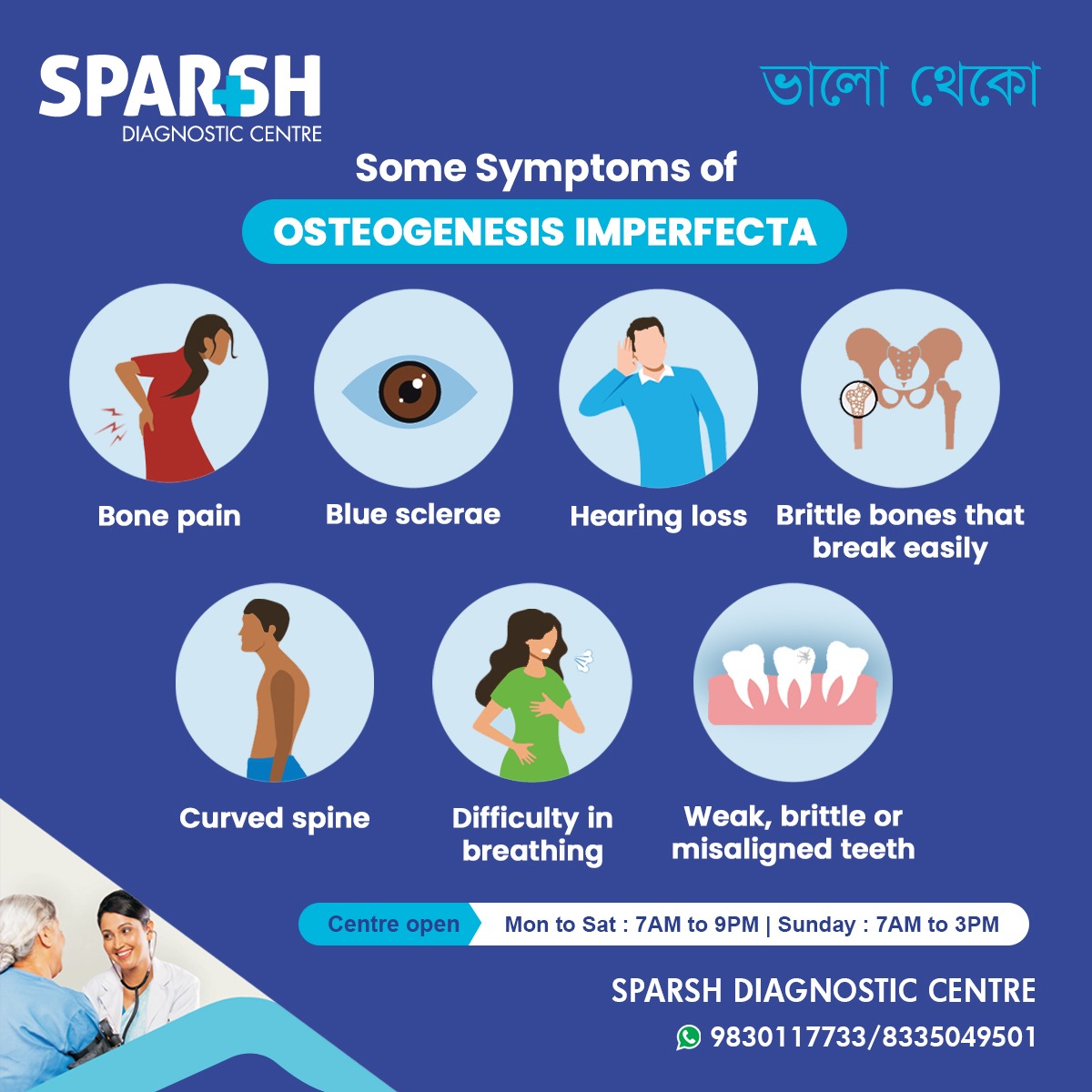
Symptoms of Osteogenesis Imperfecta
Symptoms vary depending on the type and severity.
Common symptoms include:
Frequent Bone Fractures
Bones may break after:
- Minor falls
- Routine activities
- Little or no trauma
Bone Pain
Repeated fractures often lead to chronic pain and discomfort.
Blue Sclerae
The whites of the eyes appear bluish because the connective tissue is thinner than normal.
Short Stature
Growth may be slower than average, particularly in moderate to severe forms.
Hearing Loss
Many adults with OI gradually develop hearing impairment, often beginning in early adulthood.
Curved Spine (Scoliosis or Kyphosis)
Repeated fractures and weak bones can cause spinal deformities.
Joint Hypermobility
Loose ligaments make joints unusually flexible.
Muscle Weakness
Reduced muscle strength may affect mobility and balance.
Brittle or Discoloured Teeth
Dental abnormalities, known as dentinogenesis imperfecta, are common.
Breathing Difficulties
Chest wall deformities or scoliosis may reduce lung capacity.
The Triad of Osteogenesis Imperfecta
A classic clinical triad often associated with Osteogenesis Imperfecta includes:
- Fragile bones with recurrent fractures
- Blue sclerae
- Hearing loss
Not every individual has all three features, but together they strongly suggest the diagnosis.
The Four Main Types of Osteogenesis Imperfecta
Historically, OI has been divided into four major types.
Type I (Mild)
Characteristics:
- Mild bone fragility
- Normal or near-normal height
- Blue sclerae
- Hearing loss may develop later
- Few bone deformities
This is the most common form.
Type II (Perinatal Lethal)
Characteristics:
- Extremely fragile bones
- Multiple fractures before birth
- Small chest
- Underdeveloped lungs
- Severe skeletal abnormalities
Unfortunately, this type is often fatal shortly before or after birth due to respiratory complications.
Type III (Severe Progressive)
Type III Osteogenesis Imperfecta is one of the most severe forms compatible with long-term survival.
People with Type III typically experience:
- Multiple fractures beginning before birth or during infancy
- Progressive bone deformities
- Very short stature
- Severe scoliosis
- Wheelchair dependence in many cases
- Dental abnormalities
- Breathing problems
Despite significant physical challenges, intelligence is usually unaffected.
Type IV (Moderate)
Features include:
- Moderate bone fragility
- Mild to moderate deformities
- Normal sclerae
- Variable short stature
- Fractures throughout life
Severity falls between Types I and III.
Additional Types
Researchers have identified more than 20 genetic forms of Osteogenesis Imperfecta. These newer classifications involve genes other than COL1A1 and COL1A2 but are generally less common.
Osteogenesis Imperfecta vs Osteoporosis
Although both conditions increase fracture risk, they are very different diseases.
| Osteogenesis Imperfecta | Osteoporosis |
|---|---|
| Genetic disorder | Usually age-related or secondary disease |
| Present from birth | Usually develops later in life |
| Defective collagen | Reduced bone density |
| Rare | Common |
| Often associated with blue sclerae, hearing loss and dental abnormalities | Usually affects only bones |
In short, Osteogenesis Imperfecta is a congenital connective tissue disorder, while osteoporosis is primarily a disease of low bone mass.
How is Osteogenesis Imperfecta Diagnosed?
Diagnosis combines medical history, physical examination, imaging, and genetic testing.
Common investigations include:
Clinical Examination
Doctors assess:
- Fracture history
- Family history
- Growth
- Bone deformities
- Joint flexibility
X-rays
These help identify:
- Fractures
- Bone deformities
- Bone density changes
Bone Density Scan (DEXA)
Measures bone mineral density and helps monitor treatment.
Genetic Testing
DNA testing confirms mutations responsible for Osteogenesis Imperfecta.
Collagen Analysis
Specialised laboratory testing can evaluate collagen abnormalities.
Prenatal Testing
Families with a known history of OI may choose prenatal genetic testing during pregnancy.
What is the Best Treatment for Osteogenesis Imperfecta?
There is currently no cure, but treatment focuses on strengthening bones, reducing fractures, improving mobility, and maintaining independence.
The best treatment is usually a combination of several approaches.
Bisphosphonate Therapy
These medications help:
- Increase bone density
- Reduce fracture frequency
- Improve mobility
- Relieve bone pain
They are widely used, especially in children with moderate to severe OI.
Orthopaedic Surgery
Surgery may include:
- Repairing fractures
- Correcting deformities
- Inserting telescopic rods into long bones
These procedures improve stability and reduce future fractures.
Physiotherapy
Regular physiotherapy helps:
- Improve muscle strength
- Increase balance
- Enhance mobility
- Reduce falls
Exercise programmes are carefully designed to minimise injury risk.
Occupational Therapy
Occupational therapists help patients:
- Perform daily activities safely
- Use adaptive equipment
- Improve independence
Pain Management
Treatment may involve:
- Pain medications
- Physical therapy
- Heat therapy
- Lifestyle modifications
Dental Care
Because many patients develop brittle teeth, regular dental check-ups are essential.
Hearing Care
Routine hearing assessments allow early treatment with hearing aids or other interventions when necessary.
Nutrition
Adequate intake of:
supports overall bone health.
Living with Osteogenesis Imperfecta
Although OI presents lifelong challenges, many people lead fulfilling and productive lives.
Helpful lifestyle measures include:
- Safe physical activity
- Swimming and water therapy
- Fall prevention
- Maintaining a healthy weight
- Regular medical follow-up
- Avoiding smoking
- Limiting excessive alcohol
Strong family support and access to multidisciplinary healthcare make a significant difference.
What is the Life Expectancy of Someone with Osteogenesis Imperfecta?
Life expectancy depends largely on the type of Osteogenesis Imperfecta.
Mild Forms (Type I)
Most individuals have a normal life expectancy and lead active, independent lives.
Moderate Forms (Type IV)
Life expectancy is generally close to normal, although complications may occur.
Severe Forms (Type III)
People often live into adulthood but may experience reduced life expectancy due to respiratory complications, severe spinal deformities, or repeated fractures.
Type II
Sadly, this form is usually fatal around birth because of severe lung underdevelopment and multiple fractures.
With modern medical care, many people with moderate and severe OI are living longer than ever before.
Pregnancy and Osteogenesis Imperfecta
Women with mild OI can often have successful pregnancies, although they require specialist obstetric care.
Potential concerns include:
- Increased fracture risk
- Pelvic abnormalities
- Breathing difficulties
- Genetic counselling regarding inheritance
Can Osteogenesis Imperfecta Be Prevented?
Because OI is a genetic disorder, it cannot usually be prevented.
However, genetic counselling can help families understand:
- Inheritance patterns
- Risks for future pregnancies
- Prenatal testing options
- Family planning decisions
The Osteogenesis Imperfecta Group
The term “Osteogenesis Imperfecta Group” commonly refers to organisations and support groups dedicated to people living with OI and their families. These groups provide education, emotional support, advocacy, and access to resources about living with the condition.
Many countries have national OI foundations or patient organisations that work closely with healthcare professionals, researchers, and families to improve awareness, promote research, and support individuals affected by brittle bone disease.
Prognosis
The outlook has improved considerably over the past few decades.
With early diagnosis, specialised orthopaedic care, physiotherapy, medications, and regular monitoring, many individuals with OI:
- Attend school
- Work full-time
- Participate in sports adapted to their abilities
- Raise families
- Enjoy an active social life
Individual outcomes depend largely on the specific type of OI and the quality of ongoing medical care.
Frequently Asked Questions (FAQs)
1. What causes osteogenesis imperfecta?
Osteogenesis Imperfecta is usually caused by inherited mutations in the COL1A1 or COL1A2 genes, leading to defective or insufficient Type I collagen. This weakens bones and connective tissues, making fractures more likely.
2. What’s the life expectancy of someone with osteogenesis imperfecta?
Life expectancy varies by type. People with mild forms often have a normal lifespan, while severe forms may shorten life expectancy due to respiratory and skeletal complications. Type II is usually fatal around birth.
3. What is the best treatment for osteogenesis imperfecta?
The most effective approach combines bisphosphonate therapy, orthopaedic surgery when needed, physiotherapy, occupational therapy, nutritional support, and regular monitoring by a multidisciplinary medical team.
4. What is the osteogenesis imperfecta group?
It generally refers to patient support organisations and advocacy groups that provide education, resources, emotional support, and promote research for people living with Osteogenesis Imperfecta.
5. What are the four types of osteogenesis imperfecta?
The four classic types are:
- Type I – Mild
- Type II – Perinatal lethal
- Type III – Severe progressive
- Type IV – Moderate
Researchers have since identified additional genetic subtypes.
6. What is the triad of osteogenesis imperfecta?
The classic triad includes:
- Recurrent fractures
- Blue sclerae
- Hearing loss
7. What is Type 3 osteogenesis imperfecta?
Type III is a severe form characterised by frequent fractures beginning before or shortly after birth, progressive bone deformities, short stature, scoliosis, and mobility challenges. Many people with Type III require lifelong medical and rehabilitation support.
8. What is the difference between osteogenesis imperfecta and osteoporosis?
Osteogenesis Imperfecta is a genetic disorder affecting collagen production and is present from birth, whereas osteoporosis is usually an acquired condition involving reduced bone density that develops later in life.
9. What is another name for osteogenesis imperfecta?
Osteogenesis Imperfecta is commonly known as Brittle Bone Disease or Fragile Bone Disease.
Osteogenesis Imperfecta is a rare but lifelong genetic condition that affects the body’s ability to produce strong collagen, resulting in fragile bones and a higher risk of fractures. While there is no cure, advances in diagnosis, medication, orthopaedic care, physiotherapy, and rehabilitation have transformed the outlook for many people living with OI.
Early diagnosis, regular monitoring, and a multidisciplinary treatment plan can significantly reduce complications, improve mobility, and enhance quality of life. Whether the condition is mild or severe, ongoing support from healthcare professionals, family members, and patient support organisations plays a vital role in helping individuals live active and meaningful lives.
To consult a Doctor or get full body check-up done at Sparsh Diagnostic Centre, call our helpline numbers 9830117733/ 8335049501.
#BhaloTheko
Disclaimer:
No content on this site, regardless of date, should ever be used as a substitute for direct medical advice from your doctor or other qualified clinician.