Birth defects are structural or functional abnormalities that develop while a baby is growing in the womb. They may affect how the body looks, works, or develops after birth. Some birth defects are mild and easily treatable, while others can lead to lifelong health challenges. Although hearing the term “birth defect” can feel overwhelming for expecting parents, understanding the condition, its causes, and available treatment options can make a significant difference.
Every year, millions of babies worldwide are born with some form of congenital condition. Advances in prenatal care, diagnostic imaging, genetics, and neonatal medicine have improved early detection and treatment outcomes dramatically. In many cases, early intervention helps children lead healthy and fulfilling lives.
This guide explains the common types of birth defects, causes, risk factors, warning signs, diagnosis, treatment options, and preventive measures in a simple and easy-to-understand way.
What Are Birth Defects?
Birth defects, also called congenital anomalies or congenital disorders, are conditions present at birth that affect the structure or function of a baby’s body. These abnormalities may involve organs, limbs, the nervous system, metabolism, or physical appearance.
Some birth defects are visible immediately after delivery, while others may only become noticeable later in infancy or childhood. They can range from minor cosmetic concerns to serious medical conditions requiring surgery or long-term care.
Birth defects are broadly classified into two categories:
- Structural birth defects – Physical abnormalities in body parts or organs
- Functional or developmental birth defects – Problems affecting how the body functions, develops, or processes information
Common Types of Birth Defects
There are hundreds of different congenital conditions. Some of the most common include:
Heart Defects
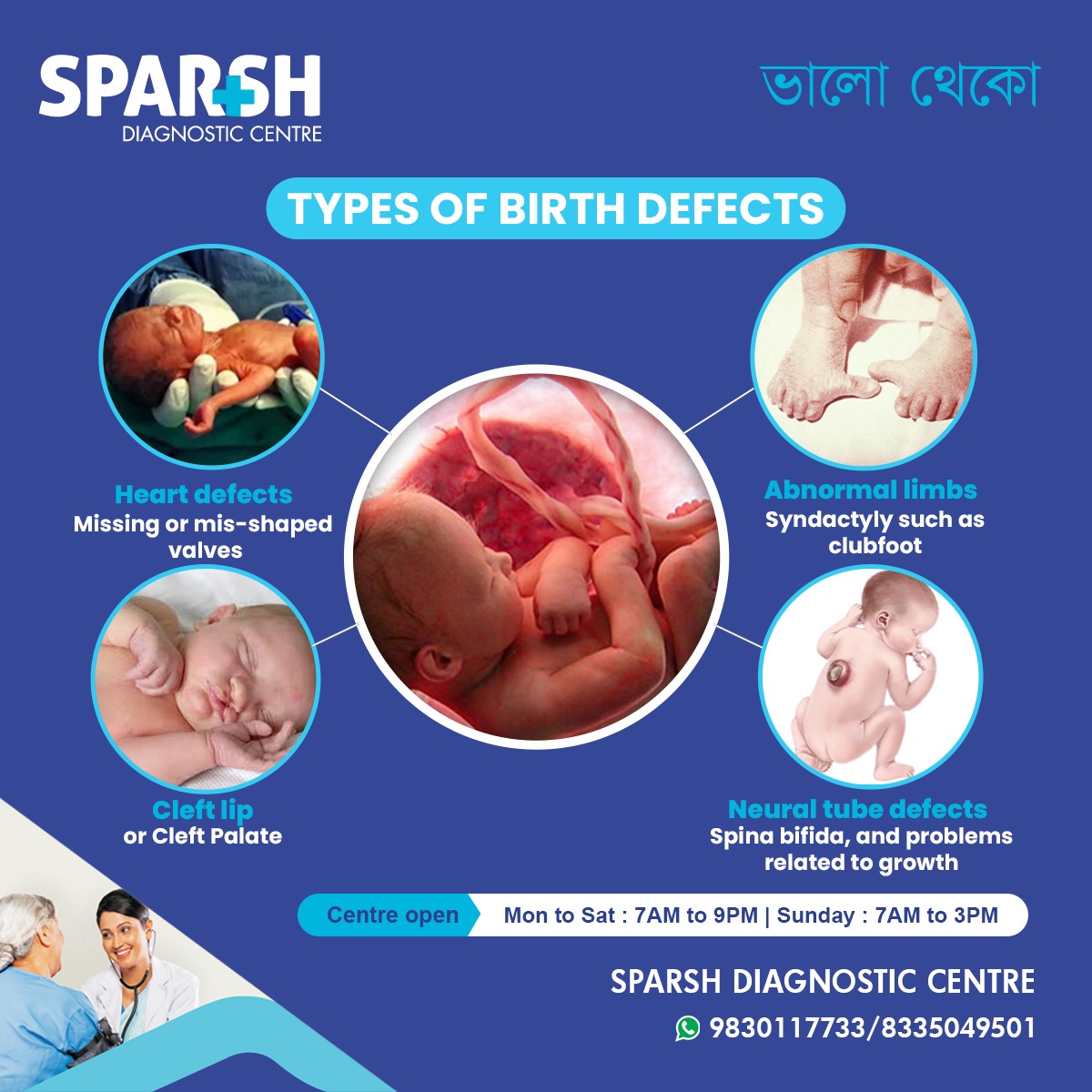
Congenital heart defects occur when the heart or blood vessels do not develop properly before birth. These are among the most common birth defects worldwide.
Examples include:
- Holes in the heart
- Missing or malformed heart valves
- Narrowed blood vessels
- Abnormal heart chambers
Symptoms may include:
- Bluish skin
- Rapid breathing
- Poor feeding
- Fatigue
- Poor weight gain
Some heart defects require surgery soon after birth, while others may improve naturally over time.
Neural Tube Defects
Neural tube defects affect the brain, spine, or spinal cord. They occur when the neural tube fails to close properly during early pregnancy.
Common examples:
These conditions can cause:
- Paralysis
- Difficulty walking
- Learning disabilities
- Bladder or bowel problems
Folic acid supplementation before and during pregnancy significantly reduces the risk of neural tube defects.
Cleft Lip and Cleft Palate
A cleft lip occurs when the upper lip does not form completely. A cleft palate involves an opening in the roof of the mouth.
Children with these conditions may experience:
- Feeding difficulties
- Speech problems
- Ear infections
- Dental issues
Corrective surgery is highly effective and is often performed during infancy.
Limb Abnormalities
Some babies are born with missing, shortened, fused, or improperly formed limbs.
Examples include:
- Clubfoot
- Syndactyly (fused fingers or toes)
- Extra fingers or toes
- Missing limbs
Treatment may involve:
- Surgery
- Braces
- Physical therapy
- Prosthetics
Down Syndrome
Down syndrome is a genetic condition caused by an extra copy of chromosome 21.
Common features include:
- Distinct facial appearance
- Developmental delays
- Intellectual disability
- Low muscle tone
- Heart defects
With proper support and healthcare, many individuals with Down syndrome live active and meaningful lives.
Gastrointestinal Defects
Some birth defects affect the digestive system.
Examples include:
- Esophageal atresia
- Imperforate anus
- Hirschsprung disease
Symptoms may include:
- Vomiting
- Feeding problems
- Abdominal swelling
- Constipation
Most gastrointestinal defects require surgery.
Causes of Birth Defects
In many cases, the exact cause remains unknown. However, several factors are known to increase the risk.
Genetic Factors
Some birth defects are inherited through genes passed from parents to children. Chromosomal abnormalities can also lead to congenital conditions.
Examples:
Environmental Factors
Exposure to harmful substances during pregnancy can interfere with fetal development.
Risk factors include:
- Alcohol consumption
- Smoking
- Illegal drugs
- Radiation exposure
- Toxic chemicals
Infections During Pregnancy
Certain infections can affect fetal growth and development.
Examples include:
Nutritional Deficiencies
A lack of essential nutrients during pregnancy can increase the risk of birth defects.
Important nutrients include:
Maternal Health Conditions
Certain medical conditions in the mother may affect the baby.
Examples:
Medication Use
Some medicines taken during pregnancy may cause congenital abnormalities.
Always consult a healthcare provider before taking:
- Prescription medicines
- Herbal supplements
- Over-the-counter drugs
Risk Factors for Birth Defects
Some factors increase the likelihood of congenital abnormalities.
These include:
- Family history of genetic disorders
- Advanced maternal age
- Poor prenatal care
- Exposure to harmful chemicals
- Smoking or alcohol use
- Uncontrolled diabetes
- Obesity
- Certain infections during pregnancy
Having one or more risk factors does not guarantee a birth defect, but it may increase the chances.
Symptoms and Warning Signs
Birth defects can present differently depending on the affected organ or body system.
Common signs may include:
- Unusual physical appearance
- Difficulty feeding
- Breathing problems
- Poor muscle tone
- Delayed development
- Bluish skin color
- Seizures
- Poor growth
Some congenital conditions are detected before birth, while others become apparent later.
How Birth Defects Are Diagnosed
Modern prenatal testing allows many congenital conditions to be identified during pregnancy.
Ultrasound
Detailed fetal ultrasound scans help identify structural abnormalities such as:
- Heart defects
- Cleft lip
- Limb abnormalities
- Neural tube defects
Blood Tests
Maternal blood screening may detect risks for:
- Down syndrome
- Neural tube defects
- Genetic abnormalities
Amniocentesis
This procedure involves testing amniotic fluid to identify chromosomal or genetic disorders.
Chorionic Villus Sampling (CVS)
CVS tests placental tissue for genetic conditions during early pregnancy.
Newborn Screening
After birth, babies are routinely screened for certain congenital disorders to ensure early treatment.
Treatment Options for Birth Defects
Treatment depends on the type and severity of the condition.
Surgery
Many structural defects can be corrected surgically, including:
- Heart defects
- Cleft palate
- Gastrointestinal abnormalities
Medications
Certain congenital disorders require lifelong medication management.
Physical Therapy
Therapy helps improve:
- Movement
- Coordination
- Muscle strength
Speech Therapy
Children with cleft palate or developmental disorders may benefit from speech therapy.
Occupational Therapy
This helps children develop daily living and motor skills.
Long-Term Monitoring
Some conditions require ongoing specialist care throughout childhood and adulthood.
Emotional Impact on Families
A diagnosis of a birth defect can bring fear, anxiety, sadness, and uncertainty for parents. Emotional support is extremely important during this time.
Parents may benefit from:
- Counseling
- Support groups
- Early intervention programs
- Educational resources
Many families find reassurance through connecting with others facing similar experiences.
Can Birth Defects Be Prevented?
Not all birth defects can be prevented, but several healthy practices can reduce the risk significantly.
Take Folic Acid
Folic acid is one of the most important nutrients during pregnancy. Women trying to conceive should take folic acid supplements before and during early pregnancy.
Attend Regular Prenatal Checkups
Routine prenatal care helps monitor fetal growth and detect complications early.
Avoid Harmful Substances
Pregnant women should avoid:
Manage Chronic Health Conditions
Conditions such as diabetes and high blood pressure should be controlled before and during pregnancy.
Maintain a Healthy Diet
A balanced diet supports fetal growth and development.
Include:
- Fruits
- Vegetables
- Whole grains
- Lean proteins
- Dairy products
Stay Vaccinated
Vaccinations help protect against infections that may harm the developing baby.
Living With Birth Defects
Many children born with congenital conditions grow up to live healthy and productive lives. Advances in pediatric medicine, rehabilitation, education, and support services have greatly improved long-term outcomes.
Early diagnosis and treatment often make a major difference in:
- Physical health
- Learning ability
- Social development
- Quality of life
Families play a central role in helping children thrive emotionally and physically.
Importance of Early Detection
Early diagnosis allows doctors to:
- Plan treatment before birth
- Arrange specialized delivery care
- Start interventions immediately after birth
- Improve long-term health outcomes
Prenatal scans and newborn screening programs are essential components of modern maternal healthcare.
When Should You Consult a Doctor?
Seek medical advice if:
- Prenatal tests show abnormalities
- There is a family history of congenital disorders
- The baby has feeding or breathing difficulties
- Developmental delays are noticed
- Physical abnormalities are present at birth
Timely medical evaluation helps ensure proper diagnosis and care.
Frequently Asked Questions (FAQs)
What are the most common birth defects?
Common birth defects include congenital heart defects, cleft lip and palate, neural tube defects, Down syndrome, and limb abnormalities.
Are birth defects genetic?
Some birth defects are genetic, while others result from environmental factors, infections, nutritional deficiencies, or unknown causes.
Can birth defects be detected during pregnancy?
Yes. Ultrasound scans, blood tests, amniocentesis, and genetic testing can detect many congenital abnormalities before birth.
Does folic acid prevent birth defects?
Folic acid significantly reduces the risk of neural tube defects such as spina bifida.
Can birth defects be treated?
Many birth defects can be treated with surgery, medications, therapy, or supportive care. Outcomes depend on the condition and severity.
Do all birth defects affect intelligence?
No. Some birth defects affect physical structures only, while others may impact brain development or learning ability.
Can healthy parents have a baby with birth defects?
Yes. Birth defects can occur even in pregnancies without known risk factors.
Is smoking during pregnancy harmful?
Yes. Smoking increases the risk of low birth weight, premature birth, and certain congenital abnormalities.
Are all birth defects visible at birth?
No. Some conditions become noticeable only later in infancy or childhood.
Can birth defects be prevented completely?
Not always. However, healthy lifestyle choices and prenatal care can reduce the risk significantly.
Birth defects are more common than many people realize, but early detection, medical advances, and supportive care have transformed outcomes for affected children and families. Understanding the different types, causes, and preventive measures empowers parents to make informed decisions during pregnancy and beyond.
Regular prenatal care, proper nutrition, folic acid supplementation, and avoiding harmful substances are among the most effective ways to support a healthy pregnancy. While some congenital conditions cannot be prevented, early diagnosis and treatment can dramatically improve quality of life.
If you have concerns about fetal development or risk factors during pregnancy, consulting a healthcare professional is the best step toward ensuring the health and well-being of both mother and baby.
To consult a Doctor at Sparsh Diagnostic Centre, call our helpline numbers 9830117733/ 8335049501.
#BhaloTheko
Disclaimer:
No content on this site, regardless of date, should ever be used as a substitute for direct medical advice from your doctor or other qualified clinician.