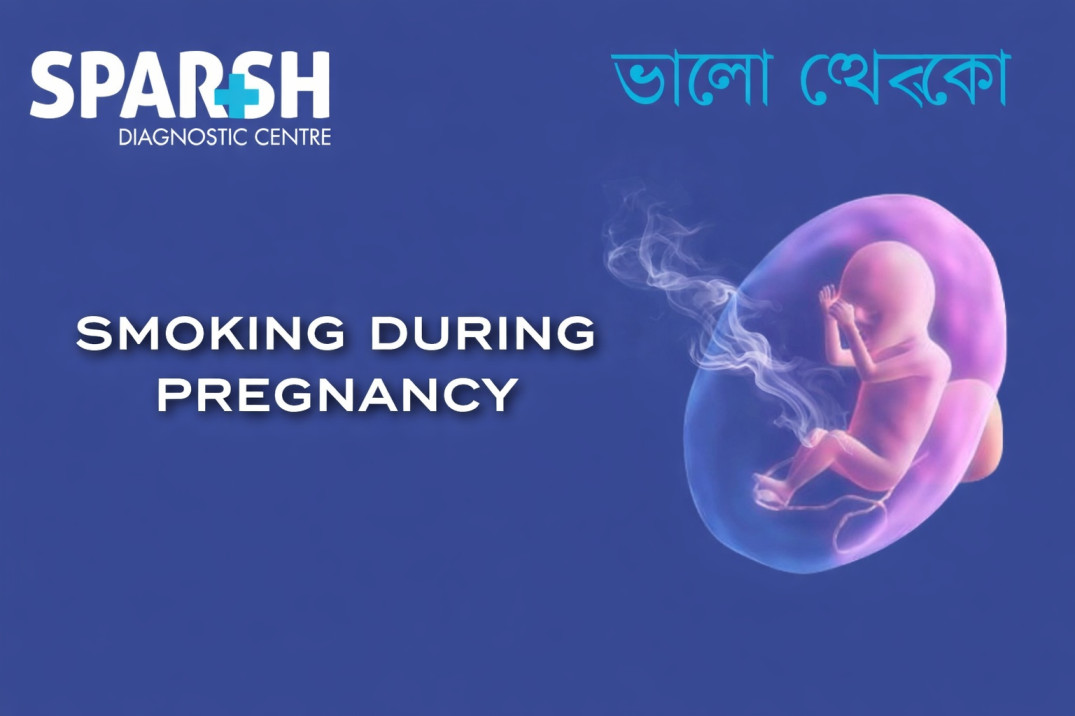
Pregnancy is a time when every decision you make can have a lasting impact on your baby’s health. While most people are aware that smoking is harmful, many underestimate just how serious the risks can be during pregnancy. Cigarettes contain thousands of chemicals, many of which can cross the placenta and directly affect a developing baby.
Smoking during pregnancy increases the risk of complications such as premature birth, low birth weight, birth defects, and even miscarriage. The good news, however, is that quitting at any stage of pregnancy can significantly improve outcomes for both mother and baby.
In this comprehensive guide, we’ll explore how smoking affects pregnancy, the risks involved, the impact on your baby’s development, and practical steps to help expectant mothers quit safely.
Why is Smoking During Pregnancy Dangerous
Cigarettes contain more than 7,000 chemicals, including nicotine, carbon monoxide, lead, and arsenic. When a pregnant woman smokes, these harmful substances enter her bloodstream and pass through the placenta to the baby.
Two chemicals are especially dangerous:
Nicotine: This addictive substance narrows blood vessels, reducing blood flow to the placenta and limiting the baby’s oxygen and nutrient supply.
Carbon monoxide: This toxic gas binds to red blood cells more easily than oxygen does, decreasing the amount of oxygen reaching the baby.
Because the fetus depends entirely on the mother for oxygen and nutrients, smoking essentially deprives the baby of what it needs for healthy growth and development.
How does Smoking Affect the Developing Baby
Smoking during pregnancy can interfere with nearly every stage of fetal development. From the early weeks of pregnancy to the final trimester, tobacco exposure can cause both short-term and lifelong health issues.
Reduced Oxygen Supply
One of the most immediate effects of smoking is reduced oxygen delivery to the fetus. Oxygen is essential for proper organ development, especially the brain and lungs. When oxygen levels drop, the baby may not grow at a normal rate.
Slower Growth in the Womb
Babies born to mothers who smoke are more likely to experience intrauterine growth restriction (IUGR). This means the baby grows more slowly than expected during pregnancy.
These babies often have:
Lower birth weight
Smaller head circumference
Underdeveloped organs
Low birth weight can lead to additional complications after birth, including breathing problems and difficulty maintaining body temperature.
Brain Development Problems
Nicotine exposure during pregnancy can affect brain development. Studies suggest that children exposed to tobacco in the womb may have a higher risk of:
Learning difficulties
Attention problems
Behavioral disorders
Reduced cognitive performance
These effects may become noticeable during early childhood or school years.
Pregnancy Complications Linked to Smoking
Smoking during pregnancy increases the likelihood of several serious pregnancy complications. Some of these conditions can threaten both the mother’s health and the baby’s survival.
Miscarriage
Smoking significantly raises the risk of miscarriage, especially in early pregnancy. The toxic chemicals in cigarettes can damage the placenta and disrupt fetal development.
Ectopic Pregnancy
Women who smoke are more likely to experience ectopic pregnancy, a condition where the fertilized egg implants outside the uterus, often in the fallopian tube. This condition is life-threatening and requires immediate medical treatment.
Placental Problems
Smoking increases the risk of dangerous placental conditions, including:
Placenta previa: The placenta covers the cervix, which can cause severe bleeding during pregnancy or delivery.
Placental abruption: The placenta separates from the uterine wall before delivery, cutting off oxygen and nutrients to the baby.
Both conditions can lead to premature birth or emergency cesarean delivery.
Premature Birth
Premature birth occurs when a baby is born before 37 weeks of pregnancy. Smoking significantly raises the risk of preterm labor.
Premature babies may face serious health issues such as:
Breathing difficulties
Feeding problems
Developmental delays
Increased risk of infection
Risk of Birth Defects
Smoking during pregnancy has been linked to several birth defects, particularly those affecting the baby’s mouth and face.
These include:
Cleft lip
Cleft palate
Heart defects
Abnormal lung development
These conditions may require surgery and long-term medical care after birth.
Increased Risk of Stillbirth
Stillbirth refers to the loss of a baby after 20 weeks of pregnancy. Smoking increases the risk of stillbirth by reducing oxygen levels and damaging the placenta.
Research suggests that women who smoke during pregnancy have a significantly higher chance of experiencing stillbirth compared with non-smokers.
Sudden Infant Death Syndrome (SIDS)
Smoking doesn’t just affect the baby during pregnancy—it can also increase health risks after birth.
Babies exposed to tobacco smoke before birth have a higher risk of Sudden Infant Death Syndrome (SIDS). This condition involves the unexplained death of a seemingly healthy baby during sleep.
Exposure to smoke after birth further increases this risk.
The Effects of Secondhand Smoke
Even if a pregnant woman does not smoke herself, exposure to secondhand smoke can still harm the baby.
Secondhand smoke contains many of the same toxic chemicals found in cigarette smoke. Pregnant women exposed to smoke from family members or coworkers may still face increased risks of:
Low birth weight
Premature birth
Developmental problems
Creating a smoke-free environment during pregnancy is therefore extremely important.
Is It Ever Too Late to Quit Smoking During Pregnancy?
Many pregnant women worry that quitting later in pregnancy won’t make a difference. In reality, stopping smoking at any stage can improve health outcomes.
Benefits of quitting include:
Improved oxygen supply to the baby
Reduced risk of premature birth
Lower chance of low birth weight
Better overall pregnancy health
Ideally, women should quit before becoming pregnant, but stopping even during the third trimester can still benefit the baby.
Tips for Quitting Smoking During Pregnancy
Quitting smoking can be challenging, especially during a stressful time like pregnancy. However, many strategies can help make the process easier and more successful.
Talk to Your Healthcare Provider
Your doctor can help you develop a safe quitting plan. They may recommend counseling, behavioral therapy, or other support programs designed specifically for pregnant women.
Identify Your Triggers
Many people smoke out of habit or in response to certain situations. Common triggers include:
Stress
Drinking coffee
Social situations
Feeling bored
Recognizing these triggers can help you find healthier alternatives.
Replace the Habit
Instead of smoking, try replacing the habit with healthier activities such as:
Taking short walks
Drinking water or herbal tea
Chewing sugar-free gum
Practicing deep breathing
These activities can reduce cravings and help you relax.
Seek Support
Support from family, friends, or support groups can make a big difference. Let your loved ones know you’re trying to quit and ask them to encourage you.
Online communities and pregnancy support groups can also provide motivation.
Consider Behavioral Therapy
Counseling or behavioral therapy can help address the psychological aspects of smoking addiction. Many healthcare providers offer specialized programs for pregnant women.
Are Nicotine Replacement Products Safe During Pregnancy?
Nicotine replacement therapies (NRT) such as patches, gum, or lozenges may sometimes be recommended if quitting without assistance proves difficult.
However, these products still contain nicotine. Because nicotine can affect fetal development, they should only be used under medical supervision.
Your doctor can help determine whether the benefits outweigh the risks in your situation.
Creating a Smoke-Free Home
Protecting your baby doesn’t stop at quitting smoking. Ensuring your home environment is smoke-free is equally important.
Consider these steps:
Ask family members not to smoke indoors
Avoid places where people smoke
Encourage partners to quit smoking as well
Keep your car smoke-free
A smoke-free environment reduces the risk of secondhand smoke exposure and promotes healthier habits for the entire family.
Long-Term Benefits of Quitting
Quitting smoking during pregnancy benefits both mother and baby far beyond childbirth.
Children born to mothers who quit smoking during pregnancy are more likely to:
Have healthier lungs
Maintain a healthy birth weight
Experience fewer respiratory illnesses
Develop normally
For mothers, quitting reduces the risk of long-term health problems such as heart disease, lung disease, and cancer.
Frequently Asked Questions (FAQ)
1. How does smoking affect a baby during pregnancy?
Smoking reduces oxygen and nutrient supply to the fetus. This can lead to low birth weight, premature birth, birth defects, and developmental problems.
2. Can smoking cause miscarriage?
Yes. Smoking increases the risk of miscarriage, particularly during early pregnancy. The harmful chemicals in cigarettes can damage the placenta and disrupt fetal development.
3. Is it safe to smoke occasionally during pregnancy?
No amount of smoking is considered safe during pregnancy. Even occasional smoking can reduce oxygen levels and increase the risk of complications.
4. Does secondhand smoke affect pregnancy?
Yes. Exposure to secondhand smoke can increase the risk of low birth weight, premature birth, and other pregnancy complications.
5. What happens if I quit smoking while pregnant?
Quitting smoking improves oxygen supply to the baby and reduces the risk of complications such as premature birth and low birth weight. The earlier you quit, the greater the benefits.
6. Are e-cigarettes safer during pregnancy?
E-cigarettes still contain nicotine and other chemicals that may harm fetal development. They are not considered a safe alternative during pregnancy.
7. Can smoking cause birth defects?
Yes. Smoking has been linked to birth defects such as cleft lip, cleft palate, and heart defects.
8. When should I quit smoking if I’m planning to get pregnant?
Ideally, you should quit smoking before becoming pregnant. However, quitting at any stage during pregnancy can still improve outcomes for your baby.
Smoking during pregnancy poses serious risks to both mother and baby. From miscarriage and premature birth to lifelong developmental problems, the effects of tobacco exposure can be significant.
The encouraging news is that quitting smoking—at any point during pregnancy—can greatly improve the health and well-being of your baby. With the right support, resources, and determination, many expectant mothers successfully break the habit.
If you’re pregnant and struggling to quit smoking, speak with your healthcare provider. They can guide you toward safe and effective strategies that protect both your health and your baby’s future.
To consult a Gynecologist/Pediatrician at Sparsh Diagnostic Centre, call our helpline numbers 9830117733/ 8335049501.
#BhaloTheko
Disclaimer:
No content on this site, regardless of date, should ever be used as a substitute for direct medical advice from your doctor or other qualified clinician.