

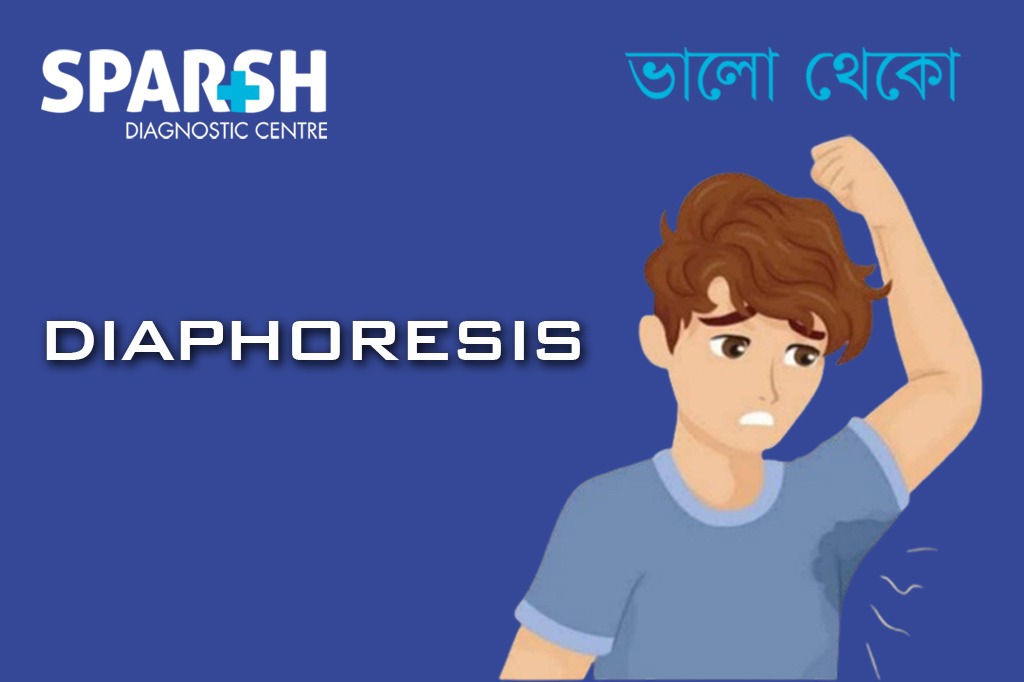
Sweating is a natural and essential bodily function that helps regulate body temperature. However, when sweating becomes excessive, unexpected, or occurs without obvious triggers like heat or exercise, it may signal an underlying medical issue. This condition is known as diaphoresis.
Diaphoresis refers to abnormal or excessive sweating that goes beyond the body’s normal need for temperature control. It can occur suddenly, affect the entire body or specific areas, and is often associated with medical conditions ranging from infections and metabolic disorders to heart disease and anxiety.
Understanding diaphoresis is important because, in some cases, it may be an early warning sign of a serious health problem. This article explores what diaphoresis is, its causes, symptoms, diagnosis, treatment options, and when to seek medical care.
What Is Diaphoresis?
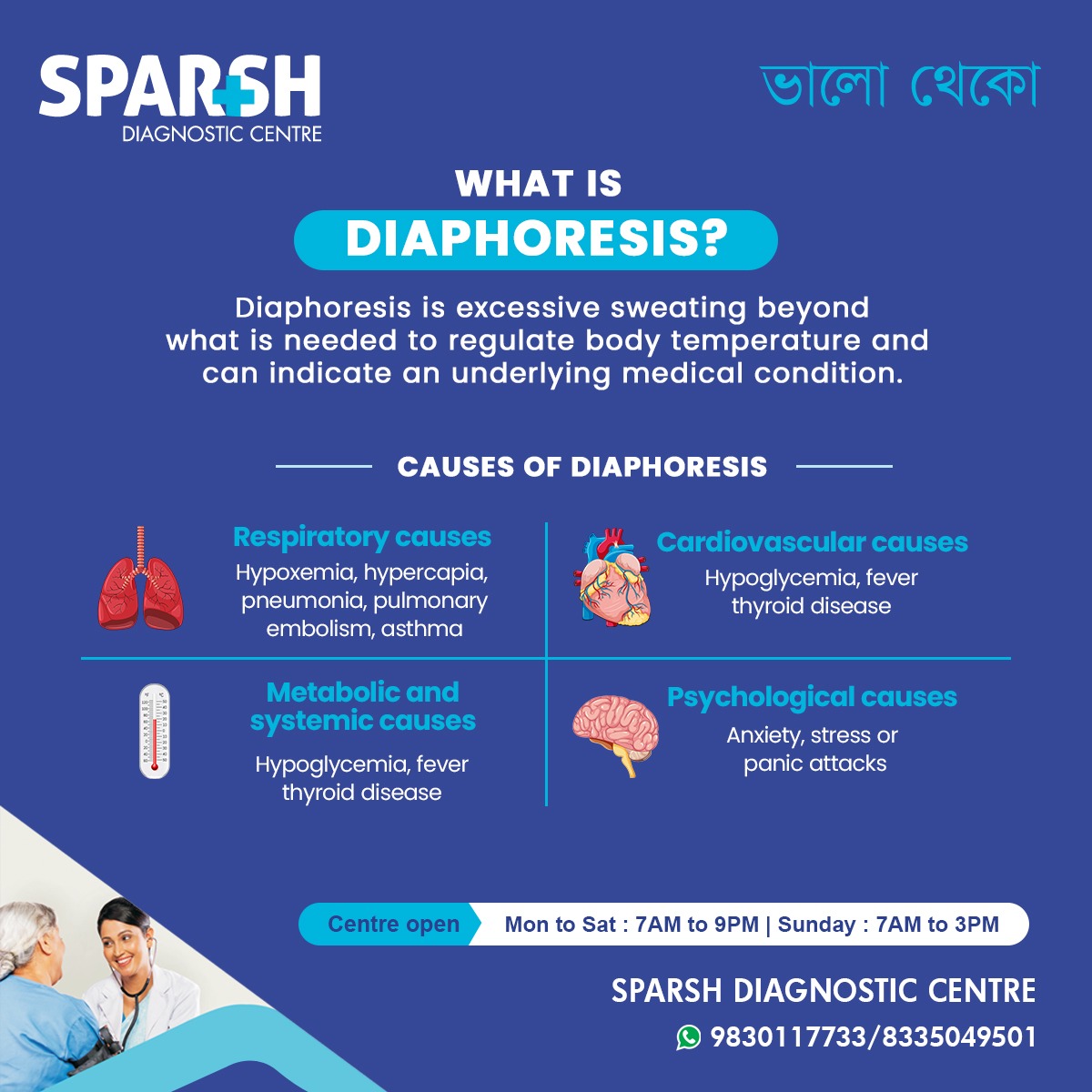
Diaphoresis is the medical term for excessive sweating that is not necessarily related to physical activity, environmental heat, or normal physiological responses. Unlike typical sweating, diaphoresis often occurs unexpectedly, may be profuse, and can happen even in cool environments.
It is usually a symptom rather than a disease itself, indicating that the body is responding to stress, illness, hormonal changes, or dysfunction in the nervous or endocrine systems.
Diaphoresis can affect:
The entire body (generalized diaphoresis)
Specific areas such as the palms, soles, face, or underarms (localized diaphoresis)
Diaphoresis vs Normal Sweating
| Normal Sweating | Diaphoresis |
|---|---|
| Triggered by heat or exercise | Occurs without obvious triggers |
| Stops once body cools down | May persist or recur suddenly |
| Mild to moderate | Often heavy or drenching |
| Physiological | Usually linked to illness or stress |
Types of Diaphoresis
1. Primary Diaphoresis
Occurs without an identifiable medical cause
Often localized (hands, feet, armpits)
May be linked to overactive sweat glands or genetics
2. Secondary Diaphoresis
Caused by an underlying medical condition
Usually generalized
More concerning and requires evaluation
Common Causes of Diaphoresis
Diaphoresis can arise from multiple body systems. Identifying the cause is essential for proper treatment.
1. Metabolic and Endocrine Causes
These are among the most common causes of excessive sweating.
Hypoglycemia (Low blood sugar)
Common in people with diabetes, especially those on insulin or oral hypoglycemic drugs. Sweating is often accompanied by tremors, dizziness, and confusion.Hyperthyroidism
Excess thyroid hormone increases metabolism, leading to heat intolerance and excessive sweating.Menopause
Hormonal fluctuations cause hot flashes and night sweats.Pheochromocytoma
A rare adrenal tumour that releases excess adrenaline, causing sweating, palpitations, and high blood pressure.
2. Cardiovascular Causes
Sudden sweating may indicate a cardiac emergency.
Heart attack (Myocardial infarction)
Profuse, cold sweating associated with chest pain, nausea, or shortness of breath is a medical emergency.Shock or hypotension
Reduced blood flow triggers sweating as a stress response.
3. Respiratory Causes
Low oxygen levels stimulate the sympathetic nervous system, leading to sweating.
4. Infections
Fever often causes sweating as the body tries to cool down.
Viral or bacterial infections
Night sweats are particularly concerning for chronic infections.
5. Neurological Causes
The autonomic nervous system controls sweating.
Spinal cord injuries
6. Psychological Causes
Mental health conditions can activate the body’s stress response.
Sweating is often accompanied by palpitations, shortness of breath, and restlessness.
7. Medication-Induced Diaphoresis
Certain medications may trigger excessive sweating:
Antidepressants (SSRIs, TCAs)
Antipyretics
Opioids
Hormonal therapies
Diabetes medications
Symptoms Associated With Diaphoresis
Diaphoresis may occur alone or with other symptoms depending on the cause.
Common accompanying symptoms include:
Palpitations
Fever or chills
Dizziness or fainting
Anxiety or panic
Unintentional weight loss
When Is Diaphoresis a Medical Emergency?
Seek immediate medical attention if excessive sweating is accompanied by:
Chest pain
Sudden breathlessness
Confusion
Severe weakness
Loss of consciousness
These may indicate heart attack, shock, or severe infection.
How Is Diaphoresis Diagnosed?
Diagnosis focuses on identifying the underlying cause rather than the sweating itself.
Medical History and Physical Examination
Doctors will ask about:
Onset and duration
Triggers
Associated symptoms
Medication history
Family history
Diagnostic Tests May Include
Blood sugar tests
Electrolyte panel
Hormonal assays
Diagnostic centres play a crucial role in identifying systemic causes through accurate testing.
Treatment of Diaphoresis
Treatment depends entirely on the underlying cause.
1. Treating the Root Cause
Managing diabetes to prevent hypoglycaemia
Treating infections with antibiotics or antivirals
Correcting thyroid disorders
Cardiac care for heart-related causes
2. Symptomatic Management
For persistent sweating:
Clinical-strength antiperspirants
Lifestyle modifications
Stress management techniques
3. Medications
Anticholinergic drugs (in selected cases)
Beta-blockers for anxiety-related symptoms
Hormonal therapy for menopause (under supervision)
4. Lifestyle and Home Measures
Wear breathable clothing
Avoid caffeine and spicy foods
Stay hydrated
Maintain optimal room temperature
Practice relaxation techniques
Can Diaphoresis Be Prevented?
Not all cases are preventable, but risks can be reduced by:
Managing chronic conditions
Adhering to prescribed medications
Regular health check-ups
Early evaluation of unexplained sweating
Importance of Early Diagnosis
Diaphoresis may appear harmless but can sometimes be the earliest symptom of a serious disease. Timely diagnosis improves outcomes, especially in conditions like heart disease, infections, and endocrine disorders.
Diagnostic centres equipped with modern testing facilities play a vital role in early detection and accurate diagnosis.
Frequently Asked Questions (FAQ)
1. What is diaphoresis in medical terms?
Diaphoresis refers to excessive sweating that occurs beyond normal temperature regulation, often due to an underlying medical condition.
2. Is it dangerous?
Diaphoresis itself is not dangerous, but it may indicate serious conditions such as heart attack, infection, or metabolic disorders.
3. Can anxiety cause diaphoresis?
Yes, anxiety and panic attacks can trigger excessive sweating due to activation of the sympathetic nervous system.
4. What causes sudden cold sweating?
Sudden cold sweating may be caused by hypoglycemia, heart attack, shock, or severe stress and requires prompt medical evaluation.
5. How is it treated?
Treatment focuses on addressing the underlying cause. Once the primary condition is treated, sweating usually improves.
6. Are night sweats the same as diaphoresis?
Night sweats are a form of diaphoresis that occurs during sleep and may indicate infections, hormonal changes, or malignancy.
7. When should I see a doctor for excessive sweating?
If sweating is sudden, unexplained, persistent, or associated with other symptoms like chest pain or fever, medical attention is advised.
Diaphoresis is more than just excessive sweating—it is often a signal from the body that something is wrong. While it can be triggered by stress or hormonal changes, it may also point to serious medical conditions requiring prompt diagnosis and treatment.
Recognising the warning signs and seeking timely medical evaluation can make a significant difference in outcomes. If you or a loved one experiences unexplained excessive sweating, consulting a healthcare provider and undergoing appropriate diagnostic tests is essential.
#BhaloTheko
Disclaimer:
No content on this site, regardless of date, should ever be used as a substitute for direct medical advice from your doctor or other qualified clinician.
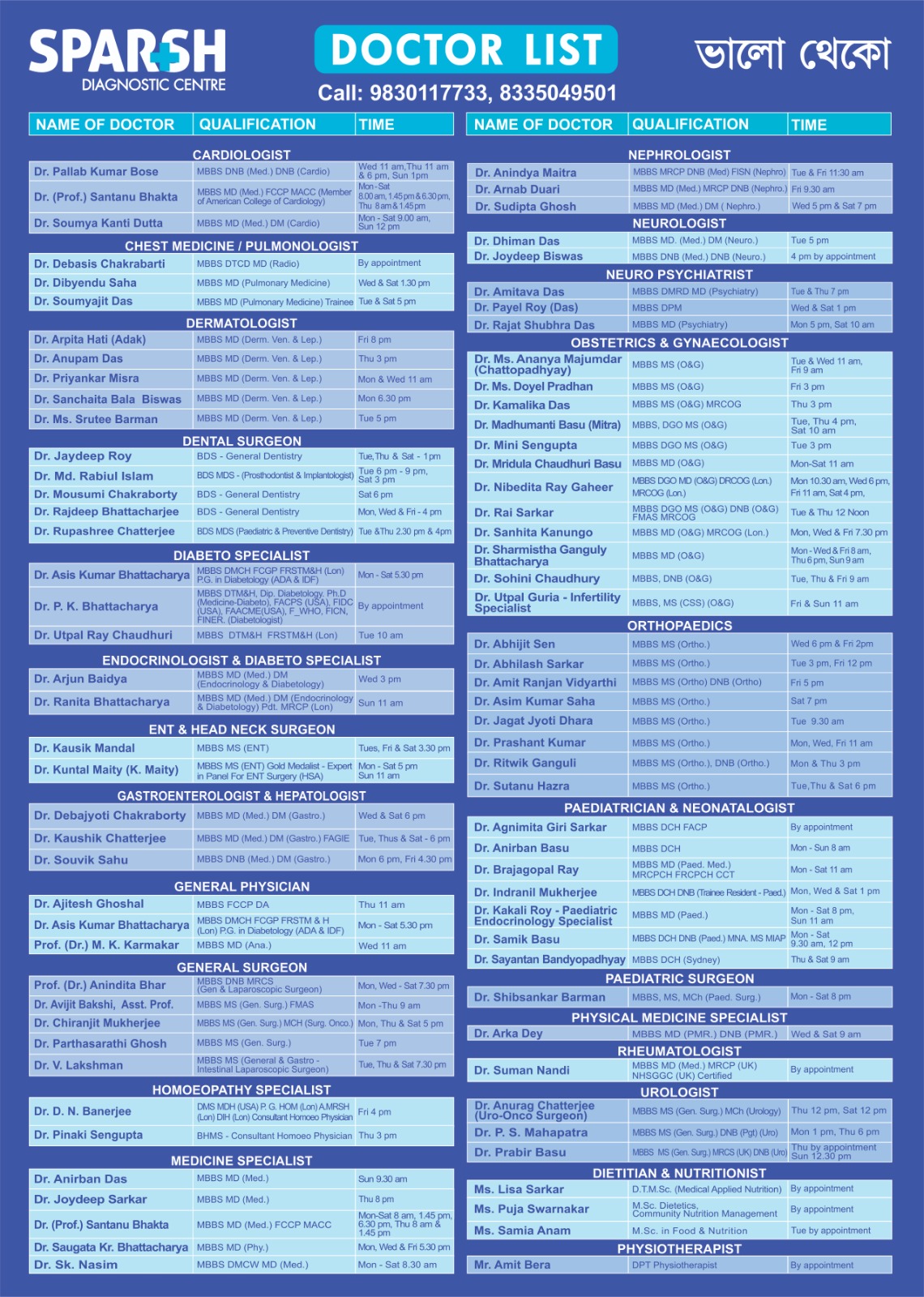
Sparsh Diagnostic Centre Doctor List




[…] are a variety of conditions, both physical and psychological, that can result in diaphoresis. Here are some of the most common […]