


Short Bowel Syndrome (SBS) is a rare but serious digestive disorder that occurs when a significant portion of the small intestine is missing, damaged, or surgically removed. The small intestine plays a crucial role in absorbing nutrients, fluids, vitamins, and minerals from food. When its length or function is reduced, the body struggles to absorb what it needs to stay healthy.
People with Short Bowel Syndrome often experience chronic diarrhea, dehydration, weight loss, and nutritional deficiencies. The severity of symptoms varies widely and depends on how much intestine remains, which section is affected, and how well the remaining bowel adapts over time.
Early diagnosis, proper nutritional support, and long-term medical care can significantly improve quality of life for individuals living with Short Bowel Syndrome.
What Is Short Bowel Syndrome?
Short Bowel Syndrome is a malabsorption disorder that occurs when the small intestine is too short to absorb sufficient nutrients and fluids. In adults, it most commonly develops after surgical removal of the intestine, while in infants and children it may be present from birth or occur due to intestinal disease.
The normal small intestine is about 6 meters (20 feet) long. People with SBS may have less than 2 meters of functional intestine remaining, which leads to impaired digestion and absorption.
Causes of Short Bowel Syndrome
Short Bowel Syndrome usually results from conditions that damage or require removal of the small intestine.
Common Causes in Adults
Surgical removal due to:
Intestinal ischemia (reduced blood flow)
Trauma or injury
Cancer of the intestine
Radiation injury to the bowel
Volvulus (twisting of the intestine)
Causes in Infants and Children
Congenital short bowel (born with a short intestine)
Intestinal atresia
Gastroschisis or other birth defects
Symptoms of Short Bowel Syndrome
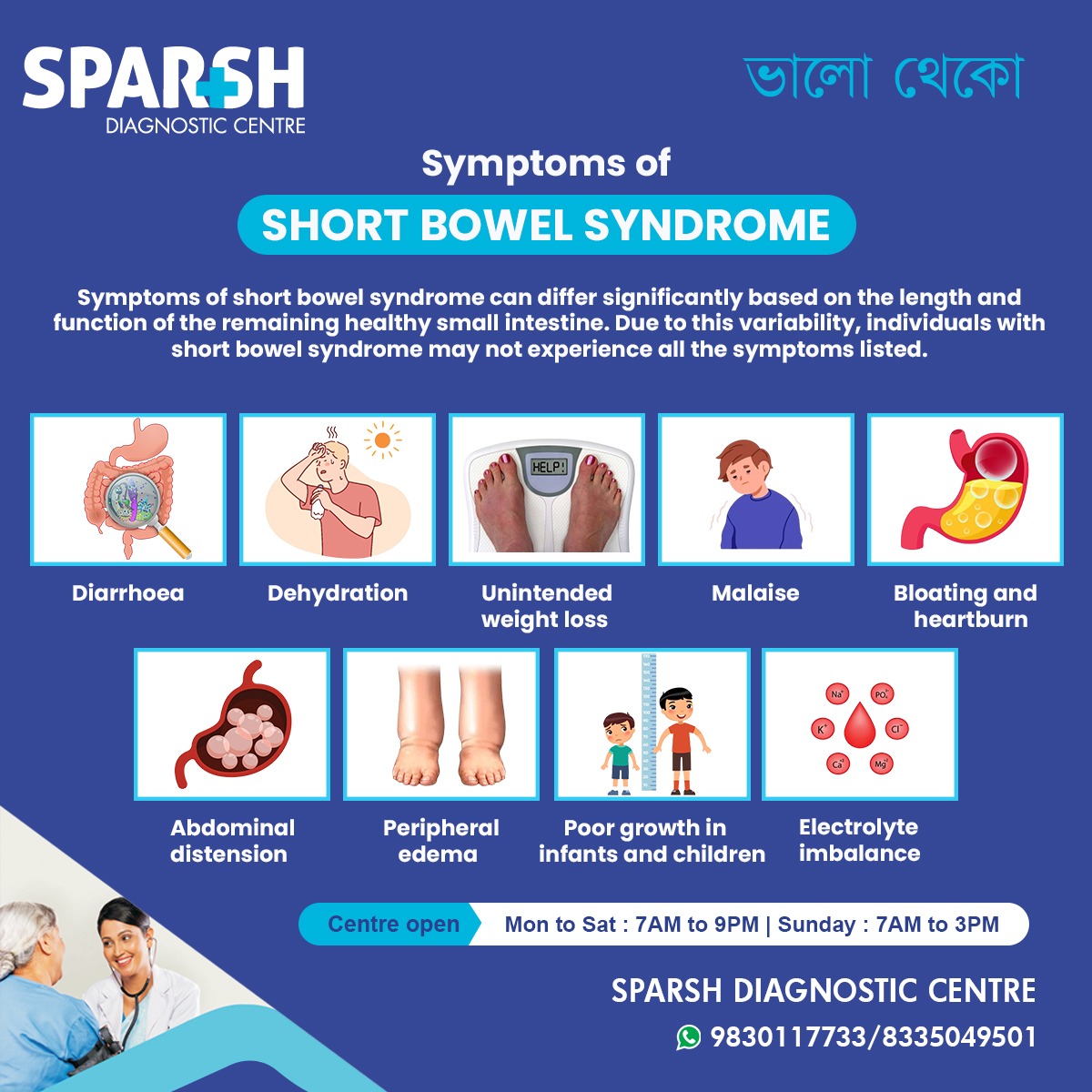
Symptoms of Short Bowel Syndrome can vary significantly based on the length and function of the remaining intestine. Not all individuals experience every symptom.
Common Symptoms
1. Chronic Diarrhea
Frequent, loose, watery stools are one of the most common symptoms due to poor absorption of fluids and nutrients.
2. Dehydration
Excessive fluid loss through stools can lead to dehydration, causing dizziness, dry mouth, fatigue, and reduced urine output.
3. Unintended Weight Loss
Malabsorption of calories and nutrients often results in weight loss despite normal or increased food intake.
4. Malaise and Fatigue
Persistent tiredness and weakness occur due to poor nutrition and electrolyte imbalances.
5. Bloating and Heartburn
Gas, abdominal discomfort, acid reflux, and heartburn are common digestive complaints.
6. Abdominal Distension
Swelling or bloating of the abdomen may occur due to gas buildup and altered digestion.
7. Peripheral Edema
Swelling of the legs, ankles, or feet can result from protein deficiency and fluid imbalance.
8. Poor Growth in Infants and Children
Children with SBS may show delayed growth, poor weight gain, and developmental delays.
9. Electrolyte Imbalance
Loss of sodium, potassium, calcium, and magnesium can lead to muscle cramps, irregular heartbeat, and weakness.
How Is Short Bowel Syndrome Diagnosed?
Diagnosis involves a combination of clinical history, imaging studies, and laboratory tests.
Diagnostic Methods
Medical History & Physical Examination
Blood Tests to assess:
Electrolyte levels
Vitamin and mineral deficiencies
Kidney and liver function
Stool Tests to evaluate fat and nutrient loss
Imaging Tests:
Early diagnosis is essential to prevent complications and initiate appropriate nutritional support.
Treatment Options for Short Bowel Syndrome
Treatment focuses on improving nutrient absorption, managing symptoms, and preventing complications.
1. Nutritional Support
Enteral Nutrition
Specially formulated liquid diets
Small, frequent meals
High-protein, low-fat diets depending on individual needs
Parenteral Nutrition (IV Nutrition)
Used when oral intake is insufficient
Provides essential nutrients directly into the bloodstream
May be temporary or long-term in severe cases
2. Medications
Antidiarrheal agents to slow bowel movements
Acid-reducing medications (PPIs, H2 blockers)
Bile acid binders
Growth factors (such as teduglutide) to enhance intestinal adaptation
Electrolyte supplements
3. Dietary Modifications
Eat small, frequent meals
Limit simple sugars
Include complex carbohydrates
Adequate hydration with oral rehydration solutions
Avoid foods that worsen diarrhea
Diet plans should always be personalised by a healthcare professional.
4. Surgical Options
In selected cases:
Intestinal lengthening procedures
Bowel transplantation (rare, severe cases only)
Living With Short Bowel Syndrome
Living with SBS requires long-term medical follow-up and lifestyle adjustments. Many patients experience improvement over time as the remaining intestine adapts and becomes more efficient at absorption—a process known as intestinal adaptation.
Tips for Managing Daily Life
Regular monitoring of nutrition and hydration
Strict adherence to dietary recommendations
Routine blood tests
Early management of infections or dehydration
Psychological support when needed
With proper care, many individuals can lead active and fulfilling lives.
Possible Complications
If not managed properly, Short Bowel Syndrome may lead to:
Liver disease (especially with long-term parenteral nutrition)
Early and continuous medical care greatly reduces these risks.
Prevention
While SBS cannot always be prevented, early treatment of intestinal diseases, careful surgical planning, and prompt management of bowel injuries can reduce the risk of extensive intestinal loss.
Frequently Asked Questions (FAQs)
1. Is Short Bowel Syndrome a permanent condition?
Short Bowel Syndrome is usually a long-term condition, but symptoms may improve over time as the intestine adapts.
2. Can people with Short Bowel Syndrome eat normally?
Many patients can eat orally with dietary adjustments, though some may require supplemental nutrition.
3. Is Short Bowel Syndrome life-threatening?
It can be serious if untreated, but with proper medical care, most people can manage the condition effectively.
4. How long does intestinal adaptation take?
Adaptation may take months to years and varies from person to person.
5. Can children with Short Bowel Syndrome grow normally?
With early diagnosis and appropriate nutritional support, many children can achieve near-normal growth.
6. Does Short Bowel Syndrome require lifelong treatment?
Some individuals need long-term dietary management and monitoring, while others improve significantly over time.
7. When should I see a doctor?
Seek medical attention if you experience persistent diarrhoea, unexplained weight loss, dehydration, or nutritional deficiencies.
Short Bowel Syndrome is a complex digestive condition that affects nutrient absorption and overall health. While it can be challenging, advances in nutritional therapy, medications, and surgical techniques have greatly improved outcomes. Early diagnosis, personalised treatment, and regular follow-up are key to managing the condition effectively.
If you or a loved one experience symptoms suggestive of Short Bowel Syndrome, consult a healthcare professional or diagnostic centre for timely evaluation and care.
To consult a Gastroenterologist at Sparsh Diagnostic Centre, call our helpline number 9830117733.
#BhaloTheko
Disclaimer:
No content on this site, regardless of date, should ever be used as a substitute for direct medical advice from your doctor or other qualified clinician.
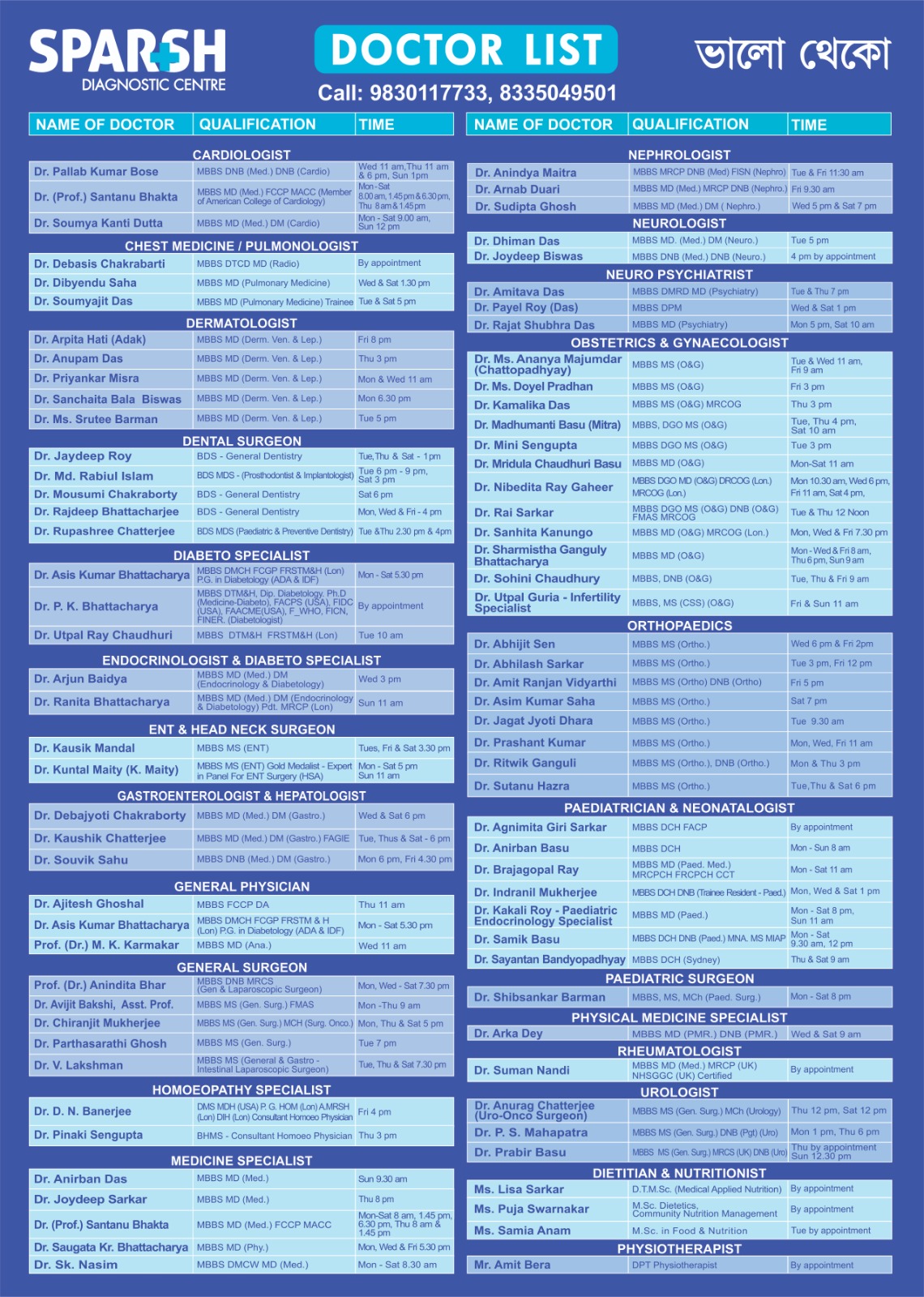
Sparsh Diagnostic Centre Doctor List


[…] (GI) pathology: Conditions like chronic pseudo-obstruction and short bowel syndrome slow digestion, allowing food to stagnate and […]