Every year on 25th May, people around the world observe World Thyroid Day to raise awareness about thyroid health, early diagnosis, and the importance of proper treatment. Although the thyroid gland is small, it plays a massive role in maintaining overall health. From metabolism and energy levels to mood, weight, heart rate, and body temperature, the thyroid influences nearly every organ in the body.
Unfortunately, thyroid disorders are extremely common and often go unnoticed because their symptoms can be mistaken for stress, aging, or lifestyle changes. Millions of people live with undiagnosed thyroid conditions, which is why awareness campaigns like World Thyroid Day are so important.
This article explores the significance of World Thyroid Day, common thyroid disorders, symptoms, causes, treatment options, prevention tips, and the role of nutrition in maintaining a healthy thyroid.
What Is World Thyroid Day?
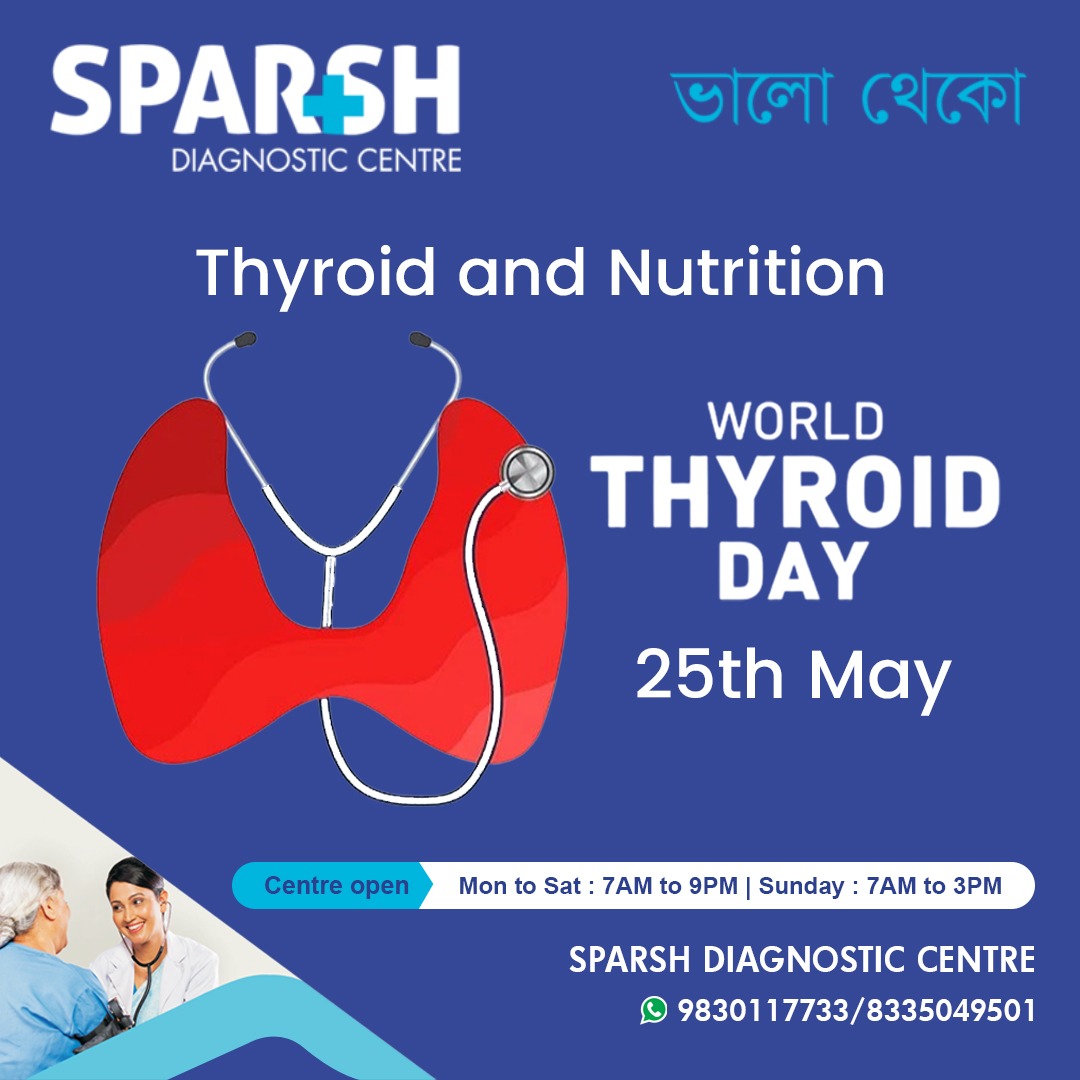
World Thyroid Day is observed annually on 25th May to educate people about thyroid diseases and encourage early screening and treatment. The day was established by international thyroid associations to increase public understanding of thyroid disorders and support patients worldwide.
The awareness campaign focuses on:
- Early detection of thyroid diseases
- Importance of regular thyroid testing
- Access to proper treatment
- Lifestyle and nutrition awareness
- Reducing myths and stigma related to thyroid disorders
Understanding the Thyroid Gland
The thyroid is a butterfly-shaped gland located at the front of the neck. It produces hormones that regulate the body’s metabolism and energy usage.
The two primary hormones produced by the thyroid are:
These hormones help control:
- Heart rate
- Body temperature
- Digestion
- Muscle strength
- Brain function
- Menstrual cycles
- Cholesterol levels
- Weight management
The thyroid works closely with the pituitary gland and hypothalamus in the brain to maintain hormonal balance.
Why is Thyroid Health Important
A healthy thyroid is essential for maintaining physical and mental well-being. Even a slight imbalance in thyroid hormone production can affect multiple systems in the body.
Untreated thyroid disorders may lead to:
- Fatigue and weakness
- Weight fluctuations
- Depression and anxiety
- Infertility
- Heart complications
- Osteoporosis
- Pregnancy-related complications
Early diagnosis and proper treatment can significantly improve quality of life and prevent long-term complications.
Common Thyroid Disorders
Hypothyroidism
Hypothyroidism occurs when the thyroid gland does not produce enough hormones. It is one of the most common thyroid disorders, especially among women.
Symptoms of Hypothyroidism
- Constant tiredness
- Weight gain
- Dry skin
- Hair thinning
- Constipation
- Depression
- Sensitivity to cold
- Puffy face
- Slow heart rate
- Memory problems
Causes of Hypothyroidism
- Autoimmune disease (Hashimoto’s thyroiditis)
- Iodine deficiency
- Thyroid surgery
- Radiation therapy
- Certain medications
- Congenital thyroid disorders
Hyperthyroidism
Hyperthyroidism occurs when the thyroid gland becomes overactive and produces excess hormones.
Symptoms of Hyperthyroidism
- Unexplained weight loss
- Rapid heartbeat
- Anxiety and irritability
- Tremors
- Excessive sweating
- Difficulty sleeping
- Frequent bowel movements
- Muscle weakness
Causes of Hyperthyroidism
- Graves’ disease
- Thyroid nodules
- Excess iodine intake
- Thyroid inflammation
Thyroid Nodules
Thyroid nodules are abnormal lumps within the thyroid gland. Most nodules are non-cancerous, but some may require further evaluation.
Symptoms may include:
- Swelling in the neck
- Difficulty swallowing
- Hoarseness
- Breathing problems
Doctors may recommend ultrasound imaging, thyroid function tests, or a biopsy for diagnosis.
Thyroid Cancer
Although relatively uncommon, thyroid cancer is one of the fastest-growing cancer diagnoses worldwide. Fortunately, it is often highly treatable when detected early.
Warning Signs of Thyroid Cancer
- Lump in the neck
- Persistent hoarseness
- Difficulty swallowing
- Enlarged lymph nodes
- Neck pain
Regular screening and medical evaluation are important if symptoms persist.
Who Is at Risk of Thyroid Disorders?
Anyone can develop thyroid disease, but certain factors increase the risk.
Risk Factors Include:
- Family history of thyroid disease
- Female gender
- Pregnancy and menopause
- Autoimmune disorders
- Iodine deficiency
- Radiation exposure
- Age above 60 years
- Diabetes
Women are significantly more likely than men to develop thyroid disorders.
Thyroid Disorders During Pregnancy
Proper thyroid function is essential during pregnancy because thyroid hormones support the baby’s brain development and overall growth.
Untreated thyroid problems during pregnancy may increase the risk of:
- Miscarriage
- Premature birth
- High blood pressure
- Developmental problems in the baby
Pregnant women with thyroid symptoms or a family history of thyroid disease should discuss screening with their doctor.
The Role of Nutrition in Thyroid Health
Nutrition plays an important role in maintaining thyroid function. Certain nutrients help the thyroid produce hormones efficiently.
Iodine
Iodine is essential for thyroid hormone production. A deficiency can lead to hypothyroidism and goitre.
Sources of Iodine
- Iodized salt
- Seafood
- Dairy products
- Eggs
Selenium
Selenium helps protect the thyroid gland from oxidative stress and supports hormone metabolism.
Sources of Selenium
- Brazil nuts
- Tuna
- Sunflower seeds
- Eggs
Zinc
Zinc contributes to healthy thyroid hormone production.
Zinc-Rich Foods
- Meat
- Legumes
- Nuts
- Whole grains
Iron
Low iron levels may affect thyroid function, especially in women.
Iron Sources
- Spinach
- Red meat
- Lentils
- Beans
Foods to Eat for a Healthy Thyroid
A balanced diet can support thyroid health and improve overall well-being.
Thyroid-Friendly Foods
- Fresh fruits and vegetables
- Whole grains
- Lean protein
- Fish rich in omega-3 fatty acids
- Nuts and seeds
- Yogurt and dairy products
Hydration and regular meal timing also support hormonal balance.
Foods to Limit
Certain foods may interfere with thyroid function when consumed excessively.
Foods to Consume in Moderation
- Highly processed foods
- Sugary beverages
- Excess soy products
- Fried foods
- Excessive caffeine
- Alcohol
People with thyroid disease should follow individualized dietary advice from healthcare professionals.
Can Lifestyle Affect Thyroid Health?
Yes, lifestyle habits can influence thyroid function and symptom management.
Healthy Habits for Thyroid Wellness
- Exercise regularly
- Manage stress levels
- Sleep adequately
- Avoid smoking
- Maintain a healthy weight
- Attend regular medical check-ups
Chronic stress can affect hormone regulation and worsen thyroid symptoms.
Importance of Early Diagnosis
Many thyroid disorders develop slowly, making symptoms easy to overlook. Early diagnosis can prevent complications and improve treatment outcomes.
Common Thyroid Tests
TSH Test
The Thyroid Stimulating Hormone (TSH) test is the most common screening test for thyroid function.
Additional Tests May Include:
- T3 and T4 levels
- Thyroid antibody tests
- Ultrasound imaging
- Thyroid scan
- Fine needle aspiration biopsy
Routine screening may be recommended for high-risk individuals.
Treatment Options for Thyroid Disorders
Treatment depends on the type and severity of the condition.
Treatment for Hypothyroidism
The standard treatment is thyroid hormone replacement medication, usually levothyroxine.
Treatment for Hyperthyroidism
Treatment may include:
- Anti-thyroid medications
- Radioactive iodine therapy
- Beta blockers
- Surgery in severe cases
Treatment for Thyroid Cancer
Options may include:
- Surgery
- Radioactive iodine treatment
- Hormone therapy
- Targeted therapies
Most thyroid conditions can be managed effectively with proper medical care.
Common Myths About Thyroid Disorders
Myth 1: Thyroid Disease Only Affects Women
While women are more commonly affected, men can also develop thyroid disorders.
Myth 2: Weight Gain Always Means Thyroid Problems
Weight gain may have multiple causes. Proper testing is necessary for diagnosis.
Myth 3: Thyroid Disorders Can Be Cured with Diet Alone
Nutrition supports thyroid health, but medical treatment is often necessary.
Myth 4: Thyroid Medication Can Be Stopped Once Symptoms Improve
Stopping medication without medical guidance can lead to complications.
How World Thyroid Day Creates Awareness
World Thyroid Day encourages people to pay attention to symptoms they might otherwise ignore. It also helps reduce misinformation surrounding thyroid disorders.
Awareness campaigns often promote:
- Community thyroid screenings
- Educational workshops
- Social media awareness drives
- Nutritional guidance
- Patient support programs
These initiatives encourage people to seek timely medical advice and adopt healthier lifestyles.
Tips to Support Thyroid Health
Here are some practical ways to take care of your thyroid:
- Eat a balanced diet rich in iodine and selenium
- Exercise regularly
- Manage stress effectively
- Get enough sleep
- Avoid self-medication
- Schedule regular health check-ups
- Follow prescribed thyroid treatment consistently
Small lifestyle changes can make a meaningful difference in thyroid management.
When Should You See a Doctor?
Consult a healthcare professional if you experience symptoms such as:
- Persistent fatigue
- Sudden weight changes
- Hair loss
- Neck swelling
- Anxiety or depression
- Irregular heartbeat
- Difficulty swallowing
Early medical evaluation helps identify thyroid problems before complications develop.
The Growing Burden of Thyroid Disorders
Thyroid disorders are becoming increasingly common worldwide. Sedentary lifestyles, stress, nutritional deficiencies, and environmental factors may contribute to the rising number of cases.
In countries like India, thyroid disorders affect millions of people, particularly women. Increased awareness and access to diagnostic testing are essential for improving public health outcomes.
World Thyroid Day serves as an important reminder that thyroid health should never be ignored. Despite being a small gland, the thyroid has a powerful impact on energy levels, metabolism, mood, heart health, and overall well-being.
Recognizing symptoms early, maintaining a healthy lifestyle, and undergoing regular screenings can help detect thyroid disorders before they lead to serious complications. Whether it is hypothyroidism, hyperthyroidism, thyroid nodules, or thyroid cancer, timely treatment can significantly improve quality of life.
Awareness is the first step toward prevention and better management. This World Thyroid Day, take a moment to prioritize your thyroid health and encourage your loved ones to do the same.
Frequently Asked Questions (FAQs)
What is World Thyroid Day?
World Thyroid Day is observed on 25th May every year to spread awareness about thyroid disorders, early diagnosis, and treatment options.
What are the early signs of thyroid problems?
Early symptoms may include fatigue, weight changes, mood swings, hair loss, irregular heartbeat, and changes in body temperature tolerance.
Who is most likely to develop thyroid disease?
Women, older adults, people with autoimmune diseases, and individuals with a family history of thyroid disorders are at higher risk.
Can thyroid disorders be cured?
Some thyroid conditions can be managed effectively with medication and lifestyle changes. Treatment depends on the specific disorder.
Is thyroid disease hereditary?
Yes, genetics can increase the risk of developing thyroid disorders.
What foods are good for thyroid health?
Foods rich in iodine, selenium, zinc, and iron such as seafood, eggs, nuts, dairy products, and whole grains support thyroid function.
Can stress affect the thyroid?
Chronic stress may disrupt hormone balance and worsen thyroid symptoms in some individuals.
How is hypothyroidism treated?
Hypothyroidism is commonly treated with thyroid hormone replacement medication prescribed by a doctor.
Is thyroid testing necessary even without symptoms?
People with risk factors such as family history or autoimmune conditions may benefit from routine screening even if symptoms are absent.
Can thyroid problems cause infertility?
Yes, untreated thyroid disorders may affect fertility in both men and women.
To consult a Doctor at Sparsh Diagnostic Centre, call our helpline numbers 9830117733/ 8335049501.
#BhaloTheko
Disclaimer:
No content on this site, regardless of date, should ever be used as a substitute for direct medical advice from your doctor or other qualified clinician.