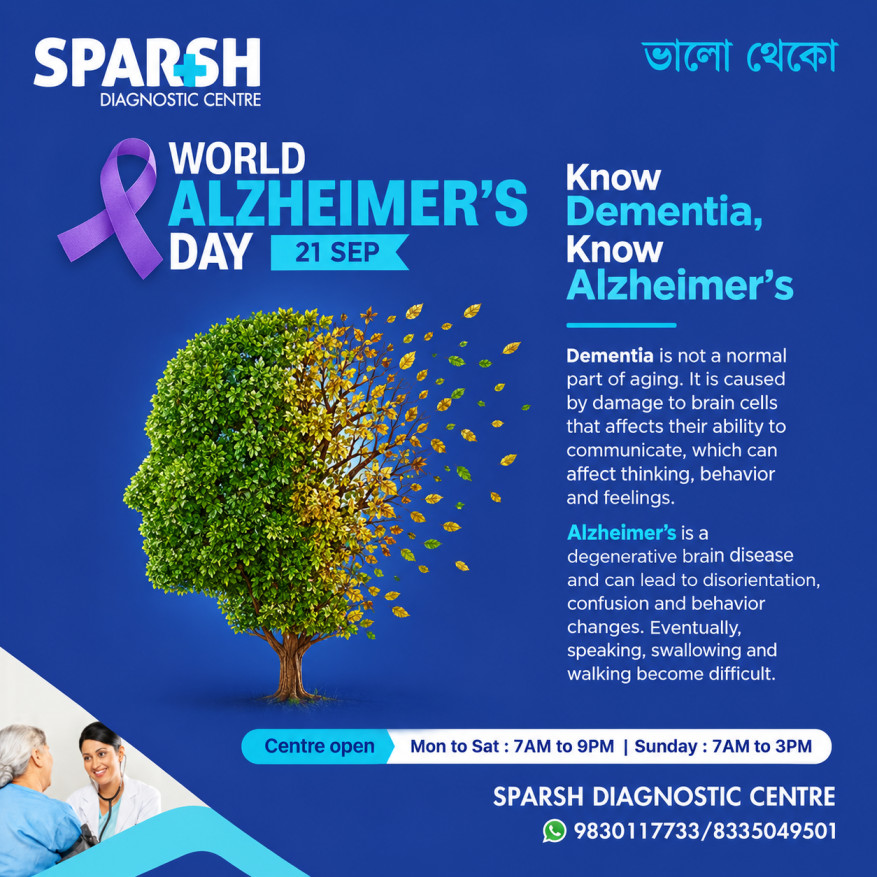
Every year, World Alzheimer’s Day is observed on 21 September to raise awareness about Alzheimer’s disease and other forms of dementia. The day is about much more than remembering a date on the health calendar. It is an opportunity to talk openly about memory loss, challenge misconceptions, encourage timely medical evaluation, and remind families that people living with dementia deserve patience, dignity and support.
September is observed internationally as World Alzheimer’s Month, while 21 September is specifically recognised as World Alzheimer’s Day. Alzheimer’s Disease International (ADI) coordinates the global campaign, and the day has been observed since 1994, when ADI and the World Health Organization launched World Alzheimer’s Day.
The importance of awareness is growing. Dementia affects millions of people worldwide, and Alzheimer’s disease is the most common cause of dementia. According to the WHO, more than 57 million people currently live with dementia globally, with nearly 10 million new cases diagnosed each year. Alzheimer’s disease accounts for an estimated 60–70% of dementia cases.
For families, one of the most important messages this World Alzheimer’s Day is simple: persistent changes in memory, thinking, behaviour or everyday functioning should not automatically be dismissed as normal ageing.
When is World Alzheimer’s Day celebrated?
World Alzheimer’s Day is celebrated every year on 21 September.
It falls within World Alzheimer’s Month, which takes place throughout September. During the month, organisations, healthcare professionals, caregivers, patient groups and communities around the world conduct awareness campaigns, educational programmes, fundraising activities and dementia-support events.
World Alzheimer’s Day was established to increase understanding of Alzheimer’s disease and dementia, reduce stigma and encourage greater support for people living with these conditions and their caregivers.
The message is particularly important because dementia is often surrounded by misconceptions. Forgetfulness is sometimes considered an unavoidable part of growing older, while families may hesitate to discuss changes in memory or behaviour because of fear or embarrassment.
But early recognition can make a meaningful difference.
What is the theme for World Alzheimer’s Day in 2026?
The official World Alzheimer’s Month 2026 theme is: “The Earlier You Know, The More You Can Do: A Dementia Diagnosis Matters.”
The theme focuses on the importance of early diagnosis.
Knowing what is causing changes in memory or thinking can help individuals and families understand what is happening, seek appropriate care, plan for the future and access available support. It can also help healthcare professionals identify potentially treatable causes of cognitive problems.
ADI says its 2026 campaign is intended to address low awareness, stigma and discrimination surrounding dementia, while highlighting the value of diagnosis.
The theme is especially relevant because memory problems do not always mean Alzheimer’s disease. Cognitive changes can have several causes, and a medical assessment can help determine what may be responsible.
What is Alzheimer’s disease?
Alzheimer’s disease is a progressive brain disorder that gradually damages memory, thinking and other cognitive abilities. As the disease advances, it can affect communication, judgement, behaviour and the ability to perform everyday activities independently.
Changes associated with Alzheimer’s include the accumulation of abnormal proteins such as amyloid plaques and tau tangles, disruption of connections between nerve cells and eventual loss of neurons. However, the biological process is complex, and researchers continue to study how genetic, age-related, vascular, lifestyle and other factors interact.
Alzheimer’s is not a normal part of ageing.
Someone may occasionally forget a name, misplace their keys or take longer to remember something without having dementia. Normal ageing-related forgetfulness generally does not progressively interfere with everyday independence. More concerning symptoms are persistent, worsening and disruptive to daily life.
What is the difference between dementia and Alzheimer’s?
This is one of the most common questions about memory disorders.
Dementia is an umbrella term, while Alzheimer’s disease is a specific brain disease that can cause dementia.
Dementia describes a decline in cognitive abilities severe enough to interfere with everyday life. It can affect memory, reasoning, language, judgement, behaviour and other abilities. There are several types and causes of dementia, including Alzheimer’s disease, vascular dementia, Lewy body dementia and frontotemporal dementia.
Alzheimer’s disease is the most common cause of dementia in older adults.
An easy way to remember the distinction is:
Dementia = the clinical syndrome of cognitive decline.
Alzheimer’s disease = one of the diseases that can cause dementia.
A person can therefore have dementia without having Alzheimer’s disease.
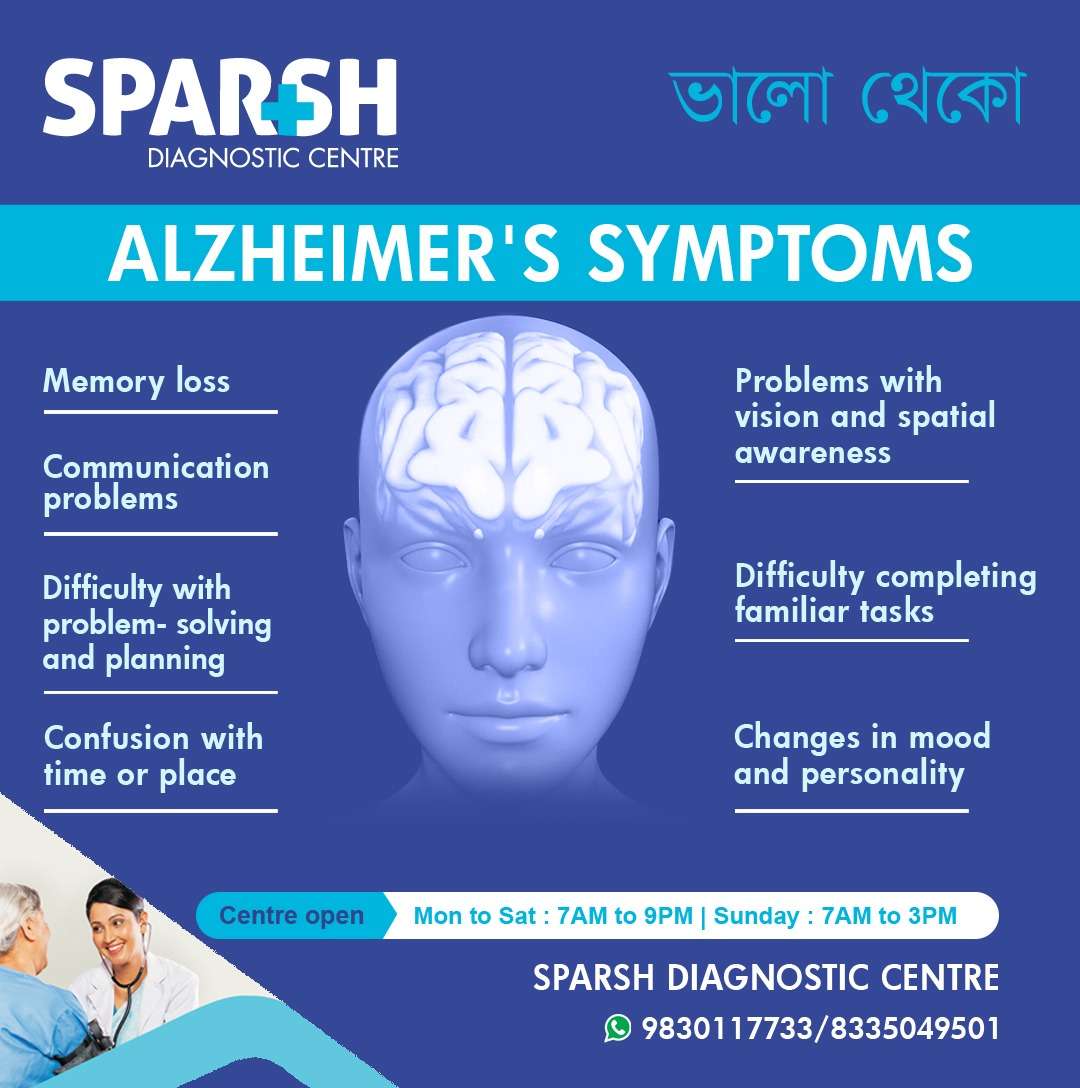
What are 5 signs of Alzheimer’s?
The early symptoms of Alzheimer’s can vary from person to person. However, some warning signs deserve attention.
1. Memory loss that affects everyday life
This is one of the most recognisable early symptoms. A person may repeatedly forget recently learned information, ask the same questions several times or struggle to remember important conversations and events.
2. Difficulty solving problems or planning
Managing household finances, following a familiar recipe, paying bills or organising routine activities may suddenly become much harder.
3. Confusion about time or place
A person may lose track of dates, seasons or locations, or become lost in a place that was previously familiar.
4. Difficulty completing familiar tasks
Everyday activities that were once automatic may become challenging. This could include operating a familiar appliance, preparing food, driving or managing routine household activities.
5. Changes in mood, behaviour or judgement
Increased anxiety, suspiciousness, withdrawal, irritability or unusual decision-making can sometimes accompany cognitive changes.
Other warning signs include difficulty finding words, frequently misplacing objects, withdrawing from social activities and having trouble understanding visual or spatial information.
Importantly, one symptom by itself does not mean a person has Alzheimer’s disease. Persistent or progressive changes should be discussed with a healthcare professional.
What are the 7 A’s of Alzheimer’s disease?
The 7 A’s of dementia are a useful framework for understanding some of the cognitive and behavioural changes that can occur as dementia progresses. They are:
- Amnesia – loss or impairment of memory
- Aphasia – difficulty using or understanding language
- Agnosia – difficulty recognising people, objects or sensory information
- Apraxia – difficulty carrying out purposeful movements despite having the physical ability to move
- Anosognosia – reduced awareness or recognition of one’s own impairment
- Altered perception – changes in how sensory information is interpreted
- Apathy – reduced motivation, interest or initiative
Not everyone with dementia develops all seven, and the symptoms can appear differently depending on the type and stage of dementia.
For caregivers, understanding these changes can make behaviour easier to interpret. For example, what looks like stubbornness may actually be anosognosia, while difficulty following instructions may partly reflect aphasia or problems processing information.
What are the three golden rules of Alzheimer’s and dementia care?
The phrase “three golden rules” is commonly associated with the SPECAL approach to dementia care. They are particularly focused on communication with a person living with dementia:
- Don’t ask direct questions.
- Listen to the person with dementia and learn from them.
- Don’t contradict.
For example, repeatedly asking someone, “Do you remember what we did yesterday?” may create anxiety if they cannot retrieve the information.
Similarly, immediately arguing when a person says something factually incorrect may increase distress.
The broader principle is to communicate with patience and empathy rather than turning every conversation into a test of memory.
However, these principles should be applied thoughtfully. Safety-related situations, medical decisions and important practical matters still require appropriate intervention and professional guidance.
What vitamin cuts dementia risk by 40%?
Vitamin D is often mentioned in relation to a study reporting approximately a 40% lower incidence of dementia among people exposed to vitamin D supplements compared with those who were not. The study analysed data from 12,388 participants and found an association between vitamin D exposure and lower dementia incidence.
But there is an important qualification: this does not mean that vitamin D supplements are proven to reduce dementia risk by exactly 40% for everyone.
The research was observational, so it identified an association rather than proving that vitamin D supplementation itself caused the reduction in risk. Previous research has also produced mixed findings.
More importantly, the WHO’s updated 2026 dementia-risk guidelines do not recommend taking vitamins or supplements specifically to prevent dementia when there is no diagnosed deficiency.
So the sensible approach is to identify and treat vitamin D deficiency when appropriate, rather than taking high-dose supplements solely as an Alzheimer’s prevention strategy.
Can dementia risk be reduced?
There is no guaranteed way to prevent Alzheimer’s disease, particularly because some risk factors cannot be changed. Age and genetics, for example, play important roles.
However, several modifiable factors are associated with dementia risk.
The WHO’s 2026 guidelines highlight measures such as:
- Regular physical activity
- Avoiding tobacco
- Limiting harmful alcohol consumption
- Maintaining a healthy diet
- Managing high blood pressure
- Managing diabetes
- Managing high cholesterol
- Maintaining social engagement
- Cognitive stimulation
- Addressing hearing loss
- Reducing exposure to air pollution where possible
The WHO estimates that up to 45% of dementia risk may be attributable to potentially modifiable risk factors. This does not mean that 45% of individual cases can definitely be prevented, but it reinforces the importance of lifelong brain and cardiovascular health.
What colour is the ribbon for Alzheimer’s?
The purple ribbon is widely used as a symbol of Alzheimer’s awareness.
People may wear purple clothing, ribbons or accessories during September to show support for people living with Alzheimer’s disease and other dementias and to encourage conversations about brain health.
A purple ribbon can be a small gesture, but it can also open an important conversation: Do we understand the early signs of dementia? Do we know how to support a family member? And would we recognise when it is time to seek medical advice?
How is Alzheimer’s disease diagnosed?
There is no single test that can independently diagnose every case of Alzheimer’s disease.
A healthcare professional may begin by discussing symptoms, medical history, medications, lifestyle and changes in everyday functioning. Cognitive assessments may evaluate memory, attention, language, reasoning and problem-solving. Doctors may also perform a neurological examination and order blood or other tests to look for alternative or contributing causes. Brain imaging may also be recommended.
The reason for a comprehensive evaluation is important: not every memory problem is caused by Alzheimer’s disease.
Some cognitive symptoms may be related to other medical conditions, medications, depression, nutritional deficiencies, sleep problems or other neurological disorders. Identifying the underlying cause is therefore an important part of appropriate care.
How to celebrate World Alzheimer’s Day?
World Alzheimer’s Day does not require a large event or complicated campaign. Small actions can make awareness more meaningful.
Learn the warning signs
Take a few minutes to learn about early symptoms of Alzheimer’s and other forms of dementia. Share reliable information with family members, particularly if you care for an older relative.
Talk openly about dementia
Avoid treating dementia as something shameful or something that should never be discussed. Open conversations can help reduce stigma and encourage families to seek medical advice earlier.
Wear purple
Wearing a purple ribbon or purple clothing can show solidarity and help start conversations about Alzheimer’s awareness.
Support caregivers
Dementia affects the whole family. Offer practical help to caregivers, listen without judgement and recognise that caring for someone with progressive cognitive impairment can be emotionally and physically demanding.
Organise an awareness activity
Schools, workplaces, diagnostic centres, hospitals, community groups and resident associations can organise talks, poster campaigns, memory-awareness activities or educational sessions.
Encourage timely medical evaluation
If someone is experiencing persistent memory loss, confusion, personality changes or difficulty managing familiar tasks, encourage them to speak with a healthcare professional rather than simply assuming it is ageing.
Share accurate information online
Social media can be a powerful awareness tool. Share information from credible healthcare organisations rather than sensational claims about miracle cures or guaranteed dementia-prevention supplements.
Why early diagnosis matters
The 2026 World Alzheimer’s Month theme brings the focus back to one of the most practical messages in dementia awareness: earlier knowledge can give families more options.
A diagnosis can help explain changes that may otherwise be confusing or frightening. It can allow families to discuss care preferences, organise practical support and learn what to expect. Depending on the diagnosis and stage, healthcare professionals may also discuss medicines, lifestyle measures, supportive therapies and available services.
Early diagnosis does not mean that every future outcome can be predicted. Alzheimer’s disease remains a progressive condition, and there is currently no universal cure. But knowing what is happening can help people make informed decisions rather than navigating uncertainty alone.
World Alzheimer’s Day: a reminder to replace fear with understanding
World Alzheimer’s Day is ultimately about people, not just a disease.
Behind every diagnosis is a person with a history, relationships, preferences and memories that matter. There are also family members and caregivers who may be trying to understand changes they never expected to face.
Awareness can help replace stigma with empathy.
If an older family member occasionally forgets something, there is no need to panic. But if memory problems are persistent, progressively worsening or beginning to interfere with everyday life, they deserve attention.
This World Alzheimer’s Day on 21 September 2026, the message is especially relevant: The Earlier You Know, The More You Can Do. Recognising the signs, understanding dementia, supporting caregivers and encouraging appropriate medical evaluation are meaningful ways to turn awareness into action.
Frequently asked questions about World Alzheimer’s Day
When is World Alzheimer’s Day celebrated?
World Alzheimer’s Day is celebrated every year on 21 September. It forms part of World Alzheimer’s Month, which is observed throughout September.
What is the theme for World Alzheimer’s Day in 2026?
The 2026 World Alzheimer’s Month campaign theme is “The Earlier You Know, The More You Can Do: A Dementia Diagnosis Matters.” It highlights the importance of timely diagnosis and reducing stigma around dementia.
What vitamin cuts dementia risk by 40%?
A 2023 observational study found that vitamin D exposure was associated with approximately a 40% lower incidence of dementia compared with no vitamin D exposure. However, this does not prove that vitamin D supplements prevent dementia, and supplementation should not be started specifically for dementia prevention without appropriate medical advice.
What are the three golden rules of Alzheimer’s care?
The commonly cited SPECAL three golden rules are: don’t ask direct questions, listen to and learn from the person with dementia, and don’t contradict them.
What are 5 signs of Alzheimer’s?
Five important warning signs include memory loss affecting daily life, difficulty planning or solving problems, confusion about time or place, difficulty completing familiar tasks, and changes in judgement, mood or personality.
What colour is the ribbon for Alzheimer’s?
Purple is the colour most commonly associated with Alzheimer’s awareness.
What are the 7 A’s of Alzheimer’s disease?
The seven A’s commonly used in dementia education are amnesia, aphasia, agnosia, apraxia, anosognosia, altered perception and apathy.
What is the difference between dementia and Alzheimer’s?
Dementia is an umbrella term describing significant decline in cognitive abilities that interferes with everyday life. Alzheimer’s disease is a specific progressive brain disease and is the most common cause of dementia.
How can I celebrate World Alzheimer’s Day?
You can celebrate by wearing purple, sharing reliable information, learning the early signs of dementia, supporting caregivers, participating in an awareness event, raising funds for dementia organisations or encouraging someone with concerning symptoms to seek medical advice.
Is memory loss always a sign of Alzheimer’s disease?
No. Occasional forgetfulness can occur with normal ageing, while persistent or disruptive memory problems may have many possible causes. A healthcare professional can assess the symptoms and determine whether further evaluation is necessary.
Is Alzheimer’s disease a normal part of ageing?
No. Although age is an important risk factor, Alzheimer’s disease is a medical condition and is not an inevitable part of getting older. Many people live into advanced age without developing dementia.
To consult a Neurologist at Sparsh Diagnostic Centre for Alzheimer’s, call our helpline number 9830117733.
#BhaloTheko
Disclaimer:
No content on this site, regardless of date, should ever be used as a substitute for direct medical advice from your doctor or other qualified clinician.