

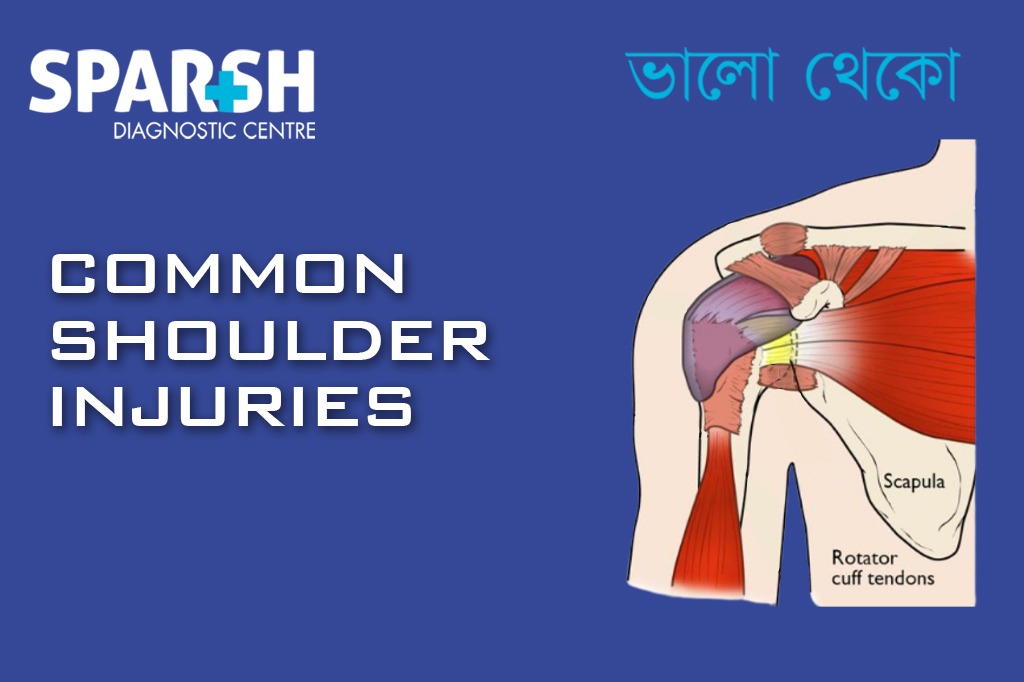
The shoulder is one of the most flexible joints in the human body. It allows us to lift, rotate, and move our arms in multiple directions. However, this remarkable mobility also makes the shoulder vulnerable to injuries. From athletes and gym enthusiasts to office workers and elderly individuals, shoulder injuries can affect anyone.
Pain, stiffness, weakness, or difficulty lifting the arm are often early signs that something may be wrong with the shoulder joint. While some injuries heal with rest and physiotherapy, others may require medical treatment or surgery.
In this detailed guide, we’ll explore the most common shoulder injuries, their causes, symptoms, diagnostic methods, treatment options, and ways to prevent them.
Understanding the Shoulder Joint
Before discussing injuries, it helps to understand how the shoulder works.
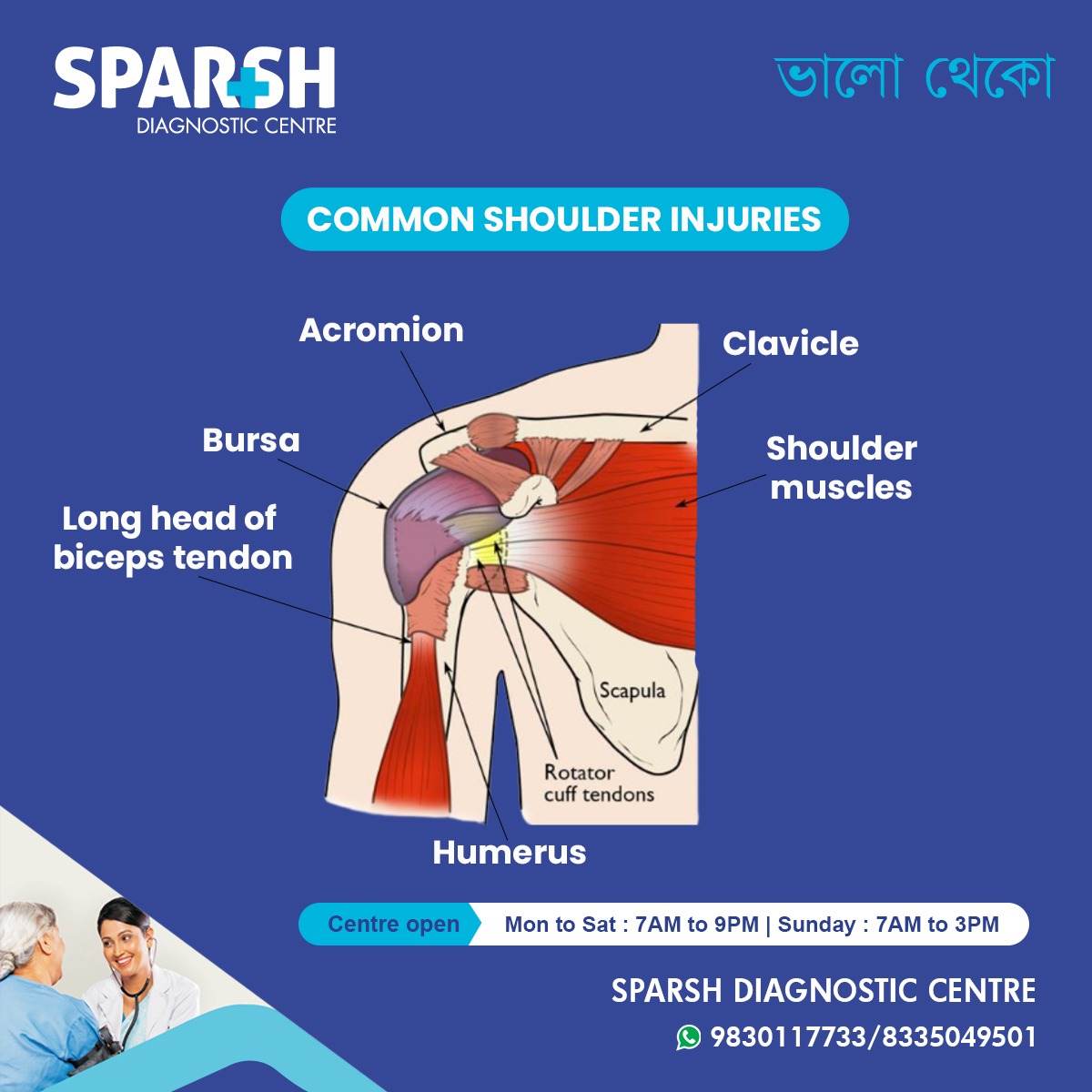
The shoulder is a ball-and-socket joint formed by three main bones:
Humerus – the upper arm bone
Scapula – the shoulder blade
Clavicle – the collarbone
Several muscles, tendons, and ligaments hold these bones together and allow smooth movement. One of the most important groups of muscles is the rotator cuff, which stabilizes the shoulder and helps lift and rotate the arm.
Another important structure is the bursa, a small fluid-filled sac that reduces friction between tissues.
Because so many structures work together, damage to any of them can result in shoulder pain or injury.
Common Types of Shoulder Injuries
Rotator Cuff Injuries
Rotator cuff injuries are among the most common shoulder problems. The rotator cuff consists of four muscles and their tendons that stabilize the shoulder joint.
These injuries may include:
Partial tears
Complete tears
Causes
Repetitive overhead movements
Sports such as tennis, cricket, or swimming
Heavy lifting
Age-related degeneration
Symptoms
Pain when lifting the arm
Weakness in the shoulder
Difficulty reaching overhead
Night pain when lying on the affected side
Shoulder Impingement
Shoulder impingement occurs when the tendons of the rotator cuff get compressed between the shoulder bones during movement.
This condition often develops gradually and is common among people who frequently raise their arms above shoulder level.
Common triggers
Repetitive overhead work
Poor posture
Muscle imbalance
Symptoms
Pain during arm lifting
Reduced range of motion
Weakness in the shoulder
Frozen Shoulder (Adhesive Capsulitis)
Frozen shoulder is a condition in which the shoulder joint becomes stiff and painful due to thickening of the joint capsule.
It typically develops in three stages:
Freezing stage – pain increases and movement becomes limited
Frozen stage – stiffness worsens but pain may reduce
Thawing stage – gradual improvement in movement
Risk factors
Long periods of immobility
Recent shoulder surgery
Age between 40–60 years
Shoulder Dislocation
A shoulder dislocation occurs when the upper arm bone pops out of the shoulder socket.
This injury usually happens due to trauma or a sudden impact.
Common causes
Sports injuries
Falls
Road accidents
Symptoms
Intense pain
Visible deformity
Inability to move the arm
Swelling or bruising
Immediate medical care is required to reposition the joint safely.
Shoulder Fractures
Fractures may affect different bones in the shoulder region, including:
Clavicle fracture
Proximal humerus fracture
Scapula fracture
These injuries often occur due to falls, accidents, or sports collisions.
Symptoms
Severe pain
Swelling
Bruising
Limited arm movement
Bursitis
Shoulder bursitis occurs when the bursa becomes inflamed due to repetitive motion or injury.
Symptoms
Pain during movement
Tenderness
Swelling
Difficulty lifting the arm
Bursitis often occurs alongside rotator cuff injuries.
Tendonitis
Tendonitis is inflammation of the tendons in the shoulder, commonly affecting the biceps tendon or rotator cuff tendons.
It typically develops due to repetitive strain and overuse.
Common in
Athletes
Manual laborers
People who frequently lift heavy objects
Causes of Shoulder Injuries
Several factors can contribute to shoulder injuries.
Overuse
Repetitive movements such as throwing, lifting, or swimming can strain shoulder structures over time.
Trauma
Falls, sports injuries, or accidents can cause sudden shoulder damage.
Aging
As we age, tendons and ligaments naturally weaken, increasing the risk of tears and degeneration.
Poor Posture
Slouching or sitting incorrectly for long periods can strain shoulder muscles.
Muscle Imbalance
Weak or tight muscles around the shoulder may lead to improper movement and injury.
Symptoms of Shoulder Injuries
Symptoms vary depending on the type of injury but often include:
Shoulder pain
Limited range of motion
Weakness in the arm
Swelling or tenderness
Clicking or popping sounds
Difficulty performing daily activities
Pain during sleep
Persistent symptoms should always be evaluated by a healthcare professional.
Diagnosing Shoulder Injuries
Doctors use a combination of physical examinations and imaging tests to diagnose shoulder problems.
Physical Examination
The doctor will check:
Range of motion
Strength
Pain response during movement
Imaging Tests
Used to detect fractures and bone abnormalities.
Provides detailed images of muscles, tendons, and ligaments.
Helps visualize soft tissue injuries.
Used for complex fractures.
Early diagnosis helps prevent complications and speeds up recovery.
Treatment Options for Shoulder Injuries
Treatment depends on the type and severity of the injury.
Rest and Activity Modification
Avoiding movements that worsen pain allows tissues to heal.
Ice Therapy
Applying ice for 15–20 minutes several times a day helps reduce swelling and inflammation.
Medications
Doctors may prescribe:
Anti-inflammatory drugs
Pain relievers
Muscle relaxants
Physiotherapy
Physiotherapy plays a crucial role in shoulder rehabilitation.
Exercises help:
Strengthen muscles
Improve flexibility
Restore normal movement
Corticosteroid Injections
In some cases, doctors may recommend steroid injections to reduce inflammation and pain.
Surgery
Surgery may be necessary for severe injuries such as:
Rotator cuff tears
Recurrent shoulder dislocations
Severe fractures
Modern procedures often use arthroscopy, a minimally invasive technique.
Recovery and Rehabilitation
Recovery time varies depending on the injury.
Typical recovery timelines:
Minor strains: 2–4 weeks
Moderate injuries: 6–12 weeks
Surgical recovery: 3–6 months
Following physiotherapy instructions is essential for regaining strength and mobility.
Skipping rehabilitation can lead to long-term stiffness or weakness.
Tips to Prevent Shoulder Injuries
Preventing shoulder injuries is possible with simple lifestyle habits.
Warm Up Before Exercise
Proper warm-up prepares muscles and reduces injury risk.
Strengthen Shoulder Muscles
Regular strength training improves joint stability.
Maintain Good Posture
Keep your shoulders back and avoid slouching while sitting.
Avoid Overuse
Take breaks during repetitive activities.
Use Proper Technique
Athletes should follow correct training techniques.
Gradually Increase Activity Levels
Sudden increases in exercise intensity can lead to injury.
When Should You See a Doctor?
Seek medical attention if you experience:
Severe shoulder pain
Inability to move the arm
Swelling after an injury
Persistent pain lasting more than a few days
Shoulder deformity
Early treatment can prevent long-term complications.
Frequently Asked Questions (FAQ)
What is the most common shoulder injury?
Rotator cuff injuries are among the most common shoulder problems, especially in people over 40 and those who perform repetitive overhead movements.
How long does a shoulder injury take to heal?
Minor shoulder injuries may heal within 2–4 weeks, while severe injuries such as rotator cuff tears or fractures may take several months.
Can shoulder injuries heal without surgery?
Yes. Many shoulder injuries can be treated with rest, physiotherapy, medications, and lifestyle changes. Surgery is usually reserved for severe or persistent cases.
What are early signs of shoulder damage?
Early symptoms may include shoulder pain, stiffness, weakness, reduced range of motion, and discomfort when lifting the arm.
Is exercise good for shoulder pain?
Gentle exercises recommended by a physiotherapist can strengthen muscles and improve mobility. However, improper exercises may worsen the condition.
What happens if a shoulder injury is left untreated?
Untreated shoulder injuries can lead to chronic pain, joint instability, reduced mobility, and long-term complications.
Shoulder injuries are common but manageable when diagnosed early and treated properly. Whether caused by sports, aging, or daily activities, paying attention to early symptoms can help prevent serious complications.
Maintaining strong shoulder muscles, practicing proper posture, and avoiding repetitive strain are key to protecting this highly mobile joint.
If shoulder pain persists or interferes with daily activities, consulting a healthcare professional is the best step toward recovery and long-term joint health.
To consult an Orthopedic Surgeon at Sparsh Diagnostic Centre, call our helpline numbers 9830117733/ 8335049501.
#BhaloTheko
Disclaimer:
No content on this site, regardless of date, should ever be used as a substitute for direct medical advice from your doctor or other qualified clinician.



The distinction between acute injuries and chronic overuse conditions is worth emphasizing – a lot of people end up in a cycle of re-injury because they return to normal activity too soon. Restoring full range of motion gradually, rather than pushing through resistance, tends to give the rotator cuff and surrounding muscles a better chance to stabilize the joint properly.