Few things are more distressing for parents than the thought of losing a baby unexpectedly. Sudden Infant Death Syndrome—commonly known as SIDS—is one of the most heartbreaking and least understood causes of infant mortality. It refers to the sudden, unexplained death of a seemingly healthy baby, usually during sleep, and most often within the first year of life.
While the exact cause of SIDS remains unknown, years of research have helped us understand the risk factors and, more importantly, how to reduce the risk significantly. This guide walks you through everything you need to know—from causes and warning signs to safe sleep practices that can help protect your baby.
What Is Sudden Infant Death Syndrome (SIDS)?
SIDS is defined as the unexplained death of an infant younger than one year old, typically occurring during sleep. It is sometimes referred to as “crib death” because it often happens when a baby is in their crib.
What makes SIDS particularly challenging is that it usually occurs without warning signs and remains unexplained even after thorough investigations, including autopsy, medical history review, and examination of the sleep environment.
When Does SIDS Usually Occur?
SIDS most commonly affects babies between 1 and 4 months of age, with the majority of cases occurring before 6 months. It is rare after the first year of life.
What Causes SIDS?
Despite extensive research, there is no single confirmed cause of SIDS. However, experts believe it may result from a combination of factors, including:
1. Brain Development Issues
Some infants may have abnormalities in the part of the brain that controls breathing and waking from sleep. This can make it harder for the baby to respond to low oxygen levels.
2. Sleep Environment
Unsafe sleep conditions—such as soft bedding, loose blankets, or sleeping on the stomach—can increase the risk.
3. External Stressors
Factors like overheating, respiratory infections, or exposure to cigarette smoke can contribute to vulnerability.
4. Critical Development Period
SIDS often occurs during a stage when the infant’s body is still developing important regulatory systems.
Risk Factors for SIDS
Understanding risk factors can help you take preventive measures. Some of the most common include:
Infant-Related Factors
- Premature birth or low birth weight
- Male gender (slightly higher risk)
- Age under 6 months
Maternal Factors
- Smoking during pregnancy
- Alcohol or drug use
- Inadequate prenatal care
Environmental Factors
- Sleeping on the stomach or side
- Soft mattresses or bedding
- Bed-sharing (especially with adults or older siblings)
- Overheating during sleep
- Exposure to secondhand smoke
Safe Sleep Practices to Reduce SIDS Risk
The good news is that many SIDS cases are preventable by following simple, evidence-based sleep safety guidelines.
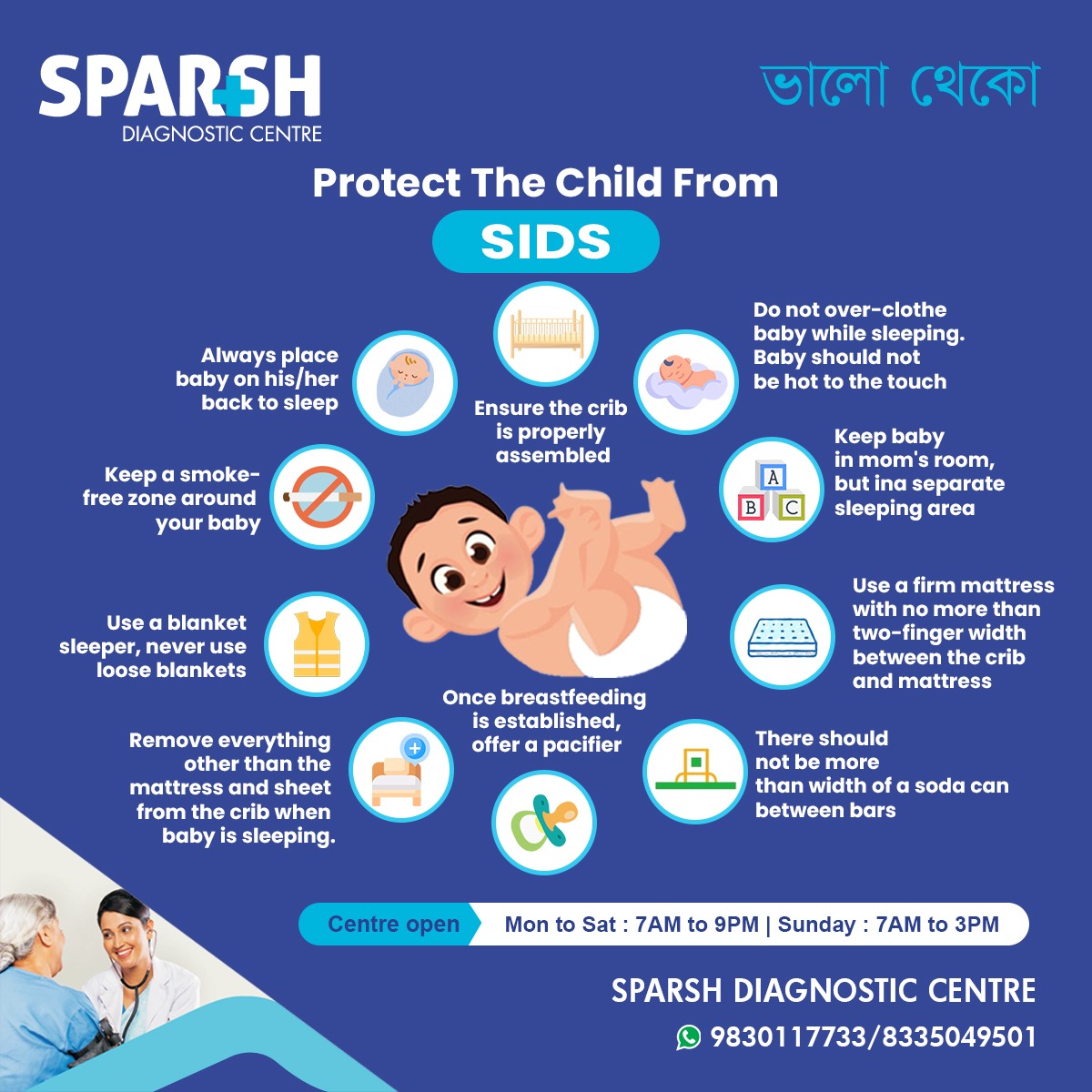
1. Always Place Your Baby on Their Back
This is the single most important step. Babies should be placed on their backs for every sleep—both naps and nighttime.
2. Use a Firm Sleep Surface
A firm mattress in a safety-approved crib is ideal. Avoid soft bedding, pillows, or stuffed toys.
3. Keep the Sleep Area Bare
The crib should contain only:
- A fitted sheet
- A firm mattress
Avoid:
- Loose blankets
- Bumper pads
- Toys
4. Share a Room, Not a Bed
Keep your baby in the same room as you, but in a separate sleeping space like a crib or bassinet.
5. Avoid Overheating
Dress your baby appropriately for the room temperature. The baby should feel warm, not hot, to the touch.
6. Breastfeeding Helps
Breastfeeding has been shown to reduce the risk of SIDS. Even partial breastfeeding offers benefits.
7. Offer a Pacifier
Once breastfeeding is well established, offering a pacifier during sleep may help reduce risk.
8. Maintain a Smoke-Free Environment
Avoid smoking during pregnancy and after birth. Secondhand smoke significantly increases SIDS risk.
Common Myths About SIDS
Myth 1: Vaccines Cause SIDS
There is no scientific evidence linking vaccinations to SIDS. In fact, immunized babies may have a lower risk.
Myth 2: Babies Can Choke Sleeping on Their Backs
Healthy babies naturally protect their airway. Sleeping on the back does not increase choking risk.
Myth 3: SIDS Only Happens in Poor Households
SIDS can affect families from all backgrounds. However, awareness and safe sleep practices make a difference.
Warning Signs: Are There Any?
One of the most difficult aspects of SIDS is that it often occurs without warning. However, parents should still be alert to general signs of infant distress, such as:
- Difficulty breathing
- Unusual lethargy
- Poor feeding
- Persistent crying
If you notice any of these, consult a pediatrician promptly.
The Role of Baby Monitors and Technology
Many parents turn to baby monitors or wearable devices for peace of mind. While these can be helpful, they should not replace safe sleep practices.
No device has been proven to prevent SIDS, so focus on creating a safe sleep environment first.
Emotional Impact on Families
SIDS is devastating for families. The sudden and unexplained nature of the loss often leads to intense grief, guilt, and confusion.
Support systems—including counseling, support groups, and healthcare providers—play a crucial role in helping families cope.
When to Talk to a Doctor
You should consult a pediatrician if:
- Your baby has breathing difficulties
- There is a family history of SIDS
- Your baby was born prematurely
- You have concerns about sleep safety
Regular check-ups ensure your baby’s development is on track and allow early identification of potential risks.
Key Takeaways
- SIDS is the sudden, unexplained death of an infant, usually during sleep
- It most commonly occurs between 1–4 months of age
- While the exact cause is unknown, multiple risk factors have been identified
- Safe sleep practices can significantly reduce risk
- Awareness and education are the most powerful tools for prevention
Frequently Asked Questions (FAQ)
1. What is the main cause of SIDS?
There is no single known cause. It is believed to result from a combination of brain abnormalities, environmental factors, and developmental issues.
2. At what age is SIDS most common?
SIDS is most common between 1 and 4 months of age and is rare after 12 months.
3. Can SIDS be prevented?
While not entirely preventable, the risk can be significantly reduced by following safe sleep guidelines.
4. Is it safe for babies to sleep on their stomach?
No. Babies should always be placed on their backs to sleep.
5. Does breastfeeding reduce SIDS risk?
Yes, breastfeeding has been shown to lower the risk of SIDS.
6. Are baby monitors effective in preventing SIDS?
No device can prevent SIDS. Safe sleep practices are far more important.
7. Is bed-sharing safe?
Bed-sharing increases the risk of SIDS, especially in certain conditions. Room-sharing without bed-sharing is recommended.
8. Can overheating cause SIDS?
Yes, overheating is a known risk factor. Dress your baby appropriately and keep the room at a comfortable temperature.
9. Do pacifiers help reduce SIDS risk?
Yes, offering a pacifier during sleep may help reduce the risk.
10. Should I worry if my baby rolls over during sleep?
Once babies can roll over on their own, you don’t need to reposition them—but always place them on their back initially.
To consult a Pediatrician at Sparsh Diagnostic Centre, call our helpline numbers 9830117733/ 8335049501.
#BhaloTheko
Disclaimer:
No content on this site, regardless of date, should ever be used as a substitute for direct medical advice from your doctor or other qualified clinician.