

Dengue fever is one of the most common mosquito-borne viral infections worldwide, especially in tropical and subtropical regions. Every year, millions of people are affected, and in severe cases, dengue can lead to life-threatening complications.
One of the most closely monitored markers in dengue patients is platelet count. Platelets, also known as thrombocytes, play a crucial role in blood clotting and preventing bleeding. A drop in platelet count is a hallmark of dengue infection, but not every decline indicates immediate danger.
So, how low is too low? When should you start worrying about platelet count in dengue? This article provides a detailed breakdown of platelet levels, risk factors, warning signs, and when urgent medical intervention is needed.
Understanding Platelets and Their Role
Platelets are small, disc-shaped blood cells produced in the bone marrow. Their primary function is to:
Help blood clot after an injury
Prevent excessive bleeding
Maintain vascular integrity
Normal Platelet Count
A healthy platelet count usually ranges between:
150,000 – 450,000 platelets per microliter of blood
Any count below 150,000 is termed thrombocytopenia, which is commonly seen in dengue. However, the degree of risk depends on how rapidly and how low the platelet count falls.
Why Does Platelet Count Drop in Dengue?
Dengue virus affects the bone marrow, where platelets are produced. Additionally, the virus can trigger immune responses that destroy existing platelets. The result is a progressive drop in platelet count during the critical phase of dengue (usually between day 3–7 of illness).
Other contributing factors include:
Bone marrow suppression – reduced production of platelets.
Immune-mediated destruction – body mistakenly attacks its own platelets.
Leakage of blood plasma – causing increased risk of bleeding.
Platelet Count Ranges in Dengue: What They Mean
Here’s a simplified guide to platelet count levels and their implications in dengue:
1. Above 100,000/µL
Mild drop, usually not dangerous.
Patients rarely show bleeding symptoms.
Supportive care and hydration are often sufficient.
2. 50,000 – 100,000/µL
Moderate risk.
Close monitoring needed.
Most patients remain stable, but some may develop warning symptoms.
3. 20,000 – 50,000/µL
High risk zone.
Patients may start showing bleeding tendencies (gums, nosebleeds, small skin spots).
Hospitalization is often recommended for observation.
4. Below 20,000/µL
Critical level.
Severe risk of spontaneous bleeding and internal hemorrhage.
Immediate medical intervention required; platelet transfusion may be considered.
When Should You Worry About Platelet Count in Dengue?
While platelet count is important, doctors emphasize that symptoms and clinical signs matter more than just numbers. Some patients tolerate very low counts without bleeding, while others may show warning signs earlier.
Warning Signs to Watch Out For:
Bleeding gums or nose
Blood in vomit or stool (black stools)
Sudden weakness or dizziness
Difficulty breathing
Rapid drop in platelet count within hours
If any of these occur, immediate hospitalization is required, regardless of platelet count.
Do All Dengue Patients Need Platelet Transfusions?
No. Contrary to popular belief, platelet transfusion is not always necessary in dengue.
Doctors usually recommend transfusions only when:
Platelet count falls below 10,000 – 20,000/µL with bleeding symptoms.
Patient develops severe bleeding regardless of platelet count.
Unnecessary transfusions can increase the risk of complications such as allergic reactions, infections, and fluid overload.
Other Factors More Important Than Platelet Count
Medical experts stress that platelet count alone is not the best predictor of severity. Instead, they also monitor:
Hematocrit levels (concentration of red blood cells – rising levels suggest plasma leakage)
Blood pressure and pulse (shock can develop from fluid loss)
Organ function (liver, kidneys, lungs)
Warning symptoms (bleeding, fluid accumulation, severe pain)
Thus, a holistic assessment is more important than chasing platelet numbers.
How to Manage Low Platelet Count in Dengue
1. Hydration
Oral fluids or intravenous fluids are key to preventing complications.
Coconut water, soups, and ORS (oral rehydration solution) are beneficial.
2. Balanced Nutrition
Soft, easy-to-digest foods rich in vitamins and minerals support recovery.
Foods often recommended include papaya leaf extract, kiwi, and pomegranate (though evidence is mixed, they may help improve platelet function).
3. Adequate Rest
The body needs time to heal; complete bed rest is crucial.
4. Avoid Certain Medicines
Do not take aspirin, ibuprofen, or other NSAIDs as they increase bleeding risk.
Only take medicines prescribed by a doctor (usually paracetamol for fever).
5. Medical Monitoring
Daily platelet count monitoring may be necessary in moderate to severe dengue.
Hospitalization is advised if platelet count drops sharply or warning signs appear.
Common Myths About Platelet Count in Dengue
Myth 1: Low platelet count alone determines severity.
Fact: Doctors rely on symptoms and hematocrit levels, not just platelet count.
Myth 2: Papaya leaf juice is a cure for low platelets.
Fact: While it may have some benefits, it is not a proven or standalone treatment.
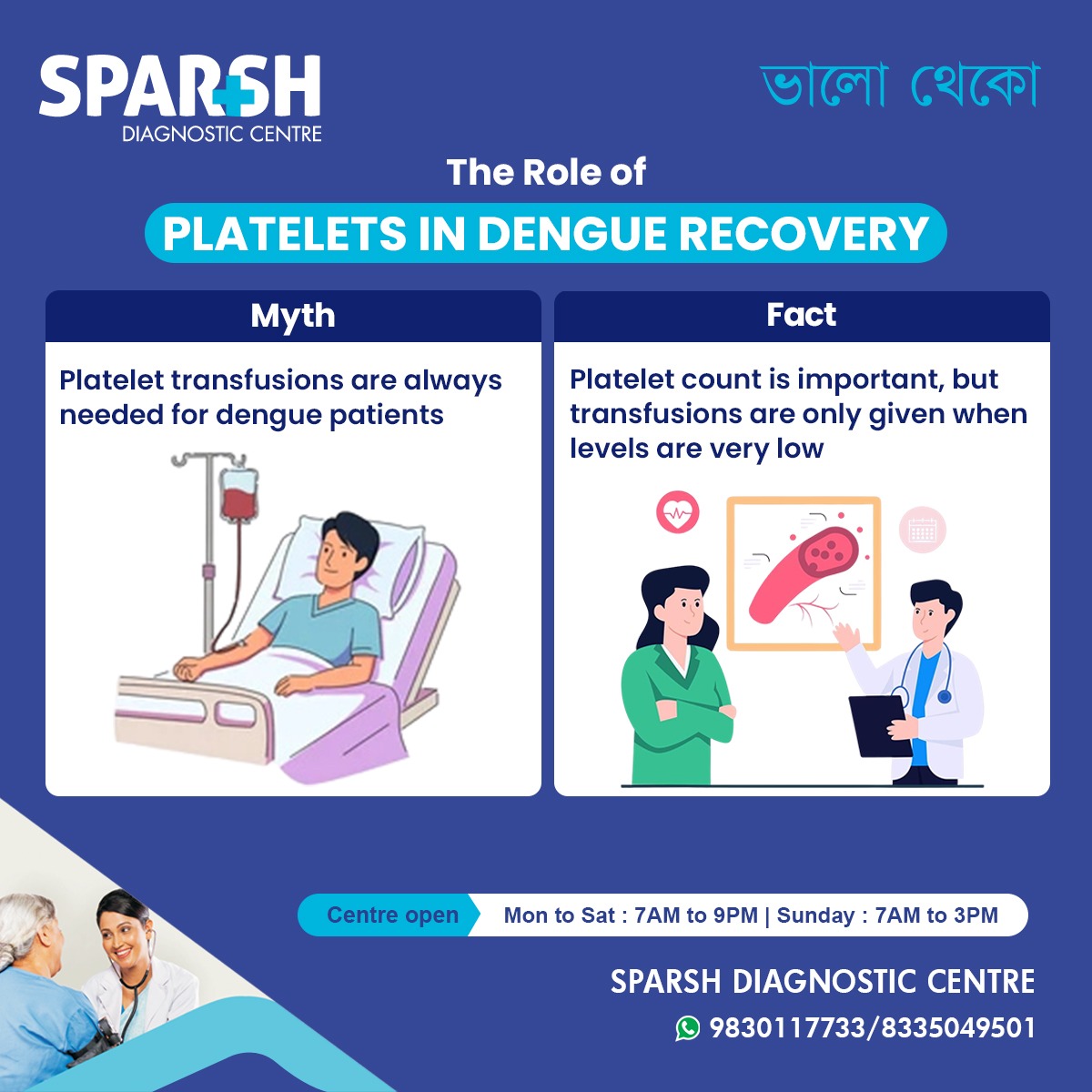
Myth 3: Every dengue patient needs platelet transfusion.
Fact: Only patients with critically low counts and bleeding require transfusion.
When to Visit the Hospital Immediately
Seek urgent medical care if:
Platelet count is below 50,000/µL and dropping rapidly
You develop bleeding gums, nosebleeds, or red spots under the skin
You experience severe abdominal pain or vomiting
You feel dizzy, weak, or have difficulty breathing
Do not wait for the platelet count to fall further—timely medical intervention can save lives.
Preventing Dengue in the First Place
Since dengue is mosquito-borne, prevention is key.
Use mosquito repellents and nets.
Wear long-sleeved clothes.
Keep surroundings clean and free of stagnant water.
Use screens on windows and doors.
Community participation in mosquito control measures is crucial.
Dengue fever is a serious illness, but not every drop in platelet count should cause panic. The real danger arises when platelet count falls below 20,000/µL or when accompanied by warning symptoms such as bleeding, abdominal pain, or dizziness.
Regular monitoring, hydration, rest, and timely medical care are the pillars of safe recovery. Remember, platelet count is only one part of the bigger picture—always consult a doctor for proper evaluation and treatment.
FAQ Section
1. What is the normal platelet count?
Normal platelet count is 150,000 – 450,000 per microliter of blood.
2. At what platelet count should I worry in dengue?
You should worry when platelet count drops below 50,000/µL, especially if accompanied by bleeding or other warning signs. Below 20,000/µL is critical.
3. Do all dengue patients need platelet transfusions?
No. Platelet transfusion is only needed if platelet count drops below 10,000–20,000/µL with bleeding symptoms.
4. Can papaya leaf juice increase platelet count?
Some studies suggest papaya leaf extract may help, but it is not a proven medical treatment. It should only be used as a supportive measure under medical supervision.
5. How often should platelet count be checked in dengue?
In moderate to severe cases, doctors may recommend daily monitoring or even multiple times per day if counts are falling rapidly.
6. Can platelet count recover on its own after dengue?
Yes, in most cases platelet count begins to recover naturally after the critical phase (day 7–10) of illness.
7. Is low platelet count the only risk in dengue?
No. Plasma leakage, dehydration, shock, and organ involvement are also critical concerns. Platelet count is just one aspect.
#BhaloTheko
Disclaimer:
No content on this site, regardless of date, should ever be used as a substitute for direct medical advice from your doctor or other qualified clinician.


