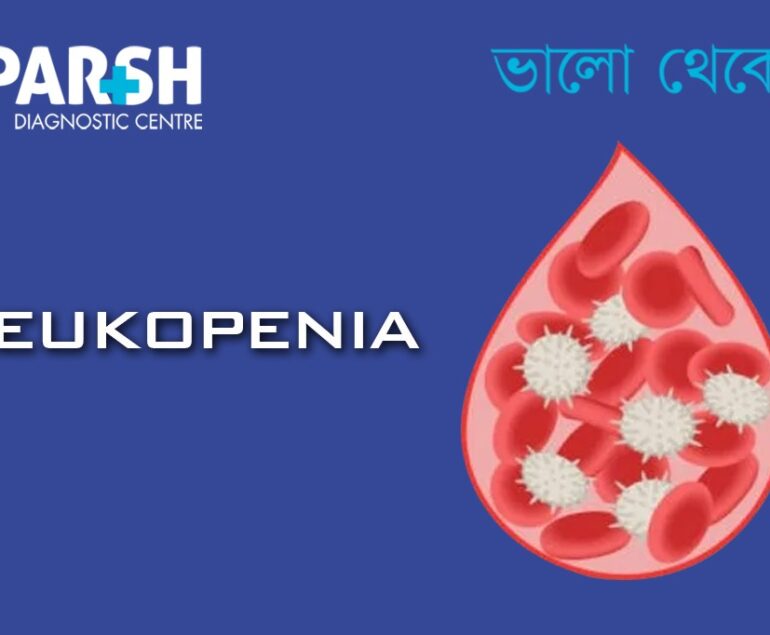
Pancytopenia is not a disease in itself — it’s a medical condition that signals something deeper going on inside the body.
The term comes from three parts:
Pan = all
Cyto = cells
Penia = deficiency
So, pancytopenia literally means a deficiency of all blood cells.
In this condition, the levels of:
Red blood cells (RBCs)
White blood cells (WBCs)
Platelets
are all lower than normal.
Since each of these cells plays a vital role in keeping you healthy, having all three reduced at the same time can lead to serious complications if not diagnosed and treated early.
Why Are Blood Cells So Important?
To understand pancytopenia, it helps to know what each blood cell does.
1. Red Blood Cells (RBCs)
These carry oxygen from your lungs to the rest of your body.
Low RBCs cause anemia, leading to fatigue, weakness, and breathlessness.
2. White Blood Cells (WBCs)
These fight infections.
Low WBCs increase your risk of infections.
3. Platelets
These help your blood clot.
Low platelets make you prone to easy bruising and bleeding.
When all three are low at once, the body struggles on multiple fronts — energy levels drop, infections become more frequent, and bleeding risk increases.
What Causes Pancytopenia?
Pancytopenia happens when:
The bone marrow is not producing enough blood cells, or
Blood cells are being destroyed or trapped outside the bone marrow.
Let’s break down the common causes.
1. Bone Marrow Disorders
The bone marrow is the factory where blood cells are made. If this factory slows down or shuts down, all cell lines suffer.
Aplastic anemia – The marrow stops producing enough blood cells.
Myelodysplastic syndromes (MDS) – The marrow produces abnormal or ineffective cells.
Leukemia – Cancer of blood-forming tissues that crowds out normal cells.
Bone marrow infiltration (from cancers like lymphoma or metastasis)
2. Nutritional Deficiencies
Your bone marrow needs proper nutrition to function.
Severe deficiencies can suppress blood cell production, leading to pancytopenia.
3. Autoimmune Disorders
Sometimes the immune system mistakenly attacks blood cells or bone marrow.
Examples include:
a. Systemic autoimmune conditions :
Several systemic autoimmune diseases can cause pancytopenia by attacking the bone marrow directly, destroying circulating blood cells, or enlarging the spleen (leading to hypersplenism).
Here are the most important examples:
1. Systemic Lupus Erythematosus (SLE)
This is one of the most common autoimmune causes of pancytopenia.
How it causes pancytopenia:
Autoantibodies destroy red cells, white cells, and platelets.
Bone marrow suppression due to immune-mediated damage.
Hypersplenism in some cases.
Patients may also have:
Kidney involvement
2. Rheumatoid Arthritis (especially Felty’s syndrome)
Severe, long-standing rheumatoid arthritis can lead to Felty’s syndrome, which includes:
Rheumatoid arthritis
When multiple cell lines are affected, pancytopenia may occur.
3. Sjogren’s Syndrome
Primarily affects salivary and tear glands, but can also:
Produce autoantibodies against blood cells
Suppress bone marrow
Cause splenomegaly
4. Autoimmune Hepatitis
Chronic liver disease from autoimmune hepatitis can lead to:
This results in increased destruction of blood cells.
5. Antiphospholipid Syndrome
While best known for causing abnormal blood clots, it may also:
Cause immune-mediated thrombocytopenia
Contribute to broader cytopenias in overlap cases
6. Systemic Sclerosis
Though less common, bone marrow suppression or overlap syndromes may lead to reduced blood cell counts.
7. Hemophagocytic Lymphohistiocytosis (Autoimmune-associated HLH)
In severe autoimmune flares, immune overactivation can cause:
Excessive destruction of blood cells
Bone marrow suppression
Severe pancytopenia
This is a medical emergency.
b. Immune-mediated marrow suppression
4. Infections
Certain viral and microbial infections can temporarily or permanently suppress bone marrow.
Common culprits include:
Viral infections
Severe bacterial infections
Chronic infections
5. Hypersplenism
The spleen filters blood. When enlarged, it may trap and destroy too many blood cells, leading to pancytopenia.
6. Medications and Chemicals
Some drugs and toxins can suppress bone marrow:
Radiotherapy
Certain antibiotics
Exposure to toxic chemicals
7. Chronic Diseases
Advanced liver disease, kidney disease, and other systemic illnesses can contribute to low blood counts.

Symptoms of Pancytopenia
Symptoms depend on which cell line is most affected — but often, people experience a combination.
Symptoms Due to Low Red Blood Cells (Anemia)
Symptoms Due to Low White Blood Cells
Frequent infections
Fever
Slow wound healing
Symptoms Due to Low Platelets
Easy bruising
Bleeding gums
Nosebleeds
Heavy menstrual bleeding
In severe cases, symptoms can escalate quickly, especially if infections or bleeding become serious.
How Is Pancytopenia Diagnosed?
Diagnosis starts with a simple blood test.
1. Complete Blood Count (CBC)
A CBC reveals:
Low hemoglobin (anemia)
Low WBC count
Low platelet count
If all three are reduced, pancytopenia is suspected.
2. Peripheral Blood Smear
This test looks at the shape and appearance of blood cells under a microscope. It helps detect abnormal cells.
3. Bone Marrow Examination
If the cause isn’t obvious, doctors may recommend:
Bone marrow aspiration
Bone marrow biopsy
This helps determine whether the marrow is underactive, infiltrated, or cancerous.
4. Additional Tests
Depending on suspected cause:
Vitamin B12 and folate levels
Viral markers
Liver and kidney function tests
Autoimmune screening
Is Pancytopenia Serious?
It can be — but it depends entirely on the underlying cause.
For example:
Nutritional deficiencies are usually reversible.
Drug-induced suppression may improve after stopping the medication.
Bone marrow cancers require urgent treatment.
Early diagnosis makes a major difference in outcomes.
Treatment of Pancytopenia
Treatment focuses on correcting the underlying cause.
There is no single “pancytopenia medicine.” The approach depends on what triggered it.
1. Nutritional Replacement
If caused by vitamin deficiency:
Vitamin B12 injections
Oral folate supplements
Blood counts often improve significantly once deficiencies are corrected.
2. Treating Infections
Antibiotics or antiviral medications may be required if infection is the cause.
3. Managing Autoimmune Conditions
Doctors may prescribe:
Steroids
Immunosuppressive medications
4. Bone Marrow Disorders
Depending on diagnosis:
Chemotherapy
Bone marrow transplant
5. Blood Transfusions
In severe cases:
Red blood cell transfusion (for anemia)
Platelet transfusion (to prevent bleeding)
6. Growth Factor Injections
Certain medications stimulate the bone marrow to produce more cells.
When Should You See a Doctor?
You should seek medical evaluation if you notice:
Persistent unexplained fatigue
Frequent infections
Unusual bruising or bleeding
Prolonged fever
These symptoms may seem minor at first but should never be ignored, especially if they persist.
Can Pancytopenia Be Prevented?
Prevention depends on the cause.
You can reduce risk by:
Maintaining adequate vitamin B12 and folate intake
Avoiding unnecessary exposure to toxic chemicals
Getting regular health checkups
Monitoring blood counts if on chemotherapy or long-term medications
However, some causes — like genetic or autoimmune disorders — are not preventable.
Living With Pancytopenia
If you’re diagnosed with pancytopenia, it’s natural to feel anxious. The key is identifying the cause early and following medical advice closely.
Practical tips:
Avoid crowded places if WBC count is low
Use a soft toothbrush to reduce gum bleeding
Avoid contact sports if platelets are low
Maintain a nutritious diet
Follow up regularly with your doctor
Most importantly, don’t panic. Many causes are treatable.
Prognosis: What to Expect
Outcomes vary widely.
Nutritional causes → Excellent prognosis
Drug-related causes → Often reversible
Bone marrow cancers → Require long-term management
Severe aplastic anemia → May need transplant
Early detection significantly improves prognosis.
Frequently Asked Questions (FAQ)
1. Is pancytopenia a cancer?
No, pancytopenia itself is not cancer. It is a condition where all blood cell counts are low. However, certain cancers like leukemia can cause pancytopenia.
2. Can pancytopenia be cured?
It depends on the cause. Nutritional deficiencies and drug-induced cases are often reversible. Some bone marrow disorders may require long-term treatment.
3. Is pancytopenia life-threatening?
It can be if severe and untreated. Risk comes mainly from infections and bleeding. With proper treatment, many patients recover well.
4. What is the most common cause of pancytopenia?
Common causes include vitamin B12 deficiency, bone marrow disorders, infections, and certain medications.
5. How long does recovery take?
Recovery time depends on the cause:
Nutritional causes → Weeks to months
Infection-related → Days to weeks
Bone marrow disorders → Variable
6. Can stress cause pancytopenia?
Stress alone does not cause pancytopenia. However, chronic illness and immune dysfunction may contribute indirectly.
7. What foods help improve blood counts?
Leafy greens (folate)
Eggs and dairy (B12)
Meat and fish
Legumes
Iron-rich foods
Always consult your doctor before starting supplements.
8. Does pancytopenia always require hospitalization?
Not always. Mild cases may be managed on an outpatient basis. Severe cases with bleeding or infections require hospital care.
Pancytopenia is a medical red flag — not a diagnosis, but a signal that something deeper needs attention. It affects oxygen delivery, immunity, and clotting all at once, which makes it important to identify quickly.
The good news? Many causes are treatable, especially when caught early.
If you or someone you know is experiencing unexplained fatigue, frequent infections, or unusual bleeding, don’t ignore the signs. A simple blood test can provide crucial answers.
Your blood tells a story — make sure you listen to it.
#BhaloTheko
Disclaimer:
No content on this site, regardless of date, should ever be used as a substitute for direct medical advice from your doctor or other qualified clinician.