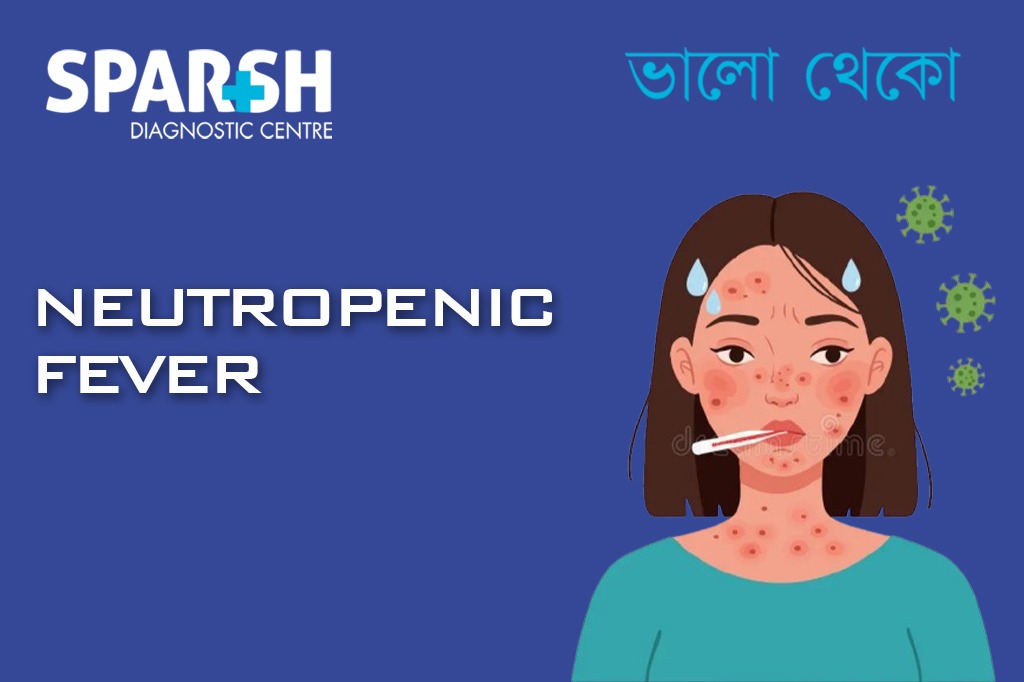
Neutropenic fever is one of those medical terms that sounds complicated but becomes much clearer once you break it down. At its core, it refers to a fever occurring in someone with neutropenia—a condition where the body has an abnormally low number of neutrophils, a type of white blood cell essential for fighting infections.
While a fever might seem like a routine symptom, in this context it can signal a potentially life-threatening infection. That’s why neutropenic fever is considered a medical emergency, especially in people undergoing treatments like chemotherapy.
Let’s explore what it really means, why it happens, and how it’s managed.
What Is Neutropenic Fever?
Neutropenic fever is defined as:
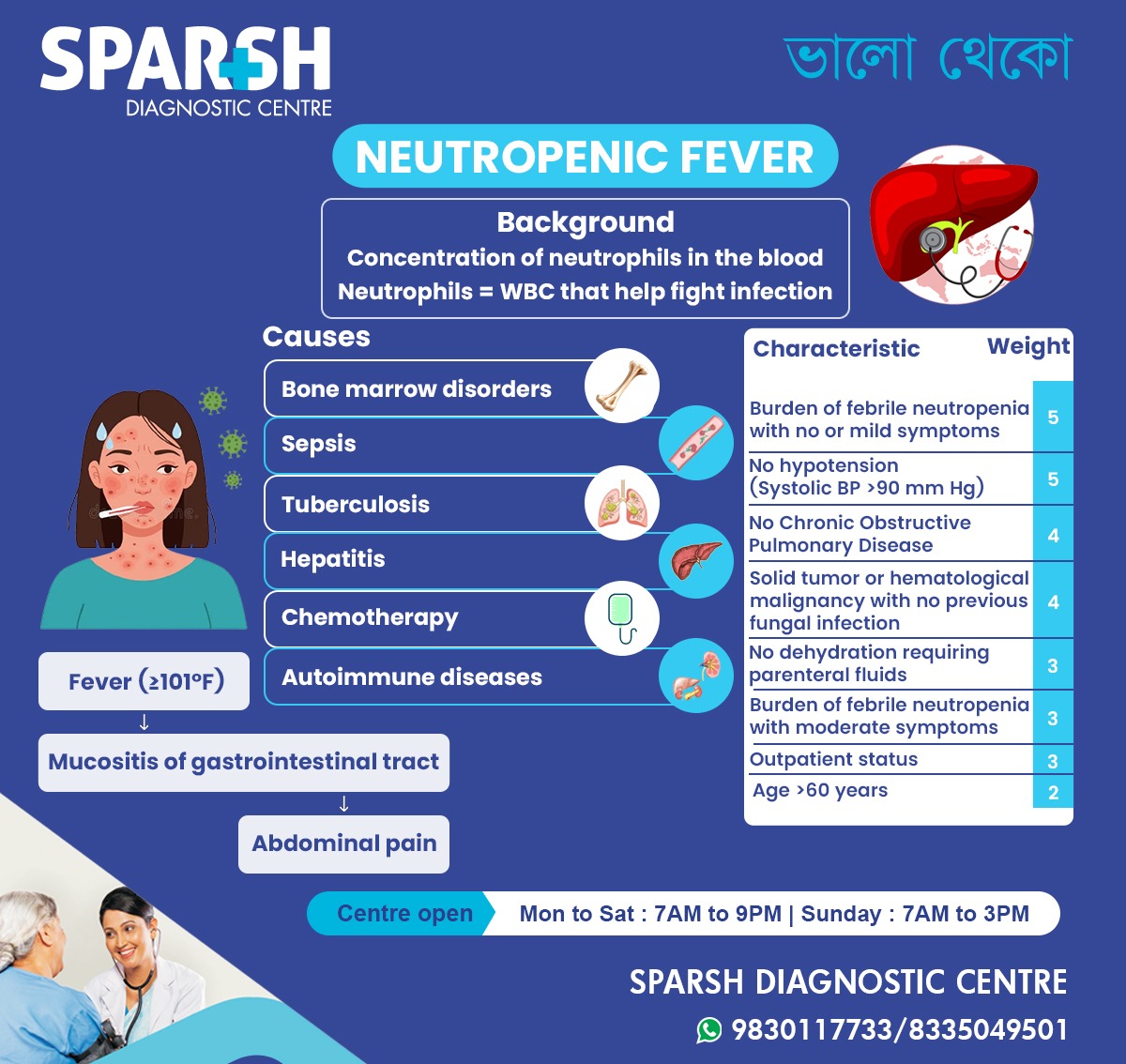
- A single oral temperature ≥101°F (38.3°C) or
- A sustained temperature ≥100.4°F (38°C) for over an hour
- Along with low neutrophil count (neutropenia)
Neutrophils are a key part of your immune system. When their levels drop significantly, your body loses its ability to effectively fight infections. Even minor infections can quickly escalate.
Why Neutrophils Matter
Think of neutrophils as your body’s first responders. They:
- Attack bacteria and fungi
- Help control inflammation
- Prevent infections from spreading
When neutrophil levels fall below normal (typically <1500 cells/µL, and especially <500 cells/µL), the body becomes highly vulnerable.
This is why even a mild fever in someone with neutropenia is taken very seriously.
Common Causes of Neutropenic Fever
Neutropenic fever doesn’t happen randomly—it’s usually triggered by underlying conditions or treatments that weaken the immune system.
1. Chemotherapy
This is the most common cause. Chemotherapy targets rapidly dividing cells, including:
- Cancer cells
- Bone marrow cells (which produce white blood cells)
As a result, neutrophil production drops, increasing infection risk.
2. Bone Marrow Disorders
Conditions affecting the bone marrow can reduce neutrophil production, such as:
3. Severe Infections (Sepsis)
Ironically, infections themselves can sometimes lead to neutropenia by overwhelming the immune system.
4. Chronic Infections
Diseases like:
- Tuberculosis
- Viral infections (e.g., hepatitis)
can suppress bone marrow function over time.
5. Autoimmune Diseases
Certain autoimmune conditions may mistakenly attack white blood cells or bone marrow.
6. Medications
Apart from chemotherapy, some drugs can suppress bone marrow, including:
- Immunosuppressants
- Certain antibiotics
- Antithyroid medications
Symptoms to Watch For
Fever is the hallmark symptom, but neutropenic fever can present subtly because the immune response is weakened.
Common Symptoms
- Fever (≥101°F)
- Chills or sweating
- Fatigue
- Weakness
Less Obvious Signs
- Mouth sores (mucositis)
- Abdominal pain
- Diarrhea
- Sore throat
- Skin infections
Interestingly, classic signs of infection like redness, swelling, or pus may be absent due to the lack of immune response.
Why Neutropenic Fever Is Dangerous
In a healthy person, the immune system can localize and control infections. In neutropenia:
- Infections spread rapidly
- Symptoms may be minimal
- Sepsis can develop quickly
Even a minor bacterial infection can become severe within hours.
That’s why doctors treat neutropenic fever aggressively—even before identifying the exact cause.
How It Is Diagnosed
Diagnosis focuses on two key components:
1. Confirming Fever
Measured using a thermometer—usually oral or tympanic.
2. Blood Tests
- Complete Blood Count (CBC)
- Absolute Neutrophil Count (ANC)
Additional Tests
To identify the source of infection:
- Blood cultures
- Urine tests
- Chest X-ray
- CT scans (if needed)
Risk Stratification: Who Is at Higher Risk?
Not all neutropenic fever cases carry the same risk. Doctors often assess severity using clinical criteria.
High-Risk Patients
- Very low neutrophil count (<500 cells/µL)
- Chemotherapy patients
- Existing chronic illnesses
- Signs of sepsis
Lower-Risk Patients
- Mild symptoms
- Stable vital signs
- No major underlying complications
This classification helps decide whether the patient needs hospitalization or outpatient care.
Treatment of Neutropenic Fever
Treatment begins immediately—often before identifying the infection source.
1. Broad-Spectrum Antibiotics
These are started within one hour of diagnosis. They target a wide range of bacteria.
Common options include:
- Piperacillin-tazobactam
- Cefepime
- Carbapenems
2. Antifungal or Antiviral Therapy
If fever persists beyond a few days or fungal infection is suspected, antifungal medications may be added.
3. Growth Factors
Doctors may use medications like:
- G-CSF (Granulocyte Colony-Stimulating Factor)
These help boost neutrophil production.
4. Supportive Care
- IV fluids
- Pain management
- Nutritional support
5. Hospitalization
High-risk patients are usually admitted for close monitoring and treatment.
Low-risk patients may sometimes be treated at home with oral antibiotics under strict supervision.
Prevention Tips
Prevention is especially important for people at risk, such as cancer patients.
Hygiene Practices
- Wash hands frequently
- Avoid crowded places
- Wear masks when necessary
Food Safety
- Avoid raw or undercooked food
- Wash fruits and vegetables thoroughly
Medical Precautions
- Regular blood count monitoring
- Prophylactic antibiotics (in some cases)
- Timely vaccinations (as advised by a doctor)
Living With Neutropenia
If you or a loved one has neutropenia, awareness is key.
When to Seek Immediate Help
- Fever above 100.4°F
- Sudden chills
- Difficulty breathing
- Severe weakness
Don’t wait—early treatment can be life-saving.
Complications to Be Aware Of
If untreated, neutropenic fever can lead to:
- Sepsis
- Organ failure
- Prolonged hospital stays
However, with timely care, outcomes are significantly improved.
Prognosis
The prognosis depends on:
- Underlying cause
- Severity of neutropenia
- Speed of treatment
With modern medical care, most patients recover well—especially when treated early.
Frequently Asked Questions (FAQs)
1. What is the main cause of neutropenic fever?
The most common cause is chemotherapy, which suppresses bone marrow and reduces neutrophil production.
2. Is neutropenic fever life-threatening?
Yes, it can be. Because the immune system is weakened, infections can spread rapidly and lead to serious complications like sepsis.
3. How quickly should neutropenic fever be treated?
Immediately. Treatment with antibiotics should ideally begin within one hour of diagnosis.
4. Can neutropenic fever occur without obvious infection?
Yes. In many cases, no clear source of infection is identified, but treatment is still necessary.
5. How long does neutropenic fever last?
It varies depending on the cause and treatment response. Fever may resolve within a few days, but neutropenia can persist longer.
6. Can it be prevented?
While not always preventable, risks can be reduced through:
- Hygiene
- Monitoring blood counts
- Preventive medications
7. Who is most at risk?
- Cancer patients undergoing chemotherapy
- People with bone marrow disorders
- Individuals on immunosuppressive therapy
8. What is a normal neutrophil count?
A normal count is typically 1500–8000 cells/µL. Levels below 500 are considered severe neutropenia.
9. Can children develop neutropenic fever?
Yes, especially those undergoing cancer treatment or with certain genetic conditions.
10. Is hospitalization always required?
Not always. Low-risk patients may be treated at home, but high-risk cases need hospital care.
Neutropenic fever may sound intimidating—and it should be taken seriously—but it’s also highly manageable with prompt care.
The key lies in:
- Early detection
- Immediate treatment
- Preventive strategies
If you or someone you know is at risk, staying informed can make all the difference. A simple fever might seem harmless, but in neutropenia, it’s your body’s urgent signal asking for help.
To consult a Doctor at Sparsh Diagnostic Centre, call our helpline numbers 9830117733/ 8335049501.
#BhaloTheko
Disclaimer:
No content on this site, regardless of date, should ever be used as a substitute for direct medical advice from your doctor or other qualified clinician.