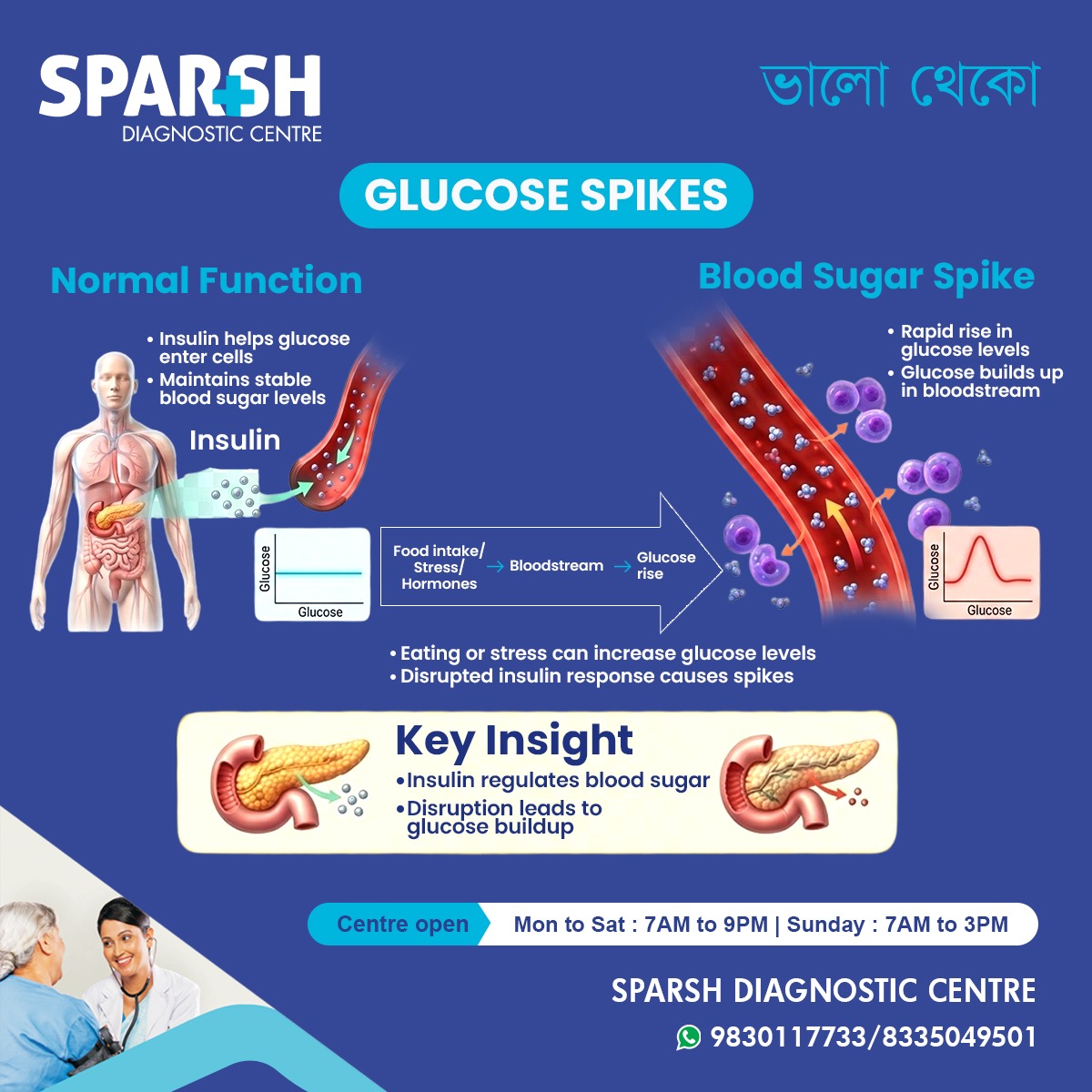
Blood sugar does not stay at exactly the same level throughout the day. It naturally rises after we eat and falls as insulin helps move glucose from the bloodstream into the body’s cells. The problem arises when blood glucose rises too quickly, reaches an unusually high level, or stays elevated for too long.
These sudden increases are commonly called glucose spikes or blood sugar spikes. They are particularly important for people with diabetes or prediabetes, but even people without diabetes may notice changes in energy, hunger or concentration after a very carbohydrate-heavy meal.
A glucose spike is not caused only by eating sweets. Refined carbohydrates, large portions, sugary drinks, stress, poor sleep, dehydration, illness, certain medicines and even the natural rise in hormones before waking can affect blood sugar.
Understanding why glucose spikes happen makes it easier to prevent them without unnecessarily eliminating every carbohydrate or fruit from your diet.
What are glucose spikes?
A glucose spike is a rapid rise in blood glucose, usually following a meal or another trigger. After eating carbohydrates, digestion breaks them down into glucose, which enters the bloodstream. The pancreas responds by releasing insulin, allowing glucose to move into cells for energy or storage.
Some rise in blood glucose after eating is completely normal. The concern is when glucose rises substantially above an individual’s target range, remains elevated, or repeatedly fluctuates between high and low levels.
For many nonpregnant adults with diabetes, the American Diabetes Association recommends a peak post-meal glucose below 180 mg/dL, with post-meal measurements generally taken 1–2 hours after the beginning of the meal. However, targets are individualized, so a person’s own target may be different.
A glucose spike should therefore not be judged by one number alone. The size, duration, frequency and circumstances surrounding the rise all matter.
What causes glucose spikes?
Food is one of the most obvious causes, but it is not the only one.
High-carbohydrate meals
Carbohydrates generally have the greatest immediate effect on blood glucose. Foods such as white bread, white rice, refined cereals, sweets, cakes, biscuits and sugary drinks can be digested relatively quickly, causing glucose to enter the bloodstream rapidly.
The amount matters too. Even a relatively nutritious carbohydrate can cause a significant rise if the portion is very large.
Sugary drinks
Soft drinks, sweetened tea and coffee, energy drinks and fruit juice can raise blood glucose rapidly because they contain carbohydrates in liquid form and provide little or no fiber.
The CDC recommends choosing whole fruit rather than juice because juice can raise blood sugar faster and makes it easier to consume a large amount of carbohydrate at once.
Stress
When you are stressed, hormones such as cortisol and adrenaline can cause the liver to release more glucose into the bloodstream. This is the body’s normal response to a perceived threat, but prolonged stress can make blood glucose harder to control.
Poor sleep
Even one night of inadequate sleep can affect how effectively the body uses insulin. Repeated sleep deprivation may therefore contribute to higher glucose levels and greater difficulty maintaining stable blood sugar.
Illness and infection
When you are sick, the body releases stress hormones to help fight the illness. These hormones can raise blood glucose even when you are eating less than usual.
Dehydration
Not drinking enough water can make glucose more concentrated in the bloodstream. Dehydration can therefore contribute to higher readings, particularly in people who already have difficulty controlling their blood sugar.
Caffeine and certain medications
Some people are particularly sensitive to caffeine and may notice a rise in blood glucose after coffee. Certain medicines, including corticosteroids, can also increase blood glucose.
Dawn phenomenon
Blood sugar can rise in the early morning even before breakfast. Hormones released during the early morning hours can tell the liver to release glucose, a phenomenon commonly known as the dawn phenomenon.
What does a sugar spike feel like?
A glucose spike may not cause any noticeable symptoms, particularly if the rise is relatively short-lived.
When blood glucose becomes significantly elevated, however, some people may experience:
- Increased thirst
- Frequent urination
- Tiredness or weakness
- Headache
- Blurred vision
- Difficulty concentrating
- Feeling sluggish
- Dry mouth
Some people also describe a temporary burst of energy followed by tiredness or hunger as their glucose subsequently falls. Symptoms vary considerably between individuals.
The only reliable way to know whether you are experiencing a glucose spike is to measure your blood glucose with a glucose meter or, when appropriate, a continuous glucose monitor (CGM).
How to stop glucose spikes?
You cannot always stop a glucose spike instantly, but you can reduce the size and duration of many spikes by changing what and how you eat.
Start with these practical strategies:
- Choose high-fiber carbohydrates. Oats, whole grains, beans, lentils and vegetables generally digest more slowly than highly refined carbohydrates.
- Pair carbohydrates with protein. Eggs, fish, chicken, Greek yogurt, tofu, paneer, beans or nuts can make a meal more balanced.
- Include healthy fats in sensible portions. Nuts, seeds and avocado can help slow digestion.
- Watch portion sizes. Even healthier carbohydrate foods can cause a substantial rise when eaten in very large amounts.
- Choose whole fruit instead of fruit juice.
- Drink water instead of sugary beverages.
- Take a short walk after meals, if exercise is safe for you and your healthcare professional has not advised otherwise.
Regular physical activity improves insulin sensitivity, while balanced meals containing protein, fiber and appropriate carbohydrate portions can slow the rise in blood glucose.
People taking insulin or other glucose-lowering medicines should not change medication doses simply because they experience a spike. Medication timing and doses should be discussed with their diabetes care team.
What to eat to stop a sugar spike?
There is no particular food that instantly “cancels out” a high blood sugar reading.
If your glucose is already high, the appropriate response depends on the reason for the high reading, your diabetes treatment plan and your current glucose level. Drinking water can help prevent dehydration, while prescribed medication should be taken according to your healthcare team’s instructions.
For preventing a spike, focus on meals containing:
- Non-starchy vegetables
- A source of protein
- High-fiber carbohydrates
- Healthy fats in moderate portions
- Whole fruit rather than juice
For example, instead of eating a large serving of white rice alone, you could combine a smaller portion of rice with vegetables, dal and a protein source. The combination of carbohydrate with protein, fat or fiber can slow the rate at which blood glucose rises.
What foods cause the biggest sugar spikes?
The foods most likely to cause rapid rises are generally those containing large amounts of rapidly absorbed carbohydrates.
Common examples include:
- Sugary soft drinks
- Sweetened fruit juices
- Sweets and candy
- Cakes and pastries
- Cookies and biscuits
- Sweetened breakfast cereals
- White bread
- Large portions of white rice
- Syrups and sweetened beverages
- Highly processed carbohydrate-rich snacks
Liquid sugar is particularly problematic because it can deliver a large amount of carbohydrate quickly and contains little fiber.
This does not mean that people with diabetes can never eat rice, bread or other carbohydrates. Portion size, preparation, the type of carbohydrate and what you eat alongside it all influence the glucose response.
What is the #1 worst food for blood sugar?
If one category has to be singled out, sugar-sweetened beverages are among the worst choices for blood sugar control.
Regular soft drinks, sweetened juices, sweet tea, sweetened coffee and similar drinks can deliver a large amount of rapidly absorbed carbohydrate without the fiber and chewing involved in eating whole foods.
The better choice is usually water or an unsweetened beverage. If you want fruit, eating the whole fruit is generally preferable to drinking fruit juice.
What 7 fruits should diabetics avoid?
There is an important misconception behind this question: people with diabetes do not generally need to completely avoid seven specific fruits.
The American Diabetes Association lists many fruits—including bananas, grapes, mangoes, oranges, papaya, pineapple, watermelon, apples, berries and pears—as foods that can fit into a diabetes meal plan. The key is portion size and the total amount of carbohydrate.
However, some fruit choices require more attention to portions because they can provide a concentrated amount of carbohydrate. These include:
- Mango
- Grapes
- Ripe banana
- Pineapple
- Watermelon
- Dates
- Raisins and other dried fruits
This does not mean they are forbidden. Whole fruit is generally a better choice than fruit juice, while dried fruit needs particularly careful portion control because a small amount can contain a substantial amount of carbohydrate.
How much of a glucose spike is normal?
There is no single number that defines a “normal” glucose spike for everyone.
Blood glucose normally rises after eating. The response depends on the meal, portion size, activity level, insulin sensitivity, medications and individual metabolism.
For many nonpregnant adults with diabetes, a commonly used target is a peak postprandial glucose below 180 mg/dL, measured 1–2 hours after the beginning of a meal.
A person without diabetes may have different glucose patterns and should not automatically use diabetes treatment targets to interpret a single reading.
The more useful question is whether glucose repeatedly exceeds the target recommended for you.
Is 240 blood sugar too high after eating?
Yes, 240 mg/dL is considerably higher than the usual post-meal target for many adults with diabetes.
The ADA’s general target for peak postprandial glucose in many nonpregnant adults with diabetes is below 180 mg/dL.
A single reading of 240 mg/dL does not necessarily mean that an emergency is occurring, but it should not be ignored—particularly if readings remain high or you have symptoms.
If you have diabetes and your glucose is around 240 mg/dL or higher, especially during illness, your healthcare team may advise checking for ketones. The ADA advises checking for ketones when glucose is above 240 mg/dL and avoiding exercise if ketones are present.
Seek urgent medical attention if high glucose is accompanied by vomiting, abdominal pain, difficulty breathing, confusion, severe dehydration or fruity-smelling breath, as these can be warning signs of diabetic ketoacidosis (DKA).
What makes blood sugar spike without eating?
Blood sugar can rise even when you have not eaten.
Your liver stores and releases glucose to provide energy between meals. Hormones can stimulate this process during stress, illness or the early morning hours.
Common causes of high blood sugar without eating include:
- Dawn phenomenon
- Stress
- Infection or illness
- Dehydration
- Poor sleep
- Certain medications
- Insufficient insulin
- Insulin resistance
- A previous low blood sugar episode followed by a rise
The dawn phenomenon is particularly important when someone consistently wakes with high glucose despite not eating overnight.
Does skipping meals spike blood sugar?
Skipping a meal does not automatically cause a glucose spike, but it can contribute to unstable blood sugar in some people.
For example, skipping breakfast has been associated with higher blood glucose after later meals in some people with diabetes. The CDC also recommends eating at regular times rather than routinely skipping meals.
For people using insulin or certain diabetes medicines, skipping meals can be particularly risky because medication may continue lowering glucose even when food intake is reduced.
Can an empty stomach cause high blood sugar?
Yes. An empty stomach does not guarantee a low blood glucose level.
Between meals and overnight, the liver releases glucose to maintain the body’s energy supply. Hormones can increase this glucose production, especially in the early morning.
If someone regularly has high fasting glucose despite not eating, it may be worth discussing the pattern with a healthcare professional. Checking glucose at bedtime, during the night and on waking can sometimes help identify whether the rise is occurring overnight or was already present before sleep.
Can a diabetic go all day without eating?
For most people with diabetes, intentionally going all day without eating is not a good strategy for controlling glucose.
The risks depend on the type of diabetes, medications, insulin use, overall health and the reason for fasting. People taking insulin or medicines that can cause hypoglycemia may develop dangerously low blood glucose if they skip meals.
Fasting can also increase ketone production in people who do not have enough insulin, particularly those with type 1 diabetes.
If fasting is being considered for religious, medical or weight-management reasons, it is better to discuss it with a doctor or diabetes dietitian beforehand and establish a safe plan.
How to prevent blood sugar spikes at night?
Night-time glucose management starts well before bedtime.
Helpful strategies include:
- Avoiding large late-night meals
- Limiting sugary drinks and desserts in the evening
- Choosing a balanced dinner with vegetables, protein and an appropriate carbohydrate portion
- Avoiding unnecessary late-night snacking
- Staying adequately hydrated
- Getting consistent, good-quality sleep
- Maintaining regular physical activity
- Reviewing medication timing with your healthcare professional when necessary
If you repeatedly wake with high glucose, do not assume that eating less at dinner is automatically the solution. The pattern could be related to the dawn phenomenon, medication, an evening meal, or glucose dropping and subsequently rising overnight.
A glucose meter or CGM can help reveal what is actually happening during the night.
When should you worry about glucose spikes?
Occasional increases after meals are normal. Repeated or very high glucose readings deserve attention.
Talk to your healthcare professional if:
- Your post-meal readings are repeatedly above your prescribed target.
- Your fasting glucose is frequently elevated.
- You regularly experience extreme thirst or frequent urination.
- You have unexplained weight loss or persistent fatigue.
- Your glucose levels are becoming increasingly difficult to control.
- You repeatedly experience large highs followed by lows.
Very high glucose accompanied by vomiting, abdominal pain, rapid or difficult breathing, confusion, severe dehydration or fruity-smelling breath can indicate DKA and requires urgent medical care.
Why are glucose spikes bad?
The occasional rise in glucose after a meal is part of normal physiology. The concern is frequent, prolonged or substantial hyperglycemia.
Persistently high blood glucose can damage blood vessels and nerves over time and is associated with complications affecting the eyes, kidneys, nerves and cardiovascular system. Repeated glucose excursions can also make overall glucose control more difficult.
The goal is therefore not to keep glucose perfectly flat. That is neither realistic nor necessary. The goal is to spend as much time as possible within your individualized target range and avoid unnecessary or prolonged highs and lows.
For people using CGM, the ADA’s 2026 Standards of Care recommend that many adults with diabetes spend more than 70% of their time between 70 and 180 mg/dL, although individual targets may differ.
Simple ways to keep blood sugar steadier
You do not need a perfect diet to improve glucose control. A few consistent habits can make a meaningful difference.
Choose whole or minimally processed carbohydrate sources more often. Add vegetables and fiber to meals. Pair carbohydrates with protein. Keep portions sensible. Replace sugary drinks with water or unsweetened beverages. Choose whole fruit instead of juice. Stay active and take a short walk after meals when appropriate. Prioritize sleep and find practical ways to manage stress.
Most importantly, look for patterns rather than isolated readings. If rice consistently produces a larger glucose rise than another carbohydrate for you, or a particular breakfast causes repeated morning highs, that information is more useful than simply labelling a food as “good” or “bad.”
For people with diabetes, glucose targets and medication plans should always be individualized with a healthcare professional.
Frequently asked questions about glucose spikes
Are glucose spikes normal after eating?
Yes. Blood glucose normally rises after eating, especially after carbohydrate-containing meals. The concern is when the rise is unusually high, lasts too long or repeatedly exceeds your individualized target.
Can walking reduce a glucose spike?
A short period of light activity after a meal may help lower or reduce the post-meal glucose rise because working muscles use glucose. However, people with significantly elevated glucose should check for ketones when advised, and exercise should be avoided when ketones are present.
Is fruit bad for diabetes?
No. Whole fruit can be part of a healthy diabetes meal plan. Portion size matters because fruit contains carbohydrates. Whole fruit is generally preferable to fruit juice because it provides fiber and is less likely to deliver a large amount of carbohydrate quickly.
Does stress increase blood sugar?
Yes. Stress hormones such as cortisol and adrenaline can increase glucose release and make insulin work less effectively.
Can lack of sleep cause glucose spikes?
Poor sleep can reduce insulin sensitivity and make blood glucose harder to control. Improving sleep quality and maintaining a consistent sleep schedule can therefore support better glucose management.
Should I completely avoid carbohydrates to prevent glucose spikes?
Not necessarily. Carbohydrates can be part of a healthy diet, including for people with diabetes. The focus should be on choosing nutrient-rich, higher-fiber carbohydrate sources, controlling portions and pairing carbohydrates with protein, vegetables or healthy fats.
What should I do if my blood sugar is 240 mg/dL after a meal?
Follow your prescribed diabetes management plan and recheck your glucose as advised. If you have diabetes and glucose is above 240 mg/dL, check for ketones when appropriate, particularly if you are sick. Do not exercise if ketones are present. Seek urgent care if high glucose is accompanied by vomiting, abdominal pain, breathing difficulty, confusion or fruity-smelling breath.
The bottom line
Glucose spikes are a normal part of the body’s response to food, but repeated or prolonged high blood sugar deserves attention. The biggest contributors are often rapidly absorbed carbohydrates, sugary drinks, oversized portions, stress, poor sleep, dehydration and inadequate diabetes management.
You do not need to eliminate every carbohydrate or avoid every sweet-tasting fruit. Instead, focus on portion control, fiber-rich foods, protein, whole fruit, regular meals, physical activity, adequate hydration and good sleep.
If you have diabetes, use your glucose readings to identify personal patterns and discuss repeated highs with your healthcare team. A single glucose reading rarely tells the whole story; the pattern over time is much more informative.
When glucose spikes are frequent, the goal should not be perfection. It should be steadier, safer and more predictable blood sugar control.
To consult a Doctor or get full body check-up done at Sparsh Diagnostic Centre, call our helpline numbers 9830117733/ 8335049501.
#BhaloTheko
Disclaimer:
No content on this site, regardless of date, should ever be used as a substitute for direct medical advice from your doctor or other qualified clinician.