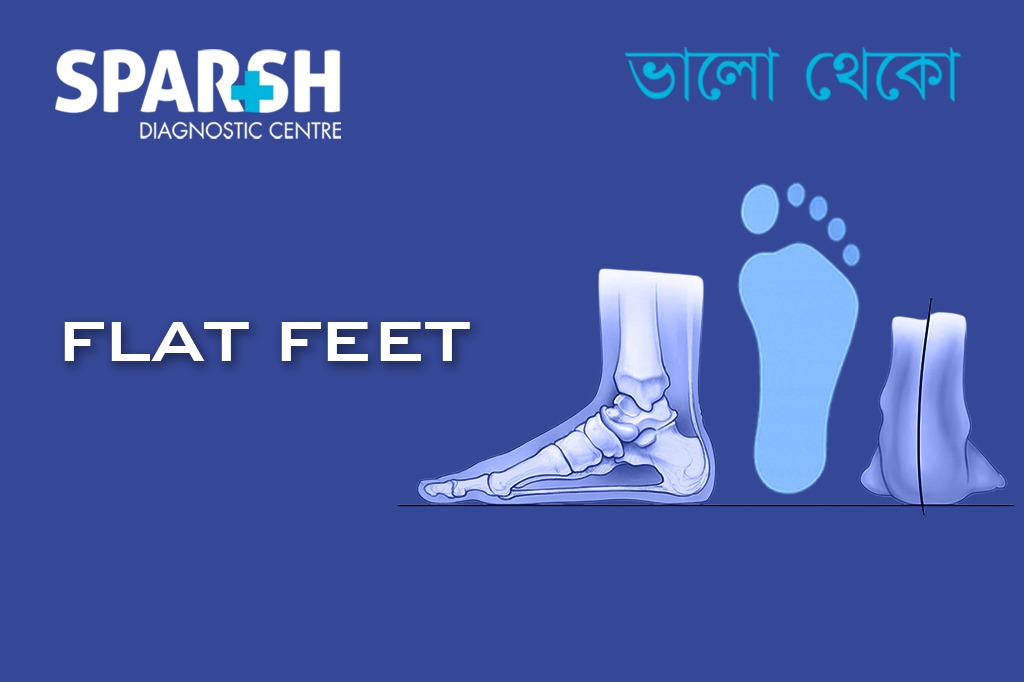
Flat feet, medically known as pes planus, is a common condition in which the arches of the feet are low or completely absent. As a result, the entire sole of the foot touches or nearly touches the ground while standing. While many people with flat feet experience no discomfort, others may develop pain, fatigue, and problems affecting the ankles, knees, hips, or lower back.
Flat feet can occur in children and adults. Some people are born with the condition, while others develop it later in life because of injury, aging, obesity, pregnancy, or medical conditions that weaken the tendons supporting the foot.
The good news is that flat feet are often manageable. Treatment ranges from supportive footwear and exercises to orthotics, physical therapy, and, in rare cases, surgery.
This comprehensive guide explains everything you need to know about flat feet, including symptoms, causes, diagnosis, treatment, prevention, and answers to the most frequently asked questions.
What Are Flat Feet?
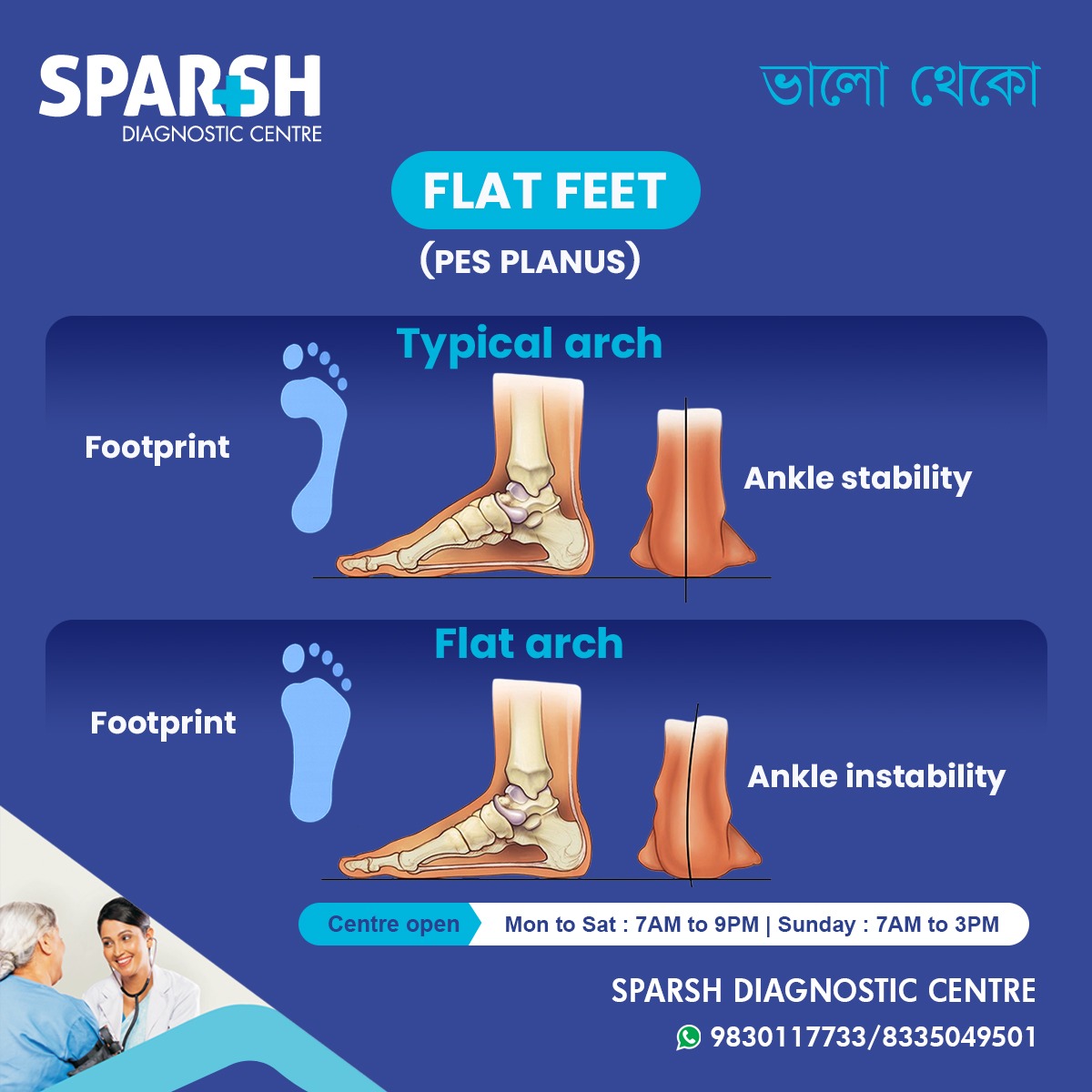
A healthy foot has an arch that helps distribute body weight, absorb shock, and improve balance during walking and running.
In people with flat feet, this arch is reduced or absent. This causes the entire sole of the foot to make contact with the ground when standing.
Flat feet can affect:
- One foot
- Both feet
- Children
- Adults
Some people have flexible flat feet, where the arch appears when sitting or standing on tiptoes but disappears while standing normally. Others have rigid flat feet, where no arch is present regardless of position.
How Common Are Flat Feet?
Flat feet are extremely common.
- Most babies are born with flat feet because their arches haven’t developed yet.
- By around age 6 to 10, arches usually form naturally.
- Around 20–30% of adults have flat feet to varying degrees.
- Many never develop symptoms.
What Is the Main Reason for Flat Feet?
There isn’t a single cause of flat feet. The condition develops for different reasons depending on age and health.
Common causes include:
Genetics
Many people inherit flat feet from their parents. Some individuals naturally have lower arches throughout life without experiencing any problems.
Incomplete Arch Development
Children often have flat feet because their arches haven’t fully developed. In many cases, the arch forms naturally during childhood.
Posterior Tibial Tendon Dysfunction (PTTD)
The posterior tibial tendon supports the arch of the foot. When this tendon becomes weak, inflamed, or torn, the arch gradually collapses.
Aging
As people grow older, tendons and ligaments naturally lose strength, increasing the likelihood of developing adult-acquired flat feet.
Injury
Broken bones, torn ligaments, or tendon injuries may permanently alter the structure of the foot.
Obesity
Excess body weight places additional stress on the arches, increasing the risk of arch collapse.
Pregnancy
Hormonal changes and increased body weight during pregnancy can temporarily or permanently flatten the arches.
Medical Conditions
Certain disorders can contribute to flat feet, including:
What Is Flat Feet, and How Do People Get It?
Flat feet refers to a condition where the arch of the foot is absent or significantly lowered. People can develop flat feet in several ways:
- They are born with naturally low arches.
- Their arches fail to develop during childhood.
- Tendons weaken with age.
- Foot injuries damage supporting structures.
- Arthritis changes joint alignment.
- Excess weight increases strain on the feet.
- Neurological or connective tissue disorders affect muscle and ligament function.
Some people never notice their flat feet until adulthood when pain begins to develop.
Symptoms of Flat Feet
Not everyone with flat feet has symptoms. However, when symptoms occur, they may include:
- Foot pain
- Heel pain
- Arch pain
- Swelling along the inside of the ankle
- Tired feet after standing
- Difficulty walking long distances
- Leg fatigue
- Poor balance
- Knee pain
- Hip discomfort
- Lower back pain
Symptoms often worsen after:
- Long periods of standing
- Running
- Sports
- Walking on hard surfaces
Types of Flat Feet
Flexible Flat Feet
This is the most common type.
Characteristics include:
- Arch appears while sitting
- Arch disappears while standing
- Usually painless
- Common in children
Rigid Flat Feet
In this type:
- No visible arch
- Limited foot movement
- Often painful
- May indicate bone abnormalities or arthritis
Adult-Acquired Flat Foot
Usually develops because the posterior tibial tendon weakens over time.
Symptoms include:
- Progressive arch collapse
- Inner ankle pain
- Difficulty walking
- Foot deformity
Risk Factors
Certain factors increase the risk of developing flat feet:
- Family history
- Obesity
- Aging
- Diabetes
- Pregnancy
- Previous ankle injuries
- Rheumatoid arthritis
- High-impact sports
- Weak connective tissue
What Are the Disadvantages of a Flat Foot?
Although many people never experience symptoms, flat feet can create mechanical problems throughout the body.
Potential disadvantages include:
Foot Pain
Collapsed arches may strain muscles, tendons, and ligaments.
Reduced Shock Absorption
The arch normally absorbs impact during walking and running. Without it, more force travels through the legs.
Ankle Instability
The ankle may roll inward excessively (overpronation), increasing the risk of sprains.
Knee Problems
Flat feet can alter leg alignment, contributing to knee pain and cartilage wear.
Hip and Lower Back Pain
Changes in walking mechanics may place additional stress on the hips and spine.
Plantar Fasciitis
Flattened arches can increase strain on the plantar fascia, leading to chronic heel pain.
Tendon Problems
Extra stress may affect the Achilles tendon and posterior tibial tendon.
Difficulty with Sports
Running, jumping, and prolonged walking may become uncomfortable.
Why Are Flat Feet Generally Worse Than Arched Feet, Even Though More Surface Area Touches the Ground?
It might seem logical that a larger contact area would improve stability, but foot function is more complex than simply increasing surface contact.
The arch serves several important purposes:
- Acts as a natural shock absorber
- Stores and releases energy while walking
- Helps distribute pressure efficiently
- Provides flexibility and stability
- Maintains proper leg alignment
When the arch collapses:
- The foot often rolls inward excessively.
- Muscles work harder to stabilize movement.
- Tendons experience greater strain.
- The knees rotate inward.
- The hips compensate for altered alignment.
Although more of the foot touches the ground, the mechanics of walking become less efficient. This increased strain—not the larger contact area—is why some people with flat feet experience pain or injuries.
However, it’s important to remember that not everyone with flat feet develops problems. Many athletes with flat feet perform at an elite level without limitations.
Are Flat Feet Healthy?
Yes, flat feet can be perfectly healthy.
Having flat feet does not automatically mean something is wrong.
Many people:
- Never develop pain
- Walk normally
- Exercise without difficulty
- Live active lifestyles
Flat feet only become a concern when they cause:
- Persistent pain
- Difficulty walking
- Frequent injuries
- Progressive deformity
- Loss of mobility
If you have no symptoms, treatment is often unnecessary.
Diagnosis
Doctors usually diagnose flat feet through:
Physical Examination
The healthcare provider checks:
- Foot alignment
- Arch height
- Range of motion
- Walking pattern
- Shoe wear patterns
Footprint Test
Standing on a wet surface or pressure-sensitive platform can reveal whether the arch is absent.
Imaging Tests
When necessary, doctors may order:
- X-rays
- Ultrasound
- MRI
- CT scan
These tests help identify tendon injuries, arthritis, fractures, or structural abnormalities.
Is It Possible to Fix a Flat Foot?
The answer depends on the underlying cause.
In Children
Flexible flat feet often improve naturally as arches develop.
In Adults
Treatment focuses on improving function, reducing pain, and preventing progression rather than permanently rebuilding the arch.
Management options include:
- Supportive footwear
- Orthotic insoles
- Stretching exercises
- Strengthening exercises
- Weight management
- Physical therapy
- Anti-inflammatory medications
- Activity modification
Surgery
Surgery is reserved for severe cases when:
- Conservative treatment fails
- Pain becomes disabling
- Tendon damage is significant
- Arthritis causes deformity
Treatment Options
Supportive Footwear
Shoes with:
- Firm heel counters
- Arch support
- Cushioning
- Stable midsoles
can significantly improve comfort.
Orthotics
Custom or over-the-counter arch supports help:
- Improve alignment
- Reduce overpronation
- Relieve pressure
- Improve walking mechanics
Physical Therapy
Therapists may recommend:
- Balance training
- Gait correction
- Strengthening exercises
- Flexibility programs
Stretching Exercises
Helpful stretches include:
- Calf stretches
- Achilles tendon stretches
- Plantar fascia stretches
Strengthening Exercises
Exercises include:
- Towel curls
- Marble pickups
- Heel raises
- Toe spreading
- Short-foot exercises
Weight Management
Reducing excess weight decreases pressure on the arches.
Pain Relief
Doctors may recommend:
- Ice therapy
- Rest
- NSAIDs when appropriate
Can Exercises Help?
Yes.
Exercises cannot completely reshape adult bones, but they can strengthen muscles that support the arch.
Examples include:
Short Foot Exercise
Lift the arch without curling the toes.
Towel Scrunches
Use the toes to pull a towel toward you.
Heel Raises
Strengthen calf muscles and foot stabilizers.
Toe Spreading
Improve muscle control and balance.
Regular practice may improve function and reduce discomfort.
Living with Flat Feet
Most people continue normal activities with proper management.
Helpful lifestyle tips include:
- Wear supportive shoes.
- Replace worn-out footwear regularly.
- Avoid prolonged standing when possible.
- Stretch daily.
- Maintain a healthy body weight.
- Increase activity gradually.
- Avoid walking barefoot on hard surfaces if painful.
When Should You See a Doctor?
Seek medical attention if you experience:
- Persistent foot pain
- Swelling around the ankle
- Difficulty walking
- Progressive flattening of the arch
- One-sided flat foot developing suddenly
- Recurrent ankle sprains
- Foot numbness
Early treatment can prevent worsening symptoms.
Can Flat Feet Be Prevented?
Not all cases can be prevented, especially inherited forms.
However, you can reduce your risk by:
- Wearing supportive footwear
- Maintaining a healthy weight
- Treating foot injuries promptly
- Exercising regularly
- Stretching calf muscles
- Managing diabetes and arthritis effectively
Prognosis
The outlook for flat feet is generally excellent.
Many individuals remain symptom-free throughout life. Those who develop discomfort often improve with conservative treatment, including supportive shoes, orthotics, exercises, and physical therapy.
Only a small percentage of people require surgery.
Frequently Asked Questions (FAQs)
1. Are flat feet healthy?
Yes. Many people with flat feet have no symptoms and lead active, healthy lives. Treatment is only necessary if the condition causes pain, instability, or difficulty with daily activities.
2. Is it possible to fix a flat foot?
In children, flat feet may improve naturally as the arches develop. In adults, treatment usually focuses on relieving symptoms and improving foot function through supportive footwear, orthotics, exercises, physical therapy, and, in severe cases, surgery.
3. What is the main reason for flat feet?
The most common reasons include genetics, incomplete arch development during childhood, tendon weakness, aging, obesity, injuries, arthritis, and certain medical conditions that affect muscles, ligaments, or connective tissues.
4. What is the disadvantage of a flat foot?
Flat feet may increase the risk of foot pain, ankle instability, plantar fasciitis, shin splints, knee pain, hip discomfort, lower back pain, and overuse injuries. However, many people experience no disadvantages at all.
5. Why are flat feet generally worse than arched feet, even though more surface area touches the ground?
The arch functions as a natural shock absorber and helps distribute forces efficiently during movement. When the arch collapses, the foot may roll inward excessively, placing extra strain on muscles, tendons, and joints. While more of the foot contacts the ground, movement often becomes less efficient, increasing the likelihood of discomfort or injury in some individuals.
6. What is flat feet, and how do people get it?
Flat feet, or pes planus, is a condition in which the foot has little or no arch. People may be born with it, develop it during childhood, or acquire it later due to aging, tendon injuries, arthritis, obesity, pregnancy, or certain neurological and connective tissue disorders.
7. What are the disadvantages of having flat feet, and is it permanent?
Flat feet can contribute to foot fatigue, pain, reduced shock absorption, ankle instability, and alignment problems affecting the knees, hips, or lower back. Whether the condition is permanent depends on the cause. Flexible flat feet in children often improve over time, while adult-acquired flat feet may require ongoing management. Most cases can be effectively managed with supportive footwear, orthotics, exercises, and physical therapy, allowing people to remain active.
Flat feet are a common foot condition that affects millions of people worldwide. While some individuals experience no symptoms, others may develop pain, instability, and changes in posture that affect their overall mobility. Understanding the causes, recognizing early symptoms, and seeking timely treatment can help prevent complications and improve quality of life.
Simple measures such as wearing supportive shoes, performing strengthening exercises, maintaining a healthy weight, and using orthotic inserts often provide significant relief. If pain persists or the condition worsens, consulting an orthopedic specialist or podiatrist is the best way to determine the most appropriate treatment plan. With proper care, most people with flat feet can stay comfortable, active, and enjoy a full range of daily activities.
To consult a Doctor or get full body check-up done at Sparsh Diagnostic Centre, call our helpline numbers 9830117733/ 8335049501.
#BhaloTheko
Disclaimer:
No content on this site, regardless of date, should ever be used as a substitute for direct medical advice from your doctor or other qualified clinician.