

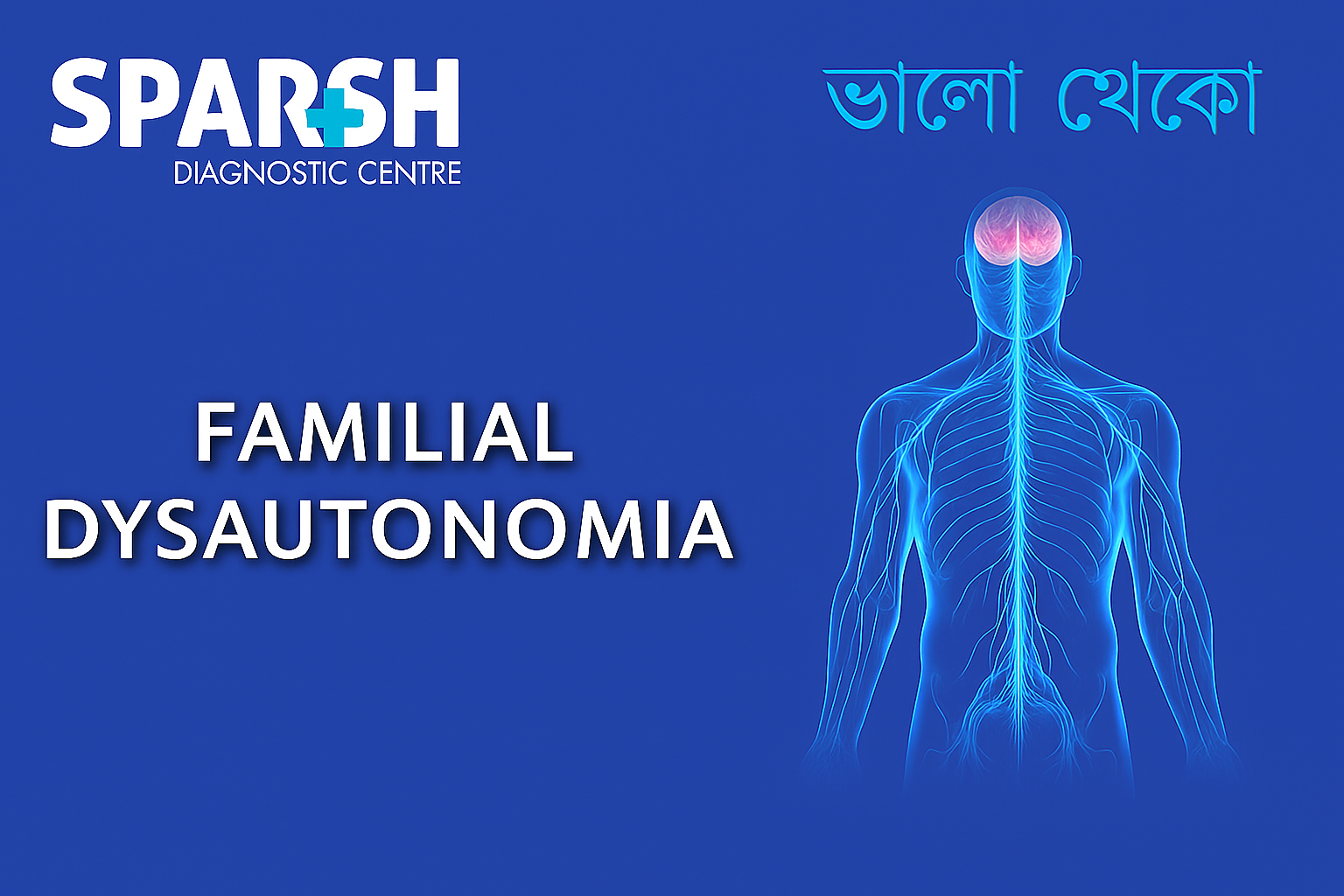
Familial Dysautonomia (FD), also known as Riley-Day Syndrome or Hereditary Sensory and Autonomic Neuropathy Type III (HSAN III), is a rare genetic disorder that primarily affects the autonomic nervous system (ANS) and sensory nerves. The condition is most commonly seen in individuals of Ashkenazi Jewish descent, with around 1 in 3,700 births being affected in this population.
The autonomic nervous system controls involuntary bodily functions such as breathing, blood pressure, digestion, sweating, and temperature regulation. In people with Familial Dysautonomia, these functions are severely disrupted, leading to lifelong medical challenges.
This comprehensive guide will help you understand what Familial Dysautonomia is, its causes, symptoms, diagnosis, treatment options, and long-term outlook.
What is Familial Dysautonomia?
Familial Dysautonomia is a hereditary neuropathy caused by mutations in the ELP1 gene (formerly known as IKBKAP gene). This mutation leads to poor development and survival of sensory and autonomic neurons, which disrupts the regulation of critical body functions.
Because the nervous system cannot properly send or receive signals, people with FD experience a range of health issues, including:
Unstable blood pressure and heart rate
Poor temperature regulation
Difficulty swallowing and digesting food
Reduced sensitivity to pain and temperature
Frequent respiratory infections
Motor and coordination problems
Causes of Familial Dysautonomia
Familial Dysautonomia is caused by genetic mutations that are inherited in an autosomal recessive pattern. This means that:
A child must inherit two faulty copies of the ELP1 gene (one from each parent) to develop FD.
Carriers (with only one faulty gene) usually do not show symptoms.
Risk Factors
Ashkenazi Jewish ancestry: Over 99% of FD cases are seen in this community.
Family history of FD: If both parents are carriers, there is a 25% chance of their child inheriting the disorder.
Symptoms of Familial Dysautonomia
The symptoms of FD are present from infancy and progress throughout life. They may vary in severity but typically affect multiple body systems.
Common Symptoms in Infants
Poor muscle tone (hypotonia)
Feeding difficulties
Frequent vomiting
Failure to thrive (difficulty gaining weight)
Absence of tears when crying (alacrima)
Symptoms in Children and Adults
Autonomic Symptoms
Blood pressure fluctuations (orthostatic hypotension or hypertension)
Irregular heart rate
Difficulty regulating body temperature
Excessive sweating or inability to sweat
Sensory Symptoms
Decreased sensitivity to pain and temperature
Frequent injuries without awareness
Poor coordination and balance (ataxia)
Gastrointestinal Symptoms
Reflux and aspiration (food entering the airway)
Recurrent pneumonia due to aspiration
Chronic constipation or diarrhea
Other Features
Short stature
Delayed developmental milestones
Sleep disturbances
Learning difficulties in some cases
Complications of Familial Dysautonomia
Without proper management, FD can lead to several health complications:
Sudden death due to unstable blood pressure or heart rhythm
Bone fractures from unnoticed injuries
Chronic lung disease from repeated infections
Reduced life expectancy (though advancements in care have improved survival rates)
Diagnosis of Familial Dysautonomia
Early diagnosis is critical for managing FD effectively. Diagnosis is usually based on clinical features, genetic testing, and family history.
Diagnostic Methods
Confirms the presence of mutations in the ELP1 gene.
Carrier screening is recommended for Ashkenazi Jewish couples planning pregnancy.
Clinical Examination
Absence of tears
Poor response to pain and temperature
Blood pressure instability
Additional Tests
Autonomic function testing
Swallowing studies and lung function tests
Treatment of Familial Dysautonomia
Currently, there is no cure for Familial Dysautonomia. Treatment focuses on managing symptoms, preventing complications, and improving quality of life.
Medical Management
Blood Pressure Regulation
Medications like midodrine or fludrocortisone for low blood pressure
Beta-blockers or antihypertensives for high blood pressure
Gastrointestinal Support
Feeding tubes (gastrostomy) to prevent aspiration
Acid reflux medications
Respiratory Care
Chest physiotherapy
Antibiotics for infections
Mechanical ventilation in severe cases
Neurological Support
Physical therapy for coordination and mobility
Occupational therapy for daily living skills
Lifestyle and Supportive Care
Maintaining hydration and nutrition
Avoiding extreme temperatures
Regular monitoring of heart and lung health
Special education and therapy for developmental challenges
Living with Familial Dysautonomia
Living with FD requires lifelong care and multidisciplinary management. Families often work with a team of specialists, including neurologists, pulmonologists, gastroenterologists, and physiotherapists.
Prognosis
In the past, life expectancy was severely reduced, with most patients not surviving beyond childhood.
Today, due to improved medical interventions, many individuals live into their 30s, 40s, or longer.
However, the condition remains life-limiting and requires continuous medical support.
Advances in Research and Future Outlook
Research on Familial Dysautonomia is ongoing, with promising areas including:
Gene therapy: Potential to correct the underlying genetic defect.
New drug development: Medications aimed at stabilizing nerve function.
Stem cell research: Exploring regenerative therapies.
While no cure currently exists, these advancements bring hope for improved outcomes in the future.
Prevention of Familial Dysautonomia
The only way to prevent FD is through genetic counseling and carrier screening. Couples with Ashkenazi Jewish heritage or a family history of FD are strongly encouraged to undergo testing before having children.
Key Takeaways
Familial Dysautonomia is a rare genetic disorder affecting the autonomic and sensory nervous systems.
It is most common in Ashkenazi Jewish populations due to genetic mutations.
Symptoms include blood pressure instability, poor temperature regulation, sensory loss, feeding difficulties, and recurrent infections.
There is no cure, but early diagnosis and multidisciplinary treatment can improve quality of life and extend lifespan.
Genetic testing is essential for at-risk populations to prevent the disorder.
Frequently Asked Questions (FAQ)
1. What is Familial Dysautonomia?
Familial Dysautonomia (FD) is a rare inherited disorder that affects the autonomic and sensory nervous systems, leading to problems with blood pressure, digestion, temperature regulation, and pain sensation.
2. Who is most at risk of developing FD?
FD is most common among individuals of Ashkenazi Jewish descent. Carrier screening is recommended for couples with this background.
3. What gene causes Familial Dysautonomia?
The condition is caused by mutations in the ELP1 (IKBKAP) gene, which disrupts the development and survival of nerve cells.
4. Is there a cure for Familial Dysautonomia?
Currently, there is no cure. Treatment focuses on managing symptoms, preventing complications, and improving quality of life.
5. How is Familial Dysautonomia diagnosed?
It is diagnosed through genetic testing, clinical evaluation, and tests that measure autonomic and sensory nerve function.
6. Can people with FD live a normal life?
While FD is a lifelong and serious condition, many patients live into adulthood with proper medical management and supportive care.
7. Can Familial Dysautonomia be prevented?
Yes, prevention is possible through genetic counseling and carrier screening, especially in high-risk populations.
8. What is the life expectancy for FD patients?
With modern treatments, many individuals live into their 30s, 40s, or beyond, though the condition remains life-limiting.
Familial Dysautonomia is a complex, rare genetic disorder that presents significant health challenges throughout life. Although there is currently no cure, early diagnosis, genetic counseling, and comprehensive care can greatly improve outcomes and quality of life.
For families with a history of the disorder or those of Ashkenazi Jewish descent, genetic testing is a crucial step in preventing FD in future generations.
By raising awareness and supporting research, there is hope for better treatments — and eventually, a cure — for Familial Dysautonomia.
🔗 Learn more about rare genetic conditions and diagnostic services at Sparsh Diagnostic Centre.
#BhaloTheko
Disclaimer:
No content on this site, regardless of date, should ever be used as a substitute for direct medical advice from your doctor or other qualified clinician.



[…] Familial Dysautonomia: […]