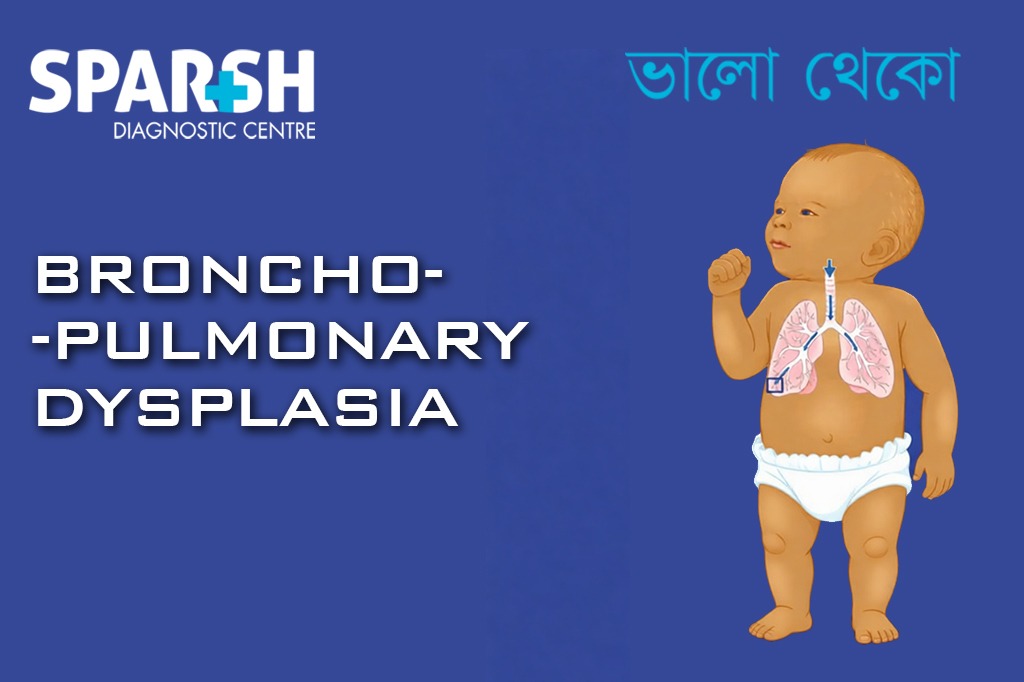
Bronchopulmonary Dysplasia (BPD) is one of the most common chronic lung diseases seen in premature infants. It primarily affects babies who are born very early and require oxygen therapy or mechanical ventilation to help them breathe. While advances in neonatal care have significantly improved survival rates among premature infants, BPD remains a major health concern due to its impact on lung development and long-term respiratory health.
For parents, hearing that their newborn has Bronchopulmonary Dysplasia can be overwhelming. Understanding the condition, its causes, treatment options, and long-term outlook can help families navigate this challenging journey with greater confidence.
In this comprehensive guide, we’ll explore everything you need to know about Bronchopulmonary Dysplasia, including symptoms, risk factors, diagnosis, treatment, and answers to common questions.
What Is Bronchopulmonary Dysplasia?
Bronchopulmonary Dysplasia is a chronic lung disease that develops in newborns, particularly those born prematurely. The condition occurs when a baby’s lungs are not fully developed at birth and become damaged due to prolonged oxygen therapy, mechanical ventilation, infections, or inflammation.
The lungs of premature infants are delicate and still undergoing critical stages of development. When these immature lungs are exposed to treatments necessary for survival, such as supplemental oxygen or ventilator support, inflammation and scarring may occur. This can interfere with normal lung growth and lead to long-term breathing difficulties.
BPD is most commonly diagnosed in babies who are born before 32 weeks of pregnancy and weigh less than 1,500 grams (approximately 3.3 pounds).
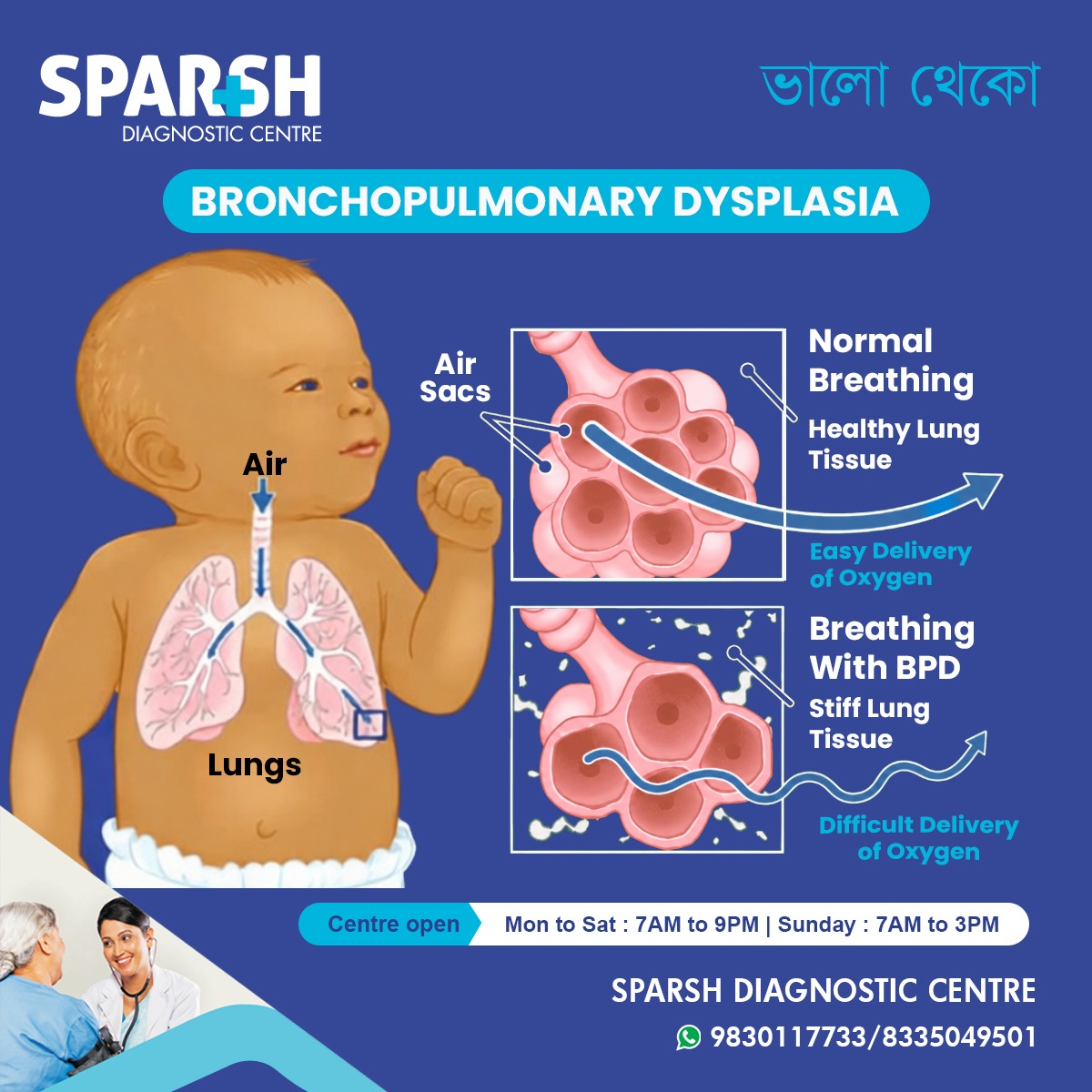
What Is the Cause of Bronchopulmonary Dysplasia?
Bronchopulmonary Dysplasia does not have a single cause. Instead, it results from a combination of factors that damage the lungs of premature infants.
The primary causes include:
Premature Birth
The most significant cause of BPD is premature birth. Babies born too early have underdeveloped lungs that are more vulnerable to injury.
Oxygen Therapy
While oxygen therapy is often life-saving, prolonged exposure to high oxygen levels can irritate and damage delicate lung tissues.
Mechanical Ventilation
Ventilators help babies breathe when their lungs are not mature enough. However, the pressure from ventilation can cause lung injury over time.
Lung Inflammation
Inflammation caused by infections, respiratory distress syndrome, or other medical complications can interfere with lung development.
Prenatal Factors
Certain maternal conditions, such as infections during pregnancy, smoking, or poor prenatal health, may increase the likelihood of lung problems in newborns.
What Are the Risk Factors for BPD?
Several factors increase the risk of developing Bronchopulmonary Dysplasia:
- Birth before 32 weeks of gestation
- Very low birth weight
- Prolonged oxygen therapy
- Extended use of mechanical ventilation
- Respiratory Distress Syndrome (RDS)
- Neonatal infections
- Patent Ductus Arteriosus (PDA)
- Maternal smoking during pregnancy
- Poor prenatal nutrition
- Genetic predisposition
The earlier a baby is born and the lower their birth weight, the greater the risk of developing BPD.
Symptoms of Bronchopulmonary Dysplasia
Symptoms may vary depending on the severity of the condition.
Common signs include:
- Rapid breathing
- Difficulty breathing
- Wheezing
- Persistent cough
- Increased effort while breathing
- Retractions (visible pulling in of chest muscles)
- Bluish skin color due to low oxygen levels
- Need for supplemental oxygen
- Poor feeding
- Slow weight gain
In severe cases, babies may experience recurrent respiratory infections and prolonged hospitalization.
What Are the Criteria for Bronchopulmonary Dysplasia?
Doctors diagnose Bronchopulmonary Dysplasia based on a baby’s oxygen needs and gestational age.
The commonly used criteria include:
Mild BPD
The infant requires supplemental oxygen for at least 28 days but no longer needs oxygen by 36 weeks postmenstrual age.
Moderate BPD
The baby requires less than 30% oxygen at 36 weeks postmenstrual age.
Severe BPD
The infant requires more than 30% oxygen and/or positive pressure ventilation at 36 weeks postmenstrual age.
Diagnosis also involves clinical evaluation, imaging studies, and monitoring of respiratory status.
How Is Bronchopulmonary Dysplasia Diagnosed?
Diagnosing BPD involves a combination of medical history, physical examination, and diagnostic tests.
Physical Examination
Doctors assess breathing patterns, oxygen requirements, and overall lung function.
Chest X-Ray
Chest imaging can reveal characteristic changes in lung tissue associated with BPD.
Blood Tests
Blood tests may be used to evaluate oxygen levels and identify infections.
Echocardiogram
An echocardiogram may be performed to assess heart function and detect complications such as pulmonary hypertension.
Oxygen Monitoring
Continuous oxygen monitoring helps determine the severity of respiratory impairment.
How Do You Treat BPD in Neonates?
Treatment focuses on supporting breathing, promoting lung growth, and preventing complications.
Since lung tissue continues to develop after birth, many treatments aim to protect the lungs while allowing them to mature.
Oxygen Therapy
Supplemental oxygen helps ensure adequate oxygen delivery to the body’s tissues.
Gentle Ventilation Strategies
Modern neonatal intensive care units use less invasive ventilation methods whenever possible to minimize lung injury.
Nutritional Support
Premature infants with BPD require extra calories and nutrients to support lung development and overall growth.
Medications
Doctors may prescribe medications such as:
- Bronchodilators
- Diuretics
- Corticosteroids
- Antibiotics when infections are present
Fluid Management
Careful control of fluid intake helps reduce excess fluid in the lungs.
Infection Prevention
Vaccinations and preventive measures help protect infants from respiratory infections that could worsen lung function.
What Are the Treatments for BPD?
The treatment plan depends on the severity of the disease and the baby’s individual needs.
Common treatments include:
Respiratory Support
- Supplemental oxygen
- CPAP (Continuous Positive Airway Pressure)
- Mechanical ventilation when necessary
Medications
- Bronchodilators to open airways
- Diuretics to reduce fluid buildup
- Corticosteroids to decrease inflammation
Nutritional Therapy
Proper nutrition plays a critical role in supporting lung growth and immune function.
Pulmonary Rehabilitation
As children grow, respiratory therapy and pulmonary rehabilitation may improve breathing capacity.
Monitoring and Follow-Up
Regular follow-up appointments help healthcare providers monitor lung development and identify complications early.
Can Bronchopulmonary Dysplasia Be Cured?
There is currently no immediate cure for Bronchopulmonary Dysplasia. The lung damage that occurs during infancy cannot be completely reversed.
However, the good news is that lung growth continues throughout childhood. Many babies experience significant improvement over time as their lungs mature and develop new airways and air sacs.
With proper treatment and ongoing medical care, most children can lead active and healthy lives.
Do Babies Outgrow BPD?
Yes, many babies gradually outgrow the most severe symptoms of BPD.
As children grow, their lungs continue to develop, allowing respiratory function to improve. Some infants who require oxygen therapy during infancy may eventually breathe normally without assistance.
The extent of improvement depends on factors such as:
- Severity of lung injury
- Degree of prematurity
- Presence of other medical conditions
- Quality of medical care and follow-up
Many children show substantial improvement by early childhood.
Does BPD Go Away in Babies?
In many cases, symptoms become less noticeable as the lungs mature. Mild cases may resolve almost completely during childhood.
However, some children continue to experience respiratory challenges, including:
- Asthma-like symptoms
- Exercise intolerance
- Increased susceptibility to respiratory infections
While the diagnosis may no longer be clinically significant later in life, some degree of lung vulnerability can persist.
Is Bronchopulmonary Dysplasia Lifelong?
The answer varies from child to child.
Many infants with mild or moderate BPD recover well and have minimal long-term health issues.
However, severe BPD can lead to lifelong respiratory complications, including:
- Chronic breathing problems
- Reduced lung function
- Increased risk of asthma
- Pulmonary hypertension
- Frequent respiratory infections
Regular medical follow-up is important to monitor lung health as the child grows.
Long-Term Effects of Bronchopulmonary Dysplasia
Respiratory Problems
Children may experience:
- Wheezing
- Chronic cough
- Reduced exercise tolerance
- Recurrent pneumonia
Growth and Development Challenges
The increased energy required for breathing can affect growth, especially during infancy.
Pulmonary Hypertension
Some infants develop high blood pressure in the arteries of the lungs, which can place additional strain on the heart.
Neurodevelopmental Concerns
Premature infants with severe BPD may face a higher risk of developmental delays, although outcomes vary widely.
Increased Hospitalizations
Respiratory infections often lead to hospital admissions during early childhood.
Is BPD Fully Treatable?
BPD is manageable but not always fully reversible.
Modern treatment approaches can significantly improve lung function, reduce symptoms, and enhance quality of life. Many children with BPD achieve normal or near-normal activity levels as they grow.
Early diagnosis, specialized neonatal care, and consistent follow-up greatly improve outcomes.
Preventing Bronchopulmonary Dysplasia
Although not all cases can be prevented, several strategies help reduce risk:
Prevent Premature Birth
Good prenatal care is essential for lowering the risk of preterm delivery.
Antenatal Steroids
Steroids given before preterm birth help accelerate fetal lung maturation.
Gentle Respiratory Care
Using the lowest effective oxygen levels and minimizing ventilator-related injury can reduce lung damage.
Infection Control
Preventing infections before and after birth supports healthier lung development.
Optimal Nutrition
Adequate nutrition during pregnancy and infancy promotes lung growth and healing.
Living With a Child Who Has BPD
Parents play a crucial role in supporting their child’s respiratory health.
Helpful measures include:
- Avoiding exposure to cigarette smoke
- Maintaining recommended vaccinations
- Practicing good hand hygiene
- Attending regular medical appointments
- Following oxygen therapy instructions carefully
- Providing proper nutrition
With attentive care and medical support, many children thrive despite an early diagnosis of BPD.
Prognosis of Bronchopulmonary Dysplasia
The prognosis has improved dramatically over the past few decades due to advances in neonatal intensive care.
Most infants survive and experience gradual improvement in lung function. While some may continue to have respiratory challenges into adolescence or adulthood, many lead healthy and active lives.
The outlook largely depends on:
- Severity of lung disease
- Gestational age at birth
- Presence of other complications
- Access to specialized medical care
Early intervention remains the key to achieving the best possible outcomes.
Frequently Asked Questions (FAQs)
1. What is the cause of bronchopulmonary dysplasia?
Bronchopulmonary Dysplasia is primarily caused by premature birth and lung injury resulting from prolonged oxygen therapy, mechanical ventilation, inflammation, and infections affecting immature lungs.
2. Do babies outgrow BPD?
Many babies improve significantly as their lungs mature. Mild and moderate cases often show substantial recovery during childhood.
3. How do you treat BPD in neonates?
Treatment includes oxygen therapy, gentle ventilation strategies, nutritional support, medications such as bronchodilators and diuretics, fluid management, and infection prevention.
4. What are the criteria for bronchopulmonary dysplasia?
BPD is generally diagnosed when a premature infant requires supplemental oxygen for at least 28 days, with severity classified according to oxygen needs at 36 weeks postmenstrual age.
5. Can bronchopulmonary dysplasia be cured?
There is no complete cure, but many children experience major improvements as their lungs grow and develop.
6. Does BPD go away in babies?
In many cases, symptoms lessen considerably over time. Some children may have few or no noticeable respiratory problems later in life.
7. Is bronchopulmonary dysplasia lifelong?
Not always. Some children recover almost completely, while others may experience long-term respiratory issues depending on disease severity.
8. What are the risk factors for BPD?
Risk factors include extreme prematurity, low birth weight, prolonged ventilation, oxygen therapy, respiratory distress syndrome, infections, and maternal smoking.
9. Is BPD fully treatable?
BPD is manageable with modern medical care. While lung damage may not be completely reversible, symptoms can often be controlled effectively.
10. What are the long-term effects of BPD?
Long-term effects may include asthma-like symptoms, chronic lung disease, pulmonary hypertension, recurrent respiratory infections, and reduced exercise tolerance.
11. What are the treatments for BPD?
Treatments include respiratory support, medications, nutritional therapy, fluid management, infection prevention, pulmonary rehabilitation, and regular monitoring.
Bronchopulmonary Dysplasia is a complex chronic lung condition that primarily affects premature infants. Although it can present significant challenges during infancy, advances in neonatal care have greatly improved outcomes. Early diagnosis, appropriate treatment, nutritional support, and regular follow-up can help children achieve healthier lung development and better quality of life.
While BPD may not always be completely curable, many babies experience remarkable improvement as they grow. Understanding the condition empowers parents and caregivers to make informed decisions and provide the best possible support for their child’s respiratory health.
To consult a Doctor or get full body check-up done at Sparsh Diagnostic Centre, call our helpline numbers 9830117733/ 8335049501.
#BhaloTheko
Disclaimer:
No content on this site, regardless of date, should ever be used as a substitute for direct medical advice from your doctor or other qualified clinician.