


Insulin sensitivity is an important part of metabolic health, but it is often discussed online in confusing ways. You may have heard about “insulin spikes,” insulin resistance, low-carb diets, fasting, supplements or a supposed “3-day insulin reset.”
The basic idea is actually quite simple: insulin sensitivity describes how well your body’s cells respond to insulin. When cells respond well, the body generally needs less insulin to help glucose move from the bloodstream into tissues. When cells respond poorly, the pancreas may need to produce more insulin to achieve the same effect. This reduced response is called insulin resistance.
Insulin sensitivity is influenced by several factors, including physical activity, body fat, diet, sleep, genetics and some medical conditions. The good news is that many lifestyle changes can improve insulin sensitivity and help reduce the risk of prediabetes and type 2 diabetes.
What is insulin sensitivity?
Insulin is a hormone produced by the pancreas. After you eat, carbohydrates are broken down into glucose, which enters your bloodstream. Insulin helps your muscles, liver and fat cells take up and use or store glucose.
Insulin sensitivity refers to how effectively your cells respond to insulin.
If you are insulin sensitive, your cells respond appropriately to relatively small amounts of insulin. If your insulin sensitivity is low, your body may need to produce more insulin to achieve the same effect.
This is why insulin sensitivity and insulin resistance are essentially opposite concepts. ScienceDirect describes insulin sensitivity as the inverse of insulin resistance.
Insulin resistance does not automatically mean that someone has diabetes. In its early stages, the pancreas may compensate by producing more insulin, allowing blood glucose to remain within the normal range. Over time, however, the pancreas may struggle to keep up, and blood glucose can rise into the prediabetes or diabetes range.
Is insulin sensitivity a good or bad thing?
Good insulin sensitivity is generally beneficial.
It means your body is responding appropriately to insulin and can regulate blood glucose effectively.
Insulin resistance, on the other hand, is associated with an increased risk of prediabetes and type 2 diabetes. However, insulin sensitivity isn’t something that should be viewed as simply “high” or “low” based on one symptom or one blood test.
The goal is healthy insulin action and stable blood glucose, rather than trying to achieve the lowest possible insulin level.
What does high insulin sensitivity mean?
High insulin sensitivity means your body’s tissues respond efficiently to insulin.
For example, after a meal containing carbohydrates, a person with good insulin sensitivity may be able to move glucose from the bloodstream into muscle and other tissues without requiring as much insulin as someone who is insulin resistant.
Regular physical activity is one reason insulin sensitivity can improve. Exercise increases the muscles’ ability to take up glucose, and physical activity is an important part of preventing and managing insulin resistance.
Is high insulin sensitivity always better?
Generally, good insulin sensitivity is desirable. However, context matters.
For someone taking insulin or certain glucose-lowering medicines, unusually low blood glucose can occur if medication, food intake and insulin sensitivity are not appropriately balanced. Therefore, people taking diabetes medication should not attempt to manipulate insulin sensitivity or medication doses without medical advice.
How do you know you are insulin sensitive?
There is no single symptom that can reliably tell you that you are insulin sensitive.
People with good insulin sensitivity may simply have normal blood glucose regulation without obvious symptoms. Conversely, someone can have insulin resistance for years without knowing it because insulin resistance and prediabetes often produce few or no noticeable symptoms.
Some indirect clues that suggest healthy metabolic function include:
- Normal fasting blood glucose
- Normal HbA1c
- Healthy blood pressure
- Healthy triglyceride and HDL cholesterol levels
- A healthy waist circumference
- Regular physical activity
- Stable weight
- No signs of metabolic disease
These clues do not prove insulin sensitivity. A healthcare professional needs to interpret your results in context.
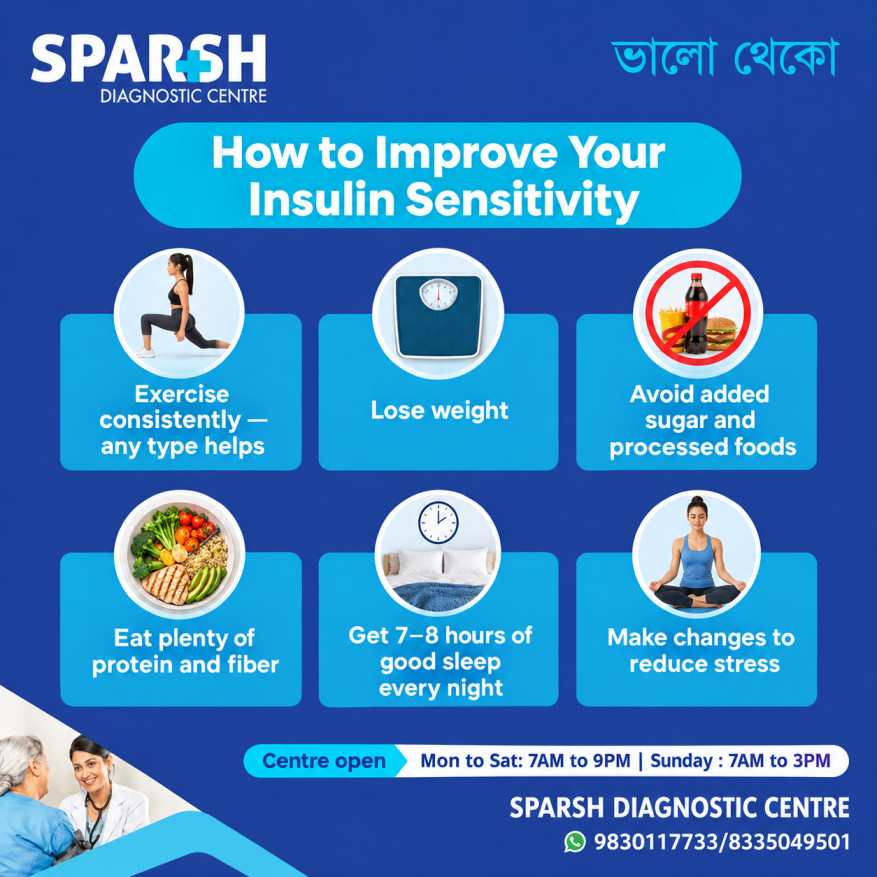
How can I increase my insulin sensitivity?
The most useful strategies are surprisingly practical.
1. Exercise consistently
Physical activity is one of the most effective lifestyle tools for improving insulin action.
Walking, cycling, swimming, resistance training and other forms of exercise can help muscles use glucose more effectively. You do not necessarily need intense workouts. Regular movement matters.
A useful general target for adults is at least 150 minutes of moderate-intensity physical activity per week, along with muscle-strengthening activity on two or more days each week.
Even a 10-minute walk after a meal can be a practical way to add movement to your day.
2. Lose excess weight if appropriate
If you have overweight or obesity, even modest weight loss can improve metabolic health.
NIDDK notes that losing around 5% to 7% of starting body weight can help reduce the risk of developing type 2 diabetes in people at increased risk.
Weight loss should not be treated as a requirement for everyone, however. A person at a healthy weight can still develop insulin resistance.
3. Eat more fibre-rich foods
Fibre can help with blood glucose control and may support better metabolic health.
Good choices include:
- Dal and other pulses
- Chickpeas and beans
- Oats and barley
- Whole grains
- Vegetables
- Nuts and seeds
- Whole fruits
Choose whole fruit rather than fruit juice when possible because whole fruit provides fibre and generally takes longer to consume.
4. Reduce added sugar and highly processed foods
You don’t need to eliminate every carbohydrate to improve insulin sensitivity.
Instead, pay attention to the quality and quantity of carbohydrates.
Frequent consumption of sugary drinks, sweets, refined bakery products and highly processed foods can make it harder to maintain healthy blood glucose and calorie intake.
Healthline’s review similarly highlights physical activity, sleep, weight management, fibre-rich foods and reducing added sugars as practical approaches to improving insulin sensitivity.
5. Get enough sleep
Sleep is not just about feeling rested.
Poor sleep and sleep problems can affect metabolic health. The American Diabetes Association’s 2026 Standards of Care notes evidence that improving sleep may also improve insulin resistance in some people.
Aim for a consistent sleep schedule and adequate sleep rather than relying on occasional catch-up sleep.
6. Manage chronic stress
Stress hormones can influence blood glucose and insulin action. Managing stress does not mean eliminating all stress from life. Instead, regular physical activity, relaxation techniques, adequate sleep and social connection can help.
7. Avoid sitting for very long periods
Even if you exercise regularly, prolonged periods of sitting can reduce your overall daily movement.
Try breaking up long periods of sitting with short walks, stretching or other light activity.
What foods raise insulin sensitivity?
No single food magically “fixes” insulin resistance. A dietary pattern is more important.
Foods that can fit well into an insulin-friendly eating pattern include:
Legumes: dal, chickpeas, rajma, black beans and other pulses.
High-fibre grains: oats, barley and whole grains.
Vegetables: leafy greens, cauliflower, broccoli, beans, carrots, tomatoes and other colourful vegetables.
Whole fruits: berries, apples, guava, oranges and other whole fruits.
Nuts and seeds: almonds, walnuts, peanuts, chia seeds and flaxseeds.
Protein-rich foods: pulses, beans, tofu, paneer in appropriate portions, eggs or other protein sources depending on dietary preference.
The bigger picture is to combine protein, fibre-rich carbohydrates and healthy fats rather than building your diet around sugary or highly processed foods.
What foods cause too much insulin?
It is important not to oversimplify this.
Insulin is supposed to rise after eating. A rise in insulin after a meal is a normal physiological response.
Foods that can produce a rapid rise in blood glucose and consequently stimulate a substantial insulin response include:
- Sugary drinks
- Sweets and desserts
- Large amounts of refined carbohydrates
- White bread and refined bakery products
- Highly processed snack foods
- Foods containing substantial amounts of added sugar
However, protein can also stimulate insulin secretion, and mixed meals can produce different responses depending on their carbohydrate, protein, fat and fibre content.
So the goal should not be “never increase insulin.” The goal is healthy glucose regulation and appropriate insulin responses over time.
What are 12 signs of insulin resistance?
There is no medically validated checklist of exactly 12 symptoms of insulin resistance. In fact, insulin resistance frequently has no obvious symptoms.
However, the following can be clues or associated findings worth discussing with a healthcare professional:
- Increased waist circumference or abdominal fat
- Elevated fasting blood glucose
- HbA1c in the prediabetes range
- High triglycerides
- Low HDL cholesterol
- High blood pressure
- Acanthosis nigricans — dark, thickened skin, often around the neck or armpits
- Multiple skin tags
- Fatty liver or metabolic dysfunction-associated steatotic liver disease
- Polycystic ovary syndrome (PCOS)
- A strong family history of type 2 diabetes
- Physical inactivity or significant weight gain
Several of these are risk factors rather than symptoms, so they should not be used to self-diagnose insulin resistance. CDC and ADA guidance identifies factors such as physical inactivity, abnormal blood lipids, family history, overweight/obesity and certain clinical conditions as relevant risk factors.
What are normal insulin levels?
There is no single universal “normal insulin level” that applies to every person and every laboratory.
For example, Mayo Clinic Laboratories lists a fasting serum insulin reference interval of 2.6–24.9 mcIU/mL for its assay. Reference ranges can differ between laboratories and must be interpreted alongside the patient’s glucose level, clinical history and other test results.
A fasting insulin value by itself also cannot tell the whole story.
For example, someone can have normal glucose but elevated insulin because the pancreas is producing more insulin to compensate for reduced insulin sensitivity.
That is why interpreting fasting glucose, HbA1c, insulin and sometimes other tests together can be more informative than focusing on one number.
How to test insulin sensitivity at home?
There is currently no simple home test that directly measures insulin sensitivity with the accuracy of specialised metabolic testing.
You can, however, measure blood glucose at home using a glucose meter. A continuous glucose monitor (CGM) can also show glucose patterns throughout the day.
These devices can help you understand how your glucose changes after meals, activity and sleep, but they do not directly measure insulin sensitivity.
For example, a person might have normal glucose readings because their pancreas is producing enough extra insulin to compensate for insulin resistance.
For clinical assessment, healthcare professionals may use fasting glucose, HbA1c and oral glucose tolerance testing to identify prediabetes or diabetes.
Specialised research settings can measure insulin sensitivity more directly using techniques such as the hyperinsulinemic-euglycemic clamp, but these are not routine home tests.
Can insulin sensitivity be reversed?
Insulin resistance can often be improved substantially, and in some people it can be reversed.
The outcome depends on the underlying causes and the individual’s health.
Regular physical activity, appropriate weight management, healthy eating, adequate sleep and treatment of associated medical conditions can improve insulin sensitivity. NIDDK specifically notes that healthy lifestyle changes may help prevent or reverse insulin resistance and prediabetes.
However, “reversal” does not mean that someone can permanently ignore lifestyle or medical care. Insulin resistance can return if the underlying factors return.
What is the 3-day rule for insulin?
The phrase “3-day rule” is not a standard medical rule for improving insulin sensitivity.
In some diabetes care settings, a three-day rule has been used when reviewing repeated blood glucose readings before considering an insulin-dose adjustment. The idea is that one unusual glucose reading may be caused by food, stress, illness, activity or another temporary factor, so repeated patterns can be more useful.
This should not be interpreted as a three-day insulin reset, detox or guaranteed method of reversing insulin resistance.
If you take insulin, do not change your dose based on an internet “3-day rule” without guidance from your diabetes care team.
What vitamin stops insulin resistance?
No vitamin has been proven to stop or cure insulin resistance.
Vitamin D is frequently promoted online for this purpose. However, a systematic review and meta-analysis of randomized controlled trials found no evidence that vitamin D supplementation produced a meaningful improvement in peripheral insulin sensitivity in people with or at risk of insulin resistance.
That does not mean vitamin D is unimportant. If you have vitamin D deficiency, treating it may be appropriate for your overall health.
But taking extra vitamin D solely to “fix insulin resistance” is not supported by strong evidence.
How to naturally fix insulin sensitivity?
There is no overnight fix. A more realistic approach is to build habits that improve metabolic health over weeks and months.
A simple starting plan could look like this:
Move: Aim for regular walking or another activity you enjoy, gradually working toward recommended weekly activity levels.
Strengthen: Include resistance exercises at least twice a week if appropriate for your health.
Build meals around whole foods: Include vegetables, pulses, whole grains, nuts, seeds and appropriate protein.
Reduce added sugar: Especially sugary beverages and frequent sweets.
Sleep consistently: Make adequate sleep part of your health routine.
Manage your weight if needed: Even modest weight loss can make a difference for people with overweight or obesity.
Monitor your health: If you have risk factors, discuss HbA1c, fasting glucose and other appropriate tests with your doctor.
These approaches are consistent with guidance from NIDDK and CDC for reducing the risk of insulin resistance, prediabetes and type 2 diabetes.
What are the signs that you should get tested?
Because insulin resistance can be silent, waiting for symptoms isn’t always a good strategy.
Consider discussing diabetes or prediabetes screening with your healthcare professional if you have risk factors such as overweight or obesity, physical inactivity, a family history of diabetes, high blood pressure, abnormal cholesterol or triglycerides, PCOS, or other conditions associated with insulin resistance.
Current diagnostic testing commonly includes HbA1c, fasting plasma glucose and, when appropriate, a 2-hour oral glucose tolerance test.
For adults who are not pregnant, NIDDK lists the following commonly used diagnostic ranges:
| Test | Normal | Prediabetes | Diabetes |
|---|---|---|---|
| HbA1c | Below 5.7% | 5.7–6.4% | 6.5% or above |
| Fasting plasma glucose | 99 mg/dL or below | 100–125 mg/dL | 126 mg/dL or above |
| 2-hour OGTT | 139 mg/dL or below | 140–199 mg/dL | 200 mg/dL or above |
These are diagnostic thresholds, not direct measurements of insulin sensitivity. Diabetes diagnosis generally requires appropriate confirmation unless there is a clear clinical presentation.
Frequently asked questions about insulin sensitivity
How do you know you are insulin sensitive?
You generally cannot determine this from symptoms alone. Normal glucose regulation, healthy metabolic markers and an appropriate response to insulin may suggest good insulin sensitivity, but a healthcare professional should interpret the overall picture.
How can I increase my insulin sensitivity?
Regular exercise, resistance training, adequate sleep, eating more fibre-rich whole foods, reducing added sugars, managing weight when appropriate and avoiding prolonged inactivity can all help.
What does high insulin sensitivity mean?
It means your body’s tissues respond efficiently to insulin. This is generally considered beneficial for metabolic health.
What are normal insulin levels?
There is no universal value for everyone. One laboratory reference range for fasting insulin is 2.6–24.9 mcIU/mL, but the range and interpretation can vary.
How to test insulin sensitivity at home?
You can monitor glucose using a blood glucose meter or CGM, but these do not directly measure insulin sensitivity. Proper assessment may require laboratory testing and clinical interpretation.
What are 12 signs of insulin resistance?
There is no official list of exactly 12 signs. Insulin resistance is often silent. Abdominal obesity, abnormal glucose, high triglycerides, low HDL, high blood pressure, acanthosis nigricans, skin tags, fatty liver, PCOS, family history and physical inactivity can be important clues or risk factors.
What foods raise insulin sensitivity?
Fibre-rich foods such as vegetables, pulses, beans, whole grains, nuts, seeds and whole fruits can form part of a dietary pattern that supports metabolic health.
What is the 3-day rule for insulin?
The phrase can refer to reviewing repeated glucose readings over three days before adjusting insulin in some diabetes-care protocols. It is not a recognised three-day method for permanently improving insulin sensitivity.
What vitamin stops insulin resistance?
No vitamin has been proven to stop insulin resistance. Vitamin D supplementation has not consistently been shown to improve insulin sensitivity in clinical trials.
Can insulin sensitivity be reversed?
Insulin resistance can often improve significantly with lifestyle changes and appropriate medical treatment. In some people, it can be reversed, although ongoing healthy habits may still be necessary.
What foods cause too much insulin?
Sugary drinks, sweets and refined, highly processed carbohydrate-rich foods can produce rapid glucose and insulin responses. However, insulin naturally rises after meals, and the response depends on the complete meal rather than one food alone.
Is insulin sensitivity a good or bad thing?
Good insulin sensitivity is generally beneficial. It means your body responds effectively to insulin.
How do I know if I have high insulin sensitivity?
There isn’t a reliable symptom checklist. Blood glucose, HbA1c, insulin and other metabolic measurements may provide useful information, but they need to be interpreted together.
How to naturally fix insulin sensitivity?
Focus on consistent physical activity, strength training, nutritious high-fibre foods, less added sugar, adequate sleep, stress management and healthy weight management where appropriate.
The bottom line
Insulin sensitivity is an important marker of metabolic health, but it is not something you need to obsessively monitor through individual “insulin spikes.”
The fundamentals remain the most useful: move regularly, build meals around minimally processed foods, eat enough fibre and protein, limit added sugar, sleep well and maintain a healthy weight when appropriate.
If you are concerned about insulin resistance, don’t rely on symptoms alone. Insulin resistance can exist without obvious warning signs. Blood tests such as HbA1c, fasting glucose and, when indicated, an oral glucose tolerance test can help identify prediabetes or diabetes.
And remember: there is no magic vitamin, three-day reset or single food that can replace consistent lifestyle habits and appropriate medical care.




[…] 5. Improving Insulin Sensitivity […]
[…] activity: Regular moderate-to-vigorous activity improves insulin sensitivity, helps weight control, supports well-being. Even simple habits like brisk walking or short activity […]
[…] Silymarin has been shown to improve insulin sensitivity […]
[…] Increased Insulin Sensitivity: Low cortisol levels can increase the body’s sensitivity to insulin, which can further lower blood glucose levels, especially after meals. […]
[…] and an increased risk of type 2 diabetes. Vitamin D’s role in regulating glucose metabolism and insulin sensitivity is an area of active […]
[…] 1. Improves Insulin Sensitivity […]
[…] Resistance training also helps improve insulin sensitivity. […]
[…] diet low in refined carbohydrates and sugars can help reduce insulin levels and improve insulin sensitivity. Focus on whole, unprocessed foods, including vegetables, lean proteins, healthy fats, and whole […]
[…] major contributor to prediabetes. Regular physical activity helps lower blood sugar by increasing insulin sensitivity and allowing muscles to use glucose for […]
[…] Exercise: Engaging in regular physical activity to help lower blood sugar levels and improve insulin sensitivity. […]
[…] Mechanism: Weight loss and improved insulin sensitivity associated with IF can enhance HDL […]
[…] Microbiome’s role in insulin sensitivity […]
[…] lifestyle: Lack of physical activity contributes to weight gain and reduces insulin sensitivity, leading to higher blood sugar […]
[…] insulin, the hormone that controls blood sugar levels. Adequate zinc levels can help improve insulin sensitivity and may be beneficial for individuals with metabolic disorders like […]
[…] is essential for regulating blood sugar levels. Insulin resistance occurs when cells become less sensitive to insulin, leading to higher blood sugar and the risk of developing type 2 […]
[…] training can also improve insulin sensitivity, making it an effective tool for managing blood sugar levels and reducing the risk of type 2 […]
[…] Regular physical activity helps regulate blood sugar levels by increasing insulin sensitivity. Pregnant women are often advised to engage in moderate exercise, such as walking, swimming, or […]
[…] When fasting, especially for extended periods, glucose becomes scarce, and the body shifts into a metabolic state called ketosis, where it begins to burn stored fat for energy. This transition helps the body reduce fat stores, stabilize blood sugar levels, and improve insulin sensitivity. […]
[…] show that consuming more of your daily calories earlier in the day can improve fat oxidation, insulin sensitivity, and metabolic efficiency. When you eat a large meal late at night, your body is less efficient at […]
[…] also evaluate other markers of health, such as inflammation levels (e.g., C-reactive protein) or insulin sensitivity. If three or more of the five criteria are present, a diagnosis of metabolic syndrome is […]
[…] and managing impaired insulin sensitivity involves lifestyle modifications that improve insulin sensitivity and overall health. Here are some […]