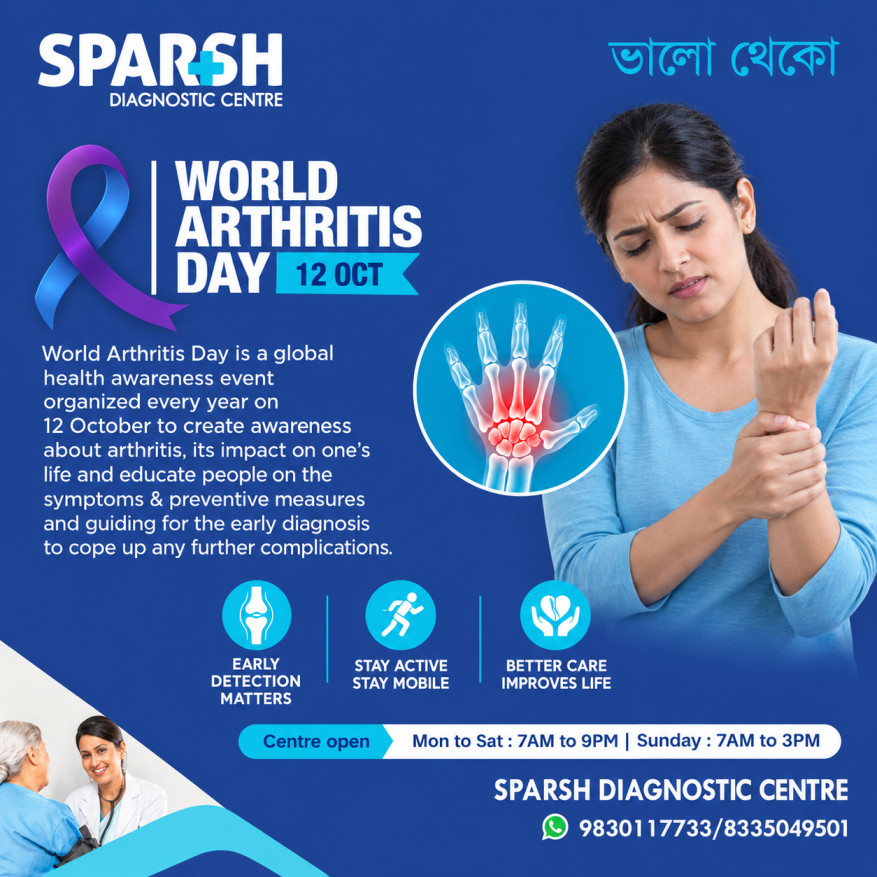
Every year on 12 October, World Arthritis Day draws attention to a group of conditions that can affect movement, independence, work and everyday life. Arthritis is often casually described as “joint pain”, but the reality is much broader. There are more than 100 different types of arthritis, ranging from osteoarthritis and rheumatoid arthritis to gout and psoriatic arthritis.
For some people, arthritis causes occasional stiffness. For others, it can lead to persistent pain, swelling, fatigue, reduced mobility and difficulty performing routine activities.
World Arthritis Day is therefore more than just an awareness date. It is an opportunity to understand arthritis, recognise symptoms early and encourage people to seek appropriate medical care rather than simply accepting joint pain as an unavoidable part of ageing.
In this article, we look at why World Arthritis Day is celebrated, who started it, the World Arthritis Day 2026 theme, the major types of arthritis, symptoms, treatment options and ways to manage arthritis pain.
When is World Arthritis Day celebrated?
World Arthritis Day is observed every year on 12 October.
It is a global awareness day focused on arthritis and, more broadly, rheumatic and musculoskeletal diseases (RMDs). These conditions can affect joints, muscles, bones and connective tissues and may have a significant impact on a person’s mobility and quality of life.
The date provides an opportunity for healthcare organisations, patient groups, medical professionals and communities to talk about arthritis and the importance of early diagnosis, appropriate treatment and long-term support.
Why do we celebrate World Arthritis Day?
We celebrate World Arthritis Day to raise awareness about arthritis and other rheumatic and musculoskeletal diseases and their impact on individuals, families and society.
One of the biggest challenges is that arthritis is sometimes dismissed as nothing more than an inevitable consequence of getting older. That is not accurate. Although the risk of certain types of arthritis increases with age, arthritis can affect people of different ages, including children and young adults.
World Arthritis Day helps draw attention to several important issues:
- Recognising the early symptoms of arthritis
- Encouraging people to seek medical advice
- Promoting early diagnosis and appropriate treatment
- Increasing awareness of different types of arthritis
- Reducing misconceptions surrounding arthritis
- Supporting people living with chronic pain and disability
- Promoting physical activity and healthy lifestyle habits
- Encouraging research into better treatments
- Improving access to appropriate healthcare
The wider message is simple: persistent joint pain or stiffness should not automatically be ignored or accepted as “normal ageing”.
Who started World Arthritis Day?
World Arthritis Day was initially established in 1996 by Arthritis and Rheumatism International (ARI).
According to the European Alliance of Associations for Rheumatology (EULAR), the day was created as a global initiative to increase awareness of rheumatic and musculoskeletal diseases and their impact.
The campaign has since developed into an international awareness effort involving patient organisations, healthcare professionals, researchers and advocacy groups.
It is worth noting that the Arthritis Foundation also commemorates 12 October as World Arthritis Day, helping raise awareness about the far-reaching effects of arthritis.
What is arthritis?
Arthritis is not a single disease. It is a broad term used for more than 100 conditions that affect the joints and surrounding tissues.
Depending on the type, arthritis may involve inflammation, cartilage breakdown, autoimmune activity, crystal deposits or other processes that affect the joint.
Common symptoms include:
- Joint pain
- Joint stiffness
- Swelling
- Tenderness
- Reduced range of movement
- Warmth around an affected joint
- Difficulty performing everyday activities
Some forms of arthritis primarily affect the joints, while others can affect different organs and systems of the body.
For example, rheumatoid arthritis is an autoimmune condition in which the immune system attacks tissues in the joints. Osteoarthritis, on the other hand, involves progressive changes to cartilage and other joint structures.
This is why identifying the specific type of arthritis is important. Treatment that is appropriate for one type may not be appropriate for another.
What are the types of arthritis?
There are more than 100 types of arthritis. Some of the more common and important forms include:
Osteoarthritis
Osteoarthritis is the most common type of arthritis. It commonly affects the knees, hips, hands and spine.
It develops through changes in cartilage and other structures within the joint. Symptoms can include pain, stiffness, swelling and difficulty moving the affected joint.
Age, previous joint injury, excess body weight, genetics and repetitive stress on joints can contribute to the risk of osteoarthritis.
Rheumatoid arthritis
Rheumatoid arthritis (RA) is an autoimmune disease. The immune system mistakenly attacks the tissues lining the joints, resulting in inflammation.
RA commonly affects the hands, wrists and feet, often on both sides of the body. It can also affect the knees, shoulders and other joints.
Unlike osteoarthritis, rheumatoid arthritis can also affect organs outside the joints, including the lungs, heart, eyes and skin.
Psoriatic arthritis
Psoriatic arthritis is an inflammatory form of arthritis associated with psoriasis. It can cause joint pain, swelling and stiffness and may affect the fingers, toes, spine and other joints.
Some people develop arthritis before their skin symptoms become obvious.
Gout
Gout occurs when uric acid crystals accumulate in a joint, causing sudden and intense inflammation.
The big toe is a common site, although gout can affect other joints as well. Attacks may cause severe pain, swelling, redness and warmth.
Juvenile arthritis
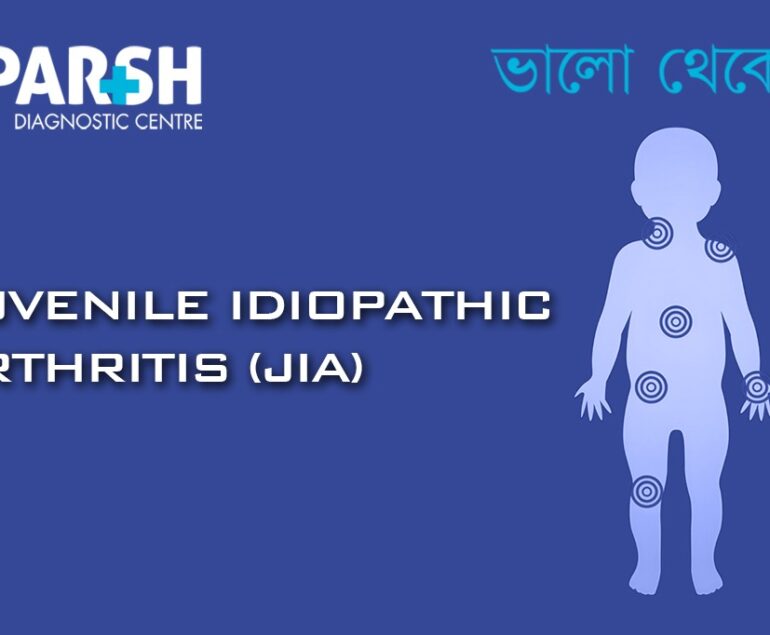
Juvenile idiopathic arthritis refers to inflammatory arthritis that begins during childhood. Symptoms can include joint swelling, pain and stiffness.
Because children are still growing and developing, early assessment and appropriate management are particularly important.
Ankylosing spondylitis and axial spondyloarthritis
These conditions primarily affect the spine and the joints connecting the spine to the pelvis. Back pain and stiffness, particularly after periods of rest, are common features.
There are many other forms of arthritis and rheumatic disease, which is why persistent or unexplained symptoms deserve proper medical evaluation.
What are the symptoms of arthritis?
The symptoms of arthritis vary according to the type and severity of the condition.
Common symptoms include:
Joint pain: Pain may occur during movement, after activity or sometimes even at rest.
Stiffness: Stiffness may be particularly noticeable after waking up or after remaining inactive for a long period.
Swelling: An affected joint may become visibly swollen.
Tenderness: The joint may hurt when touched or when pressure is applied.
Reduced mobility: Arthritis can make it harder to bend, straighten or move a joint normally.
Warmth or redness: Inflammatory forms of arthritis can cause warmth and redness around the joint.
Fatigue: Conditions such as rheumatoid arthritis can cause significant tiredness in addition to joint symptoms.
Difficulty with everyday activities: Severe arthritis may make tasks such as climbing stairs, opening jars, walking, dressing or gripping objects difficult.
Symptoms that persist, repeatedly return or progressively worsen should not simply be attributed to age.
What is the worst enemy of arthritis?
There is no single “worst enemy” of every type of arthritis. However, prolonged inactivity, uncontrolled inflammation, excess weight and ignoring symptoms can all make arthritis harder to manage, depending on the type.
For many people with arthritis, becoming less active because of pain can create a difficult cycle:
Pain → less movement → muscle weakness → reduced joint support → greater difficulty moving → more pain and disability.
Regular, appropriately selected physical activity can help break this cycle.
Exercise does not mean pushing through severe pain. The goal is to choose activities that improve strength, mobility and cardiovascular fitness without unnecessarily aggravating the affected joints.
For inflammatory arthritis such as rheumatoid arthritis, untreated inflammation is particularly important because ongoing inflammation can contribute to progressive joint damage.
What is the best treatment for arthritis?
There is no single best treatment for all forms of arthritis.
The right treatment depends on:
- The type of arthritis
- Which joints are affected
- Severity of symptoms
- Presence of inflammation
- Age and general health
- Other medical conditions
- Previous treatments
- Impact on daily activities
Treatment for osteoarthritis
Management may include:
- Regular joint-friendly physical activity
- Strengthening exercises
- Physiotherapy
- Weight management where appropriate
- Pain-relieving medicines
- Anti-inflammatory medicines when suitable
- Supportive devices in selected cases
- Injections in selected situations
- Joint replacement surgery for severe disease when other measures are insufficient
Exercise is an important part of osteoarthritis management. Strengthening the muscles around an affected joint can improve support and function.
Treatment for rheumatoid arthritis
Rheumatoid arthritis requires a different approach because it is an autoimmune inflammatory disease.
Treatment may include:
- Disease-modifying antirheumatic drugs (DMARDs)
- Biologic medicines
- JAK inhibitors in appropriate patients
- Anti-inflammatory medicines
- Short-term corticosteroids in selected situations
- Physiotherapy
- Occupational therapy
- Surgery when significant joint damage occurs
The goal is not simply to control pain. Treatment aims to control inflammation, prevent or slow joint damage and maintain function.
Early diagnosis and treatment are particularly important in rheumatoid arthritis because joint damage can develop relatively early in the disease.
What are the stages of rheumatoid arthritis?
Rheumatoid arthritis is sometimes described using four stages based on the extent of joint damage. These stages should not be confused with modern assessments of disease activity, which also consider symptoms, examination findings and blood tests.
Stage 1: early inflammation
In the first stage, inflammation develops in the lining of the joint. A person may experience pain, stiffness and swelling, but X-rays may not yet show significant destructive changes.
Stage 2: cartilage damage
As inflammation continues, cartilage can become damaged. Joint stiffness and restricted movement may become more noticeable.
Imaging may begin to show changes around the joint.
Stage 3: bone and joint damage
More extensive cartilage and bone damage can occur. Joint deformity may develop, with increasing pain, stiffness and loss of movement.
Stage 4: advanced joint damage
At this stage, severe structural damage and loss of mobility may occur. Fibrous or bony ankylosis can develop, resulting in substantial restriction of joint movement.
Importantly, not everyone with rheumatoid arthritis progresses through all four stages. Modern treatment aims to control inflammation early and prevent or delay structural damage.
Is arthritis a disease or disability?
Arthritis is a group of diseases and conditions, not a disability by definition.
However, arthritis can cause disability when pain, inflammation, joint damage or restricted movement significantly interferes with everyday activities.
For example, severe arthritis may make it difficult to:
- Walk
- Climb stairs
- Work
- Grip objects
- Dress independently
- Cook
- Drive
- Exercise
- Participate in social activities
The degree of disability varies considerably between individuals.
Many people with arthritis continue to work, exercise and enjoy active lives with appropriate treatment and lifestyle management.
The important point is that having arthritis does not automatically mean becoming disabled. Early diagnosis, appropriate treatment, physical activity and ongoing management can help preserve function.
What is the fastest way to relieve arthritis pain?
The fastest way to relieve arthritis pain depends on the cause of the pain and the type of arthritis.
For a mild flare of mechanical joint pain, measures such as temporary activity modification, cold or heat therapy and appropriate pain-relieving medicines may provide relief.
For inflammatory arthritis, controlling the underlying inflammation is crucial.
Some approaches that may help include:
Rest the joint without becoming completely inactive
If a joint is acutely painful, temporarily reducing activities that aggravate it can help. However, prolonged complete inactivity may lead to stiffness and weakness.
Try heat or cold
Cold packs can be useful for acute swelling and inflammation, while heat may help stiffness and muscle tightness. Use a protective layer between the pack and skin.
Use appropriate pain relief
Over-the-counter or prescription medicines may help some people, but they are not suitable for everyone. Anti-inflammatory medicines, for example, can carry risks involving the stomach, kidneys, heart and other organs.
It is therefore important to ask a doctor or pharmacist whether a particular medicine is safe for you.
Keep moving appropriately
Gentle movement can help prevent stiffness. Depending on the affected joint and type of arthritis, walking, cycling, swimming, stretching or strengthening exercises may be suitable.
Treat the underlying condition
If arthritis pain is recurring or severe, simply taking painkillers may not address the underlying problem.
For rheumatoid arthritis, disease-modifying treatment is particularly important because it can reduce inflammation and help prevent further joint damage.
How can arthritis be managed every day?
Living well with arthritis often requires a combination of medical treatment and everyday habits.
Stay physically active
Regular physical activity can help maintain muscle strength, joint mobility and overall fitness. Low-impact activities such as walking, cycling, swimming and appropriately prescribed strengthening exercises can be useful for many people.
Maintain a healthy weight
For weight-bearing joints such as the knees and hips, maintaining a healthy weight can reduce mechanical stress on the joints.
Protect your joints
Avoid repeatedly placing excessive stress on painful joints. An occupational therapist or physiotherapist can suggest ways to modify activities if necessary.
Do not ignore persistent symptoms
Recurring joint swelling, prolonged morning stiffness or unexplained joint pain should be evaluated rather than repeatedly self-treated.
Follow the treatment plan
People with inflammatory arthritis may need long-term medication even when they feel well. Stopping medicines without medical advice can allow inflammation to return.
Why early diagnosis matters
One of the most important messages of World Arthritis Day is that early diagnosis can make a difference.
Not every painful knee is osteoarthritis. Not every stiff hand is simply ageing. And not every swollen joint has the same cause.
A doctor may use a combination of:
- Medical history
- Physical examination
- Blood tests
- X-rays
- Ultrasound
- MRI or other imaging when appropriate
The specific investigations depend on the symptoms and suspected type of arthritis.
If arthritis is identified early, appropriate management can begin sooner and may help reduce pain, protect joint function and prevent avoidable complications.
World Arthritis Day 2026 theme
The World Arthritis Day 2026 theme is “Achieve Your Dreams.”
EULAR’s 2026 campaign continues the 2025–2026 focus on the dreams, goals and aspirations of people living with rheumatic and musculoskeletal diseases.
The theme recognises that living with an RMD can affect everyday life through pain, fatigue, uncertainty and concerns about work, family and financial security. At the same time, people living with these conditions continue to have ambitions and personal goals.
The campaign highlights the importance of earlier diagnosis, better access to treatment, greater understanding, inclusion and support so that people affected by rheumatic and musculoskeletal diseases have a better opportunity to achieve what matters to them.
This makes the 2026 theme particularly meaningful: arthritis management is not only about reducing pain. It is about helping people maintain independence and continue doing the things that matter to them.
How can you observe World Arthritis Day?
World Arthritis Day can be a useful opportunity to take action for yourself or someone you care about.
You can:
- Learn about the different types of arthritis
- Share reliable arthritis information with family and friends
- Encourage someone with persistent joint symptoms to seek medical advice
- Support people living with chronic joint conditions
- Adopt joint-friendly physical activity
- Maintain a healthy weight
- Avoid smoking
- Learn about arthritis treatment and prevention
- Participate in local awareness activities
- Talk to a healthcare professional if you have persistent symptoms
Most importantly, do not dismiss persistent joint pain as something you simply have to live with.
Frequently asked questions about World Arthritis Day
Why do we celebrate World Arthritis Day?
World Arthritis Day is celebrated to raise awareness about arthritis and rheumatic and musculoskeletal diseases, highlight their impact and encourage early diagnosis, appropriate treatment, research and better access to care.
Who started World Arthritis Day?
World Arthritis Day was initially established in 1996 by Arthritis and Rheumatism International (ARI).
What is arthritis?
Arthritis is a broad term covering more than 100 conditions that affect joints and surrounding tissues. Common symptoms include joint pain, stiffness, swelling and reduced mobility.
What is the theme for World Arthritis Day in 2026?
The World Arthritis Day 2026 theme is “Achieve Your Dreams.” The campaign focuses on the goals and aspirations of people living with rheumatic and musculoskeletal diseases and the support needed to help them achieve those goals.
What are the types of arthritis?
There are more than 100 types of arthritis. Common forms include osteoarthritis, rheumatoid arthritis, psoriatic arthritis, gout, juvenile idiopathic arthritis and axial spondyloarthritis.
What’s the worst enemy of arthritis?
There is no single worst enemy of all forms of arthritis. However, inactivity, uncontrolled inflammation, excess weight and ignoring persistent symptoms can make arthritis more difficult to manage.
What are the symptoms of arthritis?
Common symptoms include joint pain, stiffness, swelling, tenderness, reduced movement and difficulty performing daily activities. Inflammatory arthritis may also cause fatigue, warmth around joints and other symptoms.
What is the best treatment for arthritis?
The best treatment depends on the type of arthritis. Osteoarthritis is commonly managed with exercise, strengthening, weight management, physiotherapy and appropriate pain relief. Rheumatoid arthritis may require disease-modifying medicines, biologics and other treatments to control inflammation and prevent joint damage.
What are the stages of rheumatoid arthritis?
Rheumatoid arthritis is traditionally described in four stages: early inflammation without destructive changes, cartilage damage, more advanced bone and joint destruction, and advanced disease with severe structural damage and loss of mobility.
Is arthritis a disease or disability?
Arthritis is a group of diseases and conditions. It is not automatically a disability, although severe arthritis can cause disability by limiting movement and the ability to perform everyday activities.
What is the fastest way to relieve arthritis pain?
The quickest approach depends on the cause. Temporary activity modification, heat or cold therapy and appropriate pain-relieving medicines may help some people. Recurrent or severe pain requires medical evaluation because treating the underlying type of arthritis is more important than simply masking pain.
Conclusion
World Arthritis Day is a reminder that arthritis is far more than an occasional ache or pain.
With more than 100 different forms of arthritis, symptoms and treatment can vary considerably. Some forms mainly involve gradual changes within a joint, while others involve autoimmune inflammation that can damage joints and affect other parts of the body.
The good news is that arthritis can often be managed effectively, particularly when it is diagnosed early and treated appropriately.
The World Arthritis Day 2026 theme, “Achieve Your Dreams,” puts the focus where it belongs: on the people living with these conditions and the lives they want to lead.
If you have persistent joint pain, swelling, stiffness or difficulty moving a joint, do not simply assume that it is part of getting older. A proper medical evaluation can help identify the cause and guide appropriate treatment.
Awareness is the first step. Early diagnosis, informed treatment and consistent self-care can help make the next steps easier.
#BhaloTheko
Disclaimer:
No content on this site, regardless of date, should ever be used as a substitute for direct medical advice from your doctor or other qualified clinician.
Sources
- European Alliance of Associations for Rheumatology (EULAR) – World Arthritis Day general information and history.
EULAR – World Arthritis Day general information - European Alliance of Associations for Rheumatology (EULAR) – World Arthritis Day 2026 campaign and theme.
EULAR – World Arthritis Day 2026 - Arthritis Foundation – World Arthritis Day and arthritis awareness information.
Arthritis Foundation – World Arthritis Day - Centers for Disease Control and Prevention (CDC) – Arthritis basics, symptoms, types, risk factors and management.
CDC – Arthritis - World Health Organization (WHO) – Osteoarthritis symptoms, risk factors, prevention and management.
WHO – Osteoarthritis - National Institute of Arthritis and Musculoskeletal and Skin Diseases (NIAMS) – Rheumatoid arthritis symptoms, causes and treatment.
NIAMS – Rheumatoid Arthritis - NHS – Rheumatoid arthritis treatment, medicines, physiotherapy and pain management.
NHS – Rheumatoid arthritis treatment - Cleveland Clinic – Rheumatoid arthritis progression, symptoms and stages.
Cleveland Clinic – Rheumatoid Arthritis - NCBI Bookshelf / StatPearls – Rheumatoid arthritis staging and clinical information.
NCBI Bookshelf – Rheumatoid Arthritis