


Pregnancy brings a long list of scans, blood tests and medical terms, and nuchal translucency (NT) scan is one that many parents hear about during the first trimester.
The good news is that an NT scan is a relatively simple ultrasound examination. It measures the small amount of fluid present behind the baby’s neck and uses that measurement, along with other information, to estimate the chance of certain chromosomal or structural conditions.
An important point to understand from the beginning is that an NT scan is a screening test, not a diagnostic test. A higher-than-expected measurement does not mean that a baby definitely has Down syndrome or another condition. Similarly, a normal NT measurement cannot guarantee that a baby has no health or developmental problems.
This guide explains the NT scan in simple language, including normal NT values, the best time to have the scan, what high NT means, how to understand the report, whether it is painful, and whether it can tell you the baby’s sex.
What is a nuchal translucency scan?
A nuchal translucency scan is an ultrasound performed during early pregnancy to measure the thickness of the fluid-filled space at the back of the fetus’s neck.
This fluid is a normal finding during early fetal development. The measurement becomes useful because increased NT can be associated with a higher chance of certain chromosomal abnormalities, including:
- Down syndrome (trisomy 21)
- Edwards syndrome (trisomy 18)
- Patau syndrome (trisomy 13)
- Some structural abnormalities, particularly certain heart problems
- Some genetic conditions
The Fetal Medicine Foundation describes NT as the sonographic appearance of fluid beneath the skin behind the fetal neck during the first trimester.
Importantly, NT is not a test that diagnoses Down syndrome. Instead, it contributes to an overall risk assessment.

When is the best time for an NT scan?
The standard window for an NT measurement is 11 weeks to 13 weeks and 6 days of pregnancy, provided the baby’s crown-rump length (CRL) is between 45 and 84 mm.
This relatively narrow window matters because the amount of fluid at the back of the neck changes as pregnancy progresses.
Which month is best for an NT scan?
The NT scan is generally performed during the third month of pregnancy, most commonly between 11 and 13+6 weeks.
Rather than choosing a date simply by calendar month, your doctor or ultrasound specialist will consider your exact gestational age and the baby’s CRL.
Is 14 weeks too late for an NT scan?
For a formal NT measurement, 14 weeks is generally beyond the recommended window. The standard FMF protocol ends at 13 weeks and 6 days, with a CRL of 84 mm as the upper limit.
If you have missed the NT window, don’t assume that your pregnancy has missed all opportunities for screening. Your obstetrician can discuss other appropriate prenatal screening and ultrasound options.
ACOG recommends that prenatal genetic screening options be discussed with pregnant patients and that a second-trimester ultrasound for structural abnormalities be offered, generally between 18 and 22 weeks.
Why is an NT scan done?
The main purpose is to estimate the risk of certain chromosomal abnormalities and identify some early signs that may require further assessment.
The NT measurement can be used as part of first-trimester combined screening, together with factors such as maternal age and blood markers including PAPP-A and free beta-hCG. Depending on the screening approach, other ultrasound markers may also be assessed.
The Fetal Medicine Foundation notes that combining NT with maternal serum markers improves screening performance, while additional markers such as the nasal bone, ductus venosus flow and tricuspid flow can further refine risk assessment.
Today, cell-free DNA screening, commonly called NIPT, is also an important option. ACOG describes cfDNA as the most sensitive and specific screening test for the common fetal aneuploidies, although it remains a screening test rather than a diagnostic test.
What is a normal nuchal translucency?
There is no single NT number that applies identically to every pregnancy.
NT normally changes with gestational age and fetal size. Many clinical resources describe an NT of approximately 3 to 3.5 mm or less as generally within the expected range, but interpretation should take gestational age and CRL into account.
For example, one published reference population found the 95th percentile to be about 2.6 mm at 11–11+6 weeks, 2.6 mm at 12–12+6 weeks and 2.7 mm at 13–13+6 weeks, illustrating why gestational age matters when interpreting the measurement.
Some laboratories and specialists use different thresholds or percentile-based approaches. This is why it is better to interpret the complete report rather than focusing on one number alone.
Is NT 1.8 mm normal?
An NT measurement of 1.8 mm is generally within the expected range during the standard NT period, assuming the measurement was technically appropriate and the pregnancy is appropriately dated.
However, the complete screening result depends on factors beyond NT alone.
Is a nuchal translucency of 2.3 mm normal?
In many pregnancies, 2.3 mm would be considered within the expected range, particularly when measured at the appropriate gestational age.
The exact interpretation still depends on the baby’s CRL, gestational age and the laboratory or fetal-medicine reference used.
Is a 2.9 mm nuchal translucency at 13 weeks considered normal?
A measurement of 2.9 mm at 13 weeks is close to the upper end of the usual range, so it should be interpreted in context rather than labelled simply “normal” or “abnormal.”
Some reference systems consider values around 3 mm or below within the expected range, while others use gestational-age-specific percentiles.
If an NT is 2.9 mm at 13 weeks, your doctor may consider the complete ultrasound findings, CRL, maternal age and any blood-based screening before deciding whether further assessment is appropriate.
What is high NT in pregnancy?
There is no universally applicable single number that defines “high NT” in every situation.
A commonly used clinical threshold is around 3–3.5 mm, although some guidelines and specialists use the 99th percentile for gestational age and CRL or other risk-based approaches.
A clearly increased NT can be associated with:
- Chromosomal abnormalities
- Congenital heart defects
- Other structural abnormalities
- Some genetic syndromes
But high NT does not automatically mean that the baby has a problem.
ISUOG notes that increased NT is associated with fetal disorders but also points out that not all fetuses with thickened NT have an abnormality.
Depending on the circumstances, the obstetrician or fetal-medicine specialist may recommend additional screening, diagnostic testing, a detailed ultrasound or fetal echocardiography.
What is the NT size for Down syndrome?
There is no specific NT measurement that proves Down syndrome.
A thicker-than-expected NT increases the statistical risk of Down syndrome and other chromosomal abnormalities, but it cannot diagnose them.
For example, an NT of 4 mm does not mean “the baby has Down syndrome,” just as an NT of 1.5 mm does not mean “Down syndrome is impossible.”
The Fetal Medicine Foundation reports that NT screening can detect a substantial proportion of fetuses with trisomy 21 and other major aneuploidies, with detection improving when NT is combined with maternal serum markers and additional ultrasound markers.
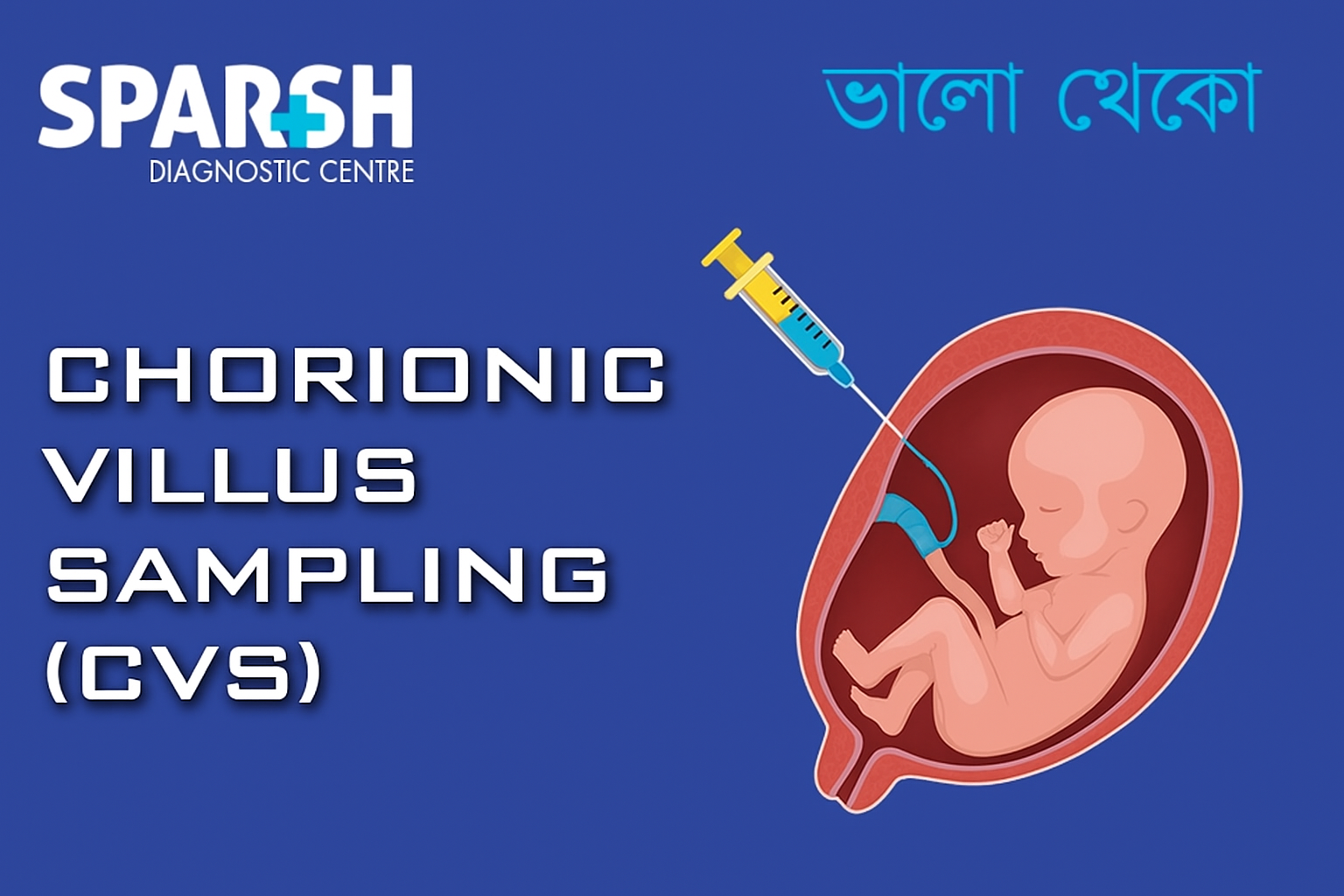
If screening indicates increased risk, your doctor may discuss options such as NIPT or diagnostic tests such as chorionic villus sampling (CVS) or amniocentesis, depending on the circumstances.
Can a baby with normal NT have Down syndrome?
Yes.
This is one of the most important limitations of an NT scan.
A normal NT measurement lowers the likelihood of some chromosomal abnormalities, but it does not eliminate the possibility. Screening tests can have both false-negative and false-positive results.
This is why NT should be considered as part of the broader prenatal screening strategy rather than as a stand-alone guarantee of a healthy pregnancy.
Does normal NT guarantee a healthy baby?
No.
A normal NT is reassuring, but it cannot guarantee that a baby has no genetic condition, congenital abnormality or future health problem.
Some abnormalities cannot be identified during the NT scan. This is why subsequent pregnancy care remains important, including the detailed second-trimester ultrasound/anomaly scan.
ACOG recommends that all pregnant patients be offered a second-trimester ultrasound to look for structural abnormalities, generally at 18–22 weeks, regardless of the aneuploidy screening method used.
What is low risk for an NT scan?
“Low risk” does not refer to one universal NT number.
The final risk assessment may combine:
- Maternal age
- NT measurement
- Crown-rump length
- Pregnancy dating
- Blood markers such as PAPP-A and free beta-hCG
- Nasal bone assessment
- Other ultrasound markers
- Sometimes NIPT/cfDNA results
The report may present the result as something such as 1 in 1,000 or 1 in 10,000.
These numbers represent estimated probability, not certainty.
For example, a risk of 1 in 1,000 means that, within the population represented by that screening calculation, approximately one pregnancy would be expected to have the condition for every 1,000 with that estimated risk.
Your obstetrician should interpret the risk according to the screening method and the clinical context.
Can we know boy or girl in an NT scan?
The purpose of an NT scan is not to determine the baby’s sex.
More importantly for patients in India, the Pre-conception and Pre-natal Diagnostic Techniques (Prohibition of Sex Selection) Act, 1994 prohibits prenatal sex determination and communicating the sex of the fetus.
Therefore, an NT scan should be understood as a medical screening examination for fetal development and chromosomal risk, not as a way to find out whether the baby is a boy or girl.
Is an NT scan painful?
No, an NT scan is generally painless.
It is usually performed using an abdominal ultrasound. Gel is applied to the abdomen and the ultrasound probe is moved over the skin.
Occasionally, a transvaginal ultrasound may be required if obtaining suitable images through the abdomen is difficult.
You may experience mild pressure from the probe, but the scan itself does not involve needles or radiation.
Can we know baby weight in an NT scan?
The NT scan is not primarily a fetal-weight assessment.
The examination focuses on measurements and observations relevant to first-trimester development and screening, including CRL and NT.
Your ultrasound may provide information about fetal size and growth, but an estimated fetal weight is more relevant later in pregnancy and is calculated using different biometric measurements.
How to read an NT scan report?
NT reports can look complicated, but there are several sections you can look for.
1. Gestational age
Check the gestational age at which the scan was performed.
A formal NT assessment is generally performed between 11 weeks and 13 weeks 6 days.
2. CRL
CRL means crown-rump length.
It measures the fetus from the top of the head to the bottom of the torso and helps establish fetal size and gestational age.
For FMF-standard NT measurement, CRL should be approximately 45–84 mm.
3. NT measurement
This is the actual nuchal translucency measurement, usually reported in millimetres.
For example:
NT: 1.8 mm
The number should always be interpreted alongside gestational age and CRL.
4. Nasal bone
Some first-trimester scans document whether the nasal bone is visualised.
This can be one of several markers used in chromosomal risk assessment.
5. Risk calculation
If combined screening has been performed, the report may provide an estimated risk for conditions such as trisomy 21, trisomy 18 and trisomy 13.
6. Overall impression
The radiologist, sonologist or fetal-medicine specialist may provide an overall interpretation and recommend whether additional screening or follow-up is needed.
If a report says “increased risk,” “thickened NT” or recommends further testing, don’t interpret that as a diagnosis. Screening results require appropriate counselling and, when indicated, diagnostic testing.
Is it okay to skip an NT scan?
An NT scan is a screening test, and prenatal screening decisions should be discussed with your obstetrician.
ACOG states that pregnant patients have the right to pursue or decline prenatal genetic screening and diagnostic testing after appropriate counselling.
However, skipping an NT scan does not mean that no screening is necessary. Depending on your pregnancy and preferences, your doctor may discuss other screening options, including cfDNA/NIPT and later ultrasound examinations.
The important thing is to make the decision with an understanding of what information the test can provide and what it cannot provide.
Is an NT scan compulsory in pregnancy?
There is no universal rule that makes an NT scan compulsory for every pregnancy.
It is a screening option that should be discussed as part of prenatal care. Current ACOG guidance recommends that prenatal genetic screening options be offered to all pregnant patients, while also recognising the individual’s right to accept or decline screening after counselling.
Your own obstetrician may recommend a particular screening pathway based on your pregnancy history, gestational age and other factors.
How many times is an NT scan done during pregnancy?
A formal NT measurement is generally done once during the first-trimester screening window.
It is not normally repeated routinely throughout pregnancy.
However, your doctor may recommend another ultrasound if:
- The first scan could not obtain adequate measurements
- The pregnancy dates are uncertain
- The NT is increased
- Another finding requires follow-up
- There are concerns about fetal development
Later ultrasounds have different purposes. For example, the detailed anomaly scan is generally performed around 18–22 weeks.
How long do NT scan results take?
The ultrasound component can usually be interpreted on the same day.
Cleveland Clinic notes that the ultrasound findings are generally available immediately, whereas blood tests that are part of first-trimester combined screening may take several days or longer.
If the NT measurement is being combined with blood tests to calculate an overall risk, the final screening result may therefore take longer than the ultrasound itself.
What happens if the NT is high?
First, don’t panic.
An increased NT is a marker that may indicate increased risk; it is not a diagnosis.
Depending on the measurement and the rest of the ultrasound findings, your doctor may recommend:
- A detailed review of the first-trimester ultrasound
- NIPT/cfDNA screening
- Genetic counselling
- Diagnostic testing such as CVS or amniocentesis
- Detailed fetal anatomical assessment
- Fetal echocardiography in appropriate cases
The appropriate next step depends on the degree of NT elevation, gestational age, other ultrasound findings and previous screening results.
NT scan vs NIPT: are they the same?
No.
An NT scan is an ultrasound examination. NIPT is a blood test that analyses cell-free DNA associated with the pregnancy.
They provide different types of information.
ACOG currently describes cfDNA as the most sensitive and specific screening test for the common fetal aneuploidies, but also emphasises that cfDNA is still a screening test and not equivalent to diagnostic testing.
Importantly, a normal NIPT does not make ultrasound unnecessary. Structural abnormalities can occur with or without chromosomal abnormalities, which is why ultrasound assessment remains an important part of pregnancy care.
NT scan: the key points to remember
If you remember only a few things about the nuchal translucency scan, remember these:
- NT is a screening test, not a diagnosis.
- It measures fluid behind the baby’s neck.
- The usual formal measurement window is 11 weeks to 13 weeks 6 days.
- The baby’s CRL should generally be 45–84 mm for the standard FMF measurement.
- There is no single NT number that means the same thing at every gestational age.
- An NT around 3–3.5 mm or above may be considered increased depending on gestational age and the reference system used.
- A normal NT does not guarantee a completely healthy baby.
- An increased NT does not automatically mean Down syndrome.
- The baby’s sex is not the purpose of the examination, and prenatal sex determination/disclosure is prohibited by Indian law.
- Later pregnancy scans remain important, particularly the detailed anomaly scan.
Frequently asked questions about nuchal translucency scans
What is a normal nuchal translucency?
There is no single normal value for every pregnancy. NT changes with gestational age and fetal size. Values around 3–3.5 mm or less are commonly considered within the expected range, but the measurement should be interpreted using gestational age, CRL and the relevant reference standard.
Is a nuchal translucency of 2.3 mm normal?
A 2.3 mm NT is generally within the expected range during the NT window, although the exact interpretation depends on gestational age, CRL and other screening findings.
Is a 2.9 mm nuchal translucency at 13 weeks considered normal?
It is close to the upper end of the expected range and should be interpreted according to gestational age and CRL. It does not by itself diagnose a chromosomal abnormality.
Is NT 1.8 mm normal?
Yes, 1.8 mm is generally within the expected range during the standard NT period when measured correctly.
What is high NT in pregnancy?
An NT of approximately 3–3.5 mm or more may be considered increased, although definitions vary and gestational-age-specific percentiles may also be used.
What is the NT size for Down syndrome?
There is no NT size that confirms Down syndrome. An increased measurement raises the estimated risk and may lead to additional screening or diagnostic testing.
Does normal NT guarantee a healthy baby?
No. A normal NT is reassuring but cannot rule out every chromosomal, genetic or structural condition.
What is low risk for an NT scan?
Low risk is based on an overall screening calculation rather than NT alone. It may include maternal age, NT, CRL, blood markers and other ultrasound findings.
Is 14 weeks too late for an NT scan?
Fourteen weeks is generally beyond the standard formal NT measurement window, which ends at 13 weeks and 6 days.
Can we know boy or girl in an NT scan?
The NT scan is not performed to determine fetal sex. In India, prenatal sex determination and communication of fetal sex are prohibited under the PC & PNDT Act.
Is an NT scan painful?
No. It is generally a painless ultrasound examination. Mild pressure from the ultrasound probe may be felt.
How to read an NT scan report?
Look for gestational age, CRL, NT measurement, nasal-bone assessment, other ultrasound markers and the calculated risk where applicable. Always interpret the report as a whole.
Which month is best for an NT scan?
The scan is generally performed during the third month of pregnancy, ideally between 11 and 13 weeks 6 days.
Is it okay to skip an NT scan?
Prenatal screening is a personal medical decision made after counselling. If you are considering skipping NT, discuss alternative screening options with your obstetrician.
How long do NT scan results take?
The ultrasound findings are generally available the same day. If blood tests are being combined with the ultrasound, the complete screening calculation may take longer.
Can we know baby weight in an NT scan?
The NT scan is not primarily a fetal-weight scan. It assesses early fetal development and specific first-trimester markers.
Is an NT scan compulsory in pregnancy?
It is not universally compulsory. It is a prenatal screening option that should be discussed with your obstetrician.
When is the best time for an NT scan?
The recommended window for a formal NT measurement is 11 weeks to 13 weeks and 6 days, with a CRL of 45–84 mm.
Can a baby with normal NT have Down syndrome?
Yes. NT is a screening test and can miss some cases. A normal NT reduces risk but does not eliminate it.
How many times is an NT scan done during pregnancy?
A formal NT measurement is usually performed once. Additional ultrasound examinations may be recommended if the initial scan is incomplete or if a finding needs further assessment.
Final word
The nuchal translucency scan is an important first-trimester screening examination that gives doctors useful information about the developing baby. It is particularly valuable because it can contribute to risk assessment for chromosomal abnormalities while also providing an opportunity to look at aspects of early fetal anatomy.
At the same time, it is important not to attach too much meaning to one number. An NT of 1.8 mm, 2.3 mm or 2.9 mm cannot be interpreted properly without knowing the gestational age, CRL, quality of the measurement and the rest of the screening findings.
Likewise, an increased NT is not the same thing as a diagnosis.
If your report shows an unusual NT measurement, the most useful next step is to discuss the complete report with your obstetrician or fetal-medicine specialist. They can explain your individual risk and whether additional screening or diagnostic testing is appropriate.
Medical note: This article is intended for general health education and should not replace advice from your obstetrician, radiologist or fetal-medicine specialist.
To get a NT Scan done at Sparsh Diagnostic Centre, call our helpline number 9830117733.
#BhaloTheko
Disclaimer:
No content on this site, regardless of date, should ever be used as a substitute for direct medical advice from your doctor or other qualified clinician.
Sources and further reading
- Cleveland Clinic – Nuchal translucency — overview of the test, timing, procedure and interpretation.
- The Fetal Medicine Foundation – Nuchal translucency scan — standard measurement protocol and first-trimester screening information.
- ISUOG – Nuchal translucency (NT) — patient-friendly explanation of NT and increased measurements.
- ACOG – Screening for fetal chromosomal abnormalities — current guidance on prenatal genetic screening.
- India Code – PC & PNDT Act, 1994 — Indian legislation concerning prenatal sex determination and disclosure.



[…] biochemical markers are analyzed in conjunction with the nuchal translucency (NT) scan, an ultrasound that measures the thickness at the back of the fetal neck. Together, they help […]
[…] 2. Nuchal Translucency Scan (11–13 weeks) […]
[…] Nuchal Translucency: An increased nuchal translucency measurement during the first-trimester screening can indicate a higher risk of heart […]