Non-Alcoholic Fatty Liver Disease (NAFLD) is a common liver disorder characterized by excessive fat accumulation in the liver of individuals who consume little to no alcohol. NAFLD is a growing global health concern, particularly in developed countries, and is closely associated with metabolic conditions such as obesity, type 2 diabetes, and high cholesterol. If left untreated, it can progress to more severe liver damage, including non-alcoholic steatohepatitis (NASH), fibrosis, cirrhosis, and even liver cancer.
Understanding Non-Alcoholic Fatty Liver Disease (NAFLD)
NAFLD encompasses a spectrum of liver conditions that range from simple fatty liver (steatosis) to non-alcoholic steatohepatitis (NASH), which involves liver inflammation and damage. Unlike alcoholic liver disease, NAFLD is not caused by alcohol consumption but rather by metabolic factors and lifestyle choices.
Types of Non-Alcoholic Fatty Liver Disease (NAFLD)
- Simple Fatty Liver (Steatosis): Excess fat builds up in the liver, but there is little to no inflammation or liver cell damage.
- Non-Alcoholic Steatohepatitis (NASH): Fat accumulation leads to inflammation, liver cell damage, and fibrosis, which can eventually cause cirrhosis and liver failure.
Causes and Risk Factors
NAFLD develops when the liver accumulates excess fat due to metabolic dysfunction. The exact cause is not fully understood, but multiple risk factors contribute to its development.
Risk Factors
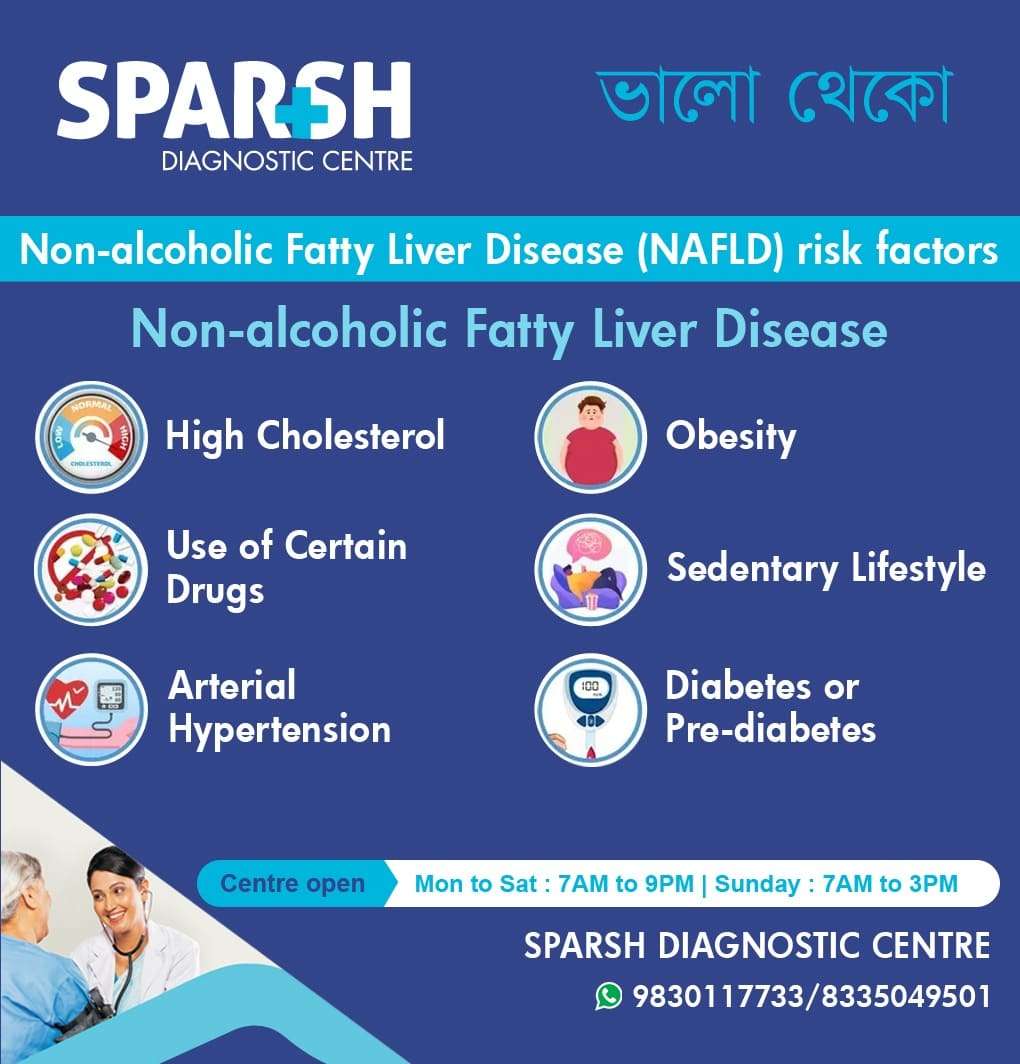
- Obesity: Excess body weight, especially abdominal obesity, increases the risk of fat accumulation in the liver.
- Type 2 Diabetes: Insulin resistance contributes to fat buildup in liver cells.
- High Cholesterol and Triglycerides: Elevated levels of blood lipids are strongly linked to NAFLD.
- Metabolic Syndrome: A cluster of conditions, including high blood pressure, high blood sugar, excess body fat, and abnormal cholesterol levels, significantly increases the risk of NAFLD.
- Sedentary Lifestyle: Lack of physical activity contributes to weight gain and insulin resistance.
- Poor Diet: A diet high in processed foods, refined sugars, and unhealthy fats promotes liver fat accumulation.
- Genetic Factors: Family history of NAFLD or liver disease may predispose individuals to develop the condition.
- Certain Medications: Long-term use of corticosteroids, tamoxifen, and some antipsychotic drugs may contribute to NAFLD.
Non-Alcoholic Fatty Liver Disease (NAFLD) symptoms
In the early stages, NAFLD often presents no noticeable symptoms. However, as the disease progresses, individuals may experience:
- Fatigue
- Unexplained weight loss
- Weakness
- Pain or discomfort in the upper right abdomen
- Swelling in the abdomen (ascites) in advanced cases
- Jaundice (yellowing of skin and eyes) in severe cases
Diagnosis of Non-Alcoholic Fatty Liver Disease (NAFLD)
Since NAFLD is often asymptomatic, it is typically discovered during routine medical checkups. Several diagnostic tests are used to confirm the condition:
1. Blood Tests
- Liver Function Tests (LFTs): Elevated liver enzymes (ALT and AST) may indicate liver damage.
- Lipid Profile: Assesses cholesterol and triglyceride levels.
- Fasting Blood Sugar and Hemoglobin A1c: Evaluates insulin resistance and diabetes risk.
2. Imaging Tests
- Ultrasound: The most common imaging technique for detecting liver fat.
- FibroScan (Transient Elastography): Measures liver stiffness to assess fibrosis or scarring.
- MRI or CT Scan: Provides detailed images of the liver to detect fat accumulation and fibrosis.
3. Liver Biopsy
In cases where advanced liver disease is suspected, a liver biopsy may be performed to confirm the severity of inflammation and fibrosis.
Treatment and Management of Non-Alcoholic Fatty Liver Disease (NAFLD)
There is no specific medication approved for NAFLD treatment. However, lifestyle changes and medical interventions can help manage the condition and prevent complications.
1. Lifestyle Modifications
- Weight Loss: Losing 5-10% of body weight can significantly reduce liver fat and inflammation.
- Healthy Diet: A Mediterranean diet rich in fruits, vegetables, whole grains, lean proteins, and healthy fats is beneficial for liver health.
- Regular Exercise: Engaging in at least 150 minutes of moderate-intensity exercise per week helps improve insulin sensitivity and reduce liver fat.
- Avoiding Processed Foods and Sugary Beverages: Reducing refined carbohydrates and trans fats helps prevent further fat accumulation in the liver.
- Limiting Alcohol Intake: While NAFLD is non-alcoholic, avoiding alcohol helps prevent additional liver damage.
2. Medications
While no FDA-approved medications specifically treat NAFLD, certain drugs may be used to manage associated conditions:
- Metformin: Used for insulin resistance and type 2 diabetes.
- Statins: Help control high cholesterol levels.
- Vitamin E Supplements: Some studies suggest that vitamin E may reduce liver inflammation in certain NAFLD patients.
3. Managing Underlying Health Conditions
- Controlling Blood Sugar: Proper management of diabetes reduces NAFLD progression.
- Managing Blood Pressure: Keeping blood pressure within a healthy range supports liver function.
- Treating Sleep Apnea: Obstructive sleep apnea is linked to NAFLD and should be addressed.
Complications of NAFLD
If left untreated, NAFLD can progress to severe liver conditions, including:
- NASH (Non-Alcoholic Steatohepatitis): Involves inflammation and liver cell damage.
- Liver Fibrosis: Scarring of liver tissue that may lead to cirrhosis.
- Cirrhosis: Permanent liver damage, leading to liver failure and complications such as portal hypertension and liver cancer.
- Hepatocellular Carcinoma (Liver Cancer): Advanced NAFLD can increase the risk of liver cancer.
Prevention of NAFLD
Preventing NAFLD involves maintaining a healthy lifestyle:
- Adopt a balanced diet: Focus on whole, nutrient-rich foods.
- Exercise regularly: Aim for a mix of aerobic and strength-training exercises.
- Maintain a healthy weight: Avoid rapid weight gain and obesity.
- Monitor blood sugar and cholesterol levels: Keep metabolic health in check.
- Limit alcohol and avoid smoking: These habits contribute to liver damage.
- Stay hydrated: Drinking enough water supports liver detoxification.
Non-Alcoholic Fatty Liver Disease (NAFLD) is a serious but manageable condition. By making proactive lifestyle changes, individuals can reduce their risk of developing NAFLD and its complications. Regular health checkups, a nutritious diet, and physical activity play key roles in maintaining liver health. If diagnosed with NAFLD, working closely with healthcare providers can help manage the disease effectively and improve overall well-being.
FAQ: Non-Alcoholic Fatty Liver Disease (NAFLD) / MASLD
1. What is Non-Alcoholic Fatty Liver Disease (NAFLD)?
NAFLD (also known as MASLD – Metabolic Dysfunction-Associated Steatotic Liver Disease) is a condition where excess fat builds up in the liver in people who drink little or no alcohol. It is one of the most common causes of chronic liver disease worldwide.
2. What causes NAFLD?
Common causes include:
Obesity, especially around the abdomen
Unhealthy diet and sedentary lifestyle
Hormonal conditions like hypothyroidism or PCOS
Genetic factors
3. Are there stages of NAFLD?
Yes. NAFLD progresses through several stages:
Simple fatty liver (steatosis): Fat accumulation without major inflammation.
NASH/MASH: Fat plus inflammation and liver cell injury.
Fibrosis: Scarring of the liver due to ongoing inflammation.
Cirrhosis: Severe scarring that affects liver function.
Liver failure or liver cancer (in advanced cases).
4. What are the symptoms?
Most people have no symptoms in early stages.
Possible symptoms when they do appear:
Fatigue
Mild discomfort or pain in the upper right abdomen
Unexplained weakness
In advanced stages (cirrhosis), symptoms may include jaundice, swelling, itchy skin, and confusion.
5. Who is at higher risk?
You are at higher risk if you have:
Obesity
Type 2 diabetes or prediabetes
High cholesterol/triglycerides
PCOS
Family history of fatty liver
6. How is NAFLD diagnosed?
Diagnosis is based on:
Blood tests (liver function tests)
Ultrasound of the abdomen
Non-invasive fibrosis scoring tests
In certain cases, a liver biopsy may be needed
7. What complications can NAFLD cause?
If untreated, NAFLD may lead to:
Liver fibrosis
Cirrhosis
Liver failure
Liver cancer
Increased risk of heart disease and type 2 diabetes
8. How is NAFLD treated?
There is no single medication to cure NAFLD, but it can often be improved through:
Weight loss (even 5–10% reduction helps)
Healthy diet rich in fruits, vegetables, and whole grains
Regular exercise
Control of diabetes, cholesterol, and blood pressure
Avoiding alcohol
Medications or supplements may be recommended in selected cases
9. Can NAFLD be prevented?
Yes. Prevention includes:
Maintaining healthy body weight
Eating a balanced, low-sugar diet
Exercising regularly
Managing diabetes and cholesterol
Reducing intake of sugary drinks and processed foods
10. Is NAFLD reversible?
Yes—in early stages, liver fat and inflammation can improve significantly with lifestyle changes.
In advanced stages (fibrosis/cirrhosis), reversal may be difficult, but further progression can be slowed with proper care.
11. Why is NAFLD now sometimes called MASLD?
The term MASLD (Metabolic Dysfunction-Associated Steatotic Liver Disease) highlights the strong link between fatty liver and metabolic conditions like diabetes, obesity, and insulin resistance.
12. When should I see a doctor?
You should consult a doctor if:
You have risk factors like obesity or diabetes
Your liver tests are abnormal
You experience fatigue, abdominal discomfort, or other symptoms
You have been diagnosed with fatty liver and need monitoring
13. What tests are available at Sparsh Diagnostic Centre?
Sparsh can help diagnose and monitor NAFLD through:
Liver function tests
Lipid profile
Blood sugar and HbA1c
Ultrasound abdomen
Non-invasive fibrosis assessments (if applicable)
To get tested for Non-alcoholic fatty liver disease call Sparsh Diagnostic Centre on 9830117733.
#BhaloTheko
Disclaimer:
No content on this site, regardless of date, should ever be used as a substitute for direct medical advice from your doctor or other qualified clinician.