Peroneal tendon injuries are a common cause of pain along the outer side of the ankle and foot. These tendons play a vital role in stabilizing the ankle, supporting movement, and helping maintain balance during walking, running, and sports activities. When injured, they can lead to persistent discomfort, swelling, weakness, and reduced mobility.
Whether you’re an athlete, a fitness enthusiast, or someone dealing with unexplained ankle pain, understanding the peroneal tendon can help you recognize symptoms early and seek appropriate treatment.
In this comprehensive guide, we’ll explore the anatomy of the peroneal tendons, common injuries, symptoms, diagnosis, treatment options, prevention strategies, and frequently asked questions.
What Is the Peroneal Tendon?
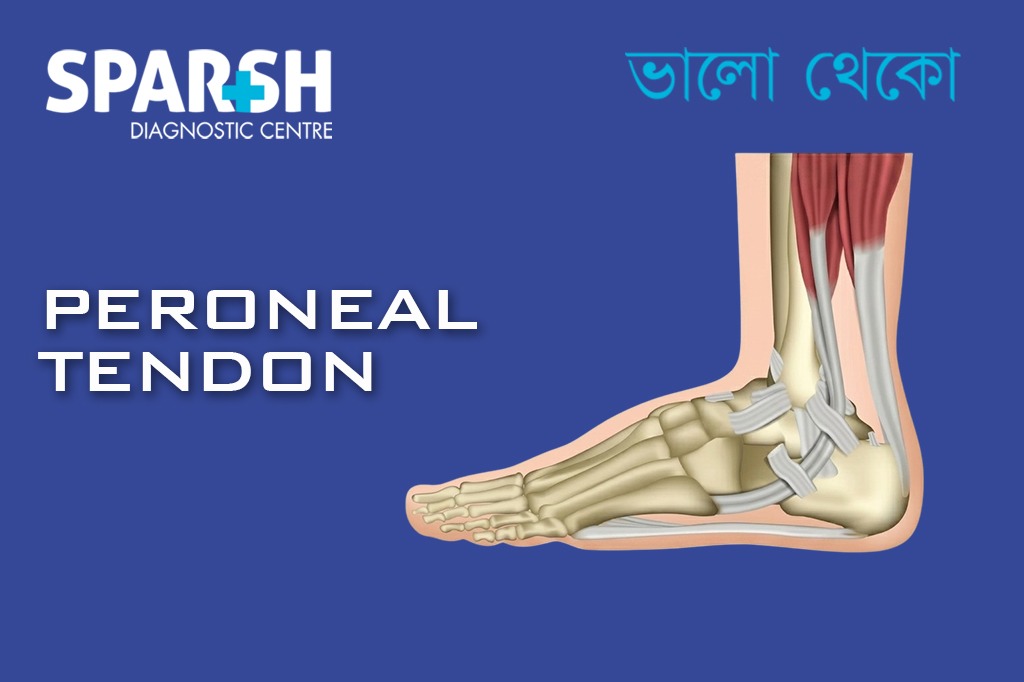
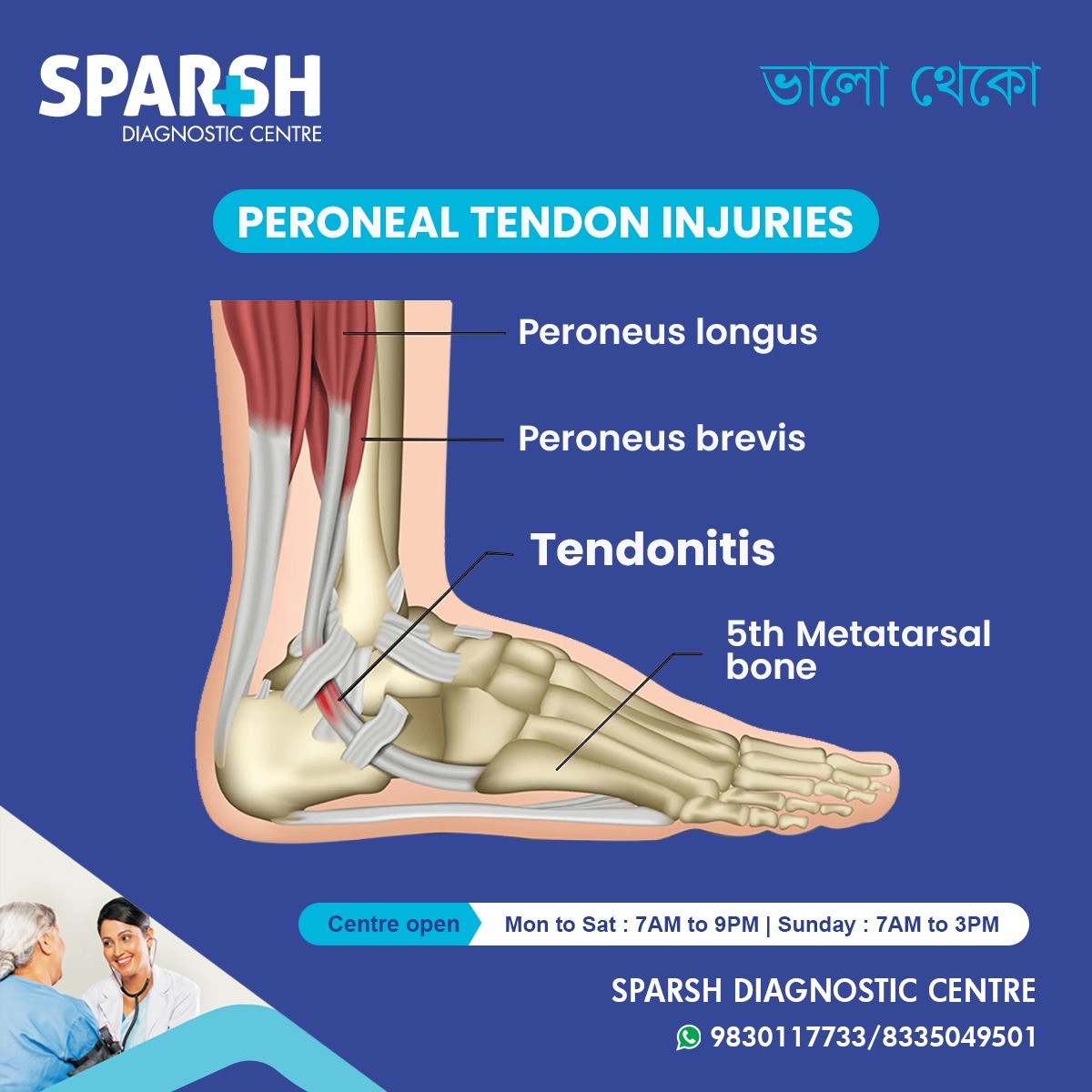
The term “peroneal tendon” actually refers to two tendons located on the outer side of the ankle:
- Peroneus longus tendon
- Peroneus brevis tendon
These tendons connect the peroneal muscles in the lower leg to bones in the foot. They run behind the outer ankle bone (lateral malleolus) and help control foot movement.
The peroneal tendons are responsible for:
- Stabilizing the ankle joint
- Preventing excessive ankle rolling
- Assisting in foot eversion (turning the foot outward)
- Supporting balance during movement
- Helping propel the body forward during walking and running
Because these tendons experience significant stress during physical activities, they are susceptible to injury, especially in athletes and active individuals.
Anatomy of the Peroneal Tendons
Understanding the anatomy helps explain why these tendons are vulnerable to injury.
Peroneus Longus Tendon
The peroneus longus muscle originates from the upper part of the fibula (the smaller lower-leg bone). Its tendon travels behind the outer ankle and crosses underneath the foot to attach near the base of the first metatarsal and medial cuneiform bones.
Functions include:
- Supporting the arch of the foot
- Assisting with foot eversion
- Stabilizing the foot during walking
Peroneus Brevis Tendon
The peroneus brevis muscle originates lower on the fibula. Its tendon also passes behind the lateral malleolus but attaches to the base of the fifth metatarsal bone.
Functions include:
- Foot eversion
- Ankle stabilization
- Preventing ankle sprains
Together, these tendons act as dynamic stabilizers that protect the ankle from excessive inversion (rolling inward).
What Is a Peroneal Tendon Injury?
A peroneal tendon injury occurs when one or both tendons become inflamed, stretched, torn, or displaced from their normal position.
Common types of peroneal tendon injuries include:
Peroneal Tendonitis
Inflammation of the tendon due to repetitive stress or overuse.
Peroneal Tendinosis
Chronic degeneration of the tendon caused by long-term wear and tear rather than acute inflammation.
Peroneal Tendon Tear
Partial or complete rupture of the tendon fibers.
Peroneal Tendon Subluxation
Occurs when the tendon slips out of its groove behind the ankle bone.
Peroneal Tendon Dislocation
A more severe form of subluxation where the tendon completely moves out of place.
Causes of Peroneal Tendon Injuries
Several factors can contribute to peroneal tendon problems.
Overuse and Repetitive Motion
Activities involving repeated ankle movements can strain the tendons over time.
Examples include:
- Running
- Soccer
- Basketball
- Tennis
- Hiking
- Dancing
Ankle Sprains
A sudden ankle inversion injury can damage the peroneal tendons or cause them to tear.
Poor Foot Mechanics
Structural abnormalities such as high arches can place excessive stress on the tendons.
Improper Footwear
Shoes lacking adequate support may increase tendon strain.
Sudden Increase in Activity
Rapidly increasing training intensity, duration, or frequency can overload the tendons.
Trauma
Direct injury to the ankle may result in tendon tears or displacement.
Age-Related Degeneration
As tendons age, they become less flexible and more susceptible to injury.
Risk Factors
Certain individuals have a higher risk of developing peroneal tendon injuries.
These include:
- Athletes
- Runners
- Individuals with chronic ankle instability
- People with high-arched feet
- Dancers
- Hikers
- Older adults
- Individuals with previous ankle injuries
Symptoms of Peroneal Tendon Problems
Symptoms vary depending on the severity and type of injury.
Common signs include:
Pain Along the Outer Ankle
Pain is typically felt behind or below the lateral ankle bone.
Swelling
Inflammation may cause visible swelling around the tendon.
Tenderness
The affected area may feel sore when touched.
Weakness
Patients may notice difficulty pushing off while walking or running.
Instability
The ankle may feel as though it could give way.
Clicking or Snapping Sensation
This symptom is often associated with tendon subluxation or dislocation.
Increased Pain During Activity
Physical activity usually worsens symptoms.
Stiffness
Morning stiffness or stiffness after prolonged rest is common.
Peroneal Tendonitis: A Closer Look
Peroneal tendonitis is one of the most common tendon disorders affecting the ankle.
It develops when repetitive stress causes inflammation within the tendon.
Symptoms of Peroneal Tendonitis
- Aching pain on the outer ankle
- Swelling
- Warmth around the tendon
- Pain during exercise
- Tenderness when pressing on the tendon
Common Causes
- Excessive running
- Poor training techniques
- Unsupportive footwear
- Recurrent ankle sprains
Early treatment often prevents progression to chronic tendinosis.
Peroneal Tendon Tears
Tendon tears may occur suddenly following trauma or develop gradually due to chronic degeneration.
Partial Tear
Only a portion of the tendon fibers are damaged.
Complete Tear
The tendon ruptures entirely.
Symptoms of a Tear
- Sharp ankle pain
- Persistent swelling
- Weakness
- Difficulty walking
- Instability
- Reduced athletic performance
Without treatment, tendon tears may worsen over time.
Peroneal Tendon Subluxation and Dislocation
Normally, the peroneal tendons are held in place by a structure called the superior peroneal retinaculum.
When this structure becomes damaged, the tendons can slip out of position.
Symptoms
- Snapping sensation behind the ankle
- Pain during ankle movement
- Instability
- Recurrent ankle injuries
- Swelling
Athletes involved in skiing, football, and basketball are particularly susceptible.
How Are Peroneal Tendon Injuries Diagnosed?
Accurate diagnosis is essential for effective treatment.
Medical History
Your healthcare provider will ask about:
- Symptoms
- Previous injuries
- Activity levels
- Sports participation
Physical Examination
The doctor may assess:
- Tenderness
- Swelling
- Range of motion
- Muscle strength
- Tendon stability
Imaging Tests
Ultrasound
Useful for evaluating tendon movement and inflammation.
Benefits include:
- Dynamic assessment
- Quick procedure
- No radiation exposure
MRI Scan
MRI is considered one of the most effective imaging tools for diagnosing:
- Tendon tears
- Tendinosis
- Inflammation
- Tendon displacement
X-rays
Although tendons are not visible on X-rays, they help identify fractures or bone abnormalities.
Treatment of Peroneal Tendon Injuries
Treatment depends on the severity of the condition.
Conservative Treatment
Many patients improve without surgery.
Rest
Reducing activities that aggravate symptoms allows healing.
Ice Therapy
Applying ice can reduce pain and swelling.
Compression
Compression bandages help control inflammation.
Elevation
Keeping the foot elevated helps decrease swelling.
Anti-Inflammatory Medications
Nonsteroidal anti-inflammatory drugs (NSAIDs) may provide symptom relief.
Bracing
An ankle brace can improve stability during recovery.
Physical Therapy
Physical therapy plays a critical role in rehabilitation.
Common exercises focus on:
- Strengthening ankle muscles
- Improving flexibility
- Restoring balance
- Enhancing stability
Therapists may also correct movement patterns contributing to injury.
Orthotics
Custom shoe inserts may help redistribute pressure and correct biomechanical abnormalities.
Immobilization
Severe tendonitis or minor tears may require temporary immobilization with:
- Walking boots
- Casts
- Splints
Surgical Treatment
Surgery may be necessary when:
- Conservative treatment fails
- Significant tendon tears exist
- Tendon dislocation occurs
- Chronic instability persists
Surgical Options
Tendon Repair
Damaged tendon tissue is repaired or reconstructed.
Tendon Debridement
Degenerated tissue is removed.
Retinaculum Repair
The supporting ligament is repaired to stabilize the tendon.
Groove Deepening Procedures
The groove behind the ankle bone may be reshaped to better hold the tendon in place.
Recovery After Surgery
Recovery timelines vary but often include:
- Immobilization for several weeks
- Gradual weight-bearing
- Physical therapy
- Return to sports after several months
Most patients experience significant improvement when rehabilitation protocols are followed.
Rehabilitation and Recovery
Recovery depends on:
- Type of injury
- Severity
- Age
- Overall health
- Adherence to treatment
Typical Recovery Times
| Condition | Recovery Time |
|---|---|
| Mild tendonitis | 2–6 weeks |
| Moderate tendonitis | 6–12 weeks |
| Partial tear | 2–4 months |
| Surgical repair | 4–6 months or longer |
Patience is essential because returning to activity too quickly may lead to reinjury.
Preventing Peroneal Tendon Injuries
While not all injuries can be prevented, several strategies reduce risk.
Wear Proper Footwear
Choose supportive shoes appropriate for your activity.
Strengthen Ankle Muscles
Regular strengthening exercises improve stability.
Stretch Regularly
Maintaining flexibility reduces tendon stress.
Increase Activity Gradually
Avoid sudden increases in training volume or intensity.
Address Ankle Instability
Seek treatment for recurrent ankle sprains.
Use Orthotics When Needed
Custom inserts can improve foot mechanics.
Warm Up Properly
Prepare muscles and tendons before exercise.
When Should You See a Doctor?
Seek medical evaluation if you experience:
- Persistent ankle pain
- Swelling lasting more than a few days
- Difficulty walking
- Recurrent ankle instability
- Snapping sensations around the ankle
- Symptoms that worsen despite rest
Early diagnosis can prevent chronic complications and speed recovery.
Long-Term Outlook
Most peroneal tendon injuries respond well to appropriate treatment. Early intervention often leads to complete recovery and return to normal activities.
However, untreated tendon problems can result in:
- Chronic pain
- Recurrent ankle sprains
- Tendon rupture
- Long-term instability
Prompt medical evaluation and adherence to rehabilitation programs significantly improve outcomes.
Frequently Asked Questions (FAQs)
What does the peroneal tendon do?
The peroneal tendons stabilize the ankle, support foot movement, help maintain balance, and prevent excessive ankle rolling.
What causes peroneal tendonitis?
Peroneal tendonitis is usually caused by overuse, repetitive ankle movements, improper footwear, ankle instability, or sudden increases in physical activity.
How do I know if I have a torn peroneal tendon?
Symptoms may include persistent ankle pain, swelling, weakness, instability, and difficulty walking. Imaging studies such as MRI or ultrasound can confirm the diagnosis.
Can peroneal tendonitis heal on its own?
Mild cases may improve with rest and activity modification. However, persistent symptoms should be evaluated by a healthcare professional.
Is walking good for peroneal tendonitis?
Walking may be tolerated in mild cases, but excessive walking can worsen symptoms. Follow your healthcare provider’s recommendations.
How long does peroneal tendonitis take to heal?
Recovery typically ranges from a few weeks to several months depending on severity and treatment adherence.
Do all peroneal tendon tears require surgery?
No. Small or partial tears often respond to conservative treatment. Larger tears or unstable tendons may require surgery.
What imaging test is best for peroneal tendon injuries?
MRI is often considered the gold standard for evaluating tendon tears and degeneration, while ultrasound is excellent for assessing tendon movement.
Can peroneal tendon injuries recur?
Yes. Without proper rehabilitation and correction of underlying risk factors, recurrence is possible.
Can I exercise with a peroneal tendon injury?
Low-impact activities may be allowed depending on the severity of the injury. Consult your healthcare provider before continuing exercise.
The peroneal tendons are essential structures that help stabilize the ankle and support efficient movement. Injuries involving these tendons can cause pain, weakness, swelling, and instability that affect daily activities and athletic performance. Fortunately, most peroneal tendon conditions respond well to early diagnosis, appropriate imaging, targeted rehabilitation, and, when necessary, surgical intervention.
If you are experiencing persistent pain along the outer side of your ankle, don’t ignore it. Timely evaluation and treatment can prevent complications and help you return to an active, pain-free lifestyle.
To consult a Doctor at Sparsh Diagnostic Centre, call our helpline numbers 9830117733/ 8335049501.
#BhaloTheko
Disclaimer:
No content on this site, regardless of date, should ever be used as a substitute for direct medical advice from your doctor or other qualified clinician.