Laryngitis is a common condition that affects the larynx (voice box), causing inflammation of the vocal cords. If you’ve ever experienced a hoarse voice after a cold, cheering loudly at a sporting event, or speaking continuously for hours, you’ve likely had laryngitis. While it often clears up on its own within a week or two, persistent symptoms may indicate an underlying health condition that needs medical attention.
In this comprehensive guide, we’ll explain everything you need to know about laryngitis, including its causes, symptoms, diagnosis, treatment, recovery time, prevention, and when it’s time to see a doctor.
What Is Laryngitis?
Laryngitis is the inflammation of the voice box, also known as the larynx. The vocal cords inside the larynx vibrate to produce sound. When they become swollen or irritated, their vibration changes, leading to hoarseness or even complete voice loss.
Laryngitis can be:
- Acute laryngitis: Lasts less than three weeks and is usually caused by viral infections or voice strain.
- Chronic laryngitis: Persists for more than three weeks and is often linked to smoking, acid reflux, allergies, or long-term vocal misuse.
What Does Laryngitis Feel Like?
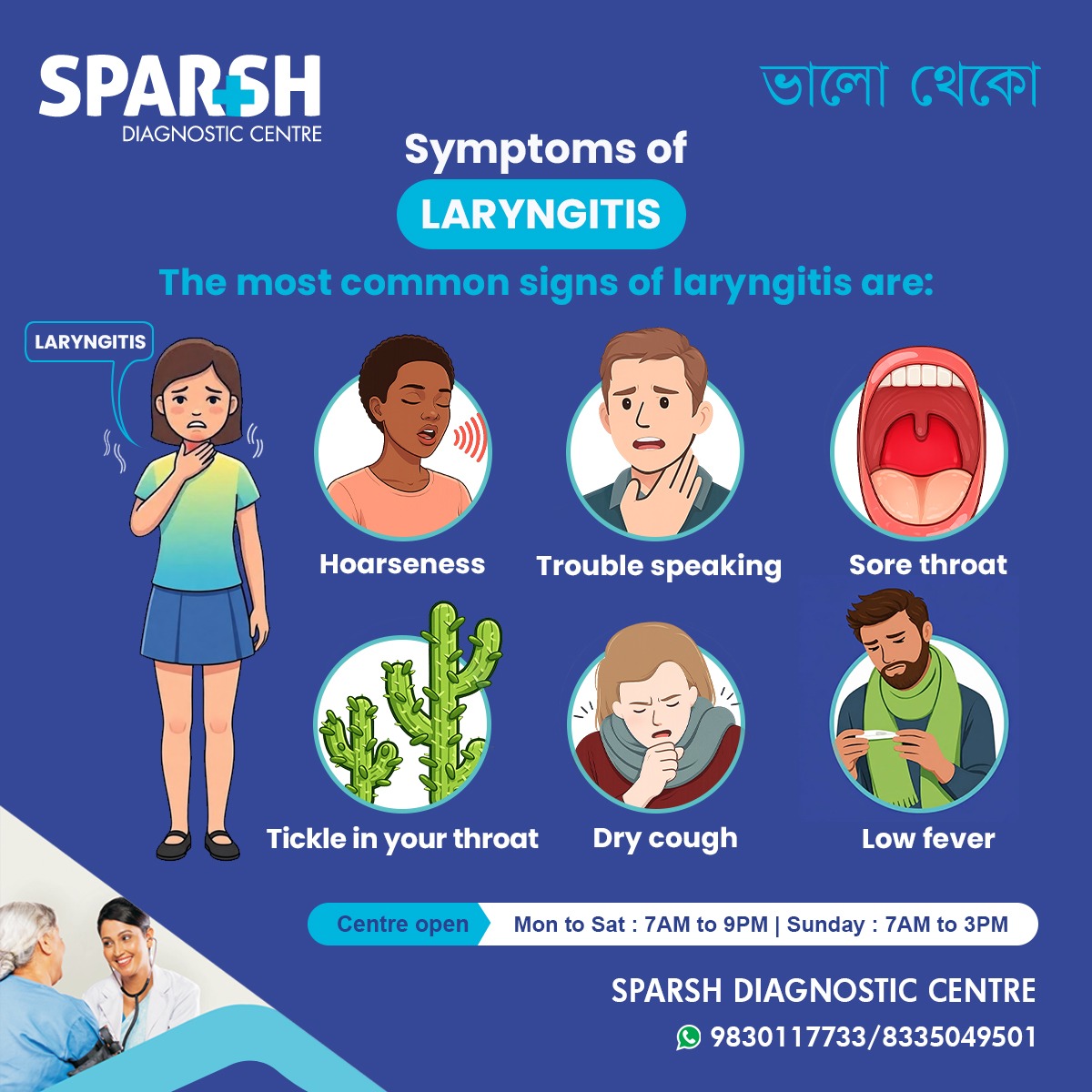
People experience laryngitis differently, but common sensations include:
- Hoarseness or a raspy voice
- Difficulty speaking
- Complete loss of voice
- Dry or scratchy throat
- Constant need to clear the throat
- Tickling sensation in the throat
- Mild sore throat
- Dry cough
- Pain while speaking
- Mild discomfort when swallowing
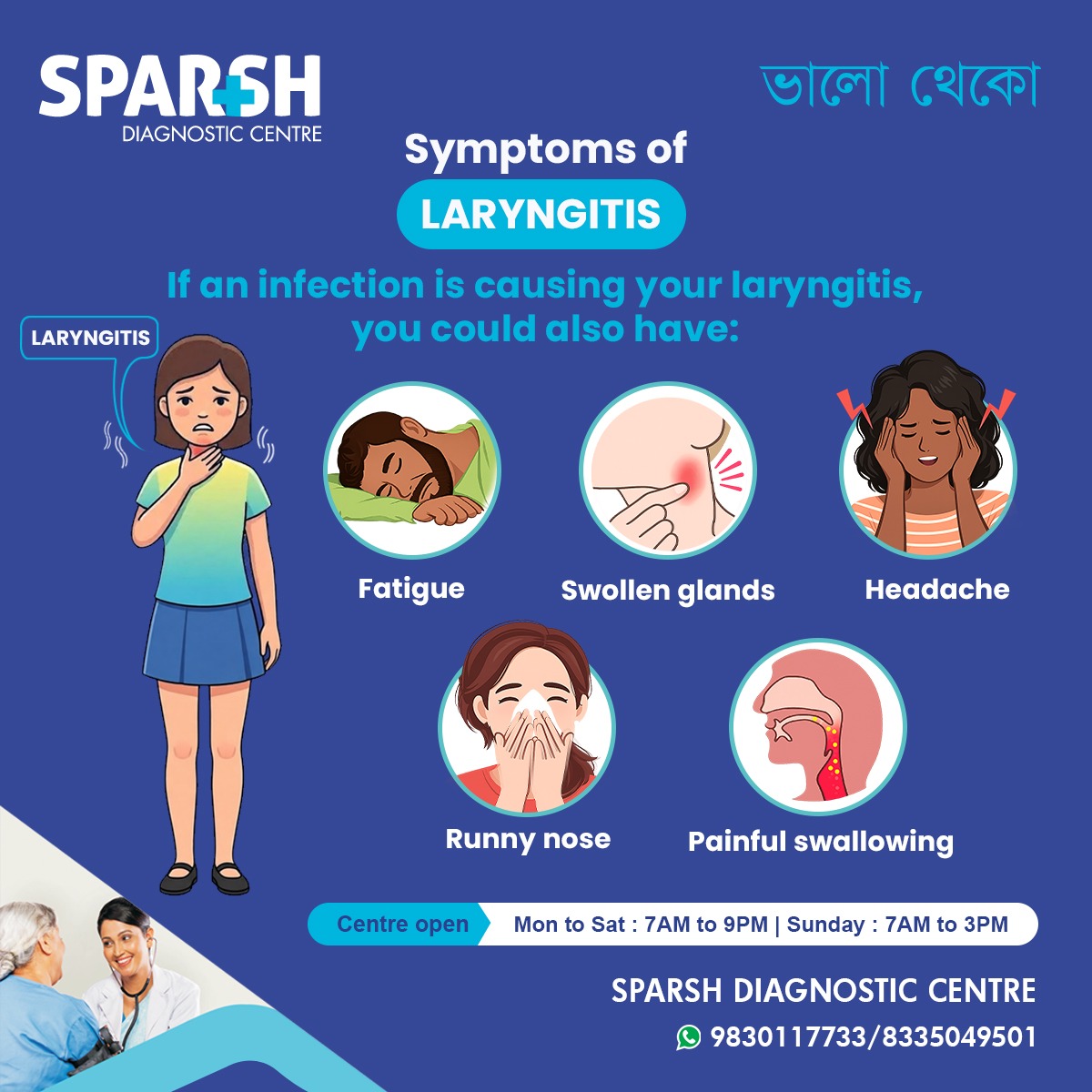
If laryngitis is caused by an infection, you may also experience:
- Low-grade fever
- Runny nose
- Fatigue
- Swollen glands in the neck
- Headache
- Painful swallowing
Symptoms of Laryngitis
The symptoms usually develop suddenly and may worsen during the first few days.
Common symptoms include:
- Hoarse voice
- Weak voice
- Complete voice loss
- Sore throat
- Dry throat
- Persistent dry cough
- Throat irritation
- Tickling sensation
- Difficulty speaking
- Mild fever
Additional symptoms with infections may include:
- Runny nose
- Swollen lymph nodes
- Headache
- Body aches
- Fatigue
- Pain during swallowing
What Is Laryngitis Caused By?
Several factors can trigger inflammation of the vocal cords.
1. Viral infections
This is the most common cause. Viruses responsible for:
- Common cold
- Influenza
- COVID-19
- RSV
- Adenovirus
can all lead to laryngitis.
2. Voice overuse
Speaking loudly, shouting, singing, or prolonged talking can strain the vocal cords.
3. Bacterial infections
Although less common, bacterial infections can occasionally cause laryngitis.
4. Acid reflux (GERD)
Stomach acid flowing back into the throat irritates the vocal cords.
5. Smoking
Cigarette smoke irritates the delicate lining of the larynx.
6. Allergies
Seasonal allergies may cause throat inflammation and vocal cord irritation.
7. Environmental irritants
Exposure to:
- Dust
- Chemicals
- Air pollution
- Dry air
can trigger symptoms.
8. Fungal infections
Rarely, fungal infections may affect people with weakened immune systems or those using steroid inhalers.
Is Laryngitis Part of COVID?
Yes.
COVID-19 can cause laryngitis because the virus affects the upper respiratory tract. Many patients experience:
- Hoarseness
- Voice changes
- Sore throat
- Dry cough
However, not every case of laryngitis is caused by COVID-19. Testing may be appropriate if you also have fever, cough, body aches, or recent exposure.
How Is Laryngitis Diagnosed?
Doctors usually diagnose laryngitis through:
Medical history
They’ll ask about:
- Duration of symptoms
- Smoking habits
- Voice use
- Recent infections
- Acid reflux
- Allergies
Physical examination
The doctor examines:
- Throat
- Neck
- Lymph nodes
Laryngoscopy
If symptoms persist beyond three weeks, a specialist may examine your vocal cords using a small camera.
Additional investigations may include:
- Throat swab
- Blood tests
- Imaging studies (rarely)
- Biopsy if suspicious lesions are found
How Do You Treat Laryngitis?
Treatment depends on the underlying cause.
1. Rest your voice
Voice rest is the single most important treatment.
Avoid:
- Singing
- Shouting
- Speaking loudly
- Whispering (it can strain the vocal cords even more)
2. Stay hydrated
Drink plenty of:
- Water
- Warm herbal teas
- Clear soups
Proper hydration keeps the vocal cords moist.
3. Steam inhalation
Warm steam helps soothe irritated vocal cords and reduces dryness.
4. Gargle with warm salt water
This may ease throat discomfort.
5. Use a humidifier
Adding moisture to indoor air prevents throat dryness.
6. Manage acid reflux
If GERD is the cause:
- Avoid late-night meals
- Limit spicy foods
- Take prescribed medications
7. Pain relief
Paracetamol or ibuprofen may relieve discomfort and fever.
8. Antibiotics
These are not routinely recommended because most cases are viral.
9. Corticosteroids
Doctors may prescribe steroids in selected situations, especially for professional voice users or severe swelling.
What Is the Quickest Cure for Laryngitis?
There is no instant cure, but recovery can be faster if you:
- Completely rest your voice
- Drink plenty of fluids
- Avoid smoking
- Stay away from alcohol
- Use steam inhalation
- Sleep well
- Avoid whispering
- Control acid reflux
Trying to “push through” by continuing to talk often delays healing.
How Long Should Laryngitis Last?
Most cases improve within:
- 3–7 days: Symptoms begin improving.
- 7–14 days: Most people recover completely.
Chronic laryngitis lasts longer than three weeks and requires medical evaluation.
How Long Will Laryngitis Take to Heal?
Recovery depends on the cause.
| Cause | Expected Recovery |
|---|---|
| Viral infection | 1–2 weeks |
| Voice strain | Several days |
| Acid reflux | Weeks unless treated |
| Smoking-related | Variable |
| Chronic laryngitis | More than 3 weeks |
What Stage of a Cold Is Laryngitis?
Laryngitis often develops during the middle or later stages of a common cold.
Typically:
- Day 1–2: Runny nose
- Day 2–4: Sore throat
- Day 3–6: Hoarseness develops
- Day 5–10: Voice gradually returns
Not everyone follows the same pattern.
What Foods Should I Avoid With Laryngitis?
Certain foods may worsen throat irritation or acid reflux.
Avoid:
- Spicy foods
- Fried foods
- Acidic foods
- Citrus fruits
- Tomatoes
- Vinegar-heavy foods
- Alcohol
- Excess caffeine
- Very hot beverages
- Carbonated drinks
Instead, choose:
- Warm soups
- Oatmeal
- Yogurt
- Bananas
- Cooked vegetables
- Honey (for adults and children over 1 year)
- Herbal teas
- Plenty of water
Is Laryngitis Very Contagious?
Laryngitis itself is not contagious.
However, if it is caused by a viral infection like the common cold, influenza, or COVID-19, the virus causing it can spread to others.
Good hygiene helps reduce transmission:
- Wash hands frequently.
- Cover coughs and sneezes.
- Avoid close contact if you’re unwell.
- Wear a mask if you have a contagious respiratory illness.
Should You Stay Home With Laryngitis?
If your laryngitis is due to a viral infection and you have symptoms like fever, cough, or feeling unwell, staying home is a good idea to recover and reduce the risk of spreading the infection.
If your symptoms are only due to voice overuse and you’re otherwise well, you may not need to stay home, but resting your voice remains important.
Can Laryngitis Make You Tired?
Yes.
Fatigue is common when laryngitis occurs alongside viral infections like:
- Common cold
- Influenza
- COVID-19
Your body uses energy to fight infection, which may leave you feeling unusually tired.
What Can Be Mistaken for Laryngitis?
Several conditions can resemble laryngitis.
These include:
- Strep throat
- Tonsillitis
- Vocal cord nodules
- Vocal cord polyps
- Vocal cord paralysis
- Acid reflux (GERD)
- Allergic reactions
- Thyroid disorders
- Throat cancer
- Epiglottitis
- Chronic sinusitis with postnasal drip
Persistent hoarseness should never be ignored, particularly in smokers or individuals over 40.
What Is Another Name for Laryngitis?
Laryngitis is sometimes simply referred to as:
- Voice box inflammation
- Inflammation of the larynx
Both terms describe the same condition.
Is Laryngitis Harmful?
Most cases are mild and resolve without complications.
However, untreated chronic laryngitis may lead to:
- Persistent voice changes
- Vocal cord injury
- Chronic inflammation
- Underlying disease remaining undiagnosed
In rare cases, severe swelling can interfere with breathing and requires urgent medical attention.
What Is a Red Flag for Laryngitis?
Seek immediate medical care if you experience:
- Difficulty breathing
- Difficulty swallowing saliva
- High fever
- Coughing up blood
- Severe neck swelling
- Persistent hoarseness lasting longer than three weeks
- Unexplained weight loss
- Severe throat pain
- Noisy breathing (stridor)
- Recurrent episodes without an obvious cause
These symptoms could indicate a more serious condition requiring prompt evaluation.
Can Laryngitis Be Prevented?
Although not every case can be prevented, these habits reduce your risk:
Practice good hand hygiene
Frequent handwashing lowers the risk of viral infections.
Avoid smoking
Smoking is a major contributor to chronic laryngitis.
Stay hydrated
Drink plenty of water throughout the day.
Rest your voice
Take breaks if your job involves frequent speaking.
Control acid reflux
Treat GERD early to protect your vocal cords.
Use a humidifier
Moist air helps prevent throat irritation.
Avoid shouting
Repeated vocal strain increases your risk.
Stay up to date with vaccinations
Flu and COVID-19 vaccines may reduce infections that can trigger laryngitis.
Possible Complications
While uncommon, complications include:
- Chronic voice changes
- Vocal cord nodules
- Vocal cord ulcers
- Persistent hoarseness
- Airway obstruction (rare)
- Spread of infection
Prompt treatment lowers the risk of these complications.
When Should You See a Doctor?
Consult a healthcare provider if:
- Symptoms last more than two weeks.
- Hoarseness persists beyond three weeks.
- You have repeated episodes of laryngitis.
- Swallowing becomes difficult.
- You experience breathing problems.
- You cough up blood.
- You have significant neck swelling.
- You develop a high fever.
- You are a smoker with persistent hoarseness.
Living With Laryngitis
Most people recover fully with simple self-care measures. Patience is important, as forcing your voice to work before it has healed can prolong recovery. Staying hydrated, resting your voice, avoiding irritants, and treating any underlying conditions such as acid reflux can help restore your voice more quickly and reduce the chance of future episodes.
Frequently Asked Questions (FAQs)
1. How do you treat laryngitis?
Treatment usually includes voice rest, drinking plenty of fluids, steam inhalation, avoiding smoking, managing acid reflux if present, and using pain relievers when needed. Antibiotics are rarely necessary because most cases are caused by viruses.
2. What does laryngitis feel like?
It commonly feels like a sore, dry, or scratchy throat with hoarseness, a weak voice, difficulty speaking, a tickling sensation, and sometimes a dry cough or painful swallowing.
3. What is laryngitis caused by?
The most common causes include viral infections, voice overuse, acid reflux, smoking, allergies, environmental irritants, and, less commonly, bacterial or fungal infections.
4. How long should laryngitis last?
Acute laryngitis usually improves within 7 to 14 days. If symptoms persist beyond three weeks, medical evaluation is recommended.
5. What foods should I avoid with laryngitis?
Avoid spicy foods, fried foods, acidic foods, alcohol, caffeine, carbonated drinks, and very hot beverages, especially if acid reflux contributes to your symptoms.
6. What is a red flag for laryngitis?
Difficulty breathing, coughing up blood, severe pain, persistent hoarseness for more than three weeks, unexplained weight loss, or trouble swallowing are warning signs that require prompt medical attention.
7. Is laryngitis very contagious?
Laryngitis itself is not contagious. However, the viral infection causing it may spread to others.
8. What can be mistaken for laryngitis?
Conditions such as strep throat, GERD, vocal cord nodules, vocal cord paralysis, thyroid disease, throat cancer, and allergies may produce similar symptoms.
9. Is laryngitis a part of COVID?
Yes. COVID-19 can cause laryngitis, leading to hoarseness, sore throat, and voice changes in some people.
10. Should you stay home with laryngitis?
If it is caused by a contagious viral illness or you have fever and feel unwell, staying home helps you recover and reduces the risk of spreading the infection.
11. Can laryngitis make you tired?
Yes. Fatigue commonly accompanies viral infections that cause laryngitis.
12. Can laryngitis be prevented?
You can lower your risk by washing your hands regularly, avoiding smoking, staying hydrated, resting your voice, treating acid reflux, and limiting exposure to respiratory infections.
13. What is the quickest cure for laryngitis?
There is no instant cure, but complete voice rest, hydration, steam inhalation, and avoiding smoking or alcohol can speed recovery.
14. What stage of a cold is laryngitis?
Laryngitis typically develops during the middle to later stages of a common cold, after the initial sore throat and runny nose.
15. What is another name for laryngitis?
It is also known as inflammation of the larynx or voice box inflammation.
16. Is laryngitis harmful?
Most cases are mild and resolve without lasting problems. Persistent or severe symptoms, however, should be evaluated to rule out more serious conditions.
17. How long will laryngitis take to heal?
Most people recover within one to two weeks. Chronic laryngitis may take longer and requires treatment of the underlying cause.
Laryngitis is a common condition that usually improves with voice rest, hydration, and simple home care. Although it is often caused by viral infections or vocal strain, persistent hoarseness or symptoms lasting more than three weeks should never be ignored. Early medical evaluation can identify underlying problems such as acid reflux, vocal cord disorders, or, in rare cases, more serious illnesses. By protecting your voice, staying well hydrated, avoiding irritants like smoking, and practicing good hygiene, you can recover faster and reduce your risk of future episodes.
To consult a Doctor or get full body check-up done at Sparsh Diagnostic Centre, call our helpline numbers 9830117733/ 8335049501.
#BhaloTheko
Disclaimer:
No content on this site, regardless of date, should ever be used as a substitute for direct medical advice from your doctor or other qualified clinician.