Heart health is important at every stage of life, including infancy and childhood. While adults often undergo heart tests because of conditions like high blood pressure or coronary artery disease, children may require specialized cardiac evaluations for entirely different reasons. One of the most valuable tools used to examine a child’s heart is pediatric echocardiography.
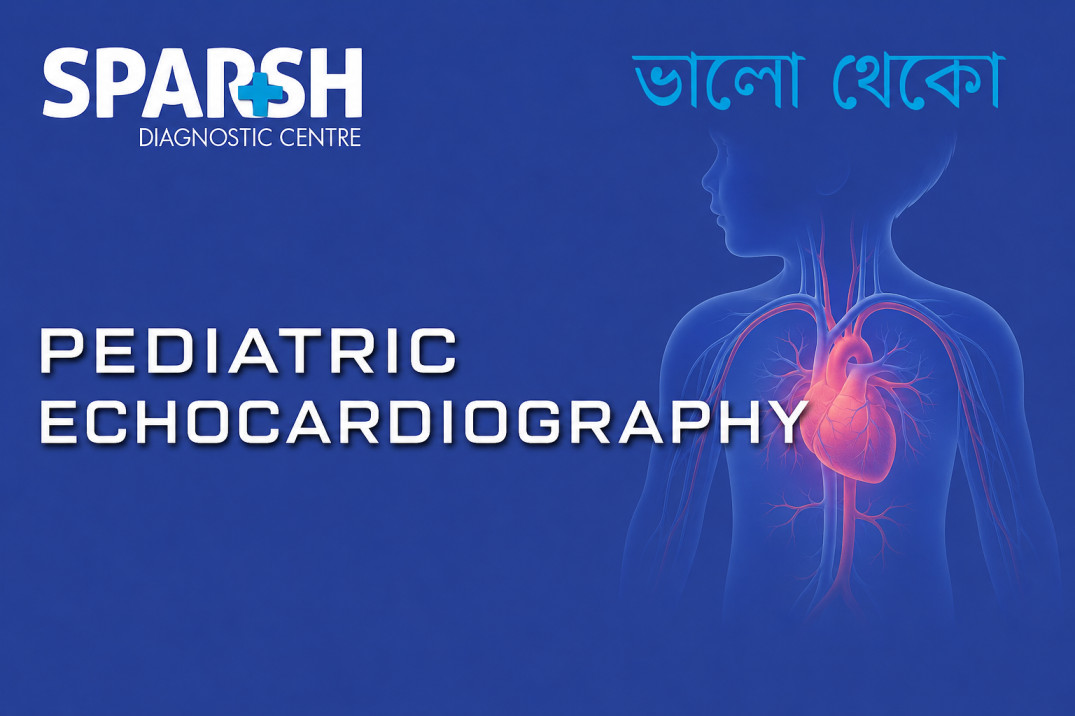
A pediatric echocardiogram, commonly called a pediatric echo, is a safe and painless imaging test that uses sound waves to create detailed pictures of a child’s heart. It helps doctors identify structural abnormalities, assess heart function, and diagnose various congenital and acquired heart conditions.
For many parents, hearing that their child needs an echocardiogram can be concerning. However, understanding why the test is performed and what it involves can make the experience much less stressful. This guide covers everything you need to know about pediatric echocardiography, from its purpose and benefits to what the test reveals.
What Is Pediatric Echocardiography?
Pediatric echocardiography is an ultrasound examination specifically designed to evaluate the heart in babies, children, and adolescents. The test uses high-frequency sound waves to create moving images of the heart’s structures and blood flow.
Unlike X-rays or CT scans, echocardiography does not use radiation. Instead, it produces real-time images that allow doctors to observe how the heart chambers, valves, and blood vessels are functioning.
A pediatric echocardiogram is usually performed by a specially trained sonographer and interpreted by a pediatric cardiologist who has expertise in diagnosing heart conditions in children.
Why Is Pediatric Echocardiography Important?
Heart conditions in children can range from mild issues that require only monitoring to more complex abnormalities that need treatment or surgery. Early diagnosis plays a critical role in ensuring the best possible outcomes.
Pediatric echocardiography helps healthcare providers:
- Detect congenital heart defects
- Evaluate heart murmurs
- Monitor heart function
- Identify infections affecting the heart
- Assess heart enlargement
- Guide treatment decisions
- Monitor recovery after heart surgery
Because children’s hearts are still developing, specialized imaging techniques are necessary to accurately assess cardiac structure and function.
Why Would a Child Need an Echocardiogram?
A child may need an echocardiogram for several reasons. Doctors often recommend the test when they suspect a heart problem based on symptoms, physical examination findings, or family history.
Heart Murmur
Heart murmurs are common in children. While many are harmless, some may indicate structural heart abnormalities. An echocardiogram helps determine whether the murmur is innocent or related to an underlying heart condition.
Congenital Heart Defects
Some babies are born with abnormalities in the heart’s structure. These conditions are known as congenital heart defects and may involve holes in the heart, malformed valves, or abnormal blood vessels.
Symptoms Suggesting a Heart Problem
A pediatric echocardiogram may be recommended if a child experiences:
- Shortness of breath
- Rapid breathing
- Chest pain
- Fatigue during physical activity
- Bluish discoloration of the lips or skin
- Poor feeding in infants
- Delayed growth
- Dizziness or fainting episodes
Family History of Heart Disease
Children with a family history of congenital heart defects, cardiomyopathy, or inherited heart conditions may undergo an echocardiogram as a precautionary measure.
Follow-Up of Known Heart Conditions
Children who have already been diagnosed with heart disease often require periodic echocardiograms to monitor disease progression and treatment effectiveness.
After Cardiac Surgery
An echocardiogram is commonly performed after heart surgery to evaluate recovery and ensure that the heart is functioning properly.
What Does a Pediatric Echo Show?
A pediatric echocardiogram provides detailed information about the heart’s anatomy and performance.
Heart Chambers
The test shows the size and shape of the heart chambers. Enlarged chambers may indicate certain heart diseases or abnormal blood flow.
Heart Valves
Doctors can evaluate how the heart valves open and close. The test can identify:
- Narrowed valves
- Leaky valves
- Abnormally formed valves
Blood Flow Through the Heart
Doppler echocardiography measures the movement of blood through the heart and blood vessels. This helps identify:
- Abnormal blood flow patterns
- Valve disorders
- Holes between heart chambers
- Areas of obstruction
Heart Muscle Function
The test measures how effectively the heart muscle contracts and pumps blood throughout the body.
Congenital Heart Defects
Pediatric echocardiography is one of the most effective tools for diagnosing congenital abnormalities, including:
- Atrial septal defects
- Ventricular septal defects
- Patent ductus arteriosus
- Tetralogy of Fallot
- Coarctation of the aorta
Fluid Around the Heart
An echocardiogram can detect excess fluid surrounding the heart, known as pericardial effusion.
Signs of Infection
The test may identify abnormalities caused by infections that affect the heart muscle or heart valves.
What Is the Difference Between Pediatric Echo and Adult Echo?
Although both tests use ultrasound technology to evaluate the heart, there are important differences between pediatric and adult echocardiography.
Focus of Examination
Pediatric Echo:
Primarily focuses on congenital heart defects, developmental abnormalities, and inherited cardiac conditions.
Adult Echo:
Usually evaluates acquired heart diseases such as coronary artery disease, hypertension-related changes, valve degeneration, and heart failure.
Heart Anatomy
Children’s hearts are smaller and continue to grow and develop. Pediatric echocardiography requires specialized techniques and equipment designed specifically for younger patients.
Interpretation
Pediatric echocardiograms are interpreted according to age-specific normal values. A measurement considered normal in an adult may be abnormal in a child, and vice versa.
Patient Cooperation
Young children and infants may have difficulty staying still during the examination. Pediatric sonographers are specially trained to perform the test in a child-friendly manner.
Expertise Required
Pediatric echocardiography requires specialized training because congenital heart conditions are often more complex than adult-acquired heart diseases.
Types of Pediatric Echocardiography
Different forms of echocardiography may be used depending on the child’s condition.
Transthoracic Echocardiography (TTE)
This is the most common type of pediatric echo. A small device called a transducer is placed on the chest to capture images of the heart.
Doppler Echocardiography
Doppler technology measures blood flow through the heart and blood vessels.
Fetal Echocardiography
This specialized examination evaluates a baby’s heart before birth and may be recommended if there is a family history of heart defects or concerns identified during pregnancy.
Stress Echocardiography
In certain cases, doctors may evaluate heart function during exercise or after medication that stimulates the heart.
Transesophageal Echocardiography (TEE)
A small ultrasound probe is inserted into the esophagus to obtain highly detailed images of the heart. This procedure is less commonly used in children and usually requires sedation.
How Is a Pediatric Echocardiogram Performed?
A pediatric echocardiogram is simple, safe, and non-invasive.
Preparation
Most children do not require special preparation. Parents may be asked to bring a favorite toy, blanket, or comfort item for younger children.
During the Procedure
The child lies on an examination table while a technician applies a special gel to the chest. A transducer is gently moved across the chest to capture images.
The procedure is painless. The child may hear sounds generated by Doppler technology, but these are completely normal.
Duration
A pediatric echocardiogram usually takes between 30 and 60 minutes, depending on the complexity of the examination.
Is Pediatric Echocardiography Safe?
Yes. Pediatric echocardiography is considered extremely safe.
The test:
- Uses no radiation
- Is non-invasive
- Causes no pain
- Has no known long-term risks
- Can be repeated safely whenever necessary
Because of its excellent safety profile, echocardiography is often the preferred imaging method for evaluating heart conditions in children.
Conditions Diagnosed Through Pediatric Echocardiography
Pediatric echocardiography can help diagnose numerous cardiac conditions.
Congenital Heart Disease
Structural abnormalities present at birth are among the most common reasons for performing an echocardiogram.
Cardiomyopathy
This condition affects the heart muscle and can impair the heart’s pumping ability.
Valve Disorders
The test helps identify narrowed, malformed, or leaking heart valves.
Pulmonary Hypertension
An echocardiogram can estimate pressures inside the heart and lungs.
Pericardial Effusion
Fluid accumulation around the heart can be detected quickly through echocardiography.
Endocarditis
Infections affecting the heart valves may produce visible abnormalities on the echocardiogram.
How Should Parents Prepare Their Child?
Parents can make the experience easier by:
- Explaining the test in simple terms
- Dressing the child in comfortable clothing
- Bringing comfort items
- Staying calm and reassuring
- Encouraging the child to remain still during the examination
Most children tolerate the procedure very well.
When Should Parents Seek Medical Advice?
Parents should consult a doctor if their child develops:
- Unexplained fatigue
- Breathing difficulties
- Poor weight gain
- Blue lips or fingertips
- Chest pain
- Frequent dizziness
- Fainting episodes
- Persistent heart murmurs
Early evaluation can help identify heart problems before complications develop.
Frequently Asked Questions (FAQs)
What is the difference between pediatric echo and adult echo?
Pediatric echocardiography primarily focuses on congenital and developmental heart conditions in infants and children, whereas adult echocardiography mainly evaluates acquired heart diseases such as coronary artery disease, hypertension-related heart changes, and age-related valve disorders.
Why would a child need an echocardiogram?
A child may need an echocardiogram to investigate heart murmurs, chest pain, breathing difficulties, fainting episodes, poor growth, congenital heart defects, abnormal heart rhythms, or a family history of cardiac disease.
What does a pediatric echo show?
A pediatric echo shows the heart’s chambers, valves, blood flow, pumping function, blood vessels, and structural abnormalities. It can detect congenital heart defects, valve problems, fluid around the heart, and other cardiac conditions.
Is a pediatric echocardiogram painful?
No. The procedure is completely painless and non-invasive.
Does a pediatric echocardiogram use radiation?
No. Echocardiography uses sound waves and does not expose children to radiation.
How long does a pediatric echocardiogram take?
The examination usually takes 30 to 60 minutes.
Can infants undergo echocardiography?
Yes. Echocardiography is safe for newborns, infants, children, and adolescents.
When are the results available?
Preliminary findings may be available shortly after the examination, while the final report is typically reviewed by a pediatric cardiologist.
Final Thoughts
Pediatric echocardiography is one of the most valuable tools for evaluating heart health in children. It provides detailed information about the heart’s structure and function without causing pain or exposing the child to radiation. Whether a child has a heart murmur, symptoms suggestive of heart disease, or a known cardiac condition requiring monitoring, pediatric echocardiography plays a vital role in early diagnosis and treatment planning.
For parents, understanding the purpose of this test can ease anxiety and ensure that children receive timely and appropriate care. With early detection and proper management, many pediatric heart conditions can be effectively treated, allowing children to lead healthy and active lives.
To consult a Doctor or get full body check-up done at Sparsh Diagnostic Centre, call our helpline numbers 9830117733/ 8335049501.
#BhaloTheko
Disclaimer:
No content on this site, regardless of date, should ever be used as a substitute for direct medical advice from your doctor or other qualified clinician.