
Myelofibrosis is a rare but serious blood cancer that affects the bone marrow’s ability to produce healthy blood cells. Over time, the bone marrow becomes scarred, making it harder for the body to create enough red blood cells, white blood cells, and platelets. This can lead to fatigue, anemia, enlarged spleen, infections, and other complications.
Although myelofibrosis can sound overwhelming, advances in diagnosis and treatment have significantly improved the outlook for many people living with the condition. Understanding the disease, recognizing the symptoms early, and seeking timely medical care can make a major difference in quality of life.
In this blog, we’ll explore everything you need to know about myelofibrosis, including its causes, symptoms, diagnosis, treatment options, and frequently asked questions.
What Is Myelofibrosis?
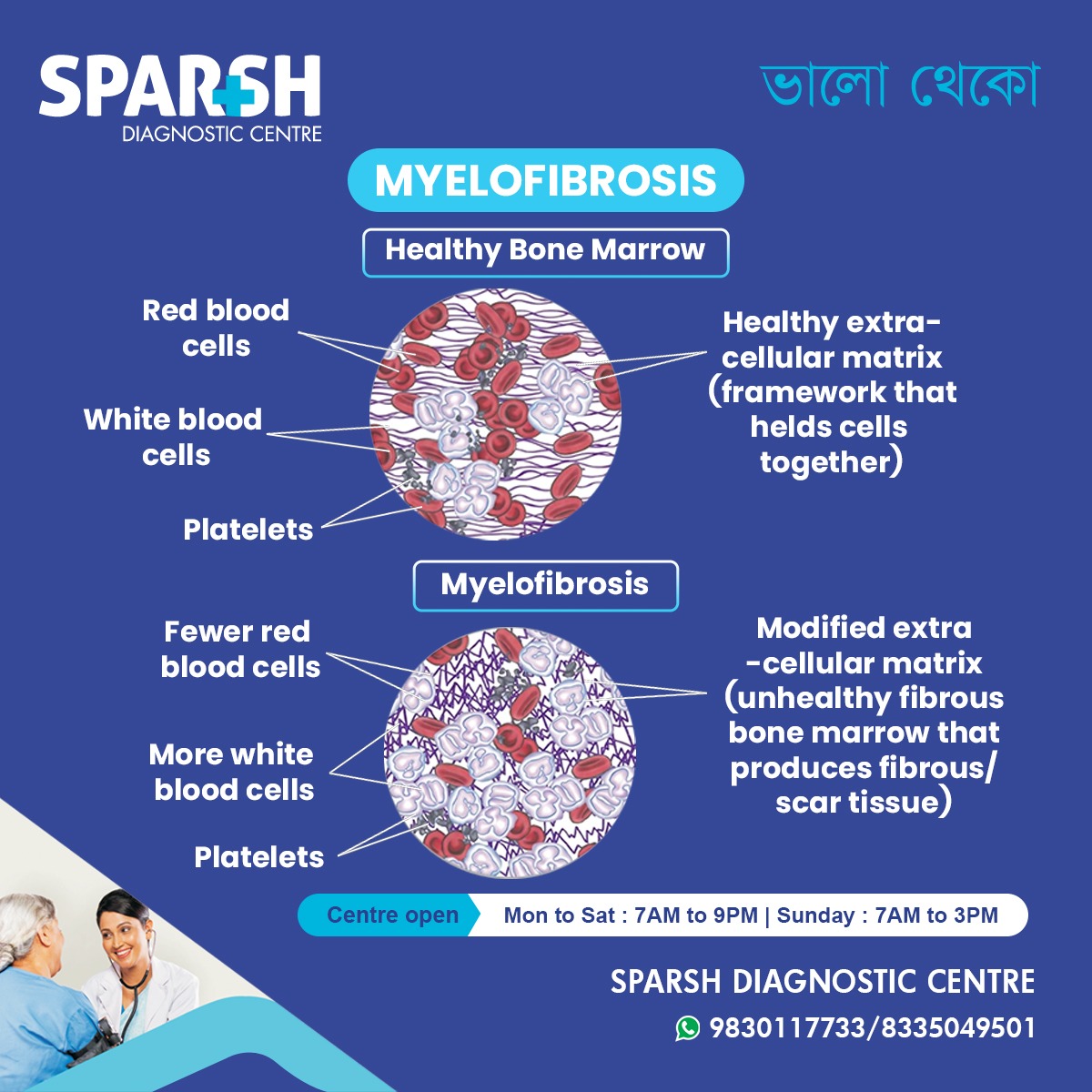
Myelofibrosis is a type of chronic blood cancer classified under myeloproliferative neoplasms (MPNs). In this condition, abnormal stem cells in the bone marrow trigger excessive production of certain blood cells and cause scar tissue (fibrosis) to develop in the marrow.
Healthy bone marrow is soft and spongy, producing blood cells that help carry oxygen, fight infection, and prevent bleeding. In myelofibrosis, the marrow gradually becomes fibrous and less effective at blood cell production.
As the bone marrow struggles to function, other organs such as the spleen and liver begin producing blood cells instead. This can cause these organs to enlarge, especially the spleen.
Myelofibrosis may occur on its own (primary myelofibrosis) or develop from other blood disorders such as:
- Polycythemia vera
- Essential thrombocythemia
Types of Myelofibrosis
Primary Myelofibrosis
This type develops independently without a pre-existing blood disorder. It is the most common form.
Secondary Myelofibrosis
Secondary myelofibrosis develops as a complication of other bone marrow diseases, particularly:
- Polycythemia vera
- Essential thrombocythemia
Causes of Myelofibrosis
The exact cause of myelofibrosis is not fully understood. However, researchers know that genetic mutations play a major role.
Several gene mutations are associated with the disease, including:
- JAK2 mutation
- CALR mutation
- MPL mutation
These mutations affect how blood cells grow and divide, leading to abnormal cell production and inflammation inside the bone marrow.
Risk factors may include:
- Age over 50 years
- Exposure to radiation
- Exposure to industrial chemicals such as benzene
- History of other blood disorders
It’s important to note that myelofibrosis is generally not inherited directly from parents.
Symptoms of Myelofibrosis
Some people with myelofibrosis may not experience symptoms in the early stages. As the disease progresses, symptoms gradually become more noticeable.
Common symptoms include:
Fatigue and Weakness
Low red blood cell levels (anemia) can leave people feeling exhausted even after adequate rest.
Enlarged Spleen
The spleen may become enlarged because it starts producing blood cells outside the bone marrow. This can cause:
- Pain or fullness below the left ribs
- Early feeling of fullness while eating
- Abdominal discomfort
Shortness of Breath
Reduced oxygen-carrying capacity from anemia can lead to breathlessness during physical activity.
Night Sweats and Fever
Inflammation caused by abnormal blood cell activity may trigger fever and excessive sweating.
Bone Pain
Some patients experience discomfort or aching in the bones and joints.
Easy Bruising or Bleeding
Low platelet counts can increase the risk of bruising, bleeding gums, or nosebleeds.
Weight Loss
Unexplained weight loss may occur in advanced cases.
How Myelofibrosis Affects the Body
Myelofibrosis impacts several important body systems:
Bone Marrow
Scar tissue replaces healthy marrow, reducing blood cell production.
Blood
Abnormal blood cell levels can cause:
- Anemia
- Infection risk
- Clotting problems
- Bleeding issues
Spleen and Liver
These organs may enlarge because they attempt to compensate for failing bone marrow.
Immune System
Reduced white blood cell function can weaken immunity.
Diagnosis of Myelofibrosis
Diagnosing myelofibrosis involves multiple tests and careful evaluation.
Physical Examination
Doctors may check for an enlarged spleen or liver.
Blood Tests
Blood tests help identify:
- Low red blood cell counts
- Abnormal white blood cell levels
- Platelet abnormalities
Bone Marrow Biopsy
A bone marrow biopsy is one of the most important diagnostic tools. A small sample of bone marrow is examined for fibrosis and abnormal cells.
Genetic Testing
Testing for JAK2, CALR, and MPL mutations helps confirm the diagnosis.
Imaging Tests
Ultrasound, CT scans, or MRI scans may be used to evaluate organ enlargement.
Stages and Risk Categories
Doctors classify myelofibrosis into risk categories based on symptoms, blood counts, age, and genetic findings.
These categories include:
- Low risk
- Intermediate-1 risk
- Intermediate-2 risk
- High risk
Risk assessment helps guide treatment decisions and predict disease progression.
Complications of Myelofibrosis
Without proper management, myelofibrosis can lead to serious complications.
Severe Anemia
Persistent anemia may require blood transfusions.
Enlarged Spleen Complications
A severely enlarged spleen can cause pain and digestive issues.
Portal Hypertension
Increased blood pressure in the veins around the liver may develop.
Acute Leukemia
In some cases, myelofibrosis can transform into acute myeloid leukemia (AML), an aggressive blood cancer.
Infections
Reduced immune function increases infection risk.
Treatment Options for Myelofibrosis
Treatment depends on symptoms, disease severity, age, and overall health.
Some patients with mild disease may only need monitoring, while others require active treatment.
Watchful Waiting
People without significant symptoms may undergo regular monitoring without immediate treatment.
Medications
Several medications help manage symptoms and slow disease progression.
JAK Inhibitors
These targeted drugs help reduce spleen enlargement and improve symptoms.
Examples include:
- Ruxolitinib
- Fedratinib
Anemia Treatments
Doctors may recommend:
- Blood transfusions
- Androgen therapy
- Erythropoietin-stimulating agents
Chemotherapy Drugs
Certain medications may help control abnormal blood cell production.
Radiation Therapy
Radiation may occasionally be used to shrink an enlarged spleen.
Splenectomy
In severe cases, surgical removal of the spleen may be considered.
Stem Cell Transplant
A bone marrow or stem cell transplant is currently the only potential cure for myelofibrosis. However, it carries significant risks and is not suitable for everyone.
Transplants are generally considered for younger patients or those with high-risk disease.
Living With Myelofibrosis
Living with myelofibrosis often requires ongoing medical care and lifestyle adjustments.
Maintain Regular Follow-Ups
Routine blood tests and medical appointments help monitor disease progression.
Eat a Balanced Diet
A healthy diet supports overall well-being and energy levels.
Stay Physically Active
Gentle exercise can improve fatigue and physical function.
Prevent Infections
People with weakened immunity should:
- Wash hands regularly
- Avoid sick individuals
- Stay updated on vaccinations
Emotional Support Matters
A chronic illness diagnosis can affect mental health. Support groups, counseling, and family support can help patients cope emotionally.
Prognosis and Survival Rates
The outlook for myelofibrosis varies widely. Some people live for many years with mild symptoms, while others experience faster disease progression.
Factors influencing prognosis include:
- Age
- Blood counts
- Genetic mutations
- Symptom severity
- Response to treatment
Newer therapies have improved survival and quality of life for many patients.
Can Myelofibrosis Be Prevented?
There is no guaranteed way to prevent myelofibrosis. However, reducing exposure to harmful chemicals and maintaining regular medical checkups may help detect problems early.
Because the disease is linked to genetic mutations rather than lifestyle alone, prevention is often difficult.
When Should You See a Doctor?
You should consult a healthcare professional if you experience:
- Persistent fatigue
- Unexplained weight loss
- Frequent infections
- Easy bruising or bleeding
- Enlarged abdomen
- Night sweats
- Shortness of breath
Early diagnosis can improve treatment outcomes.
Latest Advances in Myelofibrosis Treatment
Research into myelofibrosis treatment is rapidly evolving.
Scientists are currently exploring:
- New JAK inhibitors
- Combination therapies
- Gene-targeted treatments
- Improved stem cell transplant approaches
- Immunotherapy options
Clinical trials continue to provide hope for safer and more effective therapies.
Frequently Asked Questions (FAQs)
Is myelofibrosis a cancer?
Yes, myelofibrosis is considered a type of blood cancer and belongs to the group of diseases called myeloproliferative neoplasms.
What are the first signs of myelofibrosis?
Early symptoms may include fatigue, weakness, night sweats, weight loss, and an enlarged spleen.
Is myelofibrosis curable?
A stem cell transplant is currently the only potential cure. However, many treatments can effectively manage symptoms and improve quality of life.
How serious is myelofibrosis?
The severity varies from person to person. Some individuals have mild disease for years, while others develop serious complications.
What causes bone marrow scarring in myelofibrosis?
Abnormal blood stem cells release inflammatory substances that stimulate scar tissue formation inside the bone marrow.
Can myelofibrosis turn into leukemia?
Yes, in some cases, myelofibrosis can progress to acute myeloid leukemia (AML).
Is myelofibrosis hereditary?
Most cases are not directly inherited, although genetic mutations are involved in the disease process.
How is myelofibrosis diagnosed?
Diagnosis usually involves blood tests, bone marrow biopsy, genetic testing, and imaging studies.
What foods should people with myelofibrosis avoid?
Patients should avoid undercooked foods and maintain a balanced diet to reduce infection risk and support overall health.
Can people live a normal life with myelofibrosis?
Many people can maintain a good quality of life with proper treatment, monitoring, and supportive care.
Myelofibrosis is a complex bone marrow disorder that can affect many aspects of health, from blood cell production to organ function. While it is considered a rare blood cancer, growing awareness and medical advancements have made diagnosis and treatment more effective than ever before.
Understanding the symptoms, seeking timely medical attention, and following a personalized treatment plan can help patients manage the disease successfully. Whether through medication, supportive care, or advanced therapies like stem cell transplantation, modern medicine continues to improve outcomes for individuals living with myelofibrosis.
If you or a loved one experiences symptoms such as fatigue, unexplained weight loss, or spleen enlargement, consult a healthcare provider for proper evaluation and care.
To consult a Doctor at Sparsh Diagnostic Centre, call our helpline numbers 9830117733/ 8335049501.
#BhaloTheko
Disclaimer:
No content on this site, regardless of date, should ever be used as a substitute for direct medical advice from your doctor or other qualified clinician.