When people hear the word “lymphoma,” it often brings more questions than answers. What exactly is it? How serious is it? And most importantly—what can be done about it? If you or a loved one has been diagnosed with Non-Hodgkin lymphoma, understanding the condition can make a world of difference.
This guide walks you through everything you need to know—clearly, honestly, and without medical jargon overload.
What Is Non-Hodgkin Lymphoma?
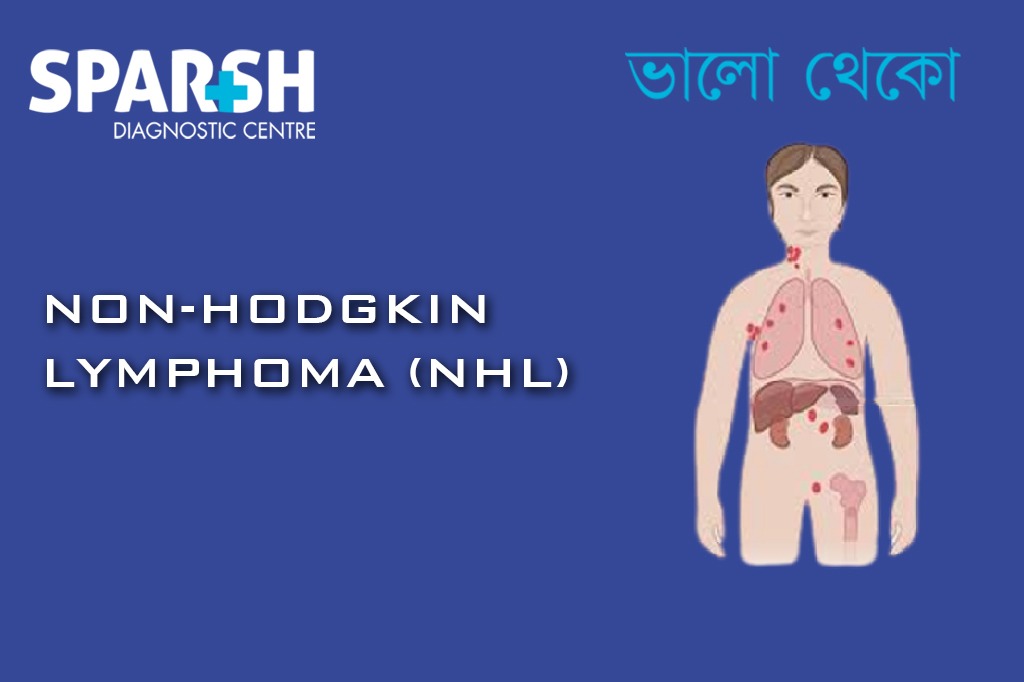
Non-Hodgkin lymphoma (NHL) is a type of cancer that begins in the lymphatic system—a crucial part of your immune defense. The lymphatic system includes lymph nodes, the spleen, bone marrow, and lymph vessels. These structures help your body fight infections.
In NHL, certain white blood cells called lymphocytes start growing uncontrollably. Instead of protecting your body, these abnormal cells build up in lymph nodes and other tissues, forming tumors.
You may have also heard of Hodgkin lymphoma. While both affect the lymphatic system, they differ in their cellular characteristics, progression, and treatment approach.
Types of Non-Hodgkin Lymphoma
NHL is not a single disease—it’s actually a group of more than 60 different types. These are broadly categorized based on the type of lymphocyte affected:
1. B-cell Lymphomas
These are the most common, accounting for about 85–90% of cases. Examples include:
- Diffuse large B-cell lymphoma (DLBCL)
- Follicular lymphoma
2. T-cell Lymphomas
Less common but often more aggressive. Examples include:
- Peripheral T-cell lymphoma
- Cutaneous T-cell lymphoma
3. Indolent vs Aggressive Lymphomas
- Indolent (slow-growing): May not require immediate treatment
- Aggressive (fast-growing): Requires prompt medical care but often responds well to treatment
Causes and Risk Factors
The exact cause of NHL isn’t always clear, but several factors can increase the risk:
Weakened Immune System
People with compromised immunity—due to conditions like HIV/AIDS or after organ transplantation—are at higher risk.
Infections
Certain infections are linked to NHL, such as:
Age
Risk increases with age, especially after 60, though it can occur at any age.
Environmental Exposure
Long-term exposure to pesticides, herbicides, or chemicals may contribute.
Autoimmune Diseases
Conditions like rheumatoid arthritis or lupus may increase susceptibility.
Signs and Symptoms
Symptoms of NHL can be subtle at first, which is why early detection can be challenging. Some people don’t notice anything until the disease has progressed.
Common Symptoms
- Painless swelling of lymph nodes (neck, armpit, groin)
- Persistent fatigue
- Unexplained weight loss
- Fever without infection
- Night sweats
Other Possible Symptoms
- Chest pain or coughing (if lymph nodes in the chest are affected)
- Abdominal swelling or pain
- Frequent infections
If these symptoms persist for more than a couple of weeks, it’s wise to consult a healthcare provider.
Understanding the Stages of NHL
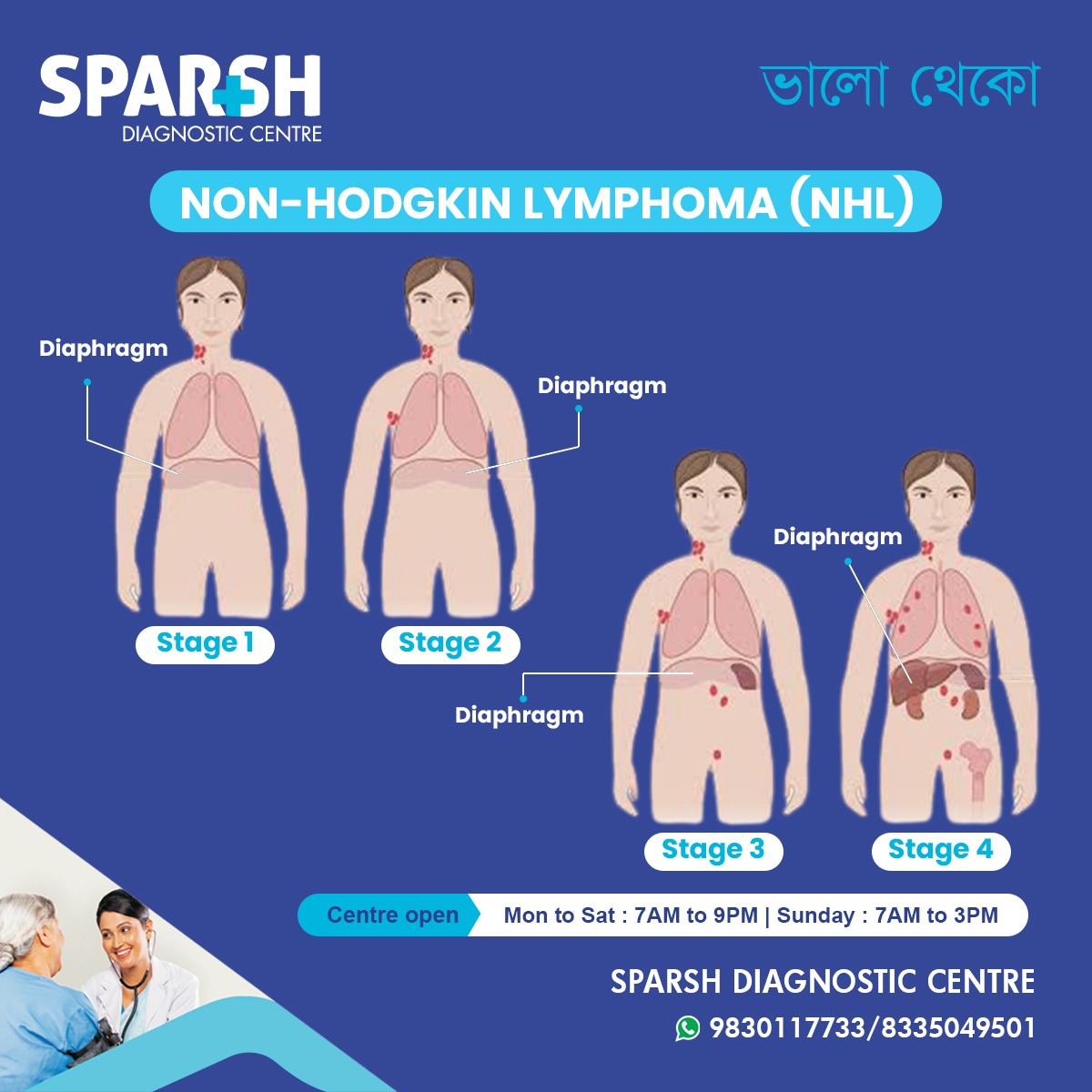
Staging helps doctors understand how far the cancer has spread and guides treatment decisions.
Stage 1
Cancer is limited to a single lymph node region or one organ.
Stage 2
Two or more lymph node regions are affected, but all are on the same side of the diaphragm.
Stage 3
Lymph nodes on both sides of the diaphragm are involved.
Stage 4
Cancer has spread beyond the lymphatic system to organs like the liver, bone marrow, or lungs.
The “diaphragm” plays a key role here—it’s the muscle that separates your chest from your abdomen.
How Is Non-Hodgkin Lymphoma Diagnosed?
Diagnosis typically involves a combination of tests:
Physical Examination
Doctors check for swollen lymph nodes and signs of organ enlargement.
Biopsy
A small sample of lymph node tissue is removed and examined under a microscope. This is the most definitive test.
Imaging Tests
These help determine how far the disease has spread.
Blood Tests
Used to assess overall health and detect abnormalities.
Bone Marrow Test
Checks if the lymphoma has reached the bone marrow.
Treatment Options
Treatment depends on the type, stage, and overall health of the patient. The good news? Many forms of NHL are treatable—and even curable.
1. Watchful Waiting
For slow-growing lymphomas, doctors may monitor the condition without immediate treatment.
2. Chemotherapy
One of the most common treatments, using drugs to destroy cancer cells.
3. Immunotherapy
Drugs like Rituximab help the immune system recognize and attack cancer cells.
4. Targeted Therapy
These drugs specifically target cancer cell mechanisms without harming normal cells as much.
5. Radiation Therapy
High-energy beams are used to destroy cancer cells in specific areas.
6. Stem Cell Transplant
Used in certain cases to replace damaged bone marrow with healthy cells.
Side Effects of Treatment
While treatments can be effective, they may come with side effects such as:
- Hair loss
- Nausea and vomiting
- Fatigue
- Increased risk of infections
Doctors often provide supportive care to manage these effects and improve quality of life.
Prognosis and Survival Rates
Prognosis varies widely depending on:
- Type of NHL
- Stage at diagnosis
- Patient’s age and overall health
Some aggressive lymphomas respond very well to treatment, while indolent types may require long-term management.
Advances in medicine have significantly improved survival rates in recent years, offering hope to many patients.
Living With Non-Hodgkin Lymphoma
A diagnosis like NHL can feel overwhelming—but it’s not the end of the road. Many people live full, meaningful lives during and after treatment.
Tips for Coping
- Stay informed—but avoid information overload
- Build a support system (family, friends, support groups)
- Focus on nutrition and gentle physical activity
- Communicate openly with your healthcare team
Mental health matters just as much as physical health during this journey.
Prevention: Is It Possible?
There’s no guaranteed way to prevent NHL, but you can reduce risk by:
- Maintaining a healthy immune system
- Avoiding harmful chemical exposure
- Managing chronic infections and autoimmune conditions
Regular health check-ups can also help in early detection.
When Should You See a Doctor?
Don’t ignore persistent symptoms like:
- Swollen lymph nodes
- Unexplained weight loss
- Night sweats
- Chronic fatigue
Early diagnosis can significantly improve treatment outcomes.
Frequently Asked Questions (FAQs)
1. Is Non-Hodgkin Lymphoma curable?
Yes, many types—especially aggressive ones—can be cured with timely treatment.
2. How fast does NHL spread?
It depends on the type. Some grow slowly over years, while others progress rapidly within months.
3. Is NHL hereditary?
Most cases are not inherited, though family history may slightly increase risk.
4. Can lifestyle changes help during treatment?
Absolutely. A balanced diet, stress management, and regular light exercise can support recovery.
5. What is the difference between Hodgkin and Non-Hodgkin lymphoma?
They differ in the type of abnormal cells present and how the disease spreads.
6. Can NHL come back after treatment?
Yes, recurrence is possible, but many cases can still be treated successfully.
7. Is chemotherapy always required?
Not always. Some slow-growing lymphomas may only need monitoring initially.
8. How long does treatment last?
Treatment duration varies—from a few months to longer-term therapy depending on the case.
Facing Non-Hodgkin lymphoma can feel daunting, but knowledge is power. With advancements in diagnosis and treatment, outcomes are improving every year.
If something doesn’t feel right in your body, don’t wait—get it checked. Early action can make all the difference.
#BhaloTheko
Disclaimer:
No content on this site, regardless of date, should ever be used as a substitute for direct medical advice from your doctor or other qualified clinician.