If you’ve ever felt a burning sensation in your chest after a meal or struggled to swallow comfortably, you might have experienced early signs of Esophagitis. While it can start off as mild irritation, esophagitis can become a serious condition if left untreated.
In this guide, we’ll walk through everything you need to know—what causes it, how to recognize symptoms, treatment options, and how to prevent it from coming back. The goal is simple: help you understand your body better and take action early.
What is Esophagitis?
Esophagitis refers to inflammation of the esophagus—the muscular tube that carries food from your mouth to your stomach. When the lining of this tube gets irritated or damaged, it can cause discomfort, pain, and difficulty swallowing.
The condition can be temporary or chronic, depending on the underlying cause. In many cases, it’s linked to acid reflux, but infections, allergies, and medications can also play a role.
Common Causes of Esophagitis
Understanding the cause is key to effective treatment. Here are the most common triggers:
1. Acid Reflux (GERD)
The most frequent cause of esophagitis is Gastroesophageal Reflux Disease (GERD). This happens when stomach acid repeatedly flows back into the esophagus, irritating its lining.
Over time, constant acid exposure can lead to inflammation, ulcers, and even long-term complications.
2. Infections
Certain infections can inflame the esophagus, especially in people with weakened immune systems. These include:
- Fungal infections (like Candida)
- Viral infections (such as herpes simplex)
- Bacterial infections (less common)
3. Allergic Reactions
A condition called eosinophilic esophagitis is triggered by allergies—often related to food. It causes white blood cells (eosinophils) to build up in the esophagus, leading to inflammation.
4. Medication-Induced Esophagitis
Some medications can irritate the esophagus if not swallowed properly. Common culprits include:
- Pain relievers (NSAIDs)
- Antibiotics
- Certain supplements like iron or potassium
Taking pills without enough water or lying down immediately afterward increases the risk.
5. Lifestyle Factors
Certain habits can worsen or trigger esophagitis:
- Smoking
- Excessive alcohol consumption
- Obesity
- Eating late at night
- Frequent consumption of spicy or acidic foods
Symptoms of Esophagitis
Symptoms can vary depending on the severity and cause, but some signs are quite common.
Most common symptoms:
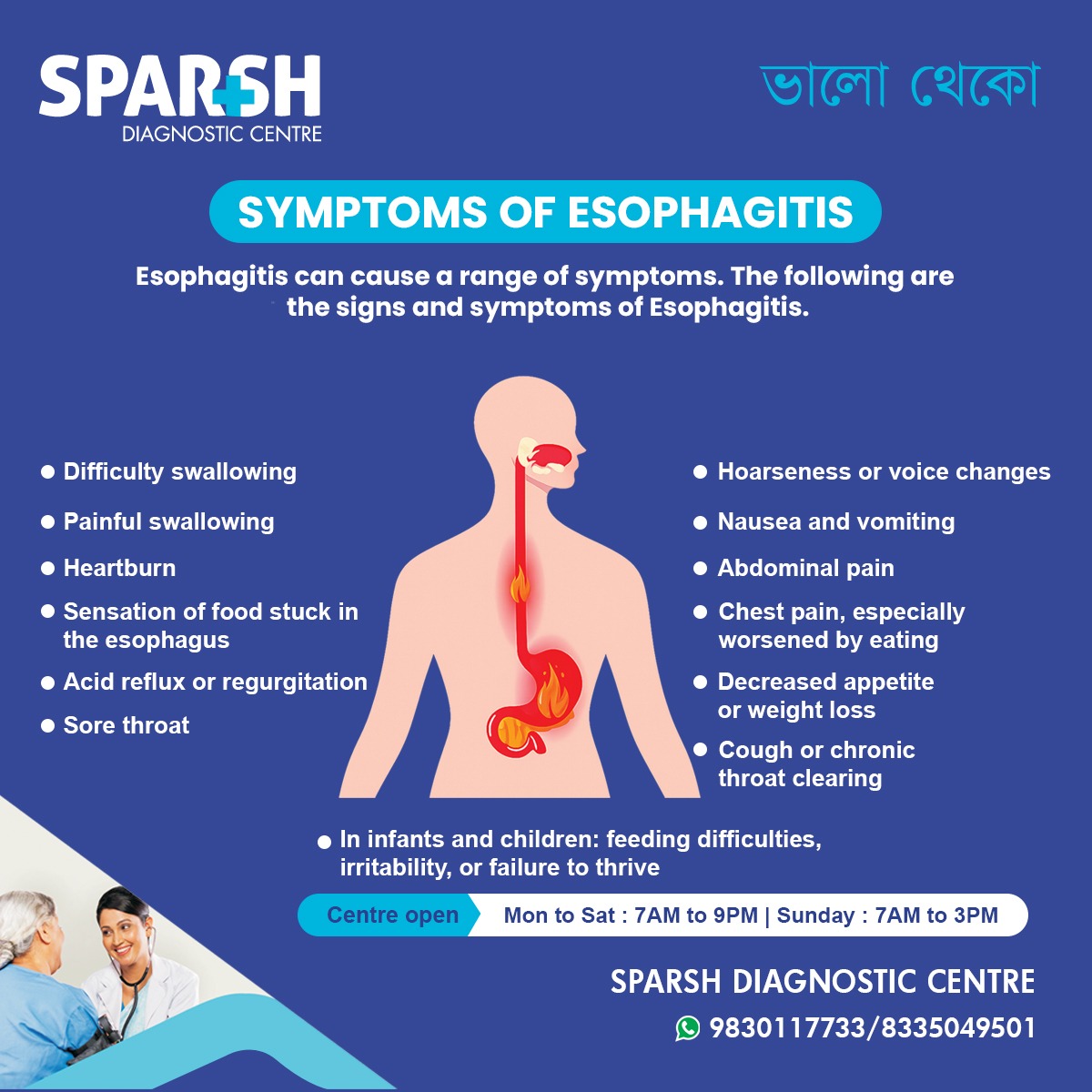
- Difficulty swallowing (dysphagia)
- Painful swallowing (odynophagia)
- Heartburn or burning chest pain
- Sensation of food getting stuck
- Acid regurgitation
- Sore throat
Other possible symptoms:
- Chest pain (often mistaken for heart issues)
- Nausea or vomiting
- Chronic cough or throat clearing
- Hoarseness or voice changes
- Reduced appetite or unexplained weight loss
Symptoms in children:
- Feeding difficulties
- Irritability
- Poor growth (failure to thrive)
If symptoms persist or worsen, it’s important to seek medical advice rather than self-treating repeatedly.
Types of Esophagitis
Not all esophagitis is the same. Doctors classify it based on the underlying cause:
1. Reflux Esophagitis
Caused by chronic acid reflux. This is the most common type and is closely linked to GERD.
2. Eosinophilic Esophagitis
An immune system reaction, often triggered by food allergies. It’s becoming increasingly common, especially in younger individuals.
3. Infectious Esophagitis
More common in people with weakened immunity, such as those undergoing chemotherapy or living with chronic illnesses.
4. Drug-Induced Esophagitis
Occurs when medications irritate the esophageal lining, especially if they linger in the esophagus.
Risk Factors
Certain factors increase your chances of developing esophagitis:
- Chronic acid reflux
- Weak immune system
- Food allergies
- Improper medication habits
- Smoking and alcohol use
- Obesity
- Hiatal hernia
Recognizing these risk factors early can help you take preventive steps.
How is Esophagitis Diagnosed?
If your symptoms persist, your doctor may recommend tests to confirm the diagnosis and identify the cause.
Common diagnostic methods:
1. Endoscopy
A flexible tube with a camera is inserted into the esophagus to examine inflammation, ulcers, or narrowing.
2. Biopsy
Small tissue samples are taken during endoscopy to check for infection or allergic reactions.
3. Barium Swallow (X-ray)
You swallow a liquid that coats your esophagus, making abnormalities visible on X-rays.
4. pH Monitoring
Measures acid levels in the esophagus to confirm acid reflux.
Treatment Options for Esophagitis
Treatment depends on the cause, but the goal is always to reduce inflammation and allow healing.
1. Medications
For acid reflux:
- Proton pump inhibitors (PPIs)
- H2 blockers
- Antacids
For infections:
- Antifungal, antiviral, or antibiotic medications
For allergies:
- Steroids (usually swallowed, not inhaled)
- Elimination diets
2. Lifestyle Changes
Small adjustments can make a big difference:
- Eat smaller, more frequent meals
- Avoid lying down immediately after eating
- Elevate your head while sleeping
- Cut down on spicy, fatty, or acidic foods
- Limit caffeine and alcohol
- Quit smoking
3. Dietary Modifications
Certain foods are known to trigger symptoms. Consider avoiding:
- Citrus fruits
- Tomato-based products
- Chocolate
- Fried or greasy foods
- Carbonated drinks
Instead, focus on:
- Lean proteins
- Whole grains
- Vegetables
- Non-citrus fruits
4. Surgical Options
In severe cases, especially with GERD, surgery may be recommended. Procedures like fundoplication help strengthen the valve between the stomach and esophagus.
Complications of Untreated Esophagitis
Ignoring symptoms can lead to serious complications over time:
- Esophageal ulcers
- Strictures (narrowing of the esophagus)
- Bleeding
- Barrett’s esophagus, a condition that increases the risk of esophageal cancer
Early treatment can prevent most of these issues.
Prevention Tips
The good news? Esophagitis is often preventable.
Simple ways to reduce risk:
- Maintain a healthy weight
- Avoid overeating
- Don’t lie down right after meals
- Stay hydrated when taking medications
- Identify and avoid trigger foods
- Manage stress effectively
Consistency matters more than perfection when it comes to prevention.
When Should You See a Doctor?
Don’t ignore persistent symptoms. Seek medical attention if you experience:
- Difficulty swallowing that worsens
- Food getting stuck frequently
- Severe chest pain
- Vomiting blood
- Unexplained weight loss
These could indicate more serious complications.
Living with Esophagitis
Managing esophagitis is often about long-term care rather than quick fixes. The key is to:
- Stick to your treatment plan
- Make sustainable lifestyle changes
- Monitor your symptoms
- Follow up regularly with your doctor
Most people see significant improvement once they identify and address the underlying cause.
Frequently Asked Questions (FAQs)
1. Is esophagitis the same as acid reflux?
Not exactly. Acid reflux is a common cause of esophagitis, but esophagitis refers specifically to inflammation of the esophagus.
2. Can esophagitis heal on its own?
Mild cases may improve with dietary changes, but most cases require treatment to prevent complications.
3. How long does it take to recover from esophagitis?
Recovery can take a few weeks to several months, depending on the severity and cause.
4. Is esophagitis dangerous?
It can be if left untreated. Chronic inflammation can lead to complications like strictures or Barrett’s esophagus.
5. What foods should I avoid with esophagitis?
Avoid spicy, acidic, fried, and caffeinated foods, as well as alcohol and carbonated drinks.
6. Can stress cause esophagitis?
Stress doesn’t directly cause it, but it can worsen symptoms, especially in people with acid reflux.
7. Is esophagitis contagious?
No, except in rare cases of infectious esophagitis caused by certain pathogens.
8. Can children develop esophagitis?
Yes, especially in cases of food allergies or reflux.
Esophagitis may start as a mild irritation, but it’s not something to ignore. The sooner you recognize the symptoms and take action, the easier it is to treat and manage.
A combination of the right medication, smart lifestyle choices, and regular medical care can help you stay symptom-free and protect your long-term digestive health.
To consult a Gastroenterologist at Sparsh Diagnostic Centre, call our helpline numbers 9830117733/ 8335049501.
#BhaloTheko
Disclaimer:
No content on this site, regardless of date, should ever be used as a substitute for direct medical advice from your doctor or other qualified clinician.