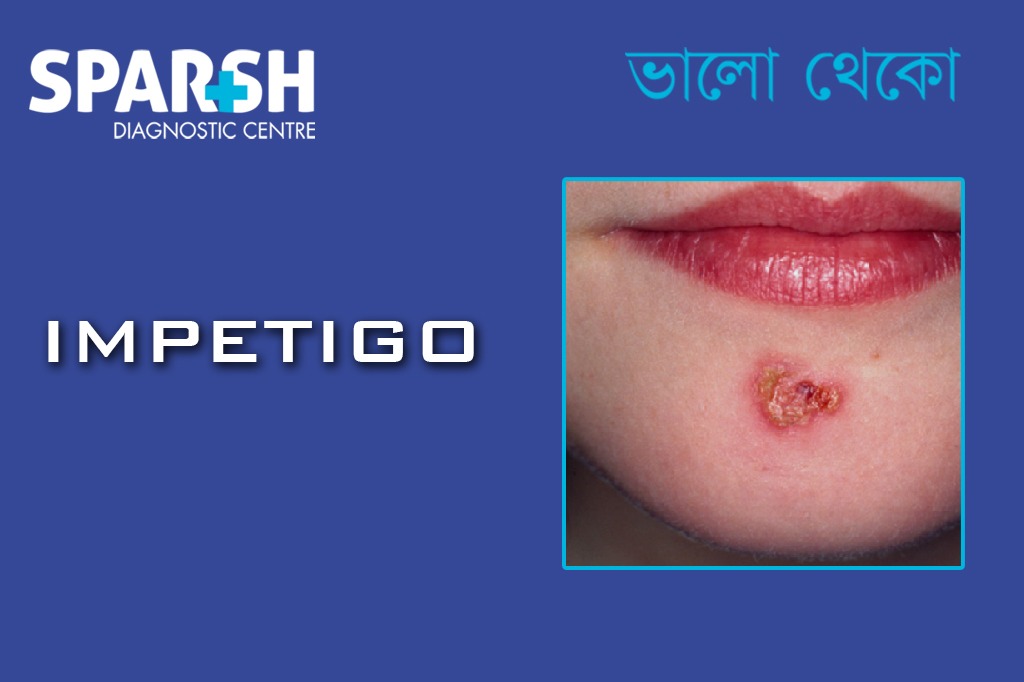
Impetigo is one of the most common bacterial skin infections, especially in children, but adults can develop it too. It often starts as a small red sore, blister, or rash and can quickly turn into a crusted lesion with a distinctive honey-colored appearance. Although impetigo is usually not dangerous, it spreads easily through direct contact, making early recognition and treatment important.
Because the infection affects the outer layer of the skin, it usually responds well to treatment when managed promptly. However, if left untreated, impetigo can spread to other parts of the body or to other people in the household, school, or workplace.
In this guide, we’ll explain what impetigo is, why it happens, how to recognize it, what treatment options are available, and how to prevent it from spreading.
What Is Impetigo?
Impetigo is a highly contagious bacterial skin infection that affects the superficial layers of the skin. It is usually caused by bacteria such as Staphylococcus aureus or Streptococcus pyogenes.
The infection often appears around the nose, mouth, hands, and legs, though it can develop anywhere the skin is damaged. Small cuts, insect bites, eczema, or scratches often create an entry point for bacteria.
Impetigo is particularly common in warm, humid weather and in crowded environments where skin-to-skin contact happens often.
Why Does Impetigo Occur?
Healthy skin acts as a protective barrier, but when that barrier is broken, bacteria can enter and multiply.
Common triggers include:
- Minor cuts and scratches
- Insect bites
- Eczema or dry skin
- Frequent nose rubbing
- Poor hygiene habits
- Close contact with an infected person
- Sharing towels, clothes, or bedding
Children are more likely to develop impetigo because they often have frequent minor skin injuries and close contact during play.
Types of Impetigo
There are three main forms of impetigo.
Non-Bullous Impetigo
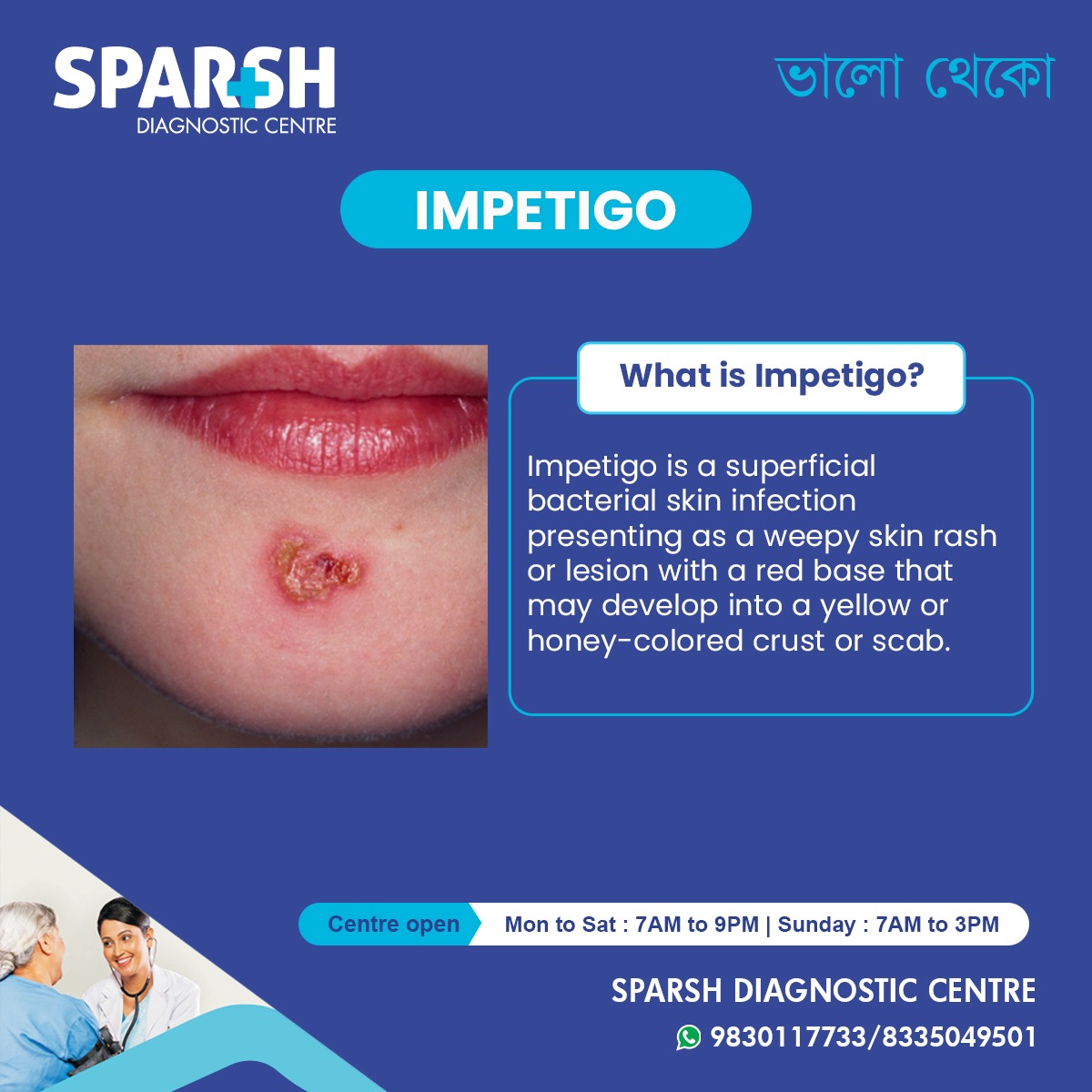
This is the most common type. It begins as small red sores that quickly burst and form a yellowish or honey-colored crust.
It usually affects:
- Around the nose
- Around the mouth
- Arms
- Legs
This type spreads quickly if scratched.
Bullous Impetigo
This form causes larger fluid-filled blisters. It is more common in infants and young children.
The blisters may:
- Appear clear at first
- Become cloudy
- Burst and leave a thin crust
Bullous impetigo often affects the trunk, arms, and diaper area.
Ecthyma
This is a deeper and more serious form of impetigo.
It causes:
- Painful ulcers
- Thick crust formation
- Deeper skin involvement
Ecthyma may leave scars if not treated early.
Symptoms of Impetigo
Symptoms usually begin a few days after bacterial exposure.
Common signs include:
- Red sores or patches
- Small blisters
- Itching
- Oozing fluid
- Honey-colored crusts
- Mild discomfort
Some people also develop swollen nearby lymph nodes if the infection spreads.
Early Signs That Are Often Missed
Many people mistake early impetigo for minor irritation or an insect bite.
Early warning signs include:
- A tiny red patch that enlarges quickly
- Moist-looking skin lesions
- Mild itching before crust develops
- Rapid spread over one or two days
Recognizing it early helps prevent wider infection.
How Impetigo Spreads
Impetigo spreads very easily through direct contact.
Transmission happens by:
- Touching infected skin
- Sharing towels
- Sharing clothes
- Touching contaminated surfaces
- Scratching and spreading bacteria to nearby skin
Children often spread it in schools, daycare centers, and playgrounds.
Who Is Most at Risk?
Certain groups are more vulnerable.
Higher-risk individuals include:
- Children aged 2 to 5 years
- People with eczema
- Athletes involved in close-contact sports
- Individuals with weakened immunity
- People living in humid climates
Adults with diabetes or chronic skin disease may also develop recurrent infections.
Causes of Impetigo
The infection is usually caused when bacteria enter broken skin.
The two main bacteria involved are:
- Staphylococcus aureus
- Streptococcus pyogenes
Sometimes both bacteria are present together.
Is Impetigo Dangerous?
In most cases, impetigo is mild and treatable. However, untreated infection can occasionally lead to complications.
Possible complications include:
- Cellulitis
- Kidney inflammation after streptococcal infection
- Deeper skin infection
- Scarring
Medical treatment reduces these risks significantly.
How Doctors Diagnose Impetigo
Diagnosis is usually based on appearance.
A doctor may:
- Examine the lesions visually
- Ask about recent skin injury
- Take a swab if infection is severe or recurring
Lab testing helps if resistant bacteria are suspected.
Treatment for Impetigo
Treatment depends on how widespread the infection is.
Topical Antibiotics
For small affected areas, antibiotic creams are often enough.
Common prescribed options include:
- Mupirocin
- Fusidic acid
These are applied directly to cleaned skin.
Oral Antibiotics
If the infection is widespread or severe, oral antibiotics may be needed.
Doctors may prescribe:
- Cephalexin
- Amoxicillin-clavulanate
Always complete the full course.
Skin Care During Recovery
Proper skin care improves healing.
Recommended care:
- Wash gently with mild soap
- Remove crusts carefully with warm water
- Keep nails short
- Avoid scratching
Cleanliness is essential to prevent spread.
How Long Does Impetigo Last?
With treatment, improvement often begins within 2 to 3 days.
Typical healing timeline:
- Mild cases: 5 to 7 days
- Moderate cases: 7 to 10 days
- Untreated cases: up to 3 weeks
The person remains contagious until treatment has started for at least 24 hours.
Can Adults Get Impetigo?
Yes, adults can develop impetigo too.
Adult triggers often include:
- Shaving cuts
- Skin injuries
- Diabetes
- Immune weakness
Adults involved in gyms or close-contact sports may also be affected.
Impetigo in Children
Children are the most commonly affected group.
Signs often appear:
- Around the nose
- Around the mouth
- On hands
- On legs
Parents should seek early treatment because children spread it quickly through touching.
When Should a Child Stay Home?
A child with impetigo should stay home until:
- Antibiotics have started for 24 hours
- Lesions are covered
- Oozing has stopped
This helps protect classmates and family members.
Home Remedies: What Helps and What Doesn’t
Home care supports healing but does not replace antibiotics.
Helpful measures:
- Warm water cleansing
- Soft crust removal
- Clean towels daily
Avoid:
- Applying harsh antiseptics repeatedly
- Scratching
- Covering wet lesions too tightly
Can Impetigo Come Back?
Yes, recurrence is possible.
Repeated infections may happen if:
- Bacteria remain on skin
- Towels are reused
- Family members carry bacteria in the nose
Sometimes doctors treat nasal bacterial carriers to prevent recurrence.
Prevention Tips
Prevention is very important because impetigo spreads easily.
Best preventive steps:
- Wash hands regularly
- Keep cuts clean
- Avoid sharing towels
- Trim nails
- Wash clothes in hot water
- Treat eczema properly
Hygiene at Home During Infection
To protect others:
- Use separate towels
- Wash pillow covers daily
- Clean frequently touched surfaces
- Avoid close skin contact
Simple hygiene can stop household spread.
Can Impetigo Cause Scarring?
Most mild cases heal without scars.
Scarring becomes more likely if:
- Lesions are scratched deeply
- Infection becomes ecthyma
- Treatment is delayed
Early care usually prevents permanent marks.
Impetigo vs Other Skin Conditions
Impetigo can look similar to several skin conditions.
Sometimes confused with:
- Eczema
- Cold sores
- Fungal infection
- Contact dermatitis
The honey-colored crust often helps distinguish impetigo.
When to See a Doctor
Medical attention is needed if:
- Lesions spread rapidly
- Fever develops
- Pain increases
- Blisters become large
- Infection recurs frequently
Early treatment prevents complications.
Can Impetigo Be Prevented in Schools?
Schools can reduce spread by encouraging:
- Frequent hand washing
- Covering wounds
- Cleaning shared surfaces
- Prompt treatment of infected children
Awareness is especially important in warm weather.
Long-Term Outlook
The outlook is excellent when treated early.
Most people recover completely without complications, and skin returns to normal after healing.
Frequently Asked Questions (FAQ)
Is impetigo contagious?
Yes, impetigo is highly contagious and spreads easily through direct skin contact or shared items.
Can impetigo heal without antibiotics?
Mild cases may eventually heal, but antibiotics shorten recovery and reduce spread.
Is impetigo painful?
It is usually itchy more than painful, though deeper infections can become uncomfortable.
Can adults get impetigo from children?
Yes, adults can catch impetigo through close contact with infected children.
Can impetigo spread to the face?
Yes, the face is one of the most common areas affected.
How soon after treatment is impetigo no longer contagious?
Usually after 24 hours of antibiotic treatment.
Can impetigo leave permanent scars?
Most cases do not scar unless the infection becomes deep or is scratched repeatedly.
Does impetigo always form honey-colored crusts?
Non-bullous impetigo typically does, but bullous impetigo may first appear as blisters.
To consult a Dermatologist at Sparsh Diagnostic Centre, call our helpline numbers 9830117733/ 8335049501.
#BhaloTheko
Disclaimer:
No content on this site, regardless of date, should ever be used as a substitute for direct medical advice from your doctor or other qualified clinician.