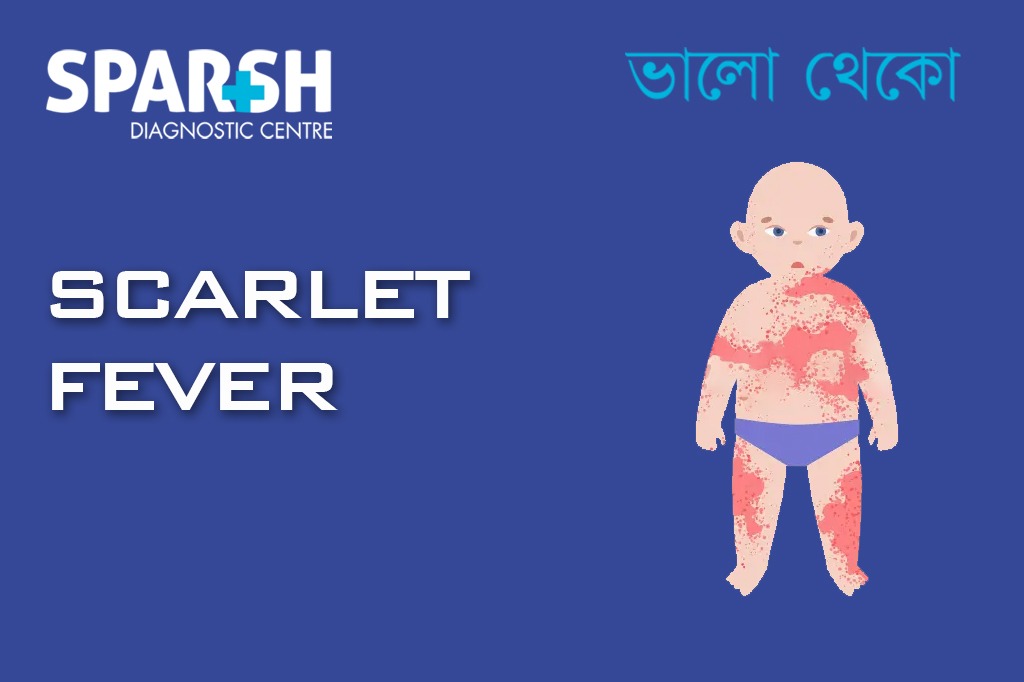
Scarlet fever is a bacterial infection that most often affects children, but adults can develop it too. It is known for its bright red rash, sore throat, and fever, and while it may sound alarming, it is usually very treatable when diagnosed early. In the past, scarlet fever was considered a serious childhood illness, but modern antibiotics have made recovery much safer and faster.
What often worries parents and patients is how quickly symptoms can appear. A child may begin with what seems like a common sore throat, only to develop fever, body aches, and a rash within a day or two. Because the symptoms can overlap with other illnesses, it helps to understand what makes scarlet fever different and when medical attention becomes necessary.
This guide explains scarlet fever in a practical and easy-to-understand way—covering symptoms, causes, diagnosis, treatment, recovery, possible complications, and ways to prevent it.
What Is Scarlet Fever?
Scarlet fever is an infection caused by Group A Streptococcus bacteria, the same bacteria responsible for strep throat. Scarlet fever develops when these bacteria release toxins that trigger a characteristic red rash across the skin.
Although it is most common in children between 5 and 15 years old, younger children and adults can also become infected. It spreads easily in schools, homes, and crowded indoor settings because the bacteria pass through respiratory droplets when someone coughs or sneezes.
The illness often begins as a throat infection, but the rash gives scarlet fever its distinctive identity.
What Causes Scarlet Fever?
Scarlet fever is caused by Group A Streptococcus, the same bacteria linked to strep throat and some skin infections.
Streptococcal pharyngitis is often the starting point. In some people, the bacteria produce toxins that lead to the rash associated with scarlet fever.
The infection spreads through:
- Coughing and sneezing
- Sharing utensils or drinking glasses
- Touching contaminated surfaces
- Close contact with an infected person
A child with untreated strep throat can spread the infection to classmates or siblings quite easily.
Common Symptoms of Scarlet Fever
Symptoms usually appear two to five days after exposure to the bacteria.
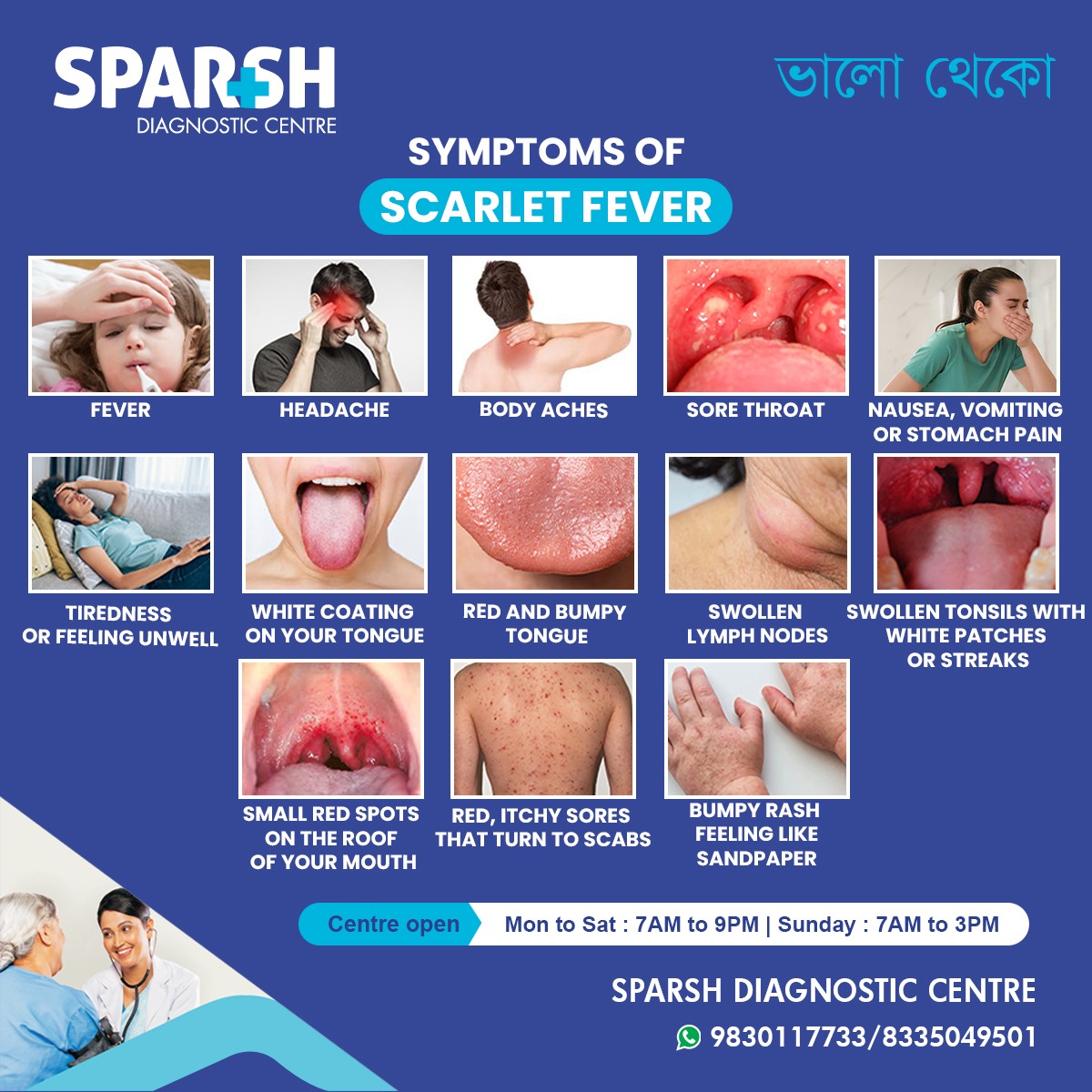
The most common signs include:
- Sudden fever
- Sore throat
- Pain when swallowing
- Headache
- Body aches
- Swollen glands in the neck
- Nausea or stomach discomfort
The rash usually appears within 12 to 48 hours after fever begins.
What Does the Scarlet Fever Rash Look Like?
The rash is often what alerts parents and doctors to scarlet fever.
It usually:
- Starts on the chest, neck, or abdomen
- Spreads to the arms, legs, and back
- Feels rough, almost like sandpaper
- Appears bright red or pink
- Becomes more noticeable in skin folds such as the armpits, elbows, and groin
The face may look flushed, but the area around the mouth often stays pale.
This rough rash is one of the most classic signs of scarlet fever.
Strawberry Tongue: A Key Sign
Another common feature is a strawberry tongue.
At first, the tongue may look white-coated. After a short time, the coating clears and leaves a red, swollen surface with visible bumps.
This appearance happens because the inflamed taste buds become more prominent.
Throat Changes in Scarlet Fever
The throat usually becomes:
- Bright red
- Inflamed
- Painful
- Swollen
White patches or streaks of pus may appear on the tonsils.
Tonsillitis often accompanies scarlet fever because both involve bacterial throat inflammation.
Scarlet Fever in Children
Children are affected most often because they spend time in close contact at school or daycare.
A child with scarlet fever may suddenly become:
- Irritable
- Tired
- Less interested in eating
- Complaining of sore throat or headache
Some children also develop stomach pain or vomiting, which can confuse the illness with a digestive infection at first.
Can Adults Get Scarlet Fever?
Yes, adults can develop scarlet fever, although it is less common.
Adults who are exposed to infected children, work in schools, or have reduced immunity may be more likely to become infected.
Symptoms are similar but adults may describe:
- Severe throat pain
- Fatigue
- Muscle aches
- Rash with skin sensitivity
How Scarlet Fever Is Diagnosed
Doctors usually diagnose scarlet fever through:
- Physical examination
- Throat inspection
- Rash evaluation
- Swollen lymph node check
A throat swab is often done to confirm Group A Streptococcus.
Group A streptococcal infection confirmation helps doctors choose the correct treatment quickly.
Sometimes a rapid strep test gives immediate results, while a throat culture may take longer.
Treatment for Scarlet Fever
Scarlet fever is treated with antibiotics.
Common options include:
- Amoxicillin
- Penicillin
- Azithromycin (for penicillin allergy)
Antibiotics help by:
- Killing the bacteria
- Reducing symptom duration
- Preventing complications
- Lowering spread to others
Most people begin feeling better within 24 to 48 hours after treatment starts.
Why Completing Antibiotics Matters
Even if symptoms improve quickly, the full antibiotic course must be completed.
Stopping early can allow bacteria to survive and may increase the risk of complications.
This is especially important because untreated streptococcal infections can lead to serious immune reactions later.
Home Care During Recovery
Along with antibiotics, supportive care makes recovery easier.
Helpful steps include:
- Drinking warm fluids
- Resting well
- Eating soft foods
- Using saltwater gargles
- Taking fever medicine if advised
Paracetamol may help reduce fever and throat discomfort.
Cold foods like yogurt or ice cream can also soothe the throat in children.
How Long Does Scarlet Fever Last?
Most symptoms improve within one week.
Typical timeline:
- Fever improves in 2 days
- Rash fades in 4 to 7 days
- Skin peeling may follow for several days
Peeling often happens on:
- Fingers
- Toes
- Palms
This peeling can look dramatic but usually resolves naturally.
Is Scarlet Fever Contagious?
Yes, scarlet fever is highly contagious.
A person remains contagious until they have taken antibiotics for at least 24 hours.
Without treatment, bacteria can spread for weeks.
Children should stay home from school until:
- Fever is gone
- Antibiotics have been taken for at least one full day
Possible Complications of Scarlet Fever
Without treatment, scarlet fever may lead to complications.
These include:
- Ear infection
- Sinus infection
- Pneumonia
- Abscess near tonsils
- Kidney inflammation
One serious concern is Rheumatic fever, which can affect the heart, joints, and nervous system.
Another possible complication is Post-streptococcal glomerulonephritis, which affects kidney function.
Scarlet Fever vs Strep Throat
Many people wonder whether scarlet fever is simply severe strep throat.
The difference is the rash.
Strep throat causes:
- Sore throat
- Fever
- Swollen tonsils
Scarlet fever causes all of the above plus the rash and strawberry tongue.
Not every strep throat case becomes scarlet fever.
Scarlet Fever vs Viral Rash Illnesses
Scarlet fever can resemble viral infections.
Doctors often distinguish it from:
The texture of the rash and throat findings often help identify scarlet fever.
Prevention Tips
Good hygiene greatly lowers the risk of spread.
Important prevention habits:
- Wash hands often
- Avoid sharing utensils
- Cover coughs and sneezes
- Clean frequently touched surfaces
- Replace toothbrush after starting antibiotics
These simple steps are especially useful during school outbreaks.
When to See a Doctor
Medical attention is important if fever and sore throat appear together with rash.
See a doctor if:
- Fever is high
- Child struggles to swallow
- Rash spreads quickly
- Breathing becomes difficult
- Symptoms worsen after antibiotics
Prompt treatment usually prevents complications.
Can Scarlet Fever Return?
Yes, scarlet fever can happen more than once.
Immunity is not always permanent because different bacterial strains exist.
A previous infection does not guarantee lifelong protection.
Scarlet Fever During Pregnancy
Pregnant women who develop scarlet fever should seek medical care quickly.
While the infection itself is usually treatable, fever and bacterial infection during pregnancy should not be ignored.
Doctors choose antibiotics that are safe during pregnancy.
Recovery Outlook
The overall outlook is excellent when treated early.
Most children return to normal activity within a few days.
The key is early recognition, proper antibiotics, and rest.
Modern treatment has made scarlet fever far less dangerous than it once was.
Frequently Asked Questions (FAQ)
Is it serious?
It can become serious if untreated, but antibiotics usually make recovery straightforward and safe.
How long is it contagious?
It remains contagious until 24 hours after antibiotics begin.
Can it spread to adults?
Yes, adults can catch it through close contact with infected children or family members.
Does every sore throat with rash mean scarlet fever?
No. Several viral illnesses can also cause rash, so proper diagnosis matters.
Can it go away without antibiotics?
Symptoms may improve, but untreated infection increases the risk of complications.
Is it dangerous for children?
Most children recover fully with treatment, but early diagnosis is important.
Why does skin peel after scarlet fever?
Peeling happens as the rash heals and is a common part of recovery.
Can it cause long-term problems?
Only untreated cases are more likely to lead to complications such as rheumatic fever or kidney inflammation.
To consult a Doctor at Sparsh Diagnostic Centre, call our helpline numbers 9830117733/ 8335049501.
#BhaloTheko
Disclaimer:
No content on this site, regardless of date, should ever be used as a substitute for direct medical advice from your doctor or other qualified clinician.