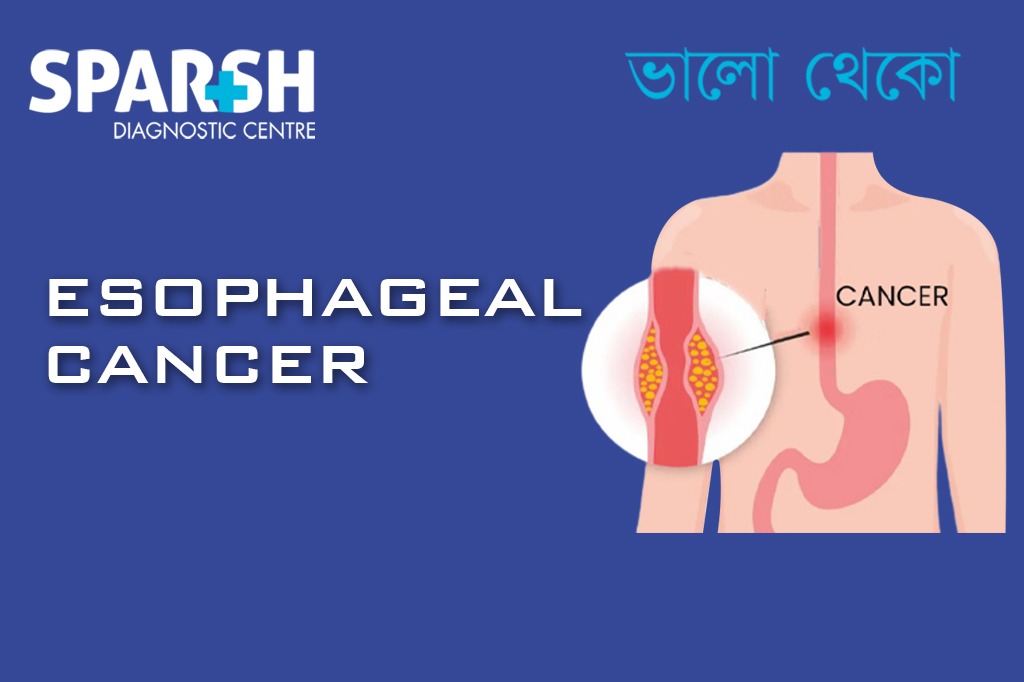
Esophageal cancer is a serious condition that develops in the esophagus — the long muscular tube that carries food and liquids from the throat to the stomach. Although it is not among the most common cancers, it can become life-threatening if not detected and treated early.
One of the biggest challenges with esophageal cancer is that symptoms often appear gradually and may initially be mistaken for common digestive problems such as acid reflux or heartburn. Because of this, many people ignore the early warning signs until the disease has progressed.
Understanding the symptoms, risk factors, and available treatments can help individuals seek timely medical attention and improve their chances of successful treatment. In this guide, we will explore everything you need to know about esophageal cancer, from its early symptoms to treatment and prevention strategies.
What Is Esophageal Cancer?
Esophageal cancer occurs when abnormal cells begin to grow uncontrollably in the lining of the esophagus. Over time, these cells can form tumors and may spread to nearby tissues or other parts of the body if left untreated.
The esophagus plays a vital role in the digestive process by transporting food from the mouth to the stomach. When cancer develops in this organ, it can interfere with swallowing and digestion.
There are two main types of esophageal cancer:
1. Squamous Cell Carcinoma
This type begins in the flat cells lining the esophagus. It commonly occurs in the upper and middle parts of the esophagus.
2. Adenocarcinoma
Adenocarcinoma starts in the glandular cells that produce mucus. It is usually found in the lower portion of the esophagus near the stomach.
In many countries, adenocarcinoma has become more common due to increasing cases of chronic acid reflux and obesity.
Early Symptoms of Esophageal Cancer
In the early stages, esophageal cancer may not cause noticeable symptoms. As the tumor grows, it begins to affect swallowing and digestion.
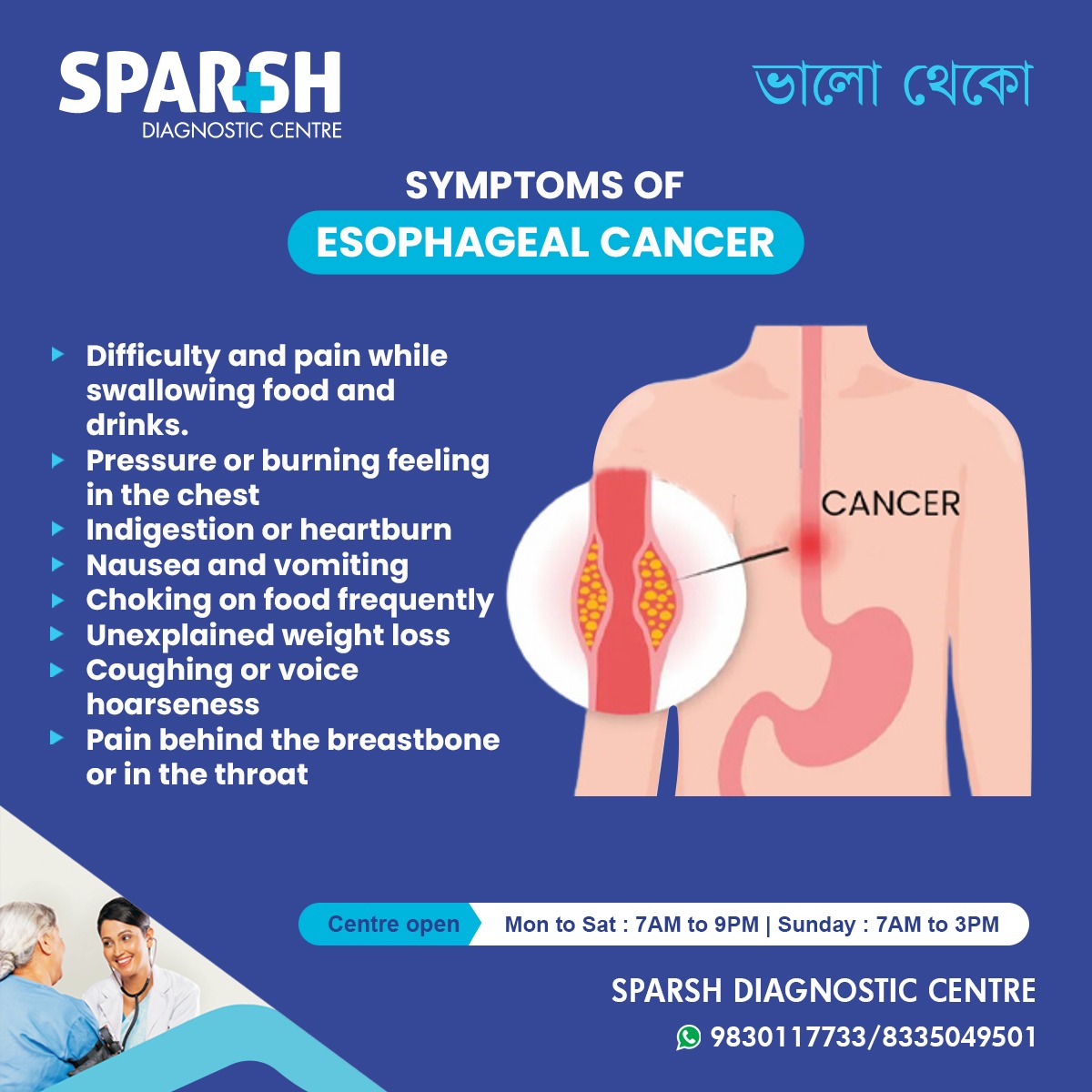
Some of the most common warning signs include:
Difficulty Swallowing (Dysphagia)
One of the earliest and most common symptoms is trouble swallowing. Many people initially notice difficulty swallowing solid foods such as bread or meat. Over time, even liquids may become difficult to swallow.
Pain While Swallowing
Some individuals may experience pain or discomfort while swallowing food or drinks.
Chest Pressure or Burning
A persistent burning sensation or pressure in the chest can sometimes be mistaken for heartburn.
Indigestion or Chronic Heartburn
Frequent acid reflux or persistent indigestion that does not improve with medication may indicate an underlying problem.
Nausea and Vomiting
Digestive disruptions may lead to nausea, vomiting, or regurgitation of food.
Frequent Choking
Food may get stuck in the throat or esophagus, causing choking episodes.
Unexplained Weight Loss
Weight loss without trying is a common symptom of many cancers, including esophageal cancer.
Persistent Cough or Hoarseness
Cancer affecting the esophagus can irritate nearby nerves and lead to coughing or a hoarse voice.
Pain Behind the Breastbone
Some patients report pain behind the breastbone or discomfort in the throat.
If these symptoms persist for more than a few weeks, it is important to consult a healthcare professional for evaluation.
Causes and Risk Factors
The exact cause of esophageal cancer is not always clear. However, several factors increase the likelihood of developing this disease.
Chronic Acid Reflux (GERD)
Long-term acid reflux can damage the lining of the esophagus. Over time, this irritation may lead to changes in the cells and increase cancer risk.
Barrett’s Esophagus
Barrett’s esophagus is a condition in which the lining of the esophagus changes due to repeated acid exposure. It is considered a major risk factor for adenocarcinoma.
Smoking
Tobacco use significantly increases the risk of many cancers, including esophageal cancer. Chemicals in tobacco damage the cells of the esophagus.
Excessive Alcohol Consumption
Heavy alcohol use can irritate the esophageal lining and increase the risk of squamous cell carcinoma.
Obesity
Being overweight increases pressure on the stomach, which can worsen acid reflux and contribute to esophageal damage.
Poor Diet
A diet lacking fruits and vegetables may increase cancer risk due to insufficient antioxidants and nutrients.
Age and Gender
Esophageal cancer is more common in individuals over the age of 50 and tends to occur more frequently in men than women.
How is Esophageal Cancer Diagnosed
Early diagnosis plays a crucial role in improving treatment outcomes.
Doctors may recommend several tests if esophageal cancer is suspected.
Endoscopy
An endoscopy is one of the most common diagnostic tests. During this procedure, a thin flexible tube with a camera is inserted into the throat to examine the esophagus.
Biopsy
If abnormal tissue is found during endoscopy, a small sample may be removed and examined under a microscope to confirm cancer.
Imaging Tests
Imaging studies help determine the size and spread of the tumor. These may include:
PET scan
These tests help doctors determine the stage of cancer and plan appropriate treatment.
Stages of Esophageal Cancer
Like many cancers, esophageal cancer is classified into stages based on how far it has spread.
Stage 0
Abnormal cells are present in the inner lining of the esophagus but have not spread deeper.
Stage 1
Cancer is limited to the inner layers of the esophagus.
Stage 2
Cancer has grown deeper into the esophageal wall and may involve nearby lymph nodes.
Stage 3
Cancer has spread to surrounding tissues or multiple lymph nodes.
Stage 4
Cancer has spread to distant organs such as the liver, lungs, or bones.
Treatment decisions largely depend on the stage at diagnosis.
Esophageal Cancer Treatment Options
Treatment for esophageal cancer depends on several factors, including the stage of the disease, the patient’s overall health, and the type of cancer.
Surgery
Surgery is often recommended for early-stage cancers. The most common procedure is an esophagectomy, where part or all of the esophagus is removed.
The remaining portion is then reconnected to the stomach.
Radiation Therapy
Radiation therapy uses high-energy rays to kill cancer cells. It may be used before surgery to shrink tumors or after surgery to destroy remaining cancer cells.
Chemotherapy
Chemotherapy uses powerful medications to kill cancer cells or slow their growth. It is often combined with radiation therapy.
Targeted Therapy
Targeted therapy drugs specifically attack cancer cells without harming normal cells as much as traditional chemotherapy.
Immunotherapy
Immunotherapy helps the body’s immune system recognize and fight cancer cells more effectively.
Doctors often use a combination of treatments to achieve the best outcomes.
Complications of Esophageal Cancer
Without treatment, esophageal cancer can lead to several complications:
Severe difficulty swallowing
Blockage of the esophagus
Malnutrition and weight loss
Spread of cancer to other organs
Internal bleeding
Early treatment can help reduce the risk of these complications.
Can Esophageal Cancer Be Prevented?
While not all cases are preventable, certain lifestyle changes can reduce the risk.
Quit Smoking
Stopping tobacco use is one of the most effective ways to lower cancer risk.
Limit Alcohol Intake
Reducing alcohol consumption can protect the esophageal lining.
Maintain a Healthy Weight
Maintaining a healthy body weight can help reduce acid reflux and related complications.
Eat a Balanced Diet
A diet rich in fruits, vegetables, and whole grains provides important nutrients and antioxidants.
Treat Acid Reflux Early
Managing chronic acid reflux with medical guidance can help prevent long-term damage to the esophagus.
When Should You See a Doctor?
You should seek medical attention if you experience:
Persistent difficulty swallowing
Ongoing heartburn or acid reflux
Unexplained weight loss
Frequent vomiting
Chest pain while eating
Early medical evaluation can lead to earlier diagnosis and better treatment outcomes.
Frequently Asked Questions (FAQ)
1. What is the first symptom of esophageal cancer?
The earliest and most common symptom is difficulty swallowing, especially solid foods.
2. Is esophageal cancer curable?
Esophageal cancer can be treatable and sometimes curable if detected in the early stages. Advanced stages are more challenging to treat but therapies can still improve quality of life.
3. Who is most at risk for esophageal cancer?
People over the age of 50, smokers, heavy alcohol drinkers, and individuals with chronic acid reflux or Barrett’s esophagus have a higher risk.
4. Can acid reflux cause esophageal cancer?
Long-term acid reflux can damage the esophageal lining and may lead to Barrett’s esophagus, which increases the risk of esophageal cancer.
5. How is esophageal cancer detected early?
Screening through endoscopy may help detect abnormal changes in people at high risk, especially those with Barrett’s esophagus.
6. What foods should be avoided with esophageal cancer?
Patients are usually advised to avoid spicy foods, alcohol, caffeine, and very hot foods that may irritate the esophagus.
7. How fast does esophageal cancer spread?
The rate of spread varies depending on the type of cancer and individual factors. Some cases progress slowly, while others may grow more rapidly.
Esophageal cancer is a serious condition that requires early recognition and timely treatment. Because early symptoms often resemble common digestive problems, they are frequently overlooked.
Persistent difficulty swallowing, chronic heartburn, unexplained weight loss, and chest discomfort should never be ignored.
The good news is that advances in medical technology have significantly improved the diagnosis and treatment of esophageal cancer. With early detection and proper care, many patients can achieve better outcomes and improved quality of life.
Maintaining a healthy lifestyle, managing acid reflux, and seeking medical advice when symptoms arise are key steps in protecting esophageal health.
#BhaloTheko
Disclaimer:
No content on this site, regardless of date, should ever be used as a substitute for direct medical advice from your doctor or other qualified clinician.