

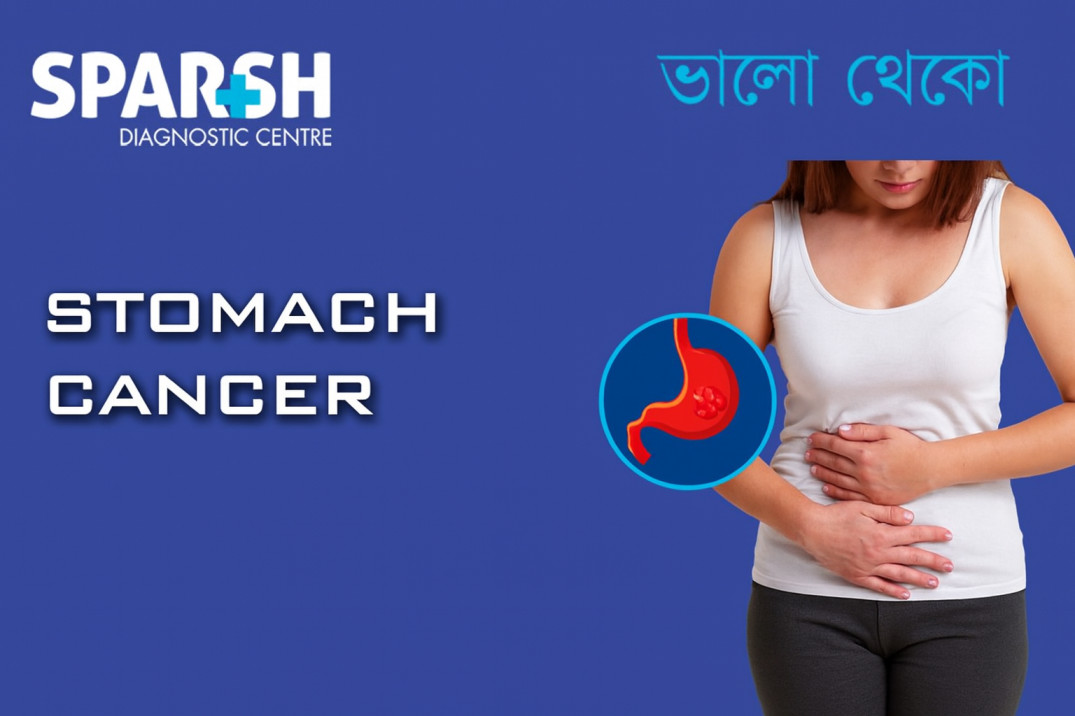
Stomach cancer, also known as gastric cancer, is a serious and potentially life-threatening condition that develops when abnormal cells grow uncontrollably in the lining of the stomach. Although its global incidence has declined over the past few decades, stomach cancer remains one of the leading causes of cancer-related deaths worldwide, particularly in parts of Asia. Early detection significantly improves outcomes, but many cases are diagnosed at advanced stages due to vague or non-specific early symptoms.
This comprehensive guide explains everything you need to know about stomach cancer—its causes, risk factors, warning signs, diagnostic tests, treatment options, and preventive strategies—empowering patients and caregivers to make informed health decisions.
What Is Stomach Cancer?
Stomach cancer occurs when malignant cells form in the tissues of the stomach. Most stomach cancers are adenocarcinomas, originating from the glandular cells of the stomach lining. Other, less common types include:
Gastrointestinal stromal tumors (GISTs)
Neuroendocrine tumors
Squamous cell carcinoma
The stomach plays a vital role in digestion by breaking down food and absorbing nutrients. Cancerous changes can interfere with these functions and spread to nearby organs if not treated promptly.
Types of Stomach Cancer
1. Adenocarcinoma
Accounts for over 90% of stomach cancers
Divided into:
Intestinal type – linked to environmental and dietary factors
Diffuse type – more aggressive, often hereditary
2. Gastric Lymphoma
Develops from immune cells in the stomach
Often associated with chronic Helicobacter pylori infection
3. Gastrointestinal Stromal Tumors (GIST)
Originate from interstitial cells of Cajal
Rare but treatable with targeted therapy
4. Neuroendocrine Tumors
Develop from hormone-producing cells
Usually slow-growing
Causes and Risk Factors of Stomach Cancer
Stomach cancer develops due to a combination of genetic, environmental, and lifestyle factors.
Common Risk Factors
High-salt, smoked, or preserved foods
Low intake of fruits and vegetables
Excessive alcohol consumption
Family history of stomach cancer
Genetic conditions (e.g., hereditary diffuse gastric cancer)
Pernicious anemia
Previous stomach surgery
Symptoms of Stomach Cancer
Early Symptoms (Often Overlooked)
Indigestion or heartburn
Feeling full quickly (early satiety)
Advanced Symptoms
Vomiting (sometimes with blood)
Black, tarry stools
Palpable abdominal mass
⚠️ Because early symptoms are subtle, many patients seek medical attention only when the disease has progressed.
How Stomach Cancer Is Diagnosed
1. Medical History and Physical Examination
A detailed evaluation of symptoms, family history, and risk factors.
2. Upper Gastrointestinal Endoscopy
Gold standard diagnostic test
Allows direct visualization and biopsy of suspicious areas
3. Biopsy
Confirms the presence and type of cancer
4. Imaging Tests
CT scan – assesses spread to lymph nodes and organs
MRI or PET scan – used for staging
Endoscopic ultrasound (EUS) – evaluates depth of tumor invasion
5. Laboratory Tests
Blood tests (anemia, liver function)
Tumor markers (not diagnostic but supportive)
Staging of Stomach Cancer
Staging determines how far the cancer has spread and guides treatment decisions.
Stage 0 – Cancer limited to the innermost lining
Stage I – Tumor invades deeper layers, limited spread
Stage II – Spread reflecting more advanced local involvement
Stage III – Extensive lymph node involvement
Stage IV – Metastatic disease (liver, lungs, bones)
Treatment Options for Stomach Cancer
Treatment depends on the cancer stage, type, patient’s health, and overall prognosis.
1. Surgery
The mainstay of treatment for early and locally advanced stomach cancer.
Partial gastrectomy – removal of part of the stomach
Total gastrectomy – removal of the entire stomach
Lymph node dissection is usually performed
2. Chemotherapy
Used before surgery (neoadjuvant) to shrink tumors
Used after surgery (adjuvant) to kill remaining cancer cells
Used as primary therapy in advanced disease
3. Radiation Therapy
Often combined with chemotherapy
Helps control tumor growth and reduce recurrence
4. Targeted Therapy
Targets specific cancer cell proteins (e.g., HER2-positive tumors)
Causes fewer side effects than traditional chemotherapy
5. Immunotherapy
Boosts the body’s immune system to fight cancer
Used in select advanced cases
Side Effects of Treatment
Treatment may cause:
Nausea and vomiting
Fatigue
Hair loss
Loss of appetite
Nutritional deficiencies
Digestive issues after surgery
Supportive care and nutritional guidance play a crucial role in recovery.
Diet and Nutrition After Stomach Cancer
Following treatment, especially surgery, dietary adjustments are essential.
Nutritional Tips
Eat small, frequent meals
Focus on high-protein foods
Avoid sugary and high-fat foods
Stay hydrated
Take vitamin and mineral supplements if advised
Dieticians play an important role in improving quality of life after treatment.
Prevention of Stomach Cancer
While not all cases are preventable, risk can be significantly reduced.
Preventive Measures
Treat H. pylori infection promptly
Quit smoking
Limit alcohol consumption
Eat a diet rich in fruits, vegetables, and whole grains
Reduce intake of salty and processed foods
Maintain a healthy weight
Regular medical check-ups for high-risk individuals
Prognosis and Survival Rates
Survival depends largely on the stage at diagnosis:
Early-stage stomach cancer – high survival rates
Advanced-stage disease – lower survival, but treatment can improve quality and duration of life
Early detection remains the most important factor in improving outcomes.
When to See a Doctor
Consult a healthcare provider if you experience:
Persistent indigestion
Unexplained weight loss
Chronic stomach pain
Blood in vomit or stool
Difficulty swallowing
Early medical evaluation can be life-saving.
Frequently Asked Questions (FAQs)
1. Is stomach cancer curable?
Yes, if detected early, stomach cancer can be cured with surgery and appropriate treatment.
2. What is the most common cause of stomach cancer?
Chronic infection with Helicobacter pylori is the most significant risk factor.
3. Are stomach ulcers cancerous?
Most stomach ulcers are benign, but some may be associated with or mimic stomach cancer, requiring evaluation.
4. Can stomach cancer be detected early?
Yes, endoscopy can detect early-stage stomach cancer, especially in high-risk individuals.
5. Is stomach cancer hereditary?
Some types, such as hereditary diffuse gastric cancer, are genetic, but most cases are not inherited.
6. What age group is most affected by stomach cancer?
It is more common in people over 50 years of age.
7. Can lifestyle changes reduce the risk?
Yes, quitting smoking, improving diet, and treating infections can significantly lower risk.
8. How long does recovery take after stomach cancer surgery?
Recovery varies but may take several weeks to months, depending on the extent of surgery.
#BhaloTheko
Disclaimer:
No content on this site, regardless of date, should ever be used as a substitute for direct medical advice from your doctor or other qualified clinician.

Sparsh Doctor List



[…] to various gastrointestinal conditions, including peptic ulcers, chronic gastritis, and even stomach cancer. Despite its widespread prevalence, many people remain unaware of its impact and the importance of […]