Waking up in the middle of the night gasping for air can be terrifying. Many people describe it as feeling like they’re drowning while lying in bed. This distressing symptom is known as Paroxysmal Nocturnal Dyspnea (PND).
While it may sound complex, understanding PND is crucial — especially because it often signals an underlying heart problem that needs medical attention. In this comprehensive guide, we’ll break down what paroxysmal nocturnal dyspnea is, why it happens, how it’s diagnosed, and what treatment options are available.
Let’s dive in.
What Is Paroxysmal Nocturnal Dyspnea?
Paroxysmal Nocturnal Dyspnea refers to sudden episodes of severe shortness of breath that occur during sleep, typically a few hours after lying down. The term itself explains the condition:
Paroxysmal – sudden onset
Nocturnal – occurring at night
Dyspnea – difficulty breathing
Unlike mild breathlessness, PND forces a person to wake up abruptly, often needing to sit or stand upright to catch their breath. The episode may last several minutes and can be accompanied by coughing, wheezing, sweating, or a sense of panic.
Most commonly, PND is associated with heart failure, particularly left-sided heart failure.
Why Does Paroxysmal Nocturnal Dyspnea Happen?
To understand PND, we need to understand what changes occur in the body when you lie down to sleep.
The Mechanism Behind PND
When a person lies flat:
Fluid redistribution occurs
During the day, gravity pulls fluid into the legs and lower body. When lying down, this fluid shifts back into circulation.Increased venous return to the heart
More blood returns to the heart because gravity is no longer pooling it in the legs.Left ventricular dysfunction
If the left side of the heart is weak, it cannot pump the increased blood efficiently.Rise in left atrial pressure
Blood backs up into the lungs.Pulmonary congestion
Fluid accumulates in lung tissues and air spaces.Reduced oxygen exchange
Oxygen levels drop, triggering sudden breathlessness.
This chain reaction explains why symptoms occur a few hours after sleep begins rather than immediately upon lying down.

Paroxysmal Nocturnal Dyspnea vs Orthopnea
PND is often confused with orthopnea, but they are slightly different.
| Feature | Paroxysmal Nocturnal Dyspnea | Orthopnea |
|---|---|---|
| Onset | Sudden, during sleep | Soon after lying down |
| Timing | 1–3 hours after sleep | Immediately when supine |
| Relief | Sitting or standing | Propping up with pillows |
| Severity | Often severe | Variable |
Both conditions are common in heart failure patients, but PND tends to be more dramatic and alarming.
Common Causes of Paroxysmal Nocturnal Dyspnea
Although heart failure is the leading cause, other conditions may also trigger PND.
1. Congestive Heart Failure (CHF)
The most frequent cause. The weakened heart struggles to handle increased nighttime fluid return.
2. Left Ventricular Dysfunction
Any condition impairing the left ventricle’s pumping ability can lead to pulmonary congestion.
3. Hypertension
Long-standing high blood pressure can enlarge and stiffen the heart.
4. Coronary Artery Disease
Reduced blood flow to heart muscle weakens cardiac performance.
5. Valvular Heart Disease
Conditions like mitral stenosis or aortic regurgitation can increase lung pressure.
6. Sleep Apnea
Although different in mechanism, sleep apnea can worsen nighttime breathing problems.
7. Chronic Kidney Disease
Fluid overload from poor kidney function can worsen symptoms.
Symptoms of Paroxysmal Nocturnal Dyspnea
Patients commonly report:
Sudden breathlessness during sleep
Waking up gasping for air
Need to sit upright immediately
Persistent cough (sometimes frothy sputum)
Chest tightness
Excessive sweating
Anxiety or panic
In severe cases, it may be associated with pink frothy sputum — a warning sign of acute pulmonary edema.
Who Is at Risk?
PND is more likely in people with:
Known heart failure
Previous heart attack
Long-standing hypertension
High salt intake
Early recognition in high-risk individuals can prevent complications.
How Is Paroxysmal Nocturnal Dyspnea Diagnosed?
PND itself is a symptom — so diagnosis focuses on identifying the underlying cause.
1. Medical History
Your doctor will ask:
When do symptoms occur?
How many pillows do you use?
Any swelling in legs?
Chest pain?
Previous heart problems?
2. Physical Examination
Doctors may check for:
Lung crackles
Leg swelling
Elevated jugular venous pressure
Heart murmurs
3. Investigations
Common tests include:
Echocardiography – evaluates heart function
Chest X-ray – checks for lung congestion
ECG – detects heart rhythm issues
BNP blood test – elevated in heart failure
Early evaluation is critical to prevent worsening heart damage.
Treatment of Paroxysmal Nocturnal Dyspnea
Treatment depends on the underlying cause, but most cases involve managing heart failure.
1. Diuretics
Medications like furosemide help remove excess fluid from the body.
2. ACE Inhibitors / ARBs
These reduce heart workload and improve function.
3. Beta Blockers
Slow heart rate and improve long-term survival in heart failure.
4. Aldosterone Antagonists
Reduce fluid retention.
5. Lifestyle Modifications
Low-salt diet
Fluid restriction (if advised)
Weight monitoring
Avoid alcohol and smoking
6. Sleeping Position
Elevating the head of the bed can reduce symptoms.
7. Treating Underlying Conditions
Managing hypertension
Controlling diabetes
Treating sleep apnea
In advanced cases, devices like pacemakers or even heart transplantation may be considered.
When Is Paroxysmal Nocturnal Dyspnea an Emergency?
Seek urgent medical attention if:
Breathlessness is severe or worsening
There is chest pain
You cough pink frothy sputum
Oxygen levels drop
Symptoms occur frequently
PND may signal worsening heart failure or impending pulmonary edema.
Can Paroxysmal Nocturnal Dyspnea Be Prevented?
Prevention focuses on controlling cardiovascular risk factors:
Maintain healthy blood pressure
Follow heart-healthy diet
Reduce salt intake
Exercise regularly
Take prescribed medications consistently
Monitor daily weight
Early heart failure management significantly reduces nighttime breathlessness episodes.
Long-Term Outlook
The prognosis depends on the underlying cause and how well it is managed.
If heart failure is detected early and treated aggressively, many patients experience:
Fewer nighttime episodes
Improved quality of life
Better survival rates
Ignoring PND, however, can lead to repeated hospitalizations and serious complications.
Frequently Asked Questions (FAQs)
1. Is paroxysmal nocturnal dyspnea dangerous?
Yes, it can be. While PND itself is a symptom, it often indicates worsening heart failure. It should never be ignored.
2. How is PND different from asthma?
Asthma involves airway inflammation and bronchospasm, while PND usually results from fluid accumulation in the lungs due to heart problems. A doctor can distinguish between them through evaluation.
3. How many pillows should I use if I have PND?
Using 2–3 pillows or elevating the head of the bed may help. However, needing multiple pillows is often a sign of worsening heart failure and requires medical review.
4. Can anxiety cause paroxysmal nocturnal dyspnea?
Anxiety can cause nighttime breathlessness, but true PND is typically related to heart dysfunction. Proper diagnosis is important.
5. Is PND reversible?
If the underlying cause — such as heart failure or hypertension — is treated effectively, symptoms can significantly improve or resolve.
6. Does PND mean I have heart failure?
Not always, but it strongly suggests a cardiac issue. Further testing is necessary to confirm the diagnosis.
7. Can young people develop PND?
It is less common but possible, especially in congenital heart disease or cardiomyopathy.
Key Takeaways
Paroxysmal nocturnal dyspnea is sudden nighttime breathlessness.
It commonly indicates left-sided heart failure.
Fluid redistribution while lying down triggers lung congestion.
Early diagnosis improves outcomes.
Treatment focuses on managing the underlying heart condition.
If you or a loved one experiences sudden nighttime breathlessness, consult a healthcare provider promptly. Early intervention can make a life-saving difference.
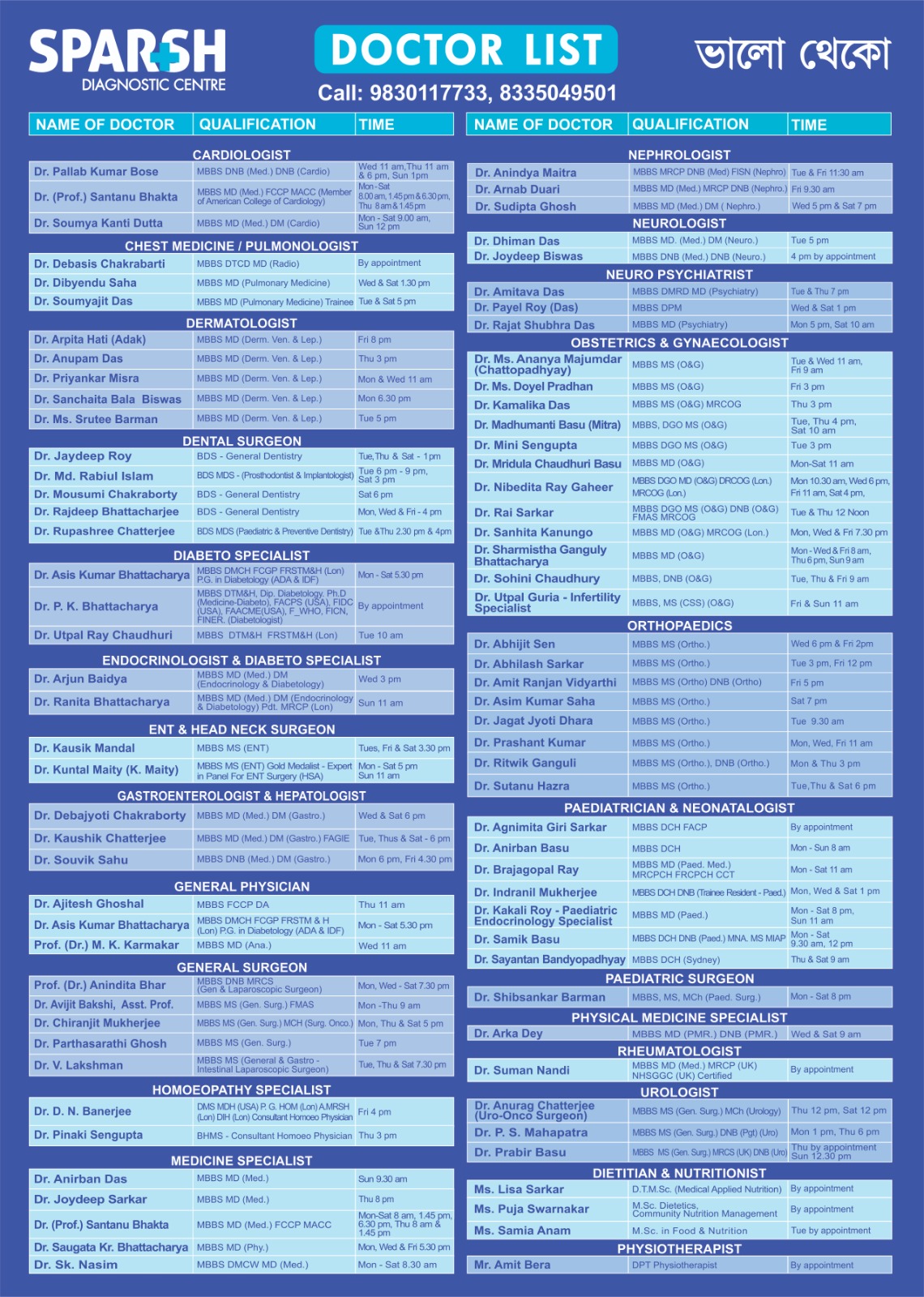
To consult a Doctor at Sparsh Diagnostic Centre, call our helpline numbers 9830117733/ 8335049501.
#BhaloTheko
Disclaimer:
No content on this site, regardless of date, should ever be used as a substitute for direct medical advice from your doctor or other qualified clinician.