


Niemann-Pick disease (NPD) is a rare inherited metabolic disorder that affects the body’s ability to process fats (lipids) properly. Over time, these fats accumulate inside cells, especially in the brain, liver, spleen, and lungs, leading to progressive organ damage. While Niemann-Pick disease is uncommon, its impact on affected individuals and families can be profound, particularly in childhood-onset forms.
This article provides a comprehensive overview of Niemann-Pick disease, including its types, causes, symptoms, diagnosis, treatment options, prognosis, and frequently asked questions.
What Is Niemann-Pick Disease?
NPD is a group of genetic lysosomal storage disorders. Lysosomes are specialized compartments inside cells that break down and recycle fats, proteins, and other materials. In NPD, specific enzyme deficiencies or transport defects prevent normal fat metabolism.
As a result, fatty substances accumulate within cells, eventually causing cell dysfunction and death. The organs most commonly affected include:
Brain and nervous system
Liver
Spleen
Lungs
Bone marrow
The disease varies widely in severity, age of onset, and progression depending on the type.

Types of Niemann-Pick Disease
NPD is classified into several types based on the underlying genetic defect and clinical presentation.
Type A (Acute Infantile Form)
Type A is the most severe form of NPD and usually appears in early infancy.
Key features:
Onset within the first few months of life
Severe neurological involvement
Rapid progression
Life expectancy usually limited to early childhood
Type A is caused by a complete or near-complete deficiency of acid sphingomyelinase, an enzyme required to break down sphingomyelin.
Type B (Chronic Visceral Form)
Type B is less severe than Type A and typically does not involve the brain.
Key features:
Onset in childhood or adolescence
Enlarged liver and spleen
Lung involvement
Near-normal intelligence
Survival into adulthood is common
Type B also results from acid sphingomyelinase deficiency, but with some residual enzyme activity.
Type C (Cholesterol Transport Defect)
Type C is the most common form of NPD worldwide and differs from Types A and B.
Key features:
Impaired transport of cholesterol inside cells
Progressive neurological decline
Variable age of onset (infancy to adulthood)
Caused by mutations in NPC1 or NPC2 genes
Type C is sometimes difficult to diagnose because early symptoms can be subtle or non-specific.
Type D
Type D is a variant of Type C that was originally identified in a specific population. Clinically, it is now considered part of Type C disease.
Causes and Genetic Inheritance
NPD is inherited in an autosomal recessive pattern.
This means:
A child must inherit two defective copies of the gene (one from each parent)
Parents are typically asymptomatic carriers
Each pregnancy has:
25% chance of an affected child
50% chance of a carrier child
25% chance of an unaffected, non-carrier child
Because it is genetic, Niemann-Pick disease is not contagious and cannot be prevented by lifestyle changes.
Symptoms of Niemann-Pick Disease
Symptoms vary widely depending on the type and age of onset.
Common Symptoms Across Types
Poor growth or failure to thrive
Fatigue and weakness
Neurological Symptoms (Mostly Type A and C)
Developmental delay
Loss of previously acquired skills
Difficulty walking (ataxia)
Slurred speech
Swallowing difficulties
Vertical gaze palsy (difficulty moving eyes up and down)
Respiratory Symptoms
Chronic cough
Recurrent chest infections
Reduced lung function
Symptoms in Infants
Feeding difficulties
Low muscle tone (hypotonia)
Abdominal distension
Delayed milestones
Symptoms in Adolescents and Adults (Type C)
Learning difficulties
Psychiatric symptoms (depression, psychosis)
Progressive movement disorders
Memory and concentration problems
How Is Niemann-Pick Disease Diagnosed?
Early diagnosis is important but can be challenging due to the rarity and variability of symptoms.
Diagnostic Tests Include:
1. Blood and Enzyme Tests
Measurement of acid sphingomyelinase activity (Types A and B)
Cholesterol esterification studies (Type C)
2. Genetic Testing
Confirms mutations in SMPD1, NPC1, or NPC2 genes
Essential for definitive diagnosis
3. Imaging Studies
Ultrasound or MRI to assess liver, spleen, and brain involvement
4. Bone Marrow Examination
May show lipid-laden “foam cells”
5. Skin Biopsy (in Type C)
Used to study cholesterol accumulation in cells
Treatment Options for Niemann-Pick Disease
Currently, there is no complete cure for Niemann-Pick disease, but treatment focuses on managing symptoms, slowing progression, and improving quality of life.
Supportive and Symptomatic Care
Nutritional support
Physical therapy and occupational therapy
Speech and swallowing therapy
Management of seizures and respiratory issues
Disease-Specific Therapies
Enzyme Replacement Therapy (ERT)
Approved for Type B in some regions
Helps reduce liver and spleen enlargement
Does not cross the blood-brain barrier
Substrate Reduction Therapy
Used primarily in Type C
Aims to reduce lipid accumulation in cells
May slow neurological deterioration
Experimental and Emerging Therapies
Gene therapy
Stem cell transplantation
Small-molecule therapies
These treatments are still under research and clinical trials.
Prognosis and Life Expectancy
The prognosis of Niemann-Pick disease depends heavily on the type:
Type A: Poor prognosis; survival usually limited to early childhood
Type B: Variable; many individuals live into adulthood with chronic complications
Type C: Progressive neurological decline; life expectancy varies widely based on age of onset
Early diagnosis, regular monitoring, and multidisciplinary care can significantly improve quality of life.
Living With Niemann-Pick Disease
Families affected by Niemann-Pick disease benefit from:
Genetic counseling
Long-term medical follow-up
Psychological support
Patient advocacy and support groups
Managing a rare disease can be emotionally and financially challenging, and a coordinated care approach is essential.
Frequently Asked Questions (FAQ)
1. Is Niemann-Pick disease curable?
Currently, there is no cure. Treatment focuses on symptom management and slowing disease progression.
2. Is Niemann-Pick disease fatal?
Some forms, particularly Type A, are life-limiting. Other types allow survival into adulthood with ongoing care.
3. How rare is Niemann-Pick disease?
It is considered a rare disorder, with Type C estimated to occur in approximately 1 in 120,000 live births.
4. Can Niemann-Pick disease be detected before birth?
Yes. Prenatal testing and genetic counseling are available for families with a known history of the disease.
5. Is NPD contagious?
No. It is a genetic condition and cannot be transmitted from person to person.
6. What specialists are involved in care?
Care often involves pediatricians, neurologists, geneticists, pulmonologists, gastroenterologists, and rehabilitation therapists.
7. Can adults develop NPD?
Yes. Type C can present in adolescence or adulthood with neurological or psychiatric symptoms.
Niemann-Pick disease is a complex, inherited disorder that affects multiple organs and varies widely in severity. Although rare, early recognition and accurate diagnosis are crucial for optimal management. Advances in genetic testing and targeted therapies continue to improve outcomes and offer hope for affected individuals and their families.
With ongoing research and comprehensive supportive care, patients with Niemann-Pick disease can achieve better symptom control and improved quality of life.
#BhaloTheko
Disclaimer:
No content on this site, regardless of date, should ever be used as a substitute for direct medical advice from your doctor or other qualified clinician.
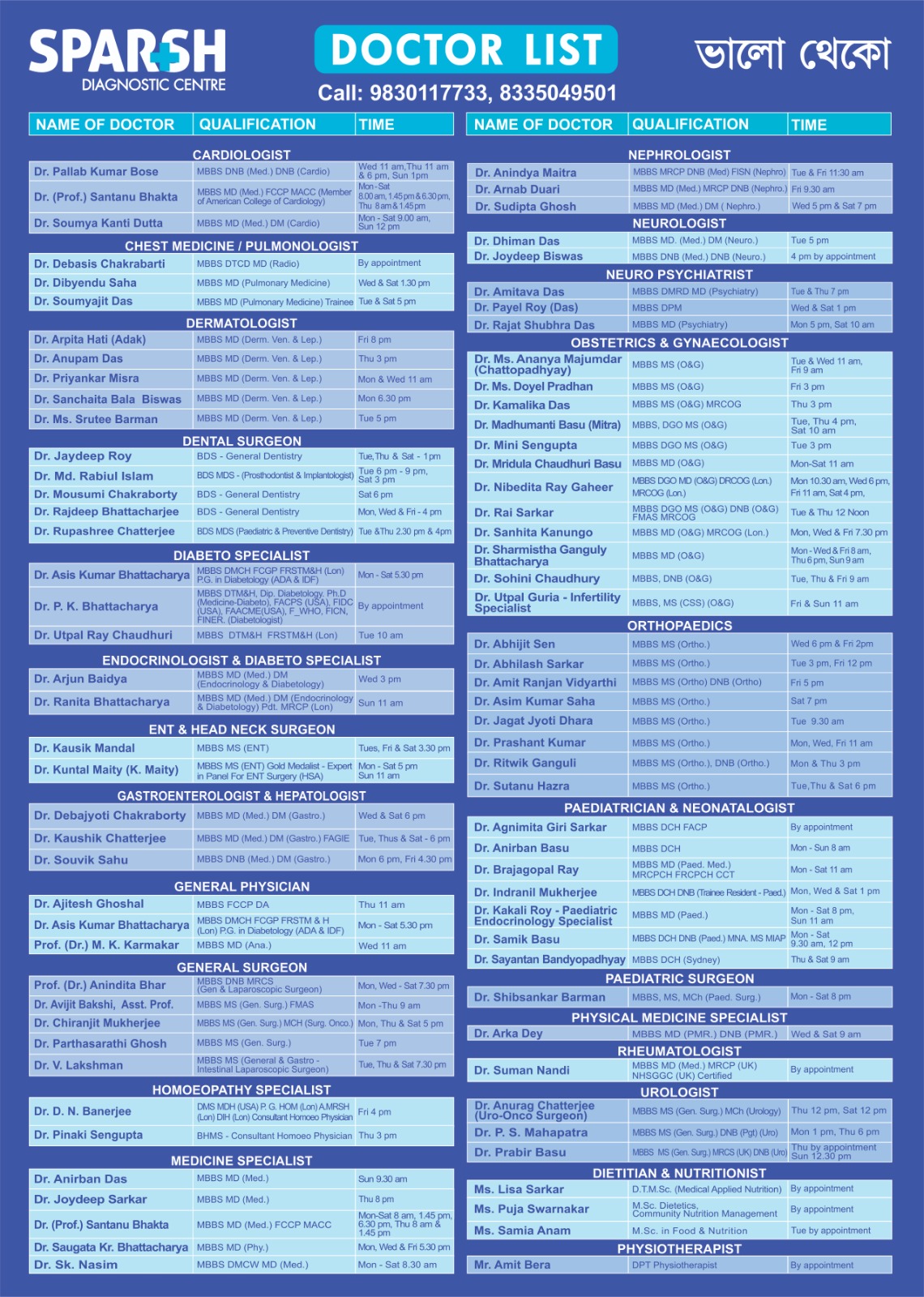
Sparsh Doctor List

[…] disease, Niemann-Pick disease, and other metabolic storage disorders cause accumulation of abnormal substances within the […]