

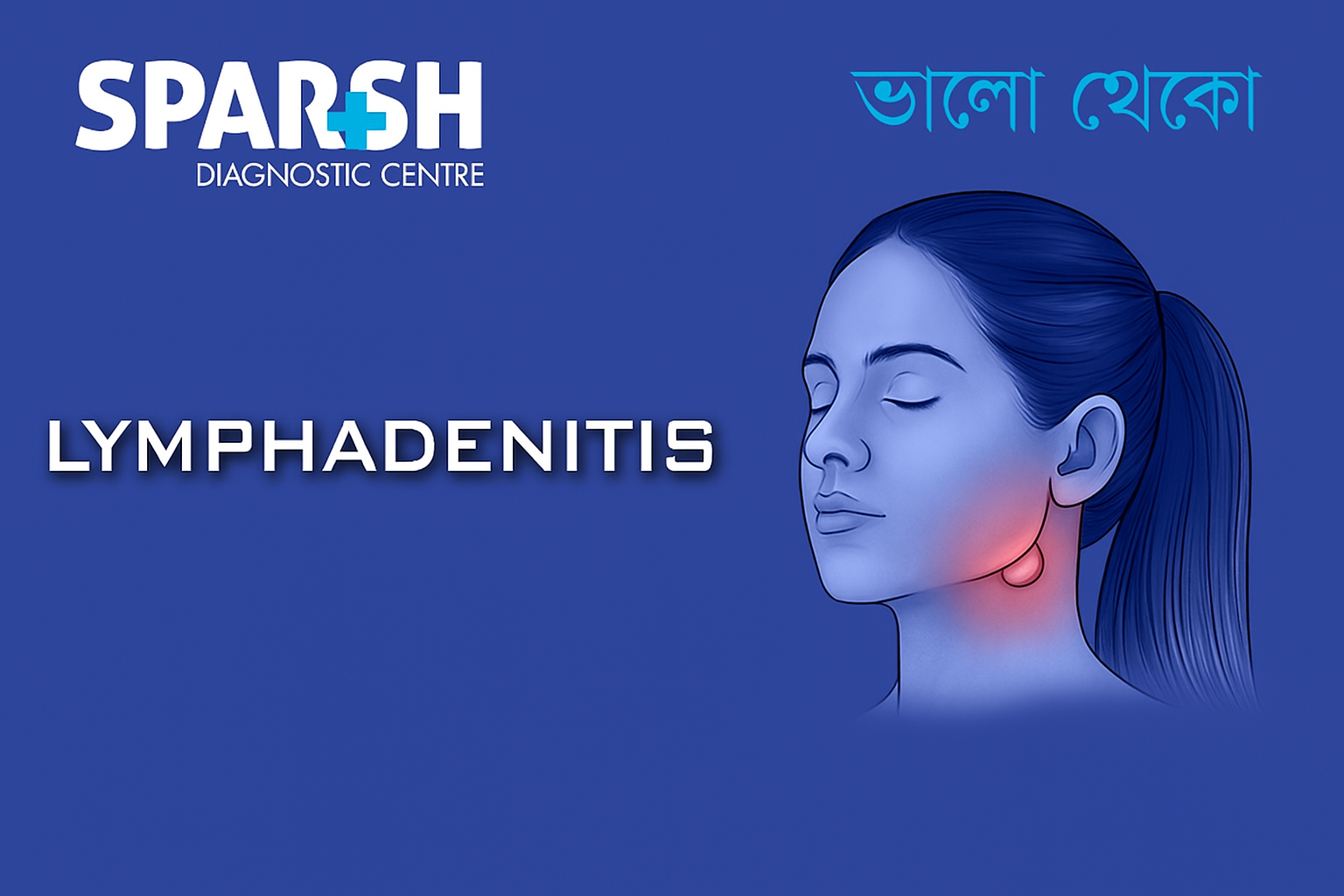
Lymph nodes are small, bean-shaped glands that play a vital role in your immune system. They filter harmful substances and help your body fight infections. When these lymph nodes become swollen, painful, or tender due to inflammation or infection, the condition is known as lymphadenitis.
This condition can be acute or chronic and may occur in one localized area or affect multiple lymph nodes throughout the body. While lymphadenitis is often caused by bacterial or viral infections, it can also be linked to underlying medical conditions, including autoimmune disorders and certain cancers.
This blog explores lymphadenitis in detail, covering causes, symptoms, types, diagnostic tests, treatment options, and preventive measures.
What is Lymphadenitis?
It is the inflammation of lymph nodes, usually caused by an infection. The lymphatic system works as a drainage network, filtering out bacteria, viruses, and other harmful substances. When these invaders overwhelm the system, lymph nodes swell and become inflamed.
There are two primary forms:
Acute: Sudden onset, usually due to infection.
Chronic: Persistent, often linked to long-term conditions like tuberculosis or autoimmune diseases.
Causes of Lymphadenitis
Lymphadenitis develops when the immune system encounters infections or inflammatory conditions. Common causes include:
Bacterial Infections
Streptococcus and Staphylococcus aureus are frequent culprits.
These bacteria may enter through wounds, dental infections, or respiratory infections.
Viral Infections
Common cold, influenza, mononucleosis, HIV, and cytomegalovirus (CMV).
Parasitic Infections
Toxoplasmosis is one example.
Fungal Infections
Histoplasmosis and other fungal diseases can affect the lymphatic system.
Immune System Disorders
Lupus, rheumatoid arthritis, and sarcoidosis can trigger lymphadenitis.
Cancer
Risk Factors for Lymphadenitis
Certain conditions increase the risk of developing the condition:
Recent infections (throat, ear, skin, or dental).
Poor oral hygiene.
Weakened immune system.
Open wounds or skin injuries.
Chronic illnesses such as diabetes.
Symptoms of Lymphadenitis
The signs and symptoms depend on the underlying cause but commonly include:
Redness or warmth over the affected area.
Localized symptoms, such as sore throat, earache, or tooth pain (if caused by infection).
Abscess formation in severe bacterial cases.
Types of Lymphadenitis
Localized Lymphadenitis
Affects one area of lymph nodes, usually close to the site of infection.
Generalized Lymphadenitis
Involves multiple lymph node regions, often linked to systemic infections or autoimmune conditions.
Suppurative Lymphadenitis
When pus forms inside lymph nodes, causing abscesses.
Non-Suppurative Lymphadenitis
Swelling without pus formation, common in viral causes.
Diagnosis of Lymphadenitis
Doctors may use a combination of medical history, physical examination, and diagnostic tests to confirm lymphadenitis:
Physical Examination: Checking the size, tenderness, and location of swollen lymph nodes.
Blood Tests: Identify infection or underlying disease.
Throat or Wound Culture: Detect bacterial infections.
Imaging Tests: Ultrasound, CT scan, or MRI to visualize deep lymph nodes.
Biopsy: In cases of unexplained or persistent swelling, to rule out cancer.
Treatment of Lymphadenitis
Treatment depends on the underlying cause. The primary approaches include:
1. Medications
Antibiotics: Prescribed for bacterial infections (e.g., penicillin, cephalosporins).
Antiviral drugs: For viral infections like HIV or herpes.
Antifungal or antiparasitic medications: For fungal or parasitic causes.
Pain relievers & anti-inflammatory drugs: Ibuprofen or acetaminophen for pain and swelling.
2. Drainage
If pus-filled abscesses form, surgical drainage may be required.
3. Supportive Care
Rest, hydration, and warm compresses can help relieve symptoms.
4. Treating Underlying Conditions
Managing autoimmune disorders, cancers, or chronic infections to reduce recurring lymphadenitis.
Complications of Lymphadenitis
If untreated, lymphadenitis may lead to:
Abscess formation.
Bloodstream infections (sepsis).
Spread of infection to nearby tissues.
Chronic swelling or scarring.
Prevention of Lymphadenitis
While not all cases are preventable, some steps reduce the risk:
Practice good oral hygiene.
Treat skin wounds promptly.
Get vaccinated against preventable infections.
Strengthen immunity with a balanced diet, exercise, and adequate sleep.
Manage chronic conditions effectively.
When to See a Doctor?
Seek medical attention if you experience:
Persistent swollen lymph nodes lasting more than two weeks.
High fever or night sweats.
Rapidly enlarging or painful nodes.
Hard, immovable nodes.
Living with Lymphadenitis
Most cases resolve with treatment, especially if caused by a simple infection. Chronic or recurrent lymphadenitis may need long-term monitoring and care. Lifestyle habits such as stress management, avoiding smoking, and boosting immunity can help prevent recurrence.
Lymphadenitis is often a sign that your body is actively fighting infection. While many cases are harmless and resolve with treatment, persistent or severe swelling should not be ignored, as it could indicate serious underlying conditions like tuberculosis or cancer. Early diagnosis and appropriate medical care are key to successful management.
👉 If you notice persistent swelling or painful lymph nodes, consult a healthcare professional for accurate diagnosis and treatment.
Frequently Asked Questions (FAQ)
Q1. What is the difference between lymphadenitis and lymphadenopathy?
Lymphadenitis is the inflammation of lymph nodes, usually caused by infection. Lymphadenopathy refers to swollen lymph nodes due to various reasons, including infection, autoimmune diseases, and cancer.
Q2. Can lymphadenitis go away on its own?
Mild viral-related lymphadenitis may resolve on its own. However, bacterial lymphadenitis often requires antibiotics.
Q3. Are swollen lymph nodes always a sign of cancer?
No. Most cases are due to infections. Cancer-related swelling is usually persistent, painless, and accompanied by other symptoms like weight loss and night sweats.
Q4. How long does lymphadenitis last?
With proper treatment, acute lymphadenitis typically resolves within 2–4 weeks. Chronic cases may persist longer depending on the cause.
Q5. Can children get lymphadenitis?
Yes. Lymphadenitis is common in children due to frequent infections like colds and strep throat.
Q6. How is lymphadenitis treated at home?
Mild cases can be managed with warm compresses, rest, and pain relievers, but medical consultation is essential for proper treatment.
#BhaloTheko
Disclaimer:
No content on this site, regardless of date, should ever be used as a substitute for direct medical advice from your doctor or other qualified clinician.


[…] including the cervical lymph nodes. When TB affects the lymph nodes, it is known as tuberculous lymphadenitis. This condition often causes painless swelling of the lymph nodes in the neck, which may persist […]
[…] 3. What is the difference between lymphangitis and lymphadenitis? […]