Liver cysts are fluid-filled sacs that develop within the liver. They are relatively common and often discovered incidentally during imaging tests. In most cases, liver cysts are harmless, cause no symptoms, and require no treatment. However, certain types of cysts can enlarge, become infected, bleed, or compress surrounding structures, leading to serious complications.
Understanding the nature of liver cysts, their underlying causes, and the situations in which they may become problematic is important for timely diagnosis and effective management. This article provides an in-depth look at liver cysts—covering symptoms, types, potential dangers, diagnostic methods, and treatment options.
What Are Liver Cysts?
A liver cyst, also known as a hepatic cyst, is a round or oval fluid-filled sac that forms within liver tissue. They can vary widely in size, ranging from just a few millimeters to over 15–20 centimeters.
Most liver cysts are benign. Many people live their entire lives without realizing they have them. However, some cysts—especially those associated with infection, parasitic infestation, or genetic disorders—may require medical attention.
Types of Liver Cysts
Liver cysts vary based on their cause, appearance, and risk factors. The major types include:
1. Simple Liver Cysts
These are the most common type. They typically contain clear fluid and do not pose serious health risks. Simple cysts occur due to malformations in bile ducts and are usually not related to underlying diseases.
2. Polycystic Liver Disease (PLD)
A genetic disorder where multiple cysts develop throughout the liver. It may coexist with polycystic kidney disease.
3. Hydatid Cysts
Caused by the parasite Echinococcus, these cysts are more common in regions where livestock farming is prevalent. Hydatid disease can cause serious, life-threatening complications.
4. Cystadenomas and Cystadenocarcinomas
Rare cystic tumors that can become cancerous. They usually require surgical removal.
Symptoms of Liver Cysts
They often produce no symptoms. However, when symptoms do occur, they are usually due to cyst enlargement.
Common symptoms include:
Dull or sharp upper abdominal pain
Bloating or abdominal fullness
Early satiety (feeling full quickly)
Discomfort while bending or sitting
Palpable abdominal lump in large cysts
When Symptoms Become Severe
Complicated liver cysts may present with:
Causes of Liver Cysts
1. Congenital Malformations
Most simple cysts occur from maldevelopment of intrahepatic bile ducts during fetal development.
2. Genetic Factors
Conditions like polycystic liver disease result from genetic mutations.
3. Infections
Hydatid cysts form following infection with Echinococcus granulosus.
4. Neoplastic Changes
Some cysts arise due to benign or malignant tumors.
5. Trauma
Rarely, liver injuries can lead to cyst formation.
Complications of Liver Cysts
While many cysts are harmless, complications may occur, especially when they grow large.
1. Rupture
A cyst may burst due to trauma or internal pressure.
Symptoms: sudden abdominal pain, internal fluid leakage, risk of peritonitis.
2. Infection
An infected cyst can lead to abscess formation.
Symptoms: fever, chills, right-upper-quadrant pain, malaise.
3. Hemorrhage
Bleeding into a cyst causes severe pain and may lead to anemia or shock in extreme cases.
4. Bile Duct Obstruction
Large cysts may compress bile ducts.
Symptoms: jaundice, dark urine, itching, clay-colored stools.
5. Compression of Adjacent Organs
Very large cysts can press on the stomach, diaphragm, or intestines, causing discomfort or breathing difficulties.

How are Liver Cysts diagnosed
1. Ultrasound
The first-line imaging modality. It easily identifies cysts and differentiates simple from complex cysts.
2. CT Scan
Provides detailed images, especially helpful for detecting hydatid cysts, infection, or bleeding.
3. MRI
Useful for differentiating cyst types and evaluating complications.
4. Blood Tests
Not used to diagnose cysts but help identify infections, inflammation, or liver dysfunction.
5. Hydatid Serology
Performed when a parasitic cyst is suspected.
Treatment options for Liver Cysts
Treatment depends on the type of cyst, symptoms, and complications.
1. No Treatment (Watchful Waiting)
Asymptomatic simple cysts require only periodic monitoring.
2. Percutaneous Aspiration
Fluid is drained using a needle under ultrasound or CT guidance.
Usually combined with an anti-sclerosing agent.
3. Surgical Removal
Indicated when cysts are:
Large
Symptomatic
Bleeding or infected
Causing bile duct obstruction
Suspected to be cystic tumors
Laparoscopic surgery is commonly performed.
4. Treating Hydatid Cysts
Management includes:
Anti-parasitic medications (e.g., albendazole)
PAIR procedure (puncture, aspiration, injection, re-aspiration)
Surgery for complex cases
5. Managing Complications
Antibiotics for infection
Emergency surgery for rupture or major bleeding
Biliary drainage procedures for obstruction
Lifestyle and prevention tips
While many cysts cannot be prevented, certain steps can reduce risk:
Maintain liver health
A balanced diet, hydration, and avoiding alcohol abuse support liver function.
Prevent parasitic infection
Avoid consuming contaminated water
Ensure proper washing/cooking of vegetables and meat
Deworm animals in livestock-borne disease regions
Regular monitoring
People with polycystic liver disease or known cysts should undergo periodic imaging.
When to seek Medical help
Contact a doctor immediately if you experience:
Fever with right-sided abdominal discomfort
Sudden sharp abdominal pain
Symptoms of shock (rapid heartbeat, dizziness, sweating)
Early evaluation helps prevent serious complications.
Frequently Asked Questions (FAQ)
1. Are they dangerous?
Most liver cysts are harmless. However, certain types can become infected, bleed, rupture, or compress bile ducts. Regular monitoring helps detect complications early.
2. Do they turn into cancer?
Simple cysts do not become cancerous. Rarely, cystadenomas may turn into cystadenocarcinomas. Complex cysts need careful evaluation.
3. How are they detected?
They are commonly found during imaging tests such as ultrasound, CT, or MRI. Most people are diagnosed incidentally.
4. Can they go away on their own?
Simple cysts usually remain stable. They do not disappear but typically do not cause problems.
5. What size is considered large?
A cyst larger than 4–5 cm is considered large and may cause symptoms or require treatment.
6. Can they cause back pain?
Yes. Large cysts can cause referred pain in the back or shoulder due to pressure on surrounding organs.
7. How are hydatid cysts treated?
Hydatid cysts caused by parasites require anti-parasitic medications and may need drainage or surgery.
8. Will diet changes help shrink liver cysts?
Diet cannot shrink cysts, but maintaining liver health may reduce discomfort and prevent further issues.
9. Are liver cysts hereditary?
Simple cysts are not hereditary. Polycystic liver disease is genetic.
10. Is surgery risky?
Laparoscopic surgery for liver cysts is generally safe and effective, with quick recovery times.
Liver cysts are common and usually harmless, but they can occasionally lead to complications such as infection, rupture, or bile duct obstruction. Regular monitoring and timely medical evaluation are essential, especially for large or complex cysts. With appropriate diagnosis and treatment, most people with liver cysts can maintain excellent long-term health.
If you are experiencing symptoms or have concerns about liver cysts, consulting a Gastroenterologist can help ensure early detection and effective management.
#BhaloTheko
Disclaimer:
No content on this site, regardless of date, should ever be used as a substitute for direct medical advice from your doctor or other qualified clinician.
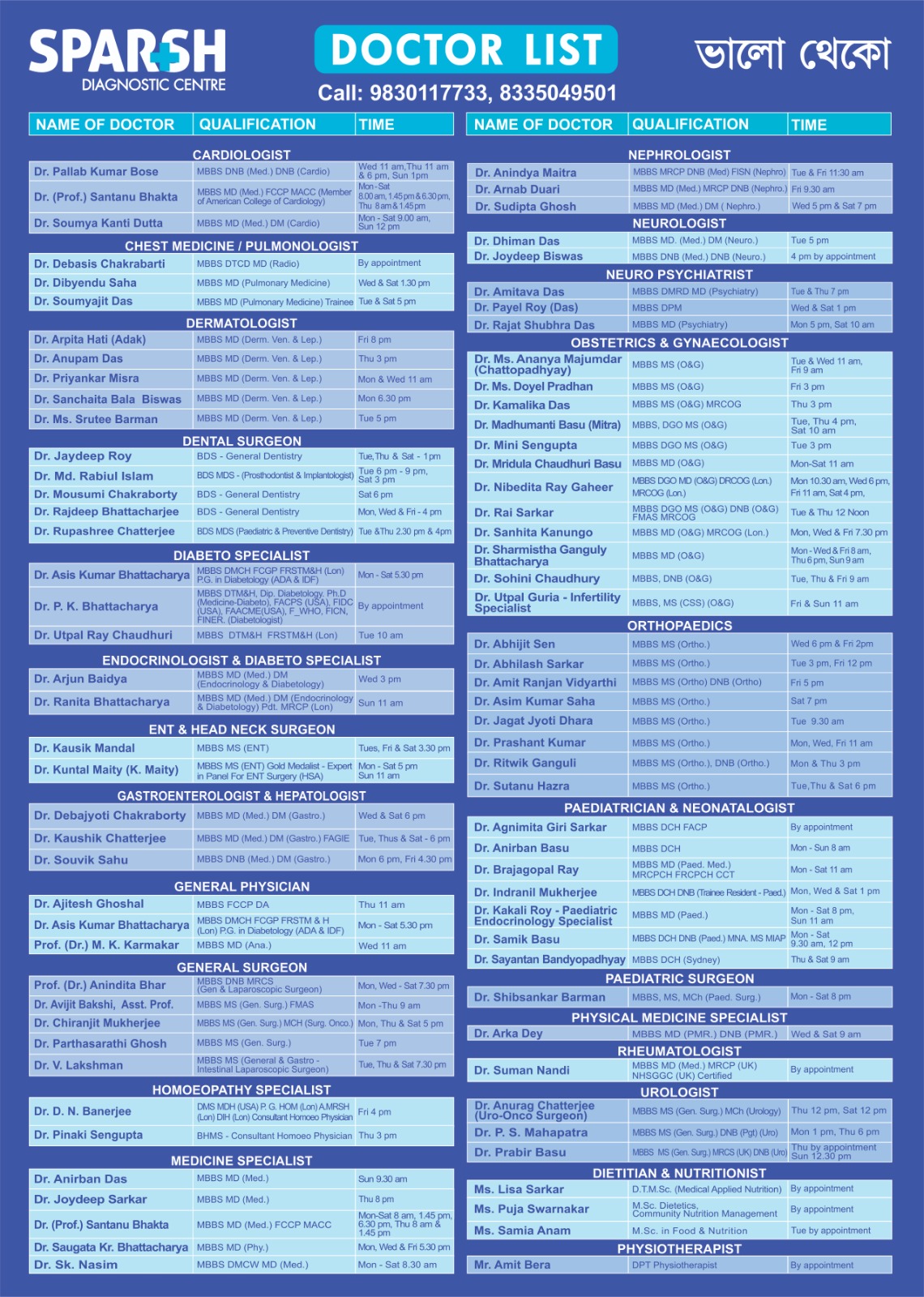
Sparsh Doctor List