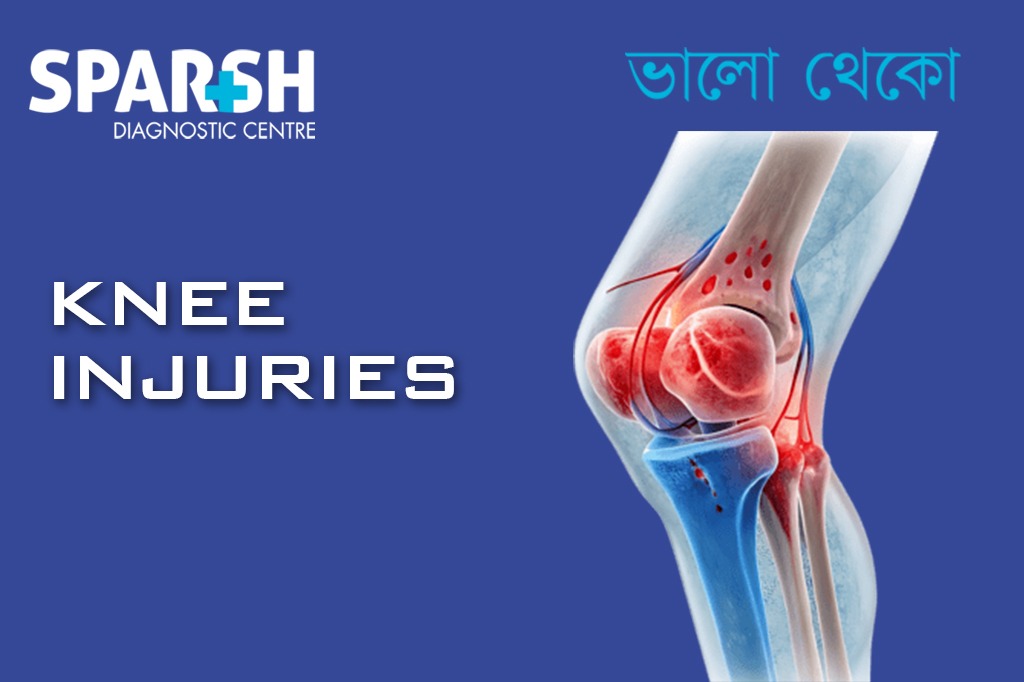
Knee injuries are among the most common musculoskeletal problems affecting people of all ages. Whether you are an athlete, a runner, someone who exercises regularly, or simply performing everyday activities like walking or climbing stairs, your knees work hard to support your body. Because the knee joint carries a large portion of your body weight and allows complex movements, it is also vulnerable to injuries.
From minor strains to severe ligament tears, knee injuries can significantly affect mobility, quality of life, and overall physical health. Understanding the structure of the knee, common types of injuries, their symptoms, treatment options, and preventive measures can help you protect your joints and recover faster if problems arise.
In this comprehensive guide, we’ll explore everything you need to know about knee injuries, including their causes, diagnosis, treatment, and prevention.
Understanding the Knee Joint
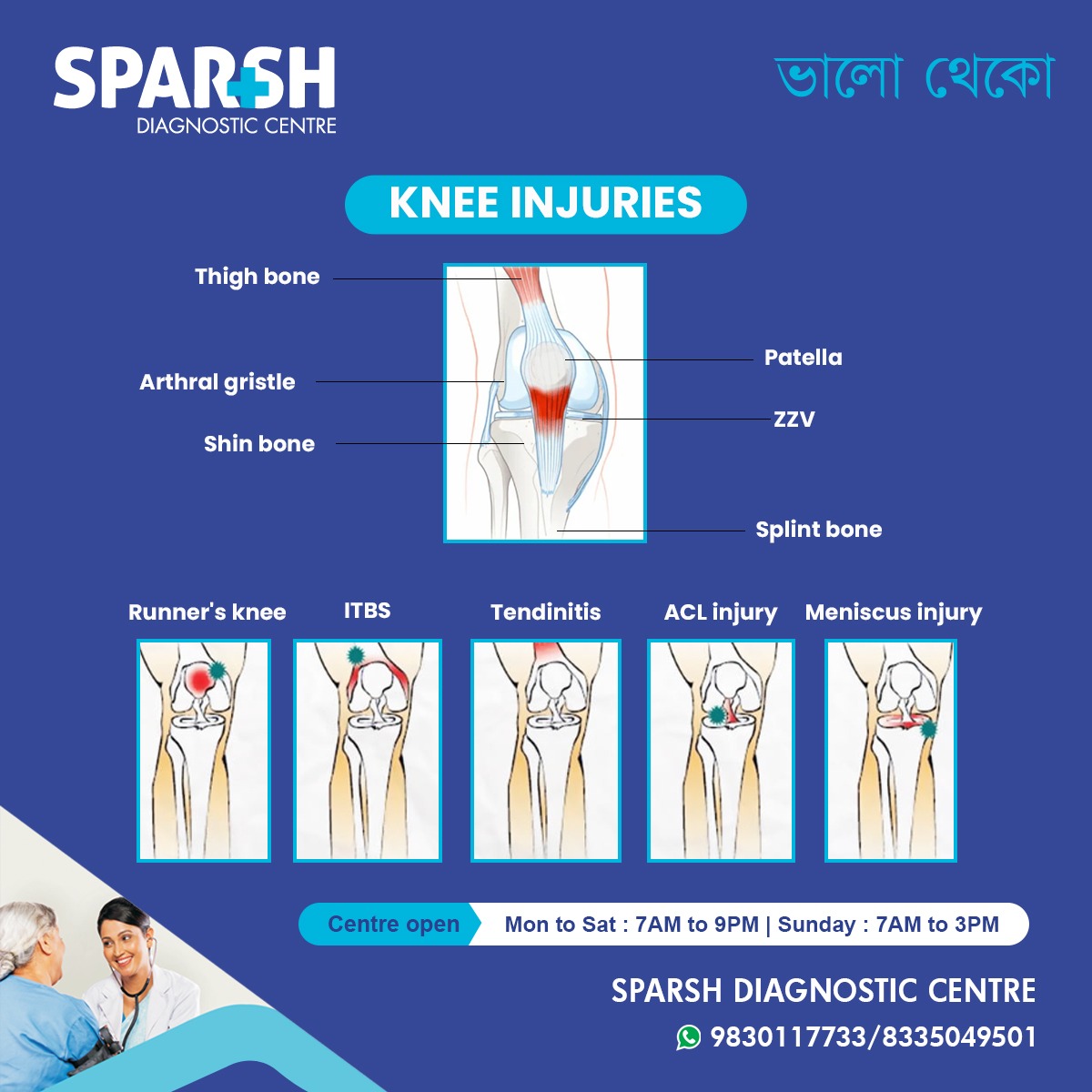
The knee is one of the largest and most complex joints in the human body. It connects the thigh bone (femur) to the shin bone (tibia) and includes several essential structures that allow smooth movement.
The main components of the knee include:
Femur (Thigh Bone): The upper bone that forms the top part of the knee joint.
Tibia (Shin Bone): The lower bone that supports body weight.
Patella (Kneecap): A small bone that protects the front of the knee joint.
Cartilage: Smooth tissue that cushions the bones and prevents friction.
Ligaments: Strong bands of tissue that connect bones and stabilize the joint.
Tendons: Connect muscles to bones and allow movement.
These structures work together to enable bending, straightening, and rotation of the knee. When any of these components are damaged, a knee injury occurs.
Common Types of Knee Injuries
Knee injuries vary widely depending on the cause and severity. Some injuries happen suddenly during sports or accidents, while others develop gradually due to overuse.
1. Runner’s Knee (Patellofemoral Pain Syndrome)
Runner’s knee is a common condition among athletes, particularly runners. It occurs when the kneecap does not move smoothly within the joint groove.
Symptoms include:
Pain around the front of the knee
Discomfort while running, climbing stairs, or squatting
Grinding or popping sensation in the knee
This condition often results from overuse, muscle imbalance, or improper running technique.
2. Iliotibial Band Syndrome (ITBS)
Iliotibial Band Syndrome occurs when the iliotibial band, a thick band of tissue running from the hip to the knee, becomes inflamed due to friction.
Common symptoms include:
Pain on the outer side of the knee
Increased discomfort during running or cycling
Tenderness along the outside of the knee
ITBS is particularly common among runners and cyclists.
3. Tendinitis
Tendinitis refers to inflammation of the tendons surrounding the knee. The most common type is patellar tendinitis, also known as jumper’s knee.
Symptoms include:
Pain below the kneecap
Swelling around the tendon
Pain during jumping, running, or kneeling
This condition is often caused by repetitive stress or overuse.
4. ACL Injury (Anterior Cruciate Ligament Tear)
The Anterior Cruciate Ligament (ACL) is one of the main stabilizing ligaments in the knee. ACL injuries are common in sports that involve sudden stops, jumping, or direction changes.
Symptoms include:
A popping sound during injury
Immediate swelling
Instability in the knee
Difficulty bearing weight
ACL tears often require surgical repair, especially in athletes.
5. Meniscus Tear
The meniscus is a piece of cartilage that acts as a shock absorber between the femur and tibia. A tear usually occurs during twisting movements or sudden changes in direction.
Symptoms include:
Pain and swelling
Stiffness in the knee
Locking or catching sensation
Difficulty straightening the leg
Meniscus tears are common among athletes and older adults due to cartilage degeneration.
Causes of Knee Injuries
Several factors can contribute to knee injuries. While some injuries occur suddenly due to trauma, others develop over time due to repeated stress.
1. Sports Activities
High-impact sports such as football, basketball, running, and skiing put significant stress on the knees.
2. Overuse
Repeated movements like running, jumping, or cycling can gradually damage knee tissues.
3. Sudden Movements
Abrupt twisting, pivoting, or landing awkwardly can strain ligaments and cartilage.
4. Muscle Imbalance
Weak thigh or hip muscles can affect knee alignment and increase injury risk.
5. Aging
As people age, cartilage naturally wears down, increasing susceptibility to knee problems.
6. Poor Technique or Equipment
Improper exercise techniques, worn-out footwear, or lack of proper training can also contribute to knee injuries.
Symptoms of Knee Injuries
Symptoms vary depending on the type and severity of injury. However, several warning signs indicate a potential knee problem.
Common symptoms include:
Pain around or inside the knee
Swelling or inflammation
Stiffness or reduced flexibility
Instability or weakness
Popping or clicking sounds
Difficulty walking or bearing weight
If these symptoms persist or worsen, medical evaluation is recommended.
Diagnosing Knee Injuries
Healthcare professionals use several methods to diagnose knee injuries accurately.
Physical Examination
A doctor will assess swelling, tenderness, range of motion, and joint stability.
Imaging Tests
X-ray:
Helps detect fractures or bone abnormalities.
MRI (Magnetic Resonance Imaging):
Provides detailed images of ligaments, cartilage, and soft tissues.
Ultrasound:
Useful for detecting tendon injuries or fluid buildup.
Arthroscopy
In some cases, a small camera is inserted into the joint to examine the internal structures directly.
Treatment Options for Knee Injuries
Treatment depends on the type and severity of the injury. Some cases heal with conservative care, while others require surgical intervention.
1. Rest and Activity Modification
Reducing physical activity allows the injured tissues to heal.
2. Ice Therapy
Applying ice helps reduce swelling and pain.
3. Compression and Elevation
These methods help control inflammation and improve circulation.
4. Medications
Pain relievers and anti-inflammatory medications may be prescribed.
5. Physical Therapy
Rehabilitation exercises strengthen muscles and restore joint function.
6. Knee Braces
Braces provide support and stability during recovery.
7. Surgery
Severe injuries such as ACL tears or complex meniscus damage may require surgical repair.
Common surgical procedures include:
Arthroscopic surgery
Ligament reconstruction
Cartilage repair
Recovery and Rehabilitation
Recovery time varies depending on the injury.
Minor injuries may heal within 2–6 weeks.
Moderate injuries may require 6–12 weeks of rehabilitation.
Major injuries or surgeries may take several months for full recovery.
Physical therapy plays a crucial role in restoring strength, flexibility, and mobility. A structured rehabilitation program can help prevent future injuries.
Preventing Knee Injuries
While not all injuries can be prevented, certain steps can significantly reduce the risk.
Maintain Strong Muscles
Strengthening the quadriceps, hamstrings, and hip muscles supports knee stability.
Warm Up Properly
Always warm up before exercise to prepare muscles and joints.
Use Proper Technique
Learning correct movement techniques during sports or workouts is essential.
Wear Supportive Footwear
Proper shoes reduce stress on the knees.
Avoid Overtraining
Gradually increase exercise intensity to prevent overuse injuries.
Maintain Healthy Weight
Excess body weight increases pressure on knee joints.
When to See a Doctor
Seek medical attention if you experience:
Severe pain or swelling
Inability to move the knee
Knee instability or giving way
Visible deformity
Persistent symptoms lasting more than a few days
Early diagnosis and treatment can prevent complications and long-term damage.
Frequently Asked Questions (FAQs)
1. What is the most common knee injury?
The most common knee injuries include runner’s knee, meniscus tears, ligament injuries such as ACL tears, and tendinitis. These injuries often occur due to sports activities, overuse, or sudden movements.
2. How long does a knee injury take to heal?
Healing time varies depending on the severity. Minor injuries may heal within a few weeks, while severe ligament injuries or surgeries may require several months of recovery.
3. Can knee injuries heal without surgery?
Yes, many knee injuries can heal with rest, physical therapy, and medications. Surgery is usually recommended only for severe ligament tears or structural damage.
4. What exercises help strengthen the knee?
Exercises that strengthen the quadriceps, hamstrings, and hip muscles are beneficial. Examples include leg raises, squats, step-ups, and hamstring curls.
5. Is walking good for knee pain?
Gentle walking can help improve joint mobility and circulation. However, excessive walking or high-impact activities should be avoided if they worsen pain.
6. How can I prevent knee injuries while exercising?
Warm up properly, use correct exercise techniques, wear supportive footwear, and gradually increase workout intensity to protect your knees.
7. Can knee injuries lead to arthritis?
Yes, severe or untreated knee injuries can increase the risk of developing osteoarthritis later in life.
To consult an Orthopedic Surgeon at Sparsh Diagnostic Centre, call our helpline numbers 9830117733/ 8335049501.
#BhaloTheko
Disclaimer:
No content on this site, regardless of date, should ever be used as a substitute for direct medical advice from your doctor or other qualified clinician.