

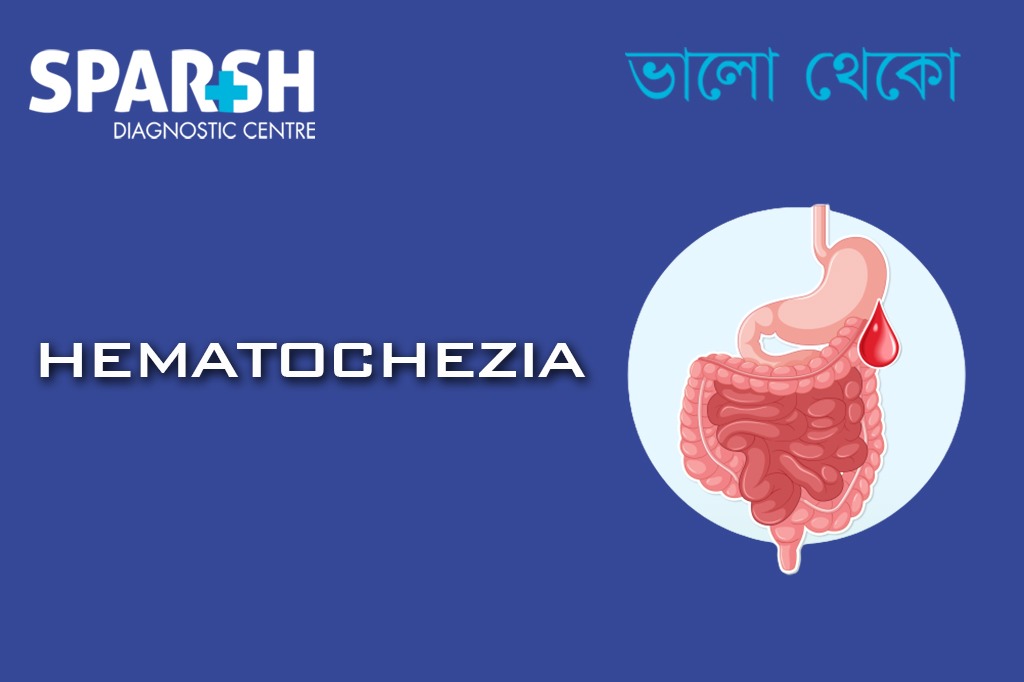
Seeing blood in the stool can be alarming. When this blood is bright red or maroon in colour and originates from the lower part of the digestive tract, the condition is known as hematochezia. While it can sometimes be caused by minor issues like hemorrhoids, hematochezia may also signal serious underlying gastrointestinal diseases that require prompt medical attention.
This comprehensive guide explains what hematochezia is, why it occurs, how it is diagnosed, and the available treatment options, helping patients and caregivers understand when to seek medical care.
What Is Hematochezia?
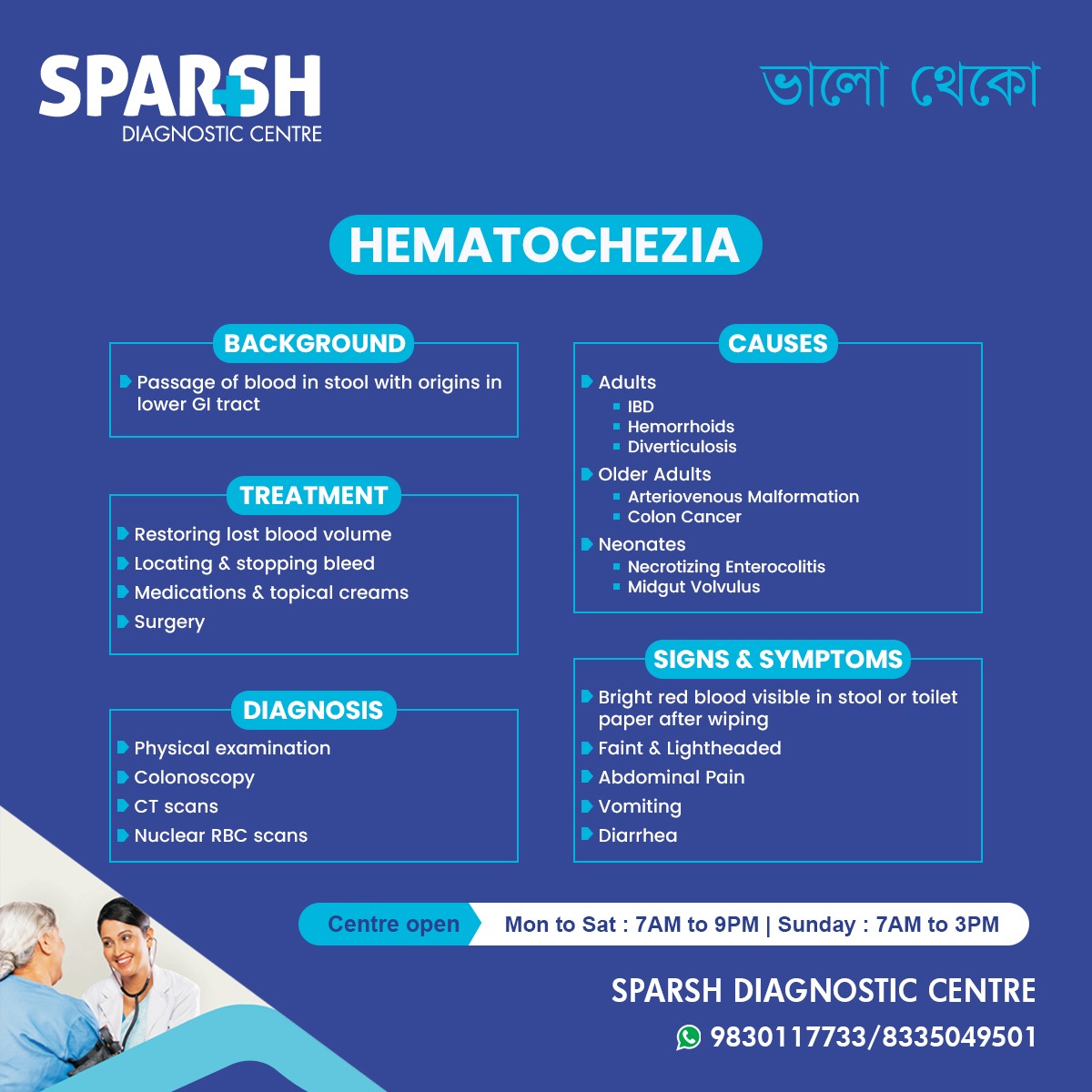
Hematochezia refers to the passage of fresh, bright red or dark red blood through the anus, usually mixed with stool or noticed on toilet paper after wiping. The bleeding typically originates from the lower gastrointestinal (GI) tract, which includes the colon, rectum, and anus.
Hematochezia is different from melena, which presents as black, tarry stools caused by bleeding from the upper GI tract. Because hematochezia often indicates active bleeding, it should never be ignored.
Understanding the Lower Gastrointestinal Tract
To better understand hematochezia, it helps to know where it comes from:
Colon (large intestine) – absorbs water and forms stool
Rectum – stores stool before elimination
Anus – final passage for stool
Bleeding anywhere in these areas can result in visible blood in the stool.
Common Causes of Hematochezia
The causes of hematochezia vary depending on age, medical history, and overall health. Some conditions are benign, while others can be life-threatening.
Causes in Adults
Swollen veins in the rectum or anus
Most common cause
Usually painless bright red bleeding
Small tears in the anal lining
Often associated with constipation and pain during bowel movements
Inflammatory Bowel Disease (IBD)
Includes ulcerative colitis and Crohn’s disease
Causes chronic inflammation and bleeding
Diverticulosis
Small pouches in the colon wall that may bleed suddenly and heavily
Causes in Older Adults
Arteriovenous Malformations (AVMs)
Abnormal blood vessel connections in the colon
Common in elderly individuals
Colon Polyps
Growths that may bleed and have cancerous potential
A serious and potentially life-threatening cause
Bleeding may be intermittent and painless
Causes in Infants and Neonates
Necrotizing Enterocolitis
Serious intestinal condition in premature babies
Midgut Volvulus
Twisting of the intestine causing compromised blood flow
Medical emergency
Milk Protein Allergy
Can cause blood-streaked stools in infants
Signs and Symptoms of Hematochezia
Symptoms can vary depending on the cause and severity of bleeding.
Common Symptoms
Bright red blood in stool
Blood on toilet paper after wiping
Blood dripping into the toilet bowl
Associated Symptoms
Fainting (in severe blood loss)
⚠️ Seek immediate medical care if hematochezia is accompanied by weakness, rapid heartbeat, low blood pressure, or fainting.
Is Hematochezia a Medical Emergency?
Hematochezia can range from mild to severe. It becomes an emergency when:
Bleeding is heavy or continuous
There are signs of shock
The patient has anemia
The person is elderly or has chronic illness
Prompt diagnosis can be life-saving.
How Is Hematochezia Diagnosed?
Accurate diagnosis focuses on identifying the source of bleeding.
1. Physical Examination
Includes abdominal and rectal examination
Helps detect hemorrhoids, fissures, or masses
2. Laboratory Tests
Complete blood count (CBC) to assess anemia
Stool tests for infection or inflammation
3. Colonoscopy
Gold standard test
Direct visualization of the colon
Allows biopsy and treatment during the procedure
4. CT Scan (CT Angiography)
Useful in active bleeding
Helps locate the bleeding source quickly
5. Nuclear RBC Scan
Detects slow or intermittent bleeding
Used when colonoscopy is inconclusive
Treatment Options for Hematochezia
Treatment depends on the underlying cause, severity of bleeding, and patient stability.
Initial Management
Restoring blood volume using IV fluids or blood transfusion
Monitoring vital signs
Hospitalization in moderate to severe cases
Medical Treatment
Anti-inflammatory drugs for IBD
Antibiotics for infections
Stool softeners for fissures
Topical creams and suppositories for hemorrhoids
Endoscopic Treatment
Cauterization of bleeding vessels
Clipping or banding of bleeding lesions
Polyp removal during colonoscopy
Surgical Treatment
Surgery may be required when:
Bleeding cannot be controlled endoscopically
Cancer is diagnosed
There is bowel ischemia or volvulus
Lifestyle and Preventive Measures
While not all causes are preventable, certain habits can reduce risk:
High-fiber diet to prevent constipation
Adequate hydration
Regular physical activity
Avoiding excessive straining during bowel movements
Routine colon cancer screening after age 45
When Should You See a Doctor?
Consult a healthcare professional if you notice:
Blood in stool even once
Recurrent bleeding
Blood associated with pain, weight loss, or anemia
Early evaluation improves outcomes significantly.
Hematochezia vs Melena: Key Differences
| Feature | Hematochezia | Melena |
|---|---|---|
| Blood colour | Bright red or maroon | Black, tarry |
| Source | Lower GI tract | Upper GI tract |
| Urgency | Often urgent | May be gradual |
Importance of Early Diagnosis
Delaying evaluation can lead to complications such as:
Severe anemia
Shock
Missed diagnosis of colorectal cancer
Increased treatment complexity
Diagnostic centres play a critical role in identifying the cause quickly and accurately.
Frequently Asked Questions (FAQs)
1. Is hematochezia always serious?
No. It can be caused by minor conditions like hemorrhoids, but it can also indicate serious diseases. Medical evaluation is essential.
2. Can stress cause hematochezia?
Stress alone does not cause bleeding, but it may worsen conditions like IBD that lead to hematochezia.
3. How much blood is considered dangerous?
Any ongoing or large-volume bleeding is dangerous, especially if accompanied by weakness or dizziness.
4. Can hematochezia stop on its own?
Yes, in mild cases. However, the underlying cause still needs to be identified.
5. Is colonoscopy painful?
Colonoscopy is usually performed under sedation and is generally painless.
6. Can children get hematochezia?
Yes. Causes differ by age and may include infections, allergies, or congenital conditions.
7. Does hematochezia mean cancer?
Not always, but colorectal cancer is an important cause that must be ruled out, especially in older adults.
8. What tests are most accurate for diagnosis?
Colonoscopy is the most accurate diagnostic test for lower GI bleeding.
Hematochezia is a symptom that should never be ignored. While it is often caused by treatable conditions, it can sometimes indicate serious gastrointestinal diseases requiring urgent care. Early diagnosis, accurate testing, and appropriate treatment are essential for preventing complications and ensuring better health outcomes.
If you or a loved one experiences blood in the stool, timely medical evaluation can make all the difference.
#BhaloTheko
Disclaimer:
No content on this site, regardless of date, should ever be used as a substitute for direct medical advice from your doctor or other qualified clinician.
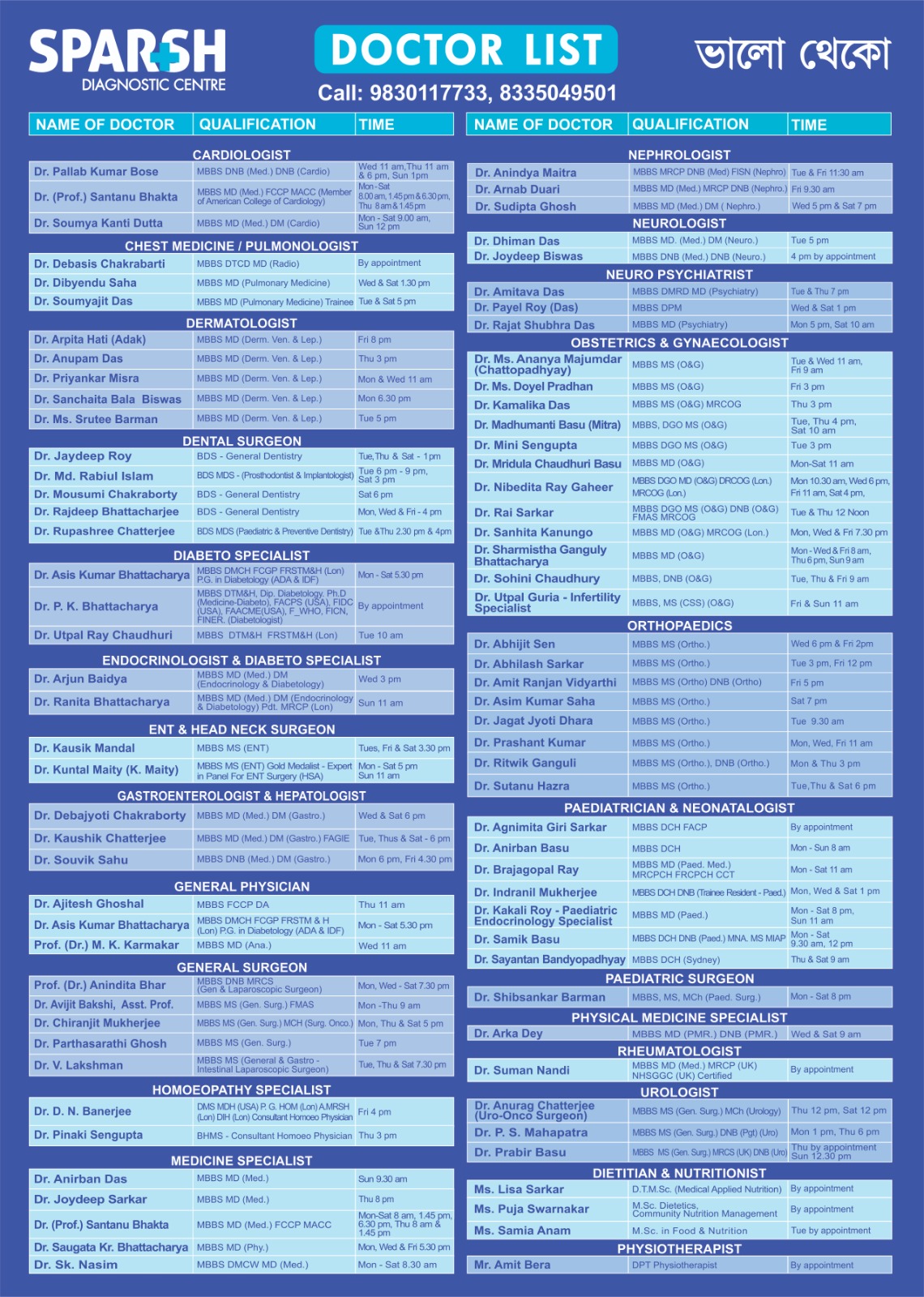
Sparsh Doctor List


