Bacteria are everywhere. They live in the air we breathe, the food we eat, the water we drink, and even inside our bodies. Most bacteria are harmless — in fact, many are essential for digestion, immunity, and overall health.
But when harmful bacteria invade the body and multiply, they can cause infections that range from mild to life-threatening.
In this detailed guide, we’ll walk through the most common diseases caused by bacteria, how they spread, warning signs to look out for, and most importantly — how to prevent and treat them effectively.
What Are Bacterial Diseases?
Bacterial diseases are illnesses caused by pathogenic (harmful) bacteria. These microorganisms enter the body through contaminated food or water, air droplets, direct contact, wounds, or sexual transmission.
Once inside, bacteria may:
Produce toxins
Damage tissues
Trigger inflammation
Invade the bloodstream
Disrupt normal organ function
Unlike viral infections, bacterial infections can usually be treated with antibiotics — but early diagnosis is crucial.
Major Types of Diseases Caused by Bacteria
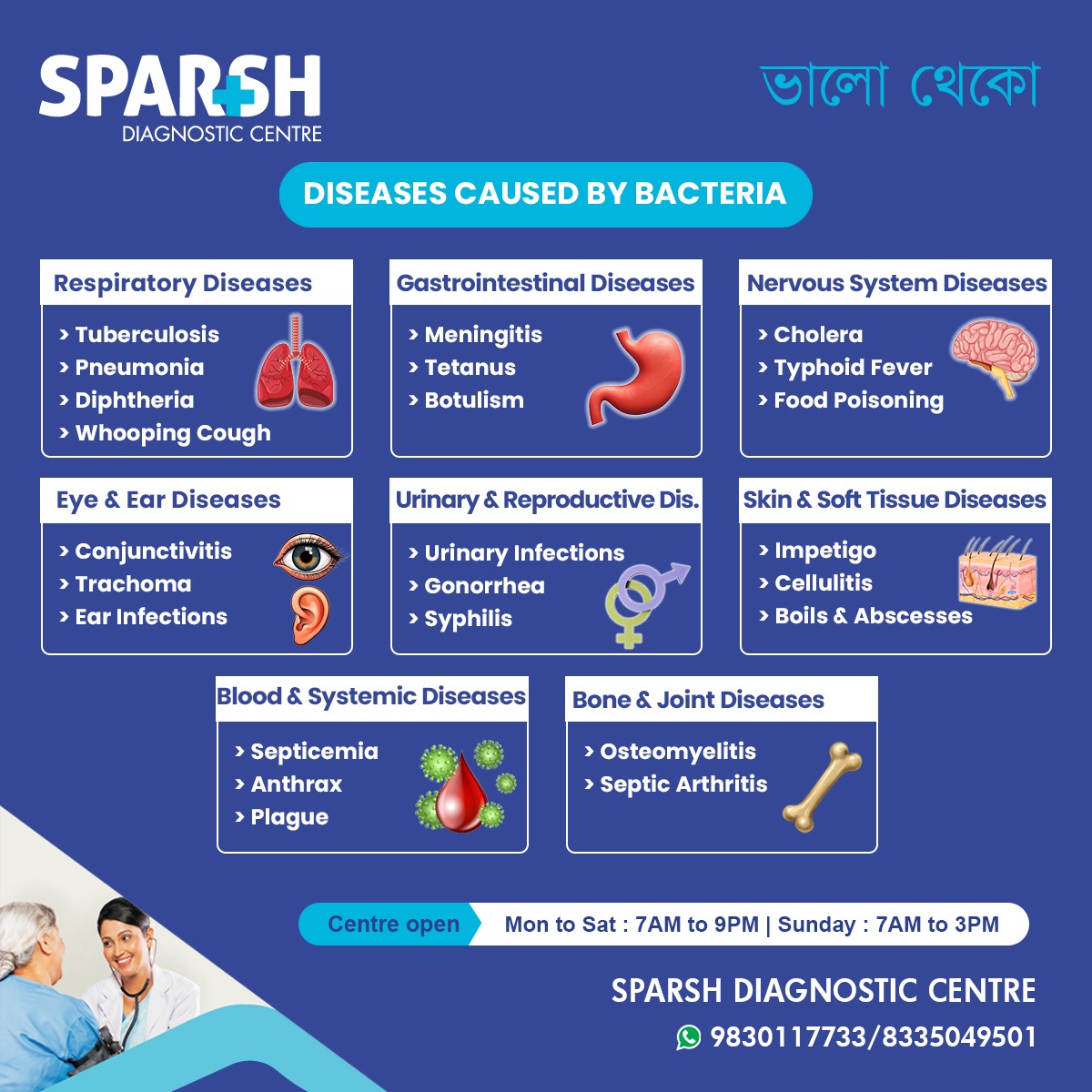
Bacterial infections can affect nearly every organ system. Let’s break them down by category.
1. Respiratory Diseases Caused by Bacteria
The respiratory system is one of the most common targets for bacterial infections.
Tuberculosis (TB)
A serious infectious disease affecting the lungs, caused by Mycobacterium tuberculosis. It spreads through airborne droplets when an infected person coughs or sneezes.
Symptoms:
Persistent cough (more than 3 weeks)
Blood in sputum
Weight loss
Without treatment, TB can be fatal. However, it is curable with a long course of antibiotics.
Pneumonia
Bacterial pneumonia causes inflammation and fluid buildup in the lungs. It may develop after a cold or flu.
Symptoms:
High fever
Chest pain
Productive cough
Older adults and children are particularly vulnerable.
Diphtheria
A serious throat infection caused by Corynebacterium diphtheriae. It can block airways and release toxins affecting the heart and nerves.
Vaccination has dramatically reduced its incidence.
Whooping Cough (Pertussis)
Caused by Bordetella pertussis, this infection leads to severe coughing fits that can last weeks.
Vaccination is the best prevention.
2. Gastrointestinal Diseases Caused by Bacteria
Bacterial infections of the digestive tract are often spread through contaminated food or water.
Cholera
Caused by Vibrio cholerae, cholera leads to severe diarrhea and dehydration.
Symptoms:
Profuse watery diarrhea
Rapid dehydration
Muscle cramps
Immediate fluid replacement can save lives.
Typhoid Fever
Spread through contaminated food and water, typhoid is caused by Salmonella typhi.
Symptoms:
Prolonged high fever
Weakness
Antibiotics are essential for recovery.
Food Poisoning
Many bacterial strains like Salmonella, E. coli, and Staphylococcus aureus cause foodborne illness.
Symptoms typically include:
Most cases resolve in a few days, but severe dehydration may require medical care.
Botulism
A rare but dangerous illness caused by toxins produced by Clostridium botulinum.
It can cause:
Muscle weakness
Difficulty breathing
Botulism is a medical emergency.
3. Nervous System Infections
Meningitis
Bacterial meningitis is a life-threatening infection of the protective membranes around the brain and spinal cord.
Symptoms:
Neck stiffness
Sensitivity to light
Confusion
Immediate hospital treatment is critical.
Tetanus
Caused by Clostridium tetani, which enters through wounds.
Symptoms include:
Muscle stiffness
Lockjaw
Painful spasms
Vaccination provides strong protection.
4. Eye and Ear Infections
Conjunctivitis (Bacterial Pink Eye)
Causes redness, discharge, and irritation.
Trachoma
A chronic eye infection that can lead to blindness if untreated.
Ear Infections
Bacterial middle ear infections are common in children and can cause ear pain and fever.
5. Urinary & Reproductive System Infections
Urinary Tract Infections (UTIs)
Often caused by E. coli, UTIs are especially common in women.
Symptoms:
Burning urination
Frequent urge to urinate
Lower abdominal pain
Antibiotics usually resolve the infection quickly.
Gonorrhea
A sexually transmitted infection caused by Neisseria gonorrhoeae.
It may cause:
Painful urination
Abnormal discharge
Pelvic pain
If untreated, it can lead to infertility.
Syphilis
A sexually transmitted bacterial infection caused by Treponema pallidum.
It progresses in stages and can affect multiple organs if untreated.
6. Skin and Soft Tissue Infections
Impetigo
Common in children, causing red sores around the nose and mouth.
Cellulitis
A deeper skin infection that can spread rapidly.
Boils and Abscesses
Painful pus-filled lumps caused by bacterial infection of hair follicles.
7. Blood & Systemic Infections
Septicemia (Sepsis)
A life-threatening bloodstream infection that can lead to organ failure.
Warning signs:
High or low body temperature
Confusion
Immediate emergency care is required.
Anthrax
Caused by Bacillus anthracis, usually transmitted from infected animals.
Plague
Caused by Yersinia pestis, historically responsible for pandemics.
8. Bone & Joint Infections
Osteomyelitis
A bone infection that causes severe pain and swelling.
Septic Arthritis
Infection in a joint causing pain, redness, and restricted movement.
How Do Bacterial Infections Spread?
Bacterial diseases can spread through:
Airborne droplets
Contaminated food or water
Direct physical contact
Unprotected sexual contact
Insect bites
Open wounds
Poor hygiene
Understanding transmission helps in prevention.
Diagnosis of Bacterial Diseases
Doctors may use:
Accurate diagnosis ensures correct antibiotic selection.
Treatment of Bacterial Infections
The primary treatment is antibiotics. However:
Not all infections require antibiotics.
Overuse can cause antibiotic resistance.
Always complete the prescribed course.
Severe cases may require hospitalization, IV antibiotics, oxygen therapy, or surgery.
Prevention of Bacterial Diseases
Prevention is always better than treatment. Here’s how you can reduce your risk:
1. Vaccination
Vaccines protect against:
Tetanus
Diphtheria
Pertussis
Tuberculosis
Meningitis
2. Hand Hygiene
Wash hands regularly with soap and water.
3. Safe Food Practices
Cook food thoroughly
Avoid raw contaminated food
Store food properly
4. Safe Sex
Use protection and undergo regular screenings.
5. Clean Water
Drink safe, filtered, or boiled water.
6. Wound Care
Clean and disinfect cuts immediately.
Antibiotic Resistance: A Growing Concern
Overuse and misuse of antibiotics have led to resistant bacteria.
This means:
Infections become harder to treat
Hospital stays increase
Mortality risk rises
To prevent resistance:
Never self-medicate
Do not stop antibiotics early
Avoid demanding antibiotics for viral infections
When to See a Doctor
Seek medical help if you experience:
High fever
Persistent cough
Severe diarrhea
Sudden confusion
Difficulty breathing
Rapid heart rate
Painful swelling
Symptoms lasting more than a few days
Early treatment prevents complications.
Frequently Asked Questions (FAQs)
1. What are the most common diseases caused by bacteria?
Common bacterial diseases include tuberculosis, pneumonia, cholera, typhoid fever, urinary tract infections, meningitis, and skin infections like cellulitis.
2. How are bacterial infections different from viral infections?
Bacterial infections are caused by bacteria and can usually be treated with antibiotics. Viral infections are caused by viruses and typically require supportive care rather than antibiotics.
3. Can bacterial infections go away without antibiotics?
Some mild infections may resolve on their own. However, serious infections require antibiotics. Always consult a healthcare professional before skipping treatment.
4. How do I know if my infection is bacterial?
Symptoms like high fever, localized pain, pus formation, and prolonged illness may suggest a bacterial infection. Laboratory tests confirm the diagnosis.
5. Are all bacteria harmful?
No. Many bacteria are beneficial and help with digestion, immunity, and vitamin production.
6. What is the most dangerous bacterial infection?
Sepsis (septicemia) is among the most dangerous because it can quickly lead to organ failure and death if untreated.
7. Can vaccines prevent bacterial diseases?
Yes. Vaccines can prevent diseases like tetanus, diphtheria, pertussis, and some types of meningitis.
8. How can I prevent foodborne bacterial infections?
Cook food thoroughly, wash hands before handling food, refrigerate perishables, and avoid contaminated water.
9. What is antibiotic resistance?
It occurs when bacteria adapt and become resistant to antibiotics, making infections harder to treat.
10. When should I seek emergency care?
Seek immediate medical attention if you experience difficulty breathing, chest pain, confusion, high fever, or signs of sepsis.
Bacterial diseases range from minor skin infections to life-threatening conditions like sepsis and meningitis. The good news? Many are preventable, and most are treatable when diagnosed early.
Maintaining hygiene, staying up to date with vaccinations, practicing safe food and sexual habits, and avoiding unnecessary antibiotic use can dramatically reduce your risk.
If you ever notice unusual symptoms, don’t ignore them. Early intervention can make all the difference.
To consult a Doctor at Sparsh Diagnostic Centre, call our helpline numbers 9830117733/8335049501.
#BhaloTheko
Disclaimer:
No content on this site, regardless of date, should ever be used as a substitute for direct medical advice from your doctor or other qualified clinician.