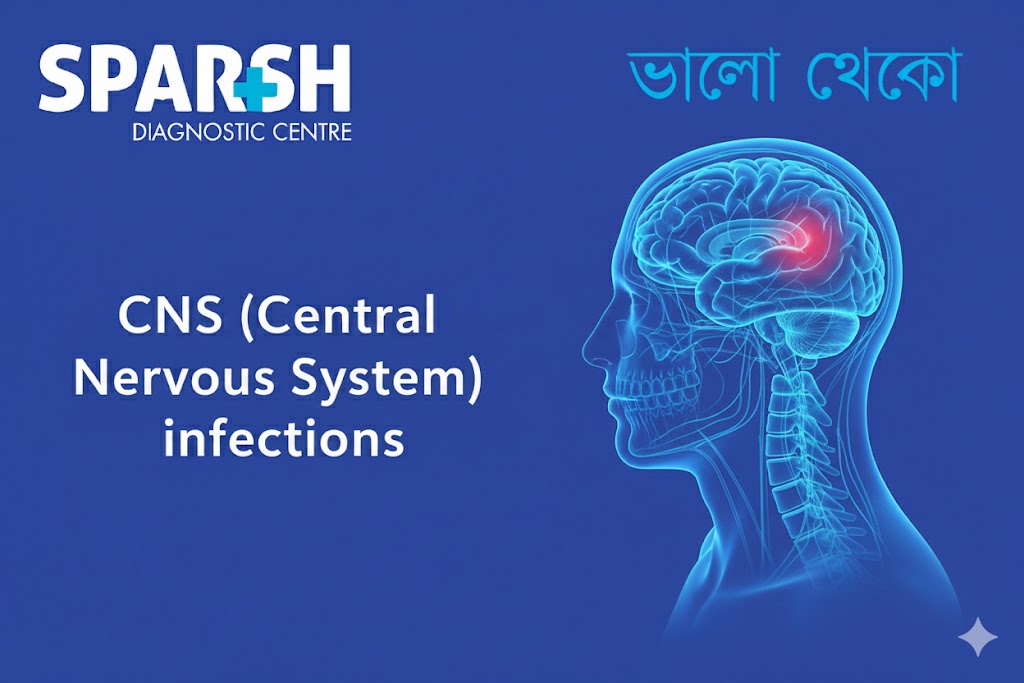
Central Nervous System (CNS) infections are serious medical conditions that affect the brain, spinal cord, or the surrounding protective membranes. These infections can progress rapidly and may lead to permanent neurological damage or even death if not diagnosed and treated promptly. Early recognition, accurate diagnosis, and timely intervention are critical in improving patient outcomes.
This article provides a detailed overview of CNS infections, including their types, causes, symptoms, diagnostic methods, treatment options, and prevention strategies.
What Are CNS (Central Nervous System) Infections?
CNS infections occur when infectious agents such as bacteria, viruses, fungi, or parasites invade the brain, spinal cord, meninges, or cerebrospinal fluid (CSF). Because the CNS controls vital bodily functions, infections in this region are considered medical emergencies.
The blood–brain barrier usually protects the CNS from pathogens. However, certain organisms can cross this barrier or enter through trauma, surgery, bloodstream infections, or adjacent structures such as the sinuses or ears.
Types of CNS Infections
CNS infections are classified based on the affected structure and the causative organism.
1. Meningitis
Meningitis is the inflammation of the meninges, the protective membranes covering the brain and spinal cord.
Bacterial meningitis – Severe and life-threatening
Viral meningitis – Usually milder
Fungal meningitis – Common in immunocompromised individuals
Tuberculous meningitis – Chronic and common in developing countries
2. Encephalitis
Encephalitis refers to inflammation of the brain tissue itself, most often caused by viral infections such as herpes simplex virus or Japanese encephalitis virus.
3. Meningoencephalitis
This condition involves inflammation of both the meninges and brain tissue, presenting with features of both meningitis and encephalitis.
4. Brain Abscess
A brain abscess is a localized collection of pus within the brain tissue, usually caused by bacteria or fungi. It often arises from nearby infections like sinusitis or ear infections.
5. Myelitis
Myelitis is inflammation of the spinal cord, which may result from viral infections, autoimmune conditions, or post-infectious reactions.
Causes of CNS Infections
CNS infections can be caused by various pathogens:
Bacterial Causes
Streptococcus pneumoniae
Neisseria meningitidis
Haemophilus influenzae
Mycobacterium tuberculosis
Listeria monocytogenes
Viral Causes
Enteroviruses
Varicella-zoster virus
West Nile virus
Fungal Causes
Cryptococcus neoformans
Candida species
Aspergillus
Parasitic Causes
Toxoplasma gondii
Naegleria fowleri
Plasmodium species (cerebral malaria)
Risk Factors for CNS Infections
Certain individuals are at higher risk of developing CNS infections:
Infants and elderly individuals
Immunocompromised patients (HIV/AIDS, cancer, transplant recipients)
Poorly controlled diabetes
Alcoholism
Head trauma or neurosurgical procedures
Chronic ear or sinus infections
Symptoms of CNS Infections
Symptoms vary depending on the type and severity of infection but often progress rapidly.
Common Symptoms
Neck stiffness
Sensitivity to light (photophobia)
Altered mental status
Confusion or drowsiness
Neurological Symptoms
Symptoms in Infants
Bulging fontanelle
High-pitched crying
Poor feeding
Irritability or lethargy
Diagnosis of CNS Infections
Early and accurate diagnosis is crucial for effective management.
Clinical Evaluation
A detailed history and neurological examination help guide further testing.
Laboratory Investigations
Lumbar puncture (CSF analysis) – Key diagnostic test
Cell count
Protein and glucose levels
Gram stain and culture
PCR testing for viral pathogens
Blood cultures
Serological tests
Imaging Studies
MRI brain – Preferred for detecting encephalitis and abscesses
CT scan – Used to rule out raised intracranial pressure before lumbar puncture
Advanced Diagnostic Tests
Multiplex PCR panels
Antigen detection
Next-generation sequencing in selected cases
Treatment of CNS Infections
Treatment depends on the suspected or confirmed cause and must often begin before definitive diagnosis.
Empirical Therapy
Broad-spectrum intravenous antibiotics
Antiviral therapy (e.g., acyclovir)
Antitubercular treatment when TB is suspected
Supportive Care
Management of fever and pain
Seizure control
Intracranial pressure monitoring
Fluid and electrolyte balance
Targeted Therapy
Once the causative organism is identified, treatment is tailored accordingly:
Specific antibiotics
Antifungal agents
Antiparasitic medications
Surgical Intervention
Drainage of brain abscess
Management of hydrocephalus
Complications of CNS Infections
Even with treatment, CNS infections can lead to long-term complications:
Hearing loss
Cognitive impairment
Motor deficits
Behavioral changes
Death in severe cases
Early diagnosis and timely treatment significantly reduce the risk of complications.
Prevention of CNS Infections
Preventive strategies play a vital role in reducing disease burden.
Vaccination
Meningococcal vaccine
Pneumococcal vaccine
Haemophilus influenzae type B (Hib) vaccine
Japanese encephalitis vaccine
Measles, mumps, rubella (MMR)
Public Health Measures
Safe drinking water
Vector control
Proper sanitation
Individual Precautions
Prompt treatment of ear and sinus infections
Avoiding exposure to infected individuals
Maintaining good hygiene
Adherence to immunization schedules
Prognosis
The prognosis of CNS infections depends on:
Type of pathogen
Speed of diagnosis
Patient’s age and immune status
Availability of advanced medical care
Viral meningitis often has a good prognosis, while bacterial meningitis and encephalitis can be life-threatening without immediate treatment.
Frequently Asked Questions (FAQs)
1. Are CNS infections contagious?
Some CNS infections, such as meningococcal meningitis, can spread from person to person, while others are not contagious.
2. How urgent is treatment for CNS infections?
CNS infections are medical emergencies and require immediate hospitalization and treatment.
3. Can CNS infections be cured completely?
Many CNS infections can be cured if treated early, but some may leave long-term neurological effects.
4. What is the most common CNS infection?
Viral meningitis is the most common, while bacterial meningitis is the most severe.
5. Is lumbar puncture safe?
Yes, when performed by trained professionals after appropriate imaging, it is a safe and essential diagnostic procedure.
6. Can CNS infections recur?
Recurrence is uncommon but may occur in immunocompromised individuals or if underlying risk factors persist.
CNS (Central Nervous System) infections are serious and potentially life-threatening conditions requiring prompt recognition and expert medical care. Advances in diagnostic techniques and targeted therapies have significantly improved outcomes, but prevention through vaccination and early treatment remains the cornerstone of management.
Raising awareness about symptoms and seeking immediate medical attention can save lives and prevent long-term complications.
#BhaloTheko
Disclaimer:
No content on this site, regardless of date, should ever be used as a substitute for direct medical advice from your doctor or other qualified clinician.
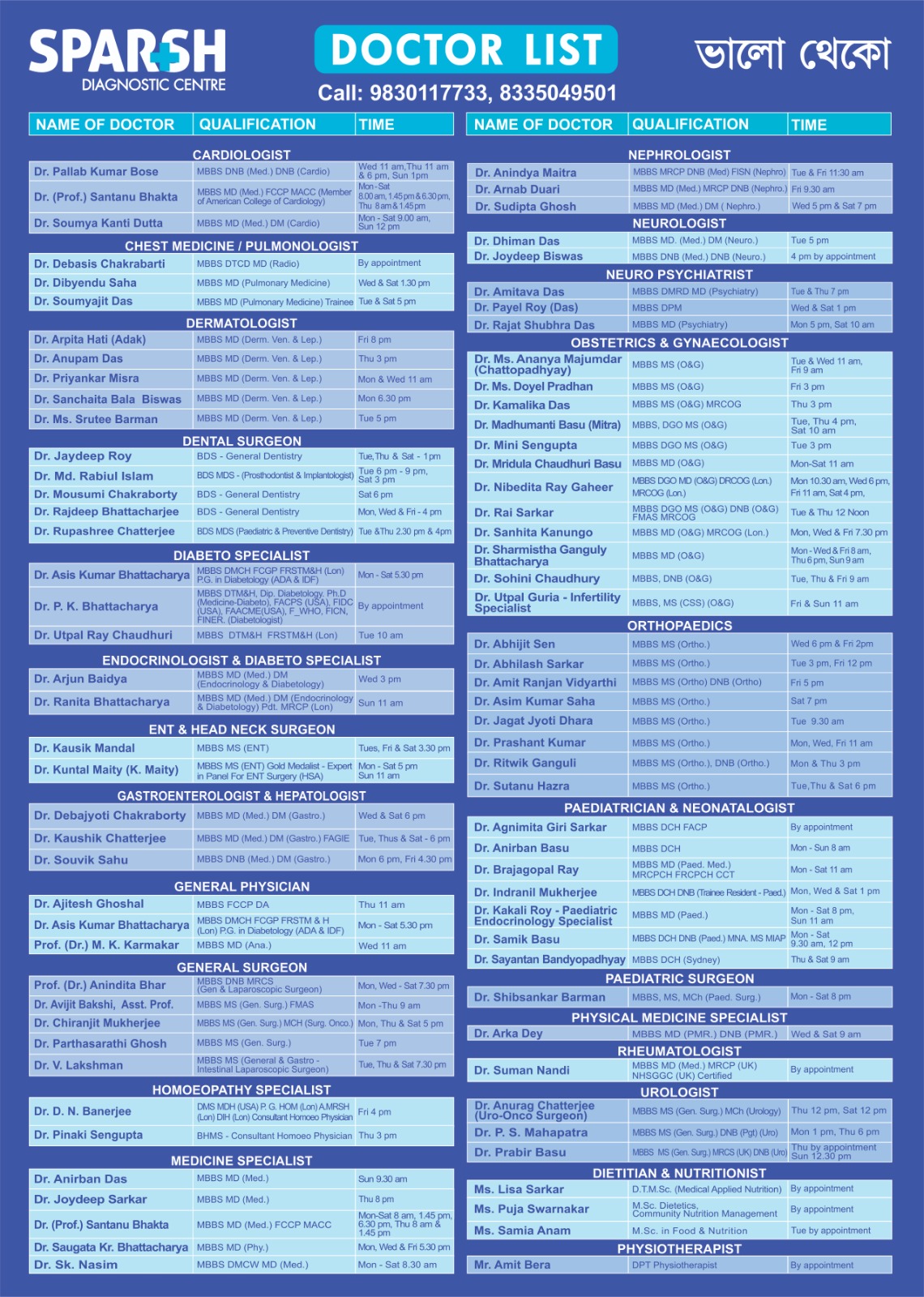
Sparsh Doctor List