Akinesia is a medical condition that causes difficulty initiating movement. People with akinesia may feel as though their body is “stuck,” even when they want to move. It is most commonly associated with neurological disorders such as Parkinson’s Disease, but it can also occur in other health conditions affecting the brain and nervous system.
For some individuals, akinesia begins subtly. A person may notice slower movements, trouble getting out of bed, or brief “freezing” episodes while walking. Over time, these symptoms may interfere with daily activities, balance, communication, and overall quality of life.
Understanding akinesia early is important because prompt diagnosis and treatment can help manage symptoms and improve mobility. In this guide, we’ll explore the causes, symptoms, diagnosis, treatment options, and practical ways to live with akinesia.
What Is Akinesia?
The word “akinesia” comes from Greek roots meaning “without movement.” In medical terms, akinesia refers to a loss or difficulty in voluntary movement. Unlike paralysis, the muscles are still capable of moving, but the brain struggles to initiate the action.
People with akinesia often describe the sensation as:
- Feeling frozen in place
- Difficulty starting movements
- Slowness while walking
- Trouble changing positions
- Reduced facial expressions
- Delayed reactions
Akinesia is closely related to another symptom called bradykinesia, which means slowed movement. While the two terms are sometimes used interchangeably, akinesia specifically refers to an inability or marked difficulty in starting movement.
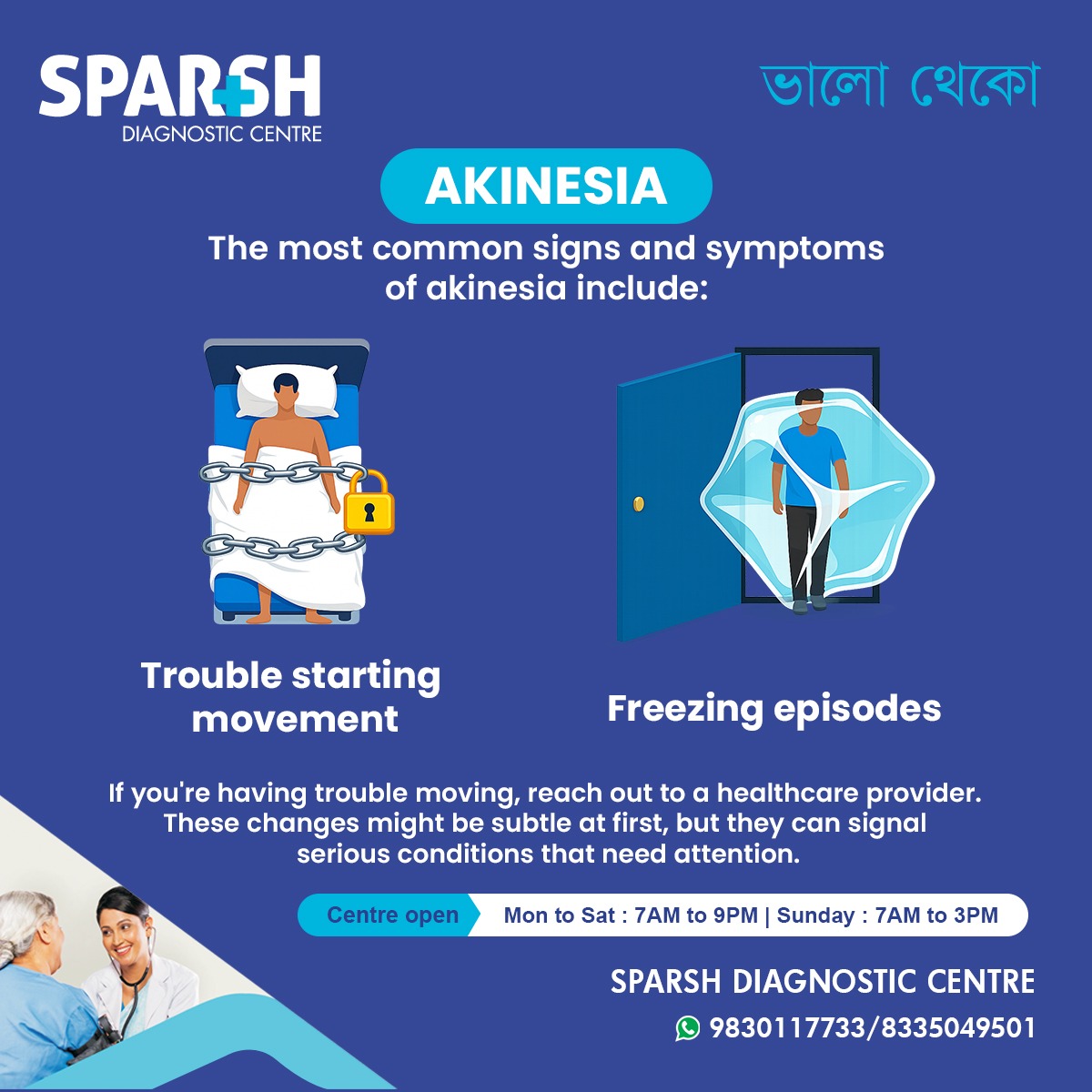
Common Symptoms of Akinesia
Symptoms can vary depending on the underlying condition and severity. Some individuals experience only mild movement hesitation, while others may have significant mobility challenges.
Trouble Starting Movement
One of the hallmark symptoms is difficulty initiating motion. A person may know they want to move but feel unable to begin the action immediately.
Examples include:
- Standing up from a chair
- Taking the first step while walking
- Reaching for objects
- Beginning to speak
Freezing Episodes
Freezing is a sudden temporary inability to move. It often happens while walking through doorways, turning corners, or entering crowded areas.
People may feel as though their feet are glued to the floor for several seconds.
Reduced Facial Expressions
Akinesia can affect facial muscles, leading to a masked or expressionless appearance. This may make a person appear uninterested or emotionally distant even when they are not.
Slower Walking
Walking may become shuffling or hesitant. Small steps, reduced arm swing, and poor balance are also common.
Stiffness and Rigidity
Muscle stiffness often accompanies akinesia, making movements feel uncomfortable and restricted.
Speech Changes
Some individuals develop softer speech, delayed responses, or difficulty starting conversations.
Fatigue
Simple physical activities may become exhausting because movement requires greater effort and concentration.
Causes of Akinesia
Akinesia is not a disease itself. Instead, it is usually a symptom of an underlying neurological or medical condition.
Parkinson’s Disease
The most common cause of akinesia is Parkinson’s Disease. Parkinson’s affects dopamine-producing brain cells responsible for controlling movement.
As dopamine levels decrease, people may develop:
- Tremors
- Stiffness
- Balance problems
- Slowed movements
- Akinesia
Parkinsonism
Parkinsonism refers to a group of conditions that share symptoms similar to Parkinson’s disease. These disorders can also cause akinesia.
Examples include:
- Multiple system atrophy
- Progressive supranuclear palsy
- Corticobasal degeneration
Medication Side Effects
Certain medications can trigger movement-related symptoms, especially drugs that affect dopamine pathways.
These may include:
- Antipsychotic medications
- Some anti-nausea drugs
- Sedatives in rare cases
Stroke
A stroke affecting movement-control areas of the brain can result in akinesia or severe movement difficulties.
Brain Injury
Traumatic brain injuries may damage motor pathways and interfere with movement initiation.
Advanced Neurological Disorders
Conditions such as dementia with Lewy bodies or severe encephalitis may also contribute to akinesia.
Fetal Akinesia
In rare cases, babies can develop fetal akinesia syndrome before birth. This occurs when the fetus shows reduced movement in the womb, potentially leading to developmental abnormalities.
How does Akinesia affect Daily Life
Living with akinesia can be frustrating and emotionally challenging. Simple activities that once felt automatic may suddenly require planning and effort.
Common challenges include:
- Difficulty dressing
- Trouble getting out of bed
- Increased fall risk
- Dependence on caregivers
- Reduced social interaction
- Anxiety in crowded places
Many people also experience embarrassment during freezing episodes in public settings. Over time, fear of movement difficulties may lead to reduced confidence and isolation.
Diagnosing Akinesia
There is no single test specifically for akinesia. Diagnosis usually involves evaluating symptoms, medical history, and neurological function.
Physical Examination
A doctor may assess:
- Walking pattern
- Balance
- Muscle tone
- Reflexes
- Movement speed
- Coordination
Neurological Assessment
Neurologists look for signs of Parkinson’s disease or other neurological disorders.
Imaging Tests
Brain imaging may help identify underlying causes.
Common tests include:
Medication Review
Doctors may review medications to determine whether symptoms are drug-related.
Blood Tests
Blood tests may rule out metabolic or systemic causes contributing to neurological symptoms.
Treatment for Akinesia
Treatment focuses on managing the underlying cause and improving movement ability.
Medications
For Parkinson’s-related akinesia, medications that increase dopamine activity are commonly prescribed.
Examples include:
- Levodopa
- Dopamine agonists
- MAO-B inhibitors
These medications can improve movement control and reduce freezing episodes in many patients.
Physical Therapy
Physical therapy plays a major role in treatment.
A therapist may help with:
- Balance training
- Walking exercises
- Stretching routines
- Posture correction
- Mobility improvement
Regular movement training can significantly improve independence.
Occupational Therapy
Occupational therapists help individuals adapt daily activities to make life easier and safer.
This may involve:
- Assistive devices
- Home modifications
- Energy conservation techniques
Speech Therapy
Speech therapy may improve voice volume, communication, and swallowing difficulties.
Deep Brain Stimulation
In some cases of advanced Parkinson’s disease, doctors may recommend deep brain stimulation (DBS).
This surgical treatment involves implanting electrodes in specific brain regions to regulate abnormal movement signals.
Lifestyle Adjustments
Daily habits can also help manage symptoms:
- Staying physically active
- Maintaining a healthy sleep routine
- Reducing stress
- Using walking cues or rhythmic music
- Avoiding cluttered spaces
Exercises That May Help Akinesia
Movement exercises can help improve flexibility, balance, and coordination.
Walking Practice
Practicing deliberate stepping patterns may reduce freezing episodes.
Helpful techniques include:
- Counting steps aloud
- Walking to music
- Using floor markers
Stretching
Gentle stretching helps reduce stiffness and improve mobility.
Focus areas often include:
- Neck
- Shoulders
- Hips
- Hamstrings
Balance Exercises
Improving balance may reduce fall risk.
Examples include:
- Heel-to-toe walking
- Standing on one leg
- Tai chi movements
Strength Training
Light resistance exercises help maintain muscle function and posture.
Always consult a healthcare provider before starting a new exercise routine.
Can Akinesia Be Prevented?
Not all cases can be prevented, especially when linked to neurodegenerative diseases. However, certain lifestyle habits may support brain and nervous system health.
Brain-Healthy Habits
Consider:
- Regular physical activity
- Balanced nutrition
- Quality sleep
- Stress management
- Mental stimulation
- Routine health checkups
Medication Awareness
People taking medications that affect dopamine pathways should discuss movement-related side effects with their doctor.
Complications of Akinesia
Without proper management, akinesia may lead to serious complications.
Falls and Injuries
Freezing episodes and balance issues increase fall risk, especially in older adults.
Reduced Independence
Daily tasks may become increasingly difficult over time.
Depression and Anxiety
Chronic movement difficulties can affect emotional wellbeing and social confidence.
Muscle Weakness
Reduced activity levels may lead to muscle loss and decreased endurance.
Swallowing Problems
In advanced neurological conditions, swallowing difficulties may develop, increasing the risk of choking or aspiration.
When Should You See a Doctor?
Seek medical attention if you notice:
- Persistent difficulty starting movement
- Frequent freezing episodes
- Unexplained stiffness
- Shuffling gait
- Tremors
- Sudden changes in balance or coordination
Early evaluation can help identify neurological conditions before symptoms worsen.
Living With Akinesia
Although akinesia can be challenging, many people continue to lead meaningful and active lives with proper treatment and support.
Helpful strategies include:
- Creating a structured daily routine
- Using mobility aids when needed
- Staying socially connected
- Joining support groups
- Working closely with healthcare professionals
Family support also plays an important role in improving confidence and emotional wellbeing.
Akinesia in Parkinson’s Disease
Akinesia is one of the most recognizable motor symptoms of Parkinson’s Disease. In Parkinson’s, the brain gradually loses dopamine-producing cells, affecting movement control.
People with Parkinson’s-related akinesia may notice:
- Morning stiffness
- Delayed movement initiation
- Difficulty turning in bed
- Freezing while walking
- Reduced blinking
- Smaller handwriting
Managing Parkinson’s disease effectively often helps reduce akinesia severity.
Emotional Impact of Akinesia
Movement disorders affect more than just physical health. Many individuals experience:
- Frustration
- Embarrassment
- Social withdrawal
- Fear of falling
- Low mood
Mental health support can be just as important as physical treatment. Counseling, support groups, and stress management techniques may improve emotional resilience.
Future Research and Advancements
Researchers continue studying better treatments for akinesia and movement disorders.
Areas of ongoing research include:
- Advanced dopamine therapies
- Gene-based treatments
- Brain stimulation technologies
- Neuroprotective medications
- AI-assisted rehabilitation tools
Early diagnosis and personalized care remain central to improving long-term outcomes.
Frequently Asked Questions (FAQ)
Is akinesia the same as paralysis?
No. In akinesia, muscles can still function, but the brain has difficulty initiating movement. Paralysis involves loss of muscle function itself.
What causes akinesia?
The most common cause is Parkinson’s Disease, but it may also result from other neurological disorders, stroke, brain injury, or medication side effects.
Can akinesia be cured?
There is no universal cure, but treatments can significantly improve symptoms and quality of life.
Is akinesia dangerous?
It can increase the risk of falls, injuries, and reduced independence if left untreated.
What is a freezing episode?
A freezing episode is a temporary inability to move, often experienced during walking or turning.
Can exercise help akinesia?
Yes. Physical therapy and regular exercise may improve mobility, flexibility, balance, and coordination.
Is akinesia a symptom of Parkinson’s disease?
Yes. Akinesia is one of the major movement-related symptoms of Parkinson’s disease.
Does stress make akinesia worse?
Stress and anxiety can worsen movement difficulties and freezing episodes in some people.
What doctor treats akinesia?
A neurologist typically diagnoses and manages akinesia and related movement disorders.
Can younger people develop akinesia?
Yes, although it is more common in older adults, younger individuals with neurological conditions may also experience akinesia.
To consult a Doctor at Sparsh Diagnostic Centre, call our helpline numbers 9830117733/ 8335049501.
#BhaloTheko
Disclaimer:
No content on this site, regardless of date, should ever be used as a substitute for direct medical advice from your doctor or other qualified clinician.