


Influenza, commonly known as the flu, is a contagious respiratory illness caused by influenza viruses. Unlike the common cold, which is often mild, influenza can lead to serious health complications, especially in children, elderly adults, and people with chronic medical conditions. Seasonal influenza outbreaks occur worldwide every year, typically peaking during winter.
The flu spreads rapidly from person to person through coughing, sneezing, or even touching contaminated surfaces. While most people recover within a week or two, influenza can sometimes cause severe illness, hospitalization, or even death. According to the World Health Organization (WHO), annual influenza epidemics are responsible for 3–5 million cases of severe illness and 290,000–650,000 deaths globally.
In this comprehensive guide, we’ll explore the causes, types, symptoms, diagnosis, treatment options, prevention strategies, and FAQs surrounding influenza.
What is Influenza?
Influenza is a viral respiratory infection that primarily affects the nose, throat, and lungs. It is caused by influenza viruses that mutate frequently, making it challenging to develop long-term immunity. Because of these mutations, the flu vaccine is updated annually to match the most common circulating strains.
Types of Influenza Viruses
There are four main types of influenza viruses:
Influenza A – Responsible for most seasonal epidemics and pandemics. It infects both humans and animals and is further divided into subtypes (e.g., H1N1, H3N2).
Influenza B – Only infects humans and causes seasonal outbreaks but not pandemics.
Influenza C – Usually causes mild respiratory illness and does not lead to epidemics.
Influenza D – Primarily affects cattle and is not known to infect humans.
The most concerning types are Influenza A and B, as they cause widespread illness every flu season.
Common Symptoms of Influenza
Influenza symptoms often appear suddenly and can be more severe than those of the common cold.
Typical Symptoms Include:
Fever, chills, or feeling feverish
Cough, sore throat, or difficulty breathing
Shortness of breath or chest discomfort
Runny or stuffy nose
Eye irritation or watery eyes
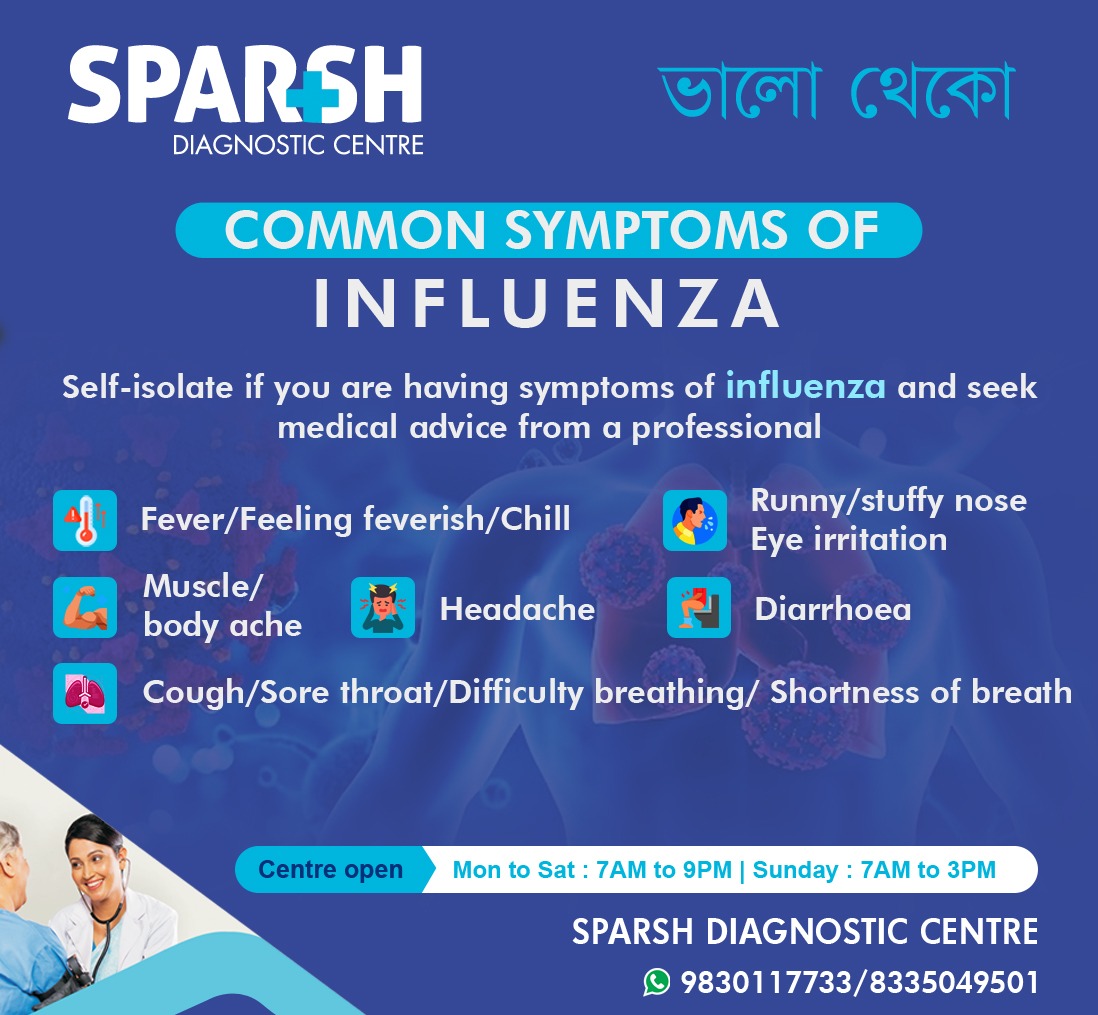
While most symptoms resolve within 7–14 days, complications may develop in vulnerable individuals.
Causes and Risk Factors
How Influenza Spreads
Airborne Transmission: Flu viruses spread through droplets when an infected person coughs, sneezes, or talks.
Surface Contact: Touching contaminated surfaces (like door handles or phones) and then touching the face can spread infection.
Close Contact: Spending time near an infected person increases the risk.
High-Risk Groups
Some people are more likely to develop complications from influenza:
Children under 5 (especially under 2 years old)
Adults over 65
Pregnant women
People with weakened immune systems
Those with chronic health conditions (asthma, diabetes, heart disease, COPD, kidney or liver disease)
Influenza vs. Common Cold vs. COVID-19
Since the flu shares symptoms with other respiratory illnesses, it’s often confused with the common cold or COVID-19.
| Feature | Influenza | Common Cold | COVID-19 |
|---|---|---|---|
| Onset of Symptoms | Sudden | Gradual | Variable |
| Fever | Common | Rare | Common |
| Fatigue | Severe | Mild | Severe |
| Muscle/Body Aches | Common | Rare | Common |
| Cough | Common, dry | Mild, hacking | Common |
| Loss of Taste/Smell | Rare | Rare | Very Common |
| Complications | Pneumonia, hospitalization | Rare | Severe pneumonia, organ failure |
Diagnosis of Influenza
Methods of Diagnosis
Doctors may diagnose influenza based on symptoms and seasonal trends. To confirm, the following tests are used:
Rapid Influenza Diagnostic Tests (RIDTs) – Detect viral antigens within 10–15 minutes.
Rapid Molecular Assays – More accurate, detect viral RNA.
RT-PCR (Reverse Transcription Polymerase Chain Reaction) – Highly sensitive and specific test.
Viral Culture – Rarely used but helpful for research and vaccine development.
Treatment of Influenza
1. Home Remedies and Self-Care
Rest and adequate sleep
Hydration with water, herbal teas, and soups
Over-the-counter pain relievers (acetaminophen, ibuprofen) for fever and body aches
Steam inhalation for nasal congestion
2. Antiviral Medications
Doctors may prescribe antivirals to shorten the duration and severity of illness, especially if taken within 48 hours of symptom onset. Common antivirals include:
Oseltamivir (Tamiflu)
Zanamivir (Relenza)
Peramivir (Rapivab)
Baloxavir Marboxil (Xofluza)
3. Hospitalization
Severe cases may require hospitalization, oxygen therapy, or intensive care, particularly for patients with pneumonia or respiratory failure.
Complications of Influenza
If left untreated, influenza can lead to serious complications, including:
Sinus infections
Ear infections
Prevention of Influenza
1. Annual Flu Vaccination
The flu vaccine is the most effective way to prevent influenza.
Recommended for everyone over 6 months old.
Updated yearly to match circulating strains.
2. Good Hygiene Practices
Wash hands frequently with soap and water.
Use alcohol-based hand sanitizers.
Avoid touching your face, nose, and mouth.
Cover mouth and nose with a tissue or elbow when sneezing/coughing.
Disinfect commonly touched surfaces (phones, doorknobs, light switches).
3. Lifestyle Measures
Stay hydrated and sleep well.
Avoid close contact with sick individuals.
4. Self-Isolation
If you have flu-like symptoms, self-isolate to prevent spreading the infection to others.
Influenza in Children
Children are more vulnerable to the flu and its complications. Symptoms may include high fever, irritability, poor feeding, ear pain, and diarrhoea. Vaccination and timely medical attention are crucial.
Influenza in Elderly Adults
Older adults are at higher risk of severe flu-related complications. They should receive annual flu vaccines and seek immediate care if symptoms worsen.
Global Burden of Influenza
Every year, 5–10% of adults and 20–30% of children are infected with influenza worldwide.
The flu causes millions of hospitalizations annually.
Economic impact includes lost productivity, healthcare costs, and social disruption.
Frequently Asked Questions (FAQs)
1. Is influenza the same as the common cold?
No. Influenza is more severe, with sudden onset of symptoms like high fever, body aches, and fatigue, while the common cold is milder and gradual.
2. How long does influenza last?
Most people recover within 7–14 days, though fatigue may linger longer.
3. Can antibiotics cure influenza?
No. Influenza is caused by a virus, so antibiotics are ineffective. They are only prescribed if bacterial complications (like pneumonia) develop.
4. Who should get the flu vaccine?
Everyone above 6 months old, especially children, elderly adults, pregnant women, and people with chronic illnesses.
5. Can you get influenza twice in one season?
Yes, since different influenza strains circulate, it’s possible to get infected by another strain.
6. How can I tell if I have influenza or COVID-19?
Both illnesses share symptoms. Only a diagnostic test can confirm whether it’s influenza or COVID-19.
7. Is influenza dangerous during pregnancy?
Yes. Pregnant women are more vulnerable to severe flu. Vaccination during pregnancy is safe and recommended.
8. Can influenza be prevented without vaccination?
Good hygiene, healthy lifestyle practices, and avoiding contact with sick people help reduce the risk, but vaccination is the most reliable prevention.
9. Is the flu vaccine 100% effective?
No, but it significantly reduces the risk of infection and severity if you do catch the flu.
10. When should I see a doctor for influenza?
Seek medical help if you experience difficulty breathing, chest pain, persistent fever, severe dehydration, or if you are in a high-risk group.
Influenza remains a major global health concern due to its ability to spread rapidly and cause serious complications. While most people recover with rest and supportive care, vaccination and preventive measures are crucial to protecting vulnerable groups.
By staying informed, practicing good hygiene, and getting vaccinated annually, you can reduce your risk of catching the flu and safeguard your health and that of your loved ones.
To consult a physician at Sparsh Diagnostic Centre, call our helpline number 9830117733.
#BhaloTheko
Disclaimer:
No content on this site, regardless of date, should ever be used as a substitute for direct medical advice from your doctor or other qualified clinician.





[…] infections (influenza, COVID-19, […]
[…] Influenza […]
[…] Influenza is a recurring public health challenge, and among its many variants, the H3N2 strain of influenza A has gained particular attention due to its tendency to cause more severe illness, higher hospitalization rates, and rapid spread. Over the years, H3N2 has been linked to significant flu outbreaks worldwide, affecting children, adults, and especially high-risk populations. […]
[…] cold, influenza, mononucleosis, HIV, and cytomegalovirus […]
[…] Influenza (flu) […]
[…] infections – Many patients develop POTS after a viral illness, such as mononucleosis, flu, or […]
[…] infections such as influenza, COVID-19, or dengue often cause widespread body […]
[…] vaccinated against influenza and […]
[…] infections caused by viruses (like influenza or RSV) and bacteria can worsen asthma symptoms or trigger new cases in susceptible individuals. […]
[…] vaccinated: Flu, pneumonia, and hepatitis vaccines are recommended before starting […]
[…] influenza continues to be one of the leading viral infections worldwide. Among the different strains of […]
[…] Occurs after an infection such as measles, mumps, or influenza. […]
[…] Seasonal Flu […]
[…] and Fatigue: Some individuals experience flu-like symptoms, including fever, chills, headache, and fatigue, before the rash […]
[…] vaccinations up to date (especially flu and pneumonia […]
[…] Flu-like symptoms. […]
[…] It is worth noting that Mononucleosis is not as contagious as a cold or the flu. […]
[…] can manifest in a wide range of symptoms, from mild flu-like symptoms to severe and life-threatening conditions. The symptoms typically begin 4-10 days after the […]
[…] challenge is that typhoid shares symptoms with many other febrile illnesses like dengue, malaria, influenza, and COVID-19. So, how do you know if your fever is a sign of typhoid or something […]
[…] Acute infections, such as the flu, the common cold, or gastrointestinal infections, can lead to a temporary loss of appetite. […]
[…] illnesses like the flu or COVID-19 can disrupt your cycle due to physical stress and changes in metabolism. Once the body […]
[…] Influenza (flu) […]
[…] which are primarily carried by rodents. The disease progresses in two stages—initial flu-like symptoms followed by sudden and severe respiratory […]
[…] especially if they are accompanied by a fever or significant pain. Common infections like the flu, pneumonia, and tuberculosis can cause cold sweats. When the body is fighting an infection, it […]
[…] disorder that mainly affects children and teenagers recovering from viral infections, such as the flu or chickenpox. It causes rapid swelling in the brain and liver, leading to severe complications if […]
[…] Respiratory Infections: Recent colds, flu, or sinus infections can increase the risk of developing Bell’s […]
[…] Influenza Virus: Occasionally, the flu virus can cause bronchiolitis. […]
[…] Flu-like Symptoms: Sore throat, swollen lymph nodes, and sensitivity to temperature extremes. […]
[…] viruses (like influenza, HIV, or hepatitis) can directly invade muscle tissues or trigger an inflammatory […]
[…] Flu-like symptoms during initial outbreak […]
[…] Flu-like symptoms: Fever, swollen lymph nodes, and body aches can occur during the first outbreak. […]
[…] flu season approaches, it’s essential to take proactive steps to protect yourself and others from […]
[…] within 2 to 4 weeks after exposure to the virus. During this time, many individuals experience flu-like symptoms, including fever, sore throat, fatigue, and swollen lymph nodes. This stage is also called acute […]
[…] culprits include influenza, the common cold, and more serious illnesses like […]
[…] Triggers: Infections like strep throat or influenza, as well as head trauma or extreme stress, may act as triggers in susceptible […]
[…] Vaccinations for hepatitis and influenza. […]
[…] against flu and pneumonia to prevent […]
[…] Commonly associated with influenza viruses, especially Influenza A and B. […]
[…] Bacterial, viral, or fungal infections are common triggers. For example, the flu virus causes an inflammatory response in the respiratory […]
[…] The Flu (Influenza) […]
[…] cause inflammation and pain in the joints. Lyme disease and viral infections (such as hepatitis or flu) can also lead to joint […]
[…] Flu-like symptoms: Fever, chills, headache, fatigue, muscle and joint aches, and swollen lymph nodes. […]
[…] Vaccinations against illnesses like pneumonia, influenza, and meningitis can reduce the risk of infections that can lead to […]
[…] Staying up-to-date on vaccines, such as the flu, shingles, and pneumonia vaccines, can protect you from preventable […]
[…] Flu-like symptoms during the initial outbreak […]
[…] and deficiency has been linked to an increased susceptibility to infections such as colds, flu, and respiratory […]
[…] clinical presentation of leptospirosis can vary widely, ranging from mild flu-like symptoms to severe, life-threatening illness. The disease can be divided into two […]
[…] inhibiting their growth. They are ineffective against viral infections, such as the common cold or flu, and using them for non-bacterial infections contributes to the problem of antibiotic resistance. […]
[…] those that cause fever, can result in sleep hyperhidrosis. These include viral illnesses like the flu, bacterial infections such as tuberculosis, and even some fungal infections. The body often […]
[…] Viruses responsible for colds and flu can lead to pneumonia. Respiratory syncytial virus (RSV) is a common cause of pneumonia in infants […]
[…] for a wide range of infectious diseases, including tetanus, polio, measles, mumps, rubella, influenza, and hepatitis B. Vaccines are highly effective in preventing these diseases and in some cases have […]
[…] Influenza Viruses: Responsible for the flu, characterized by sudden onset of high fever, body aches, and respiratory symptoms. […]
[…] form. Pneumonia often develops as a complication of another respiratory infection, such as influenza, or in individuals with weakened immune […]
[…] Viral: Pneumonia can be caused by a variety of viruses, including the influenza (influenza) virus, respiratory syncytial virus (RSV), and the novel coronavirus […]
[…] Influenza virus […]