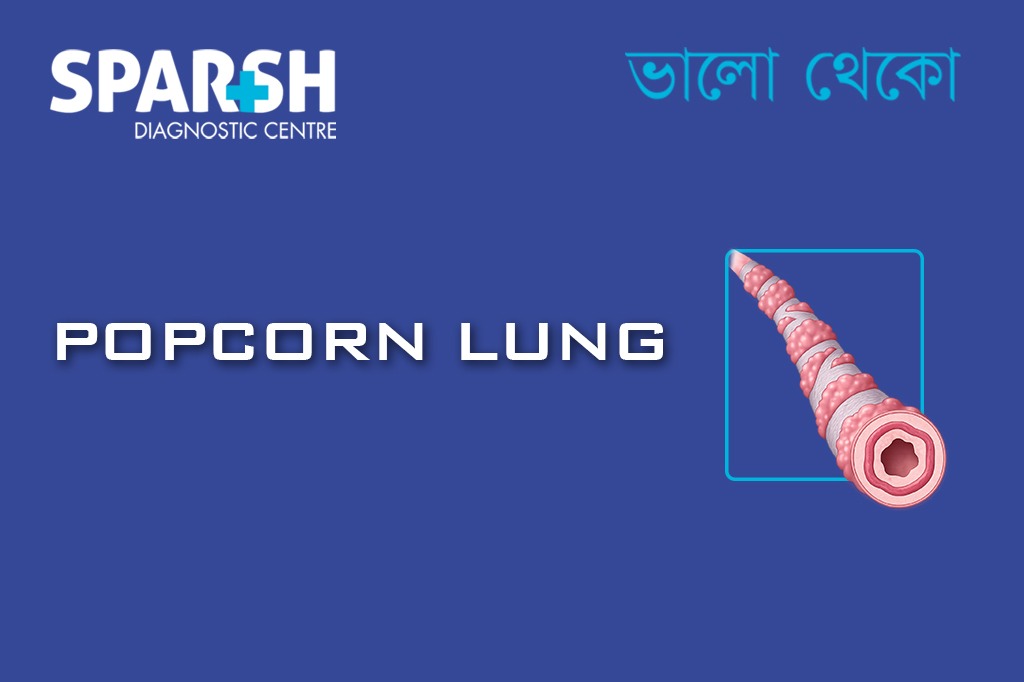
Popcorn lung is a rare but serious lung condition that affects the smallest airways, called bronchioles. Its medical name is bronchiolitis obliterans, and it occurs when inflammation and scarring narrow or block these tiny air passages, making it harder for air to move in and out of the lungs.
The unusual name comes from cases identified among workers in microwave popcorn factories who were exposed to diacetyl, a buttery flavouring chemical that can cause severe small-airway injury when inhaled at high occupational concentrations.
Today, however, “popcorn lung” is often discussed in connection with vaping. This has created considerable confusion. While vaping can expose the lungs to potentially harmful chemicals and has been associated with several forms of lung injury, it is important not to assume that every person who vapes has bronchiolitis obliterans. In fact, Cancer Research UK notes that there have been no confirmed cases of popcorn lung directly linked to e-cigarette use, while other medical sources consider vaping a potential risk because some vaping products have contained chemicals associated with small-airway injury.
So, what exactly is popcorn lung? What are its first symptoms? Can damaged lungs recover after vaping or smoking? And is vaping actually worse than smoking? Let’s look at the evidence.
What is popcorn lung?
Popcorn lung, or bronchiolitis obliterans, is a disease involving the small airways of the lungs.
These airways branch repeatedly from the larger bronchi until they become tiny bronchioles. In bronchiolitis obliterans, injury and inflammation can cause scar tissue to form around these airways. As the scarring progresses, the bronchioles become narrowed or obstructed.
This can lead to:
- Persistent cough
- Wheezing
- Shortness of breath
- Reduced exercise tolerance
- Fatigue
- Difficulty getting enough air during physical activity
Unlike asthma, the airway obstruction associated with bronchiolitis obliterans is generally relatively fixed and may not respond normally to bronchodilator medication.
Popcorn lung is not lung cancer, although it can be a serious and potentially disabling respiratory disease.
What causes popcorn lung?
Several types of injury can lead to bronchiolitis obliterans.
Exposure to chemicals
The condition was famously associated with occupational exposure to diacetyl among popcorn manufacturing workers. Other inhaled irritants, including chlorine, ammonia, nitrogen oxides and sulfur dioxide, can also injure the small airways.
People working around industrial chemicals may therefore be at increased risk if appropriate respiratory protection is not used.
Severe respiratory infections
Certain infections can damage the small airways and, in some cases, lead to bronchiolitis obliterans. Severe respiratory infections are particularly important causes of post-infectious bronchiolitis obliterans.
Autoimmune diseases
Conditions such as rheumatoid arthritis can sometimes be associated with bronchiolitis obliterans.
Organ transplantation
Bronchiolitis obliterans syndrome can develop after lung transplantation and may also occur following hematopoietic stem-cell or bone-marrow transplantation.
Vaping and e-cigarettes
This is where much of the confusion comes from.
Some e-liquids have contained diacetyl, a chemical known to cause severe lung injury when inhaled. E-cigarette aerosol can also contain ultrafine particles, heavy metals, volatile organic compounds and other potentially harmful substances.
However, the statement that “vaping causes popcorn lung” is too simplistic. There are no confirmed cases establishing that ordinary e-cigarette use directly causes bronchiolitis obliterans, according to Cancer Research UK. At the same time, vaping is not harmless, and vaping-associated lung injury can occur.
What are the signs of popcorn lung?
The symptoms of popcorn lung can develop gradually, which means they may initially be mistaken for asthma, a respiratory infection or simply being out of shape.
The most common signs include:
- Shortness of breath, particularly during exercise
- Persistent dry cough
- Wheezing
- Fatigue
- Reduced ability to exercise
- A feeling that breathing has become increasingly difficult
Cleveland Clinic notes that symptoms may initially be absent and can become more noticeable with physical activity.
What are the first signs of popcorn lung?
The earliest symptoms are usually persistent cough and breathlessness, particularly when exercising or performing activities that previously felt comfortable.
Wheezing may also occur.
There is no single symptom that proves someone has popcorn lung. These symptoms are common in many respiratory conditions, including asthma, COPD, respiratory infections and other forms of small-airway disease.
That is why persistent or worsening breathing symptoms should be evaluated rather than self-diagnosed as “popcorn lung.”
What are the first signs of lung problems?
Not every lung problem begins with dramatic symptoms. Early warning signs can include:
- A cough that doesn’t go away
- Breathlessness during normal activities
- Wheezing
- Repeated chest infections
- Unexplained reduction in exercise capacity
- Chest discomfort
- Coughing up blood
- Persistent fatigue
A cough after a cold may be temporary, but a cough or breathing problem that persists, repeatedly returns or progressively worsens deserves medical assessment.
Seek urgent medical attention for severe difficulty breathing, blue or grey lips, severe chest pain, confusion, coughing up significant amounts of blood or rapidly worsening symptoms.
Does vaping cause lung damage?
Yes, vaping can damage the lungs, although popcorn lung is only one specific type of lung disease and has not been conclusively established as a direct consequence of routine e-cigarette use.
E-cigarette aerosol is not simply water vapour. It may contain nicotine, ultrafine particles, heavy metals, volatile organic compounds and other potentially harmful substances. Some flavouring chemicals may be safe to eat but not necessarily safe to inhale.
Vaping has also been associated with EVALI, or e-cigarette or vaping product use-associated lung injury. EVALI is different from chronic bronchiolitis obliterans and can cause symptoms such as cough, shortness of breath, chest pain, fever, vomiting and diarrhoea.
Therefore, “vaping doesn’t cause popcorn lung” should not be interpreted as “vaping is safe.”
Is 100 puffs of a vape a day bad?
There is no universally safe number of vape puffs per day.
A number such as 100 puffs doesn’t tell us exactly how much nicotine or other chemicals a person has inhaled. The amount varies depending on the device, liquid concentration, puff duration, device power and how deeply someone inhales.
However, vaping 100 times every day represents regular, repeated exposure to nicotine and e-cigarette aerosol. It can also reinforce nicotine dependence.
If you are using 100 puffs a day, the most useful question isn’t whether 100 is an acceptable number. It’s whether you can gradually move toward stopping vaping altogether.
What do 2 years of vaping do to you?
There isn’t a reliable formula saying that two years of vaping produces a particular amount of lung damage.
The effects can vary considerably depending on:
- How frequently you vape
- Nicotine concentration
- Type of device
- Ingredients in the e-liquid
- Whether you also smoke cigarettes
- Individual susceptibility
- Previous respiratory disease
Two years of vaping can maintain or worsen nicotine dependence and expose the lungs to potentially harmful chemicals. Research into the long-term consequences of vaping is still developing, and scientists do not yet have a complete picture of what decades of exposure may do.
Importantly, not everyone who vapes for two years will develop visible lung disease. But the absence of symptoms doesn’t prove that vaping is harmless.
Is vaping worse than smoking?
For someone who already smokes cigarettes, the answer requires some nuance.
Smoking combustible cigarettes is generally more harmful than vaping. Cigarette combustion produces thousands of chemicals, including many toxic substances and carcinogens. Evidence reviewed by the NHS indicates that vaping exposes users to fewer toxic substances and at lower levels than smoking.
However, that doesn’t make vaping safe.
The CDC states that e-cigarettes generally contain fewer harmful chemicals than cigarette smoke but are not harmless.
The important distinction is between:
Smoking → switching completely to vaping → eventually stopping vaping
and
Smoking + vaping together
Using both cigarettes and e-cigarettes does not provide the same health benefit as completely stopping smoking. Dual use may actually increase exposure to toxins and is associated with worse respiratory outcomes.
For someone who has never smoked, starting vaping offers no health advantage.
Can lungs recover 100% from smoking?
It depends on what kind of damage has occurred.
The lungs and body begin recovering after smoking cessation, and quitting smoking at any age has substantial health benefits. Coughing and shortness of breath can decrease within months, while the risk of several serious diseases continues to fall over the following years.
However, not all smoking-related damage is necessarily reversible.
For example, established emphysema and permanent structural lung damage cannot simply be erased by quitting. Smoking cessation can nevertheless slow further deterioration and improve respiratory health.
So there isn’t a universal “100% recovery” point. Some functions can improve substantially, while permanent damage may remain.
Do lungs recover from vaping?
They can improve after stopping vaping, but complete recovery cannot be guaranteed.
If vaping has caused temporary airway irritation or inflammation, symptoms may improve after exposure stops. However, established scarring or permanent structural lung injury may not completely reverse.
Cleveland Clinic specifically notes that some lung damage may improve after quitting vaping, while lung scarring is permanent.
The earlier you stop exposure, the better the opportunity to prevent additional injury.
Can your lungs 100% recover from vaping?
There is no way to promise 100% recovery.
Some people may experience substantial improvement after stopping vaping, particularly when the problem involves irritation or inflammation rather than permanent structural damage.
But if vaping has contributed to significant scarring or another chronic lung condition, some damage may be permanent.
The key message is simple: stopping vaping is beneficial even if you have already been vaping for years.
How is popcorn lung diagnosed?
Popcorn lung cannot be diagnosed simply by looking at symptoms.
A doctor will usually begin by taking a detailed medical history, including:
- When symptoms started
- Whether they are getting worse
- Previous respiratory infections
- Smoking and vaping history
- Occupational chemical exposure
- Autoimmune disease
- History of transplantation
- Previous lung problems
Tests may include pulmonary function testing (PFT) or spirometry, chest X-ray and high-resolution CT of the chest. In selected cases, bronchoscopy or lung biopsy may be considered.
Pulmonary function testing is particularly useful because bronchiolitis obliterans can produce an obstructive pattern with reduced airflow. CT imaging may show features such as mosaic attenuation and air trapping.
Because several diseases can produce similar symptoms, diagnosis should be made by a qualified healthcare professional rather than through an online symptom checklist.
How to treat popcorn lung?
There is currently no established cure that reverses the scarring of bronchiolitis obliterans. Treatment focuses on removing the cause, controlling symptoms and preventing further deterioration.
Depending on the cause and severity, treatment may include:
Stop exposure to the trigger
If chemical exposure, smoking or vaping is contributing to lung injury, eliminating that exposure is essential.
People with occupational exposure may also need appropriate respiratory protection and workplace controls.
Medicines
Doctors may prescribe corticosteroids in selected cases to reduce inflammation. Inhaled medicines or bronchodilators may be used to help manage breathing symptoms. Treatment is individualized according to the underlying cause.
Oxygen therapy
People with significant impairment in oxygen levels may require supplemental oxygen.
Pulmonary rehabilitation
Exercise and breathing-based rehabilitation may help some people maintain physical function and manage breathlessness.
Lung transplantation
In extremely severe cases, lung transplantation may be considered.
Treatment should always be guided by a pulmonologist or other appropriately qualified clinician.
Will popcorn lung go away?
Usually, no.
The scarring associated with established bronchiolitis obliterans is generally considered permanent. Treatment may slow progression and improve symptoms, but it cannot reliably remove established scar tissue.
That is why early recognition and removal of the underlying exposure are so important.
A person with persistent breathing symptoms should not wait for them to become severe before seeking evaluation.
How to avoid popcorn lung?
Because popcorn lung has several possible causes, prevention depends on reducing exposure to known risks.
Avoid smoking and vaping
The simplest way to reduce exposure to tobacco smoke and e-cigarette aerosol is not to use these products.
Protect yourself at work
If your occupation involves chemicals or fumes that can damage the lungs, use the respiratory protection and workplace safety measures recommended for that environment.
Avoid unnecessary exposure to fumes
Good ventilation and appropriate protective equipment are important when working with irritating chemicals.
Take respiratory infections seriously
Severe respiratory infections can sometimes result in long-term small-airway damage. Follow appropriate medical advice and vaccination recommendations.
Don’t ignore persistent breathing symptoms
A cough that continues for weeks, unexplained breathlessness or persistent wheezing should be evaluated rather than repeatedly treated at home.
Popcorn lung vs vaping-related lung injury
These terms are often used interchangeably online, but they aren’t identical.
Popcorn lung refers specifically to bronchiolitis obliterans, a chronic small-airway disease involving inflammation and scarring.
EVALI refers to e-cigarette or vaping product use-associated lung injury, an umbrella term describing an acute or subacute lung injury associated with vaping. Symptoms can include respiratory and gastrointestinal problems and may become severe.
A person who develops breathing problems after vaping should therefore not assume that they have popcorn lung. A proper medical evaluation is necessary to determine the cause.
Frequently asked questions about popcorn lung
What are the signs of popcorn lungs?
The common signs include persistent dry cough, shortness of breath, wheezing and fatigue. Breathlessness may become particularly noticeable during exercise.
What are the first signs of popcorn lungs?
A persistent cough and increasing breathlessness, particularly during physical activity, can be early symptoms. However, these symptoms are not specific to popcorn lung and can occur with asthma, infections and other respiratory diseases.
Does vaping cause lung damage?
Yes. Vaping exposes the lungs to potentially harmful chemicals and particles and has been associated with lung injury. However, it is inaccurate to say that every person who vapes will develop popcorn lung.
Do lungs recover from vaping?
Some vaping-related irritation or inflammation may improve after stopping. Permanent scarring or structural damage may not fully reverse.
Will popcorn lung go away?
Established bronchiolitis obliterans generally does not go away because the resulting scar tissue is permanent. Treatment focuses on managing symptoms and preventing further damage.
How do you treat popcorn lung?
Treatment depends on the cause and severity. It can involve avoiding the trigger, corticosteroids in selected cases, inhaled medicines, oxygen therapy, pulmonary rehabilitation and, in very severe cases, lung transplantation.
Is 100 puffs of a vape a day bad?
There is no established safe puff count. One hundred puffs represents repeated exposure to nicotine and e-cigarette aerosol, and the actual exposure varies by device and liquid. Reducing and ultimately stopping vaping is the safest approach.
Is vaping worse than smoking?
Smoking combustible cigarettes is generally more harmful because combustion produces many toxic and carcinogenic chemicals. Vaping is not harmless, however. For smokers who switch completely, vaping may reduce exposure to some toxic substances compared with continuing to smoke, but the healthiest option is to eventually stop both.
Can lungs recover 100% from smoking?
Not necessarily. Quitting smoking allows the body and lungs to recover in many ways and substantially reduces future health risks, but established structural damage such as emphysema may be permanent.
What do 2 years of vaping do to you?
There is no fixed outcome after two years. Effects depend on the product, frequency, nicotine exposure, other tobacco use and individual factors. Vaping can reinforce nicotine dependence and expose the lungs to potentially harmful substances, while the long-term effects remain under study.
Can your lungs 100% recover from vaping?
Not always. Some irritation and inflammation may improve after stopping, but permanent lung injury or scarring may not completely reverse.
How can you avoid popcorn lung?
Avoid smoking and vaping, minimize exposure to harmful workplace chemicals, use appropriate respiratory protection and seek medical attention for persistent cough, wheezing or breathlessness.
The bottom line
Popcorn lung is a rare but potentially serious disease of the small airways. It is caused by injury and scarring of the bronchioles and can lead to persistent cough, wheezing and breathlessness.
The relationship between vaping and popcorn lung is more complicated than many internet headlines suggest. There are no confirmed cases directly linking e-cigarettes to popcorn lung, but vaping can expose the lungs to harmful substances and is associated with other forms of lung injury.
If you smoke, quitting is one of the most important things you can do for your lung health. If you vape, stopping reduces ongoing exposure to potentially harmful substances. And if you have persistent cough, wheezing, breathlessness or reduced exercise tolerance, don’t assume that it is simply “popcorn lung” or a minor respiratory problem. A proper clinical evaluation and, when appropriate, lung function testing and imaging can help identify the actual cause.
For people experiencing ongoing respiratory symptoms, timely assessment can make an important difference in identifying treatable causes and preventing avoidable lung damage.
To consult a Doctor or get full body check-up done at Sparsh Diagnostic Centre, call our helpline numbers 9830117733/ 8335049501.
#BhaloTheko
Medically reviewed by: Dr. Soumyajit Das, MD (Pulmonary Medicine/Respiratory Medicine)
Speciality: Consultant Pulmonologist
Reviewed on: 29 August 2026
This article has been medically reviewed by Dr. Soumyajit Das, a qualified pulmonologist, for medical accuracy, clinical relevance and clarity. The information has been reviewed to ensure that it provides reliable and easy-to-understand information about popcorn lung (bronchiolitis obliterans), including its causes, symptoms, diagnosis, treatment, prevention and relationship with vaping.
About the medical reviewer:
Dr. Soumyajit Das is a pulmonologist with an MD in Pulmonary Medicine (Respiratory Medicine). His areas of expertise include asthma and allergic lung diseases, COPD and bronchitis, lung infections and bronchiectasis, tuberculosis, lung cancer, sleep medicine, pulmonary function testing and various respiratory interventions. He also has experience in critical care and procedures such as bronchoscopy, intercostal chest drainage, pleurocentesis and pleurodesis.
Disclaimer:
No content on this site, regardless of date, should ever be used as a substitute for direct medical advice from your doctor or other qualified clinician.