Lichen planus is an inflammatory skin condition that can be frustrating because it may look different from one person to another and can sometimes last for months or even years. It can affect the skin, mouth, scalp, nails and genital areas. On the skin, it commonly appears as itchy, flat-topped pink, purple or reddish-brown bumps. Inside the mouth, it may look like fine white, lace-like lines or painful erosions.
The good news is that lichen planus is not contagious, and ordinary skin lichen planus often settles on its own. However, some forms, particularly oral, genital, nail and scalp lichen planus, can be persistent and need regular medical care.
This guide explains what causes lichen planus, what can trigger it, the most effective treatments, whether it can become cancerous, what foods and vitamins may help, and how long recovery usually takes.
What is lichen planus?
It is an inflammatory condition in which immune cells, particularly T cells, attack cells in the skin or mucous membranes. The exact reason this immune response begins is still unknown. It is therefore not accurate to say that one particular food, infection or lifestyle habit causes lichen planus.
It can affect:
- Skin
- Inside the cheeks, tongue and gums
- Genitals
- Scalp and hair follicles
- Fingernails and toenails
- Less commonly, other areas such as the oesophagus or ear canal
There are several forms. Cutaneous lichen planus is the common skin form, while oral lichen planus affects the mouth. Other variants include erosive, bullous, hypertrophic, reticular, atrophic, genital, nail and lichen planopilaris forms.
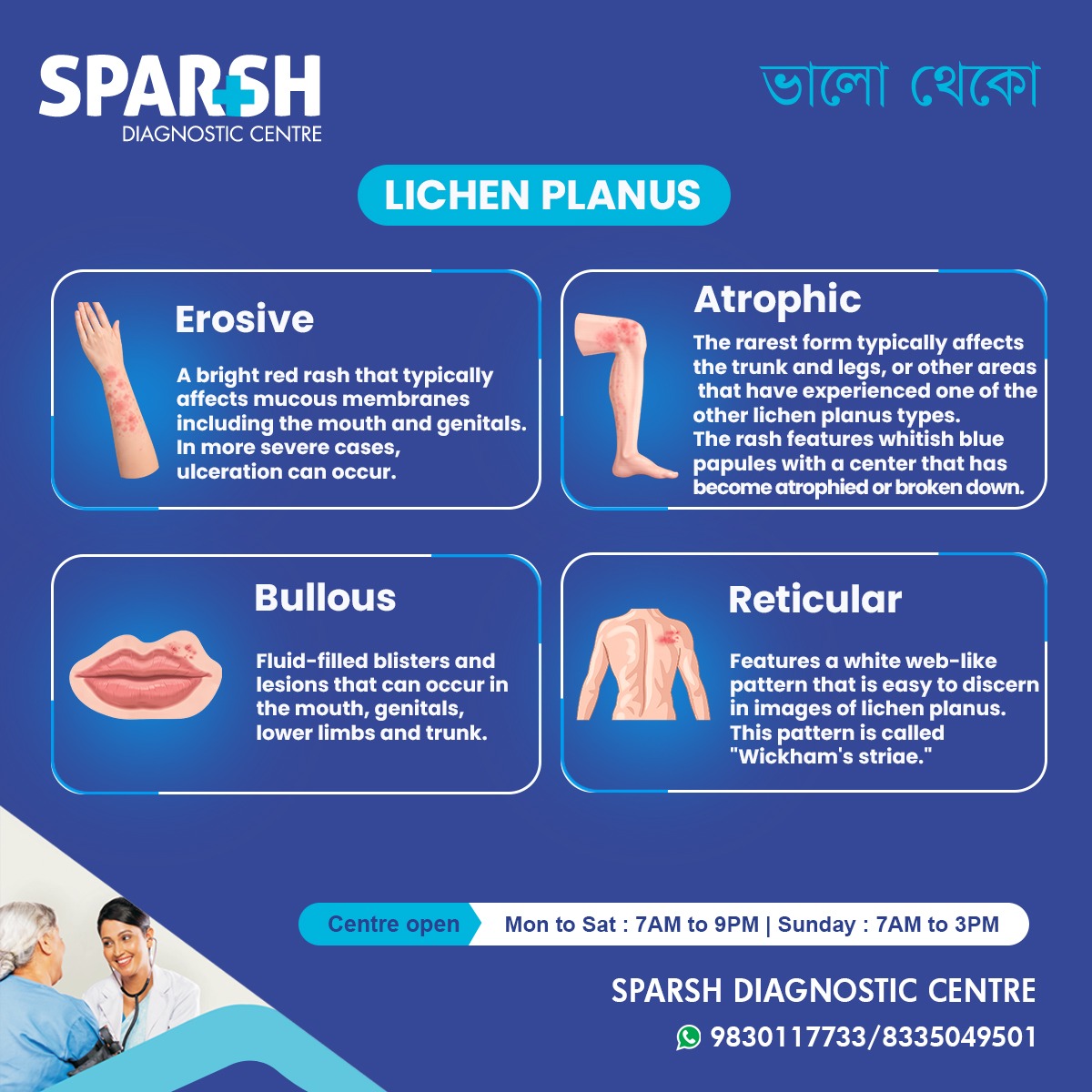
The infographic accompanying this article highlights four recognizable patterns: erosive, atrophic, bullous and reticular lichen planus.
What is the main cause of lichen planus?
The main cause of lichen planus is an abnormal immune response, but doctors do not yet know exactly what starts that response. The immune system appears to attack cells in the skin or mucous membranes, producing inflammation and the characteristic rash or lesions.
Several factors may be associated with lichen planus, including genetic susceptibility, certain infections, medications, physical injury to the skin, contact allergies and psychological stress.
Hepatitis C has been associated with lichen planus in some populations. This does not mean that everyone with lichen planus has hepatitis C, but a doctor may consider testing when appropriate.
What triggers lichen planus?
Lichen planus can sometimes flare after exposure to a trigger, although a trigger is not identified in every person.
Potential triggers include:
- Certain medications
- Hepatitis C and some other infections
- Stress and anxiety
- Scratching or physical injury to the skin
- Allergic reactions to dental materials or metals
- Certain chemicals or pigments
- Occasionally, vaccines or other immune-stimulating events
When lesions appear at sites of scratching or injury, this is known as the Koebner phenomenon. Avoiding unnecessary trauma to affected skin can therefore be helpful.
Stress does not necessarily cause lichen planus, but it may worsen symptoms or contribute to flare-ups in some people.
What are the symptoms of lichen planus?
The symptoms depend on which part of the body is affected.
Skin lichen planus
Typical skin lesions are:
- Flat-topped bumps
- Purple, reddish or brown coloration
- Itching
- Fine white lines called Wickham’s striae
- Lesions commonly appearing on the wrists, ankles and lower back
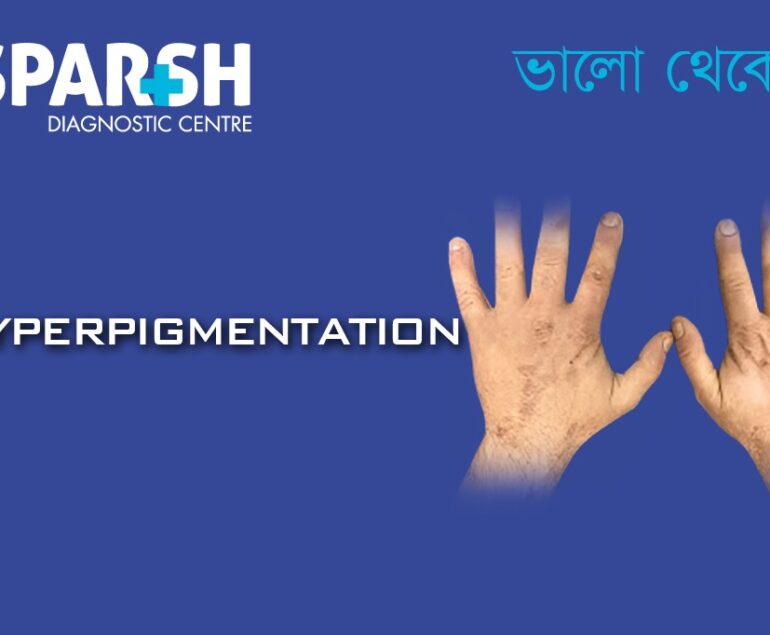
After the inflammation settles, darker patches may remain. This is particularly noticeable in people with darker skin tones.
Oral lichen planus
Inside the mouth, lichen planus may cause:
- White, web-like lines
- White patches
- Burning or soreness
- Red, inflamed areas
- Painful erosions or ulcers
- Gum irritation
Spicy, salty or acidic foods may become uncomfortable when erosive oral lichen planus is present.
Nail and scalp involvement
Lichen planus affecting the nails can cause grooves, thinning, splitting or permanent nail damage. Lichen planopilaris affects hair follicles and can cause scarring hair loss, which may become permanent.
How is lichen planus diagnosed?
A dermatologist can often recognize lichen planus from its appearance and distribution. However, a skin biopsy may be recommended if the diagnosis is uncertain or another condition needs to be ruled out. Blood tests may also be performed when an associated condition such as hepatitis C is suspected.
Oral lesions that are persistent, unusual or changing may also require examination by a dentist, oral medicine specialist, dermatologist or other appropriate clinician.
What is the best treatment for lichen planus?
There is no single treatment that works best for everyone. The right approach depends on the location, severity and type of lichen planus.
For ordinary skin lichen planus, potent topical corticosteroids are generally a first-line treatment when treatment is required. They reduce inflammation, itching and discomfort.
Other treatments may include:
- Topical corticosteroids
- Tacrolimus or pimecrolimus
- Steroid injections
- Oral corticosteroids for severe or widespread disease
- Narrowband UVB phototherapy
- Acitretin
- Methotrexate
- Mycophenolate mofetil
- Azathioprine
- Hydroxychloroquine
These medicines are prescription treatments and may require monitoring for side effects.
For oral lichen planus, topical corticosteroid gels, ointments or mouth preparations are commonly used. More severe disease may require systemic medicines under specialist supervision.
What is the most effective treatment for lichen planus?
For many people with symptomatic skin lichen planus, a prescription potent topical corticosteroid is among the most effective initial treatments. However, severe, widespread, oral, genital, nail or scalp disease may require a different strategy.
Treatment should be individualized rather than chosen based on an online recommendation.
What is the newest treatment for lichen planus?
One of the more interesting areas of current research is the use of Janus kinase (JAK) inhibitors, including medicines such as tofacitinib, upadacitinib, baricitinib and topical ruxolitinib.
A 2026 systematic review found promising responses in several difficult-to-treat forms of lichen planus. However, the evidence is still dominated by case reports, case series and relatively limited controlled studies, meaning the certainty of evidence remains low.
Therefore, JAK inhibitors should currently be regarded as emerging or specialist treatments rather than routine first-line therapy for lichen planus. They also carry important safety considerations and should only be considered by an appropriate specialist.
How can you stop lichen planus from spreading?
Lichen planus is not an infection and does not spread from person to person. When people say that their lichen planus is “spreading,” they usually mean that new lesions are appearing on different parts of their own body.
To reduce new lesions and flare-ups:
- Avoid scratching or repeatedly rubbing the affected skin.
- Treat active inflammation as advised by your doctor.
- Use moisturizers regularly.
- Avoid harsh soaps and irritating skincare products.
- Identify and address medication-related triggers when appropriate.
- Manage stress and get adequate sleep.
- Follow treatment consistently instead of stopping prescription medicines prematurely.
Because skin injury can trigger new lesions through the Koebner phenomenon, protecting the skin is particularly important.
How to remove lichen planus naturally?
There is no proven natural treatment that permanently removes lichen planus.
Some supportive measures can make symptoms easier to manage. These include using gentle moisturizers, avoiding harsh soaps, taking lukewarm rather than very hot baths, using cool compresses for itching and avoiding scratching.
Stress-reduction techniques such as meditation, breathing exercises, yoga or regular gentle physical activity may also be useful for overall wellbeing.
Natural products should not automatically be considered safe. Essential oils, herbal preparations and supplements can irritate already inflamed skin or interact with medicines. Talk with a healthcare professional before applying alternative products to oral or genital lesions.
What food should you avoid if you have lichen planus?
There is no scientifically established lichen planus diet that cures the condition.
If you have oral lichen planus, however, certain foods can make painful lesions feel worse. The NHS recommends avoiding foods such as spicy, salty or acidic foods and alcohol when they irritate the mouth.
You may therefore find it helpful to reduce:
- Very spicy curries
- Pickles
- Citrus fruits if they sting
- Highly acidic drinks
- Very salty foods
- Alcohol
- Foods that are extremely hot in temperature
The important point is that these foods do not necessarily cause lichen planus. They may simply aggravate already sensitive oral tissue.
Can I eat eggs if I have lichen planus?
Yes, most people with lichen planus can eat eggs. There is no general recommendation to eliminate eggs from the diet because of lichen planus.
If you notice that a particular food consistently causes symptoms, discuss it with your doctor rather than eliminating major food groups unnecessarily.
A balanced diet containing adequate protein, vegetables, fruit, whole grains and healthy fats is generally more useful than following a restrictive “lichen planus diet.”
What vitamins help lichen planus?
No vitamin has been proven to cure lichen planus.
Vitamin D has received particular research attention. Studies have found that people with oral lichen planus may have lower vitamin D levels than controls, and some small studies suggest supplementation may have a supportive role. However, this does not establish vitamin D as a replacement for standard treatment.
Iron, folate and vitamin B12 deficiencies have also been reported more frequently in some groups of people with oral lichen planus. This may be especially relevant when mouth pain makes eating difficult.
The sensible approach is to test for a deficiency when clinically appropriate and correct it rather than taking high-dose supplements without a demonstrated need.
Is B12 good for lichen planus?
Vitamin B12 is important for normal blood and nerve function, and some studies have found an association between B12 deficiency and oral lichen planus.
However, B12 is not an established cure for lichen planus. If blood tests show B12 deficiency, correcting that deficiency is appropriate and may improve overall health, but it should not replace dermatological or oral treatment.
Does lichen planus go away permanently?
Sometimes it does, but not always.
Skin lichen planus frequently settles by itself. The NHS states that skin disease usually improves in approximately 9 to 18 months, although individual cases can take longer.
The British Association of Dermatologists notes that most patients eventually heal and do not experience another episode, but some people have recurrent episodes separated by months or years. Lichen planus affecting the scalp, nails, mouth or genitals can persist for many years.
Oral lichen planus in particular can behave as a chronic condition and may require long-term follow-up.
How many days does it take to cure lichen planus?
Lichen planus generally cannot be cured within a fixed number of days.
Some people notice improvement within weeks of starting appropriate treatment, but the underlying condition can take months to settle. Skin lichen planus commonly improves over approximately 9–18 months, according to NHS guidance.
Even after the active rash disappears, dark marks may remain for considerably longer. These marks do not necessarily mean that the disease is still active.
Can lichen planus be cancerous?
Lichen planus itself is not cancer, and most people with lichen planus will never develop cancer.
There is, however, a small increased risk of squamous cell carcinoma in certain persistent forms, particularly severe oral or erosive mucosal lichen planus and some long-standing hypertrophic skin disease.
Research on oral lichen planus has estimated a low malignant transformation risk, with systematic reviews reporting rates around 1% or slightly higher depending on diagnostic criteria and study design. Risk appears higher with factors such as erosive or atrophic lesions, tongue involvement, tobacco and alcohol use.
This is why persistent oral or genital lesions should not simply be ignored. Regular examination allows suspicious changes to be identified early.
Seek medical attention if an existing lesion develops a persistent ulcer, lump, bleeding, increasing pain, unusual thickening or a noticeable change in appearance.
What drugs should be avoided in lichen planus?
There is no universal list of medicines that every person with lichen planus must avoid. However, lichenoid drug eruptions can resemble lichen planus and may be associated with a wide range of medicines.
Reported triggers include some:
- ACE inhibitors and beta-blockers
- Diuretics such as hydrochlorothiazide
- NSAIDs
- Anticonvulsants such as carbamazepine and phenytoin
- Antimalarial drugs
- Certain antibiotics and antifungals
- Some diabetes medicines
- Gold-containing medicines
- Allopurinol
- Some other cardiovascular and immune-modifying medicines
Do not stop a prescribed medicine on your own. If your rash began after starting a new drug, your doctor can review the timing and determine whether a medication-related lichenoid eruption is possible.
Can you live a normal life with lichen planus?
Absolutely. Most people with lichen planus can live a normal and active life.
The condition may be uncomfortable or frustrating, particularly when itching, mouth pain, genital symptoms, hair loss or nail changes are involved. But it is not contagious, and ordinary skin lichen planus often resolves over time.
The key is to manage symptoms, follow treatment when necessary and attend follow-up appointments for persistent oral, genital, scalp or nail disease.
When should you see a doctor?
See a dermatologist or appropriate healthcare professional if you develop an unexplained persistent rash, painful mouth lesions, genital sores, unexplained hair loss or changes in your nails.
You should seek particular attention for persistent oral lesions, especially if they ulcerate, bleed, become thicker or change noticeably. Regular monitoring is important because of the small cancer risk associated with some forms of oral and mucosal lichen planus.
Frequently Asked Questions About Lichen Planus
Is lichen planus contagious?
No. Lichen planus is not contagious and cannot be passed through normal skin contact or sexual contact.
Is lichen planus an autoimmune disease?
Lichen planus involves an abnormal immune response in which T cells attack cells in the skin and mucous membranes. It is often described as immune-mediated; terminology around whether it should strictly be classified as an autoimmune disease varies between medical sources.
Can stress cause lichen planus?
Stress is considered a possible trigger or aggravating factor, but it is not considered the sole cause. The underlying condition involves an abnormal immune response.
Can lichen planus turn into cancer?
Most cases do not. However, persistent oral, genital or severe mucosal disease carries a small risk of squamous cell carcinoma, which is why long-term monitoring can be important.
Can lichen planus be cured permanently?
There is currently no universal cure. Many cases of skin lichen planus resolve completely, while some forms can recur or remain active for years.
Is there a special diet for lichen planus?
No specific diet has been proven to cure lichen planus. If you have oral disease, avoiding foods that cause burning or irritation can make eating more comfortable.
Is vitamin B12 a treatment for lichen planus?
B12 can be important if you have a confirmed deficiency, but it is not an established standalone treatment for lichen planus.
What is the first-line treatment for lichen planus?
For symptomatic skin disease, potent topical corticosteroids are commonly used as first-line treatment. More severe or widespread disease may require systemic medicines or phototherapy.
Final thoughts
Lichen planus can look alarming, especially when it affects the mouth, genitals, scalp or nails, but it is a manageable condition and is not contagious. The exact cause remains uncertain, although immune-system activity appears to play a central role.
For skin disease, potent topical corticosteroids are commonly the starting point when treatment is needed. Persistent or severe disease may require phototherapy or systemic medicines such as corticosteroids, acitretin, methotrexate or other immune-modifying treatments. Newer therapies such as JAK inhibitors are being investigated, but the evidence is still developing.
There is no proven natural cure, vitamin cure or specific food that eliminates lichen planus. Instead, focus on appropriate medical treatment, gentle skin and oral care, avoiding known triggers and correcting nutritional deficiencies when they are actually present.
Most importantly, persistent oral or mucosal lichen planus deserves appropriate follow-up because, although the risk is low, certain forms have a small association with squamous cell carcinoma.
Medical disclaimer: This article is intended for general health education and should not replace examination or treatment by a qualified healthcare professional. Treatment decisions, particularly for oral, genital, scalp and nail lichen planus, should be made with an appropriate clinician.
To consult a Doctor or get full body check-up done at Sparsh Diagnostic Centre, call our helpline numbers 9830117733/ 8335049501.
#BhaloTheko
Disclaimer:
No content on this site, regardless of date, should ever be used as a substitute for direct medical advice from your doctor or other qualified clinician.

Sources for further reading: Mayo Clinic – Lichen Planus · DermNet – Lichen Planus · Cleveland Clinic – Lichen Planus · NHS – Lichen Planus · British Association of Dermatologists – Lichen Planus