A child having an occasional tantrum is normal. Children can become frustrated when they are told “no,” asked to stop playing, or faced with a sudden change in plans. But what happens when severe temper outbursts happen again and again, the child’s mood remains irritable most of the day, and these reactions begin affecting home life, school, friendships and everyday activities?
This is where Disruptive Mood Dysregulation Disorder (DMDD) may need to be considered.
DMDD is a childhood mood disorder characterised by persistent irritability, frequent severe temper outbursts and difficulty regulating emotions. It is more than simply being “difficult,” stubborn or badly behaved. The symptoms are significant enough to interfere with a child’s daily functioning and relationships.
The condition can be challenging for both children and their families, but it is treatable. Understanding what DMDD looks like—and knowing when to seek professional help—can make a meaningful difference.
What is disruptive mood dysregulation disorder?
Disruptive Mood Dysregulation Disorder is a mental health condition in children and adolescents involving chronic irritability, frequent intense temper outbursts and difficulty managing strong emotions.
DMDD was introduced as a formal diagnosis in the Diagnostic and Statistical Manual of Mental Disorders (DSM-5) in 2013. The diagnosis was partly intended to distinguish children with persistent irritability and severe outbursts from children with bipolar disorder.
Children with DMDD may seem angry, frustrated or irritable even between episodes of explosive behaviour. Their reactions are generally much stronger than would be expected for the situation.
For example, being asked to put away a favourite toy might make many children unhappy. A child with DMDD, however, may respond with prolonged screaming, threats, hitting or another extreme reaction.
According to the National Institute of Mental Health (NIMH), severe outbursts typically occur at least three times a week, symptoms persist for at least 12 months, and irritability affects the child across more than one setting, such as home and school. Diagnosis is generally made between ages 6 and 10, with symptoms beginning before age 10.
What does disruptive mood dysregulation disorder look like?
DMDD can look different from one child to another, but some patterns are particularly common.
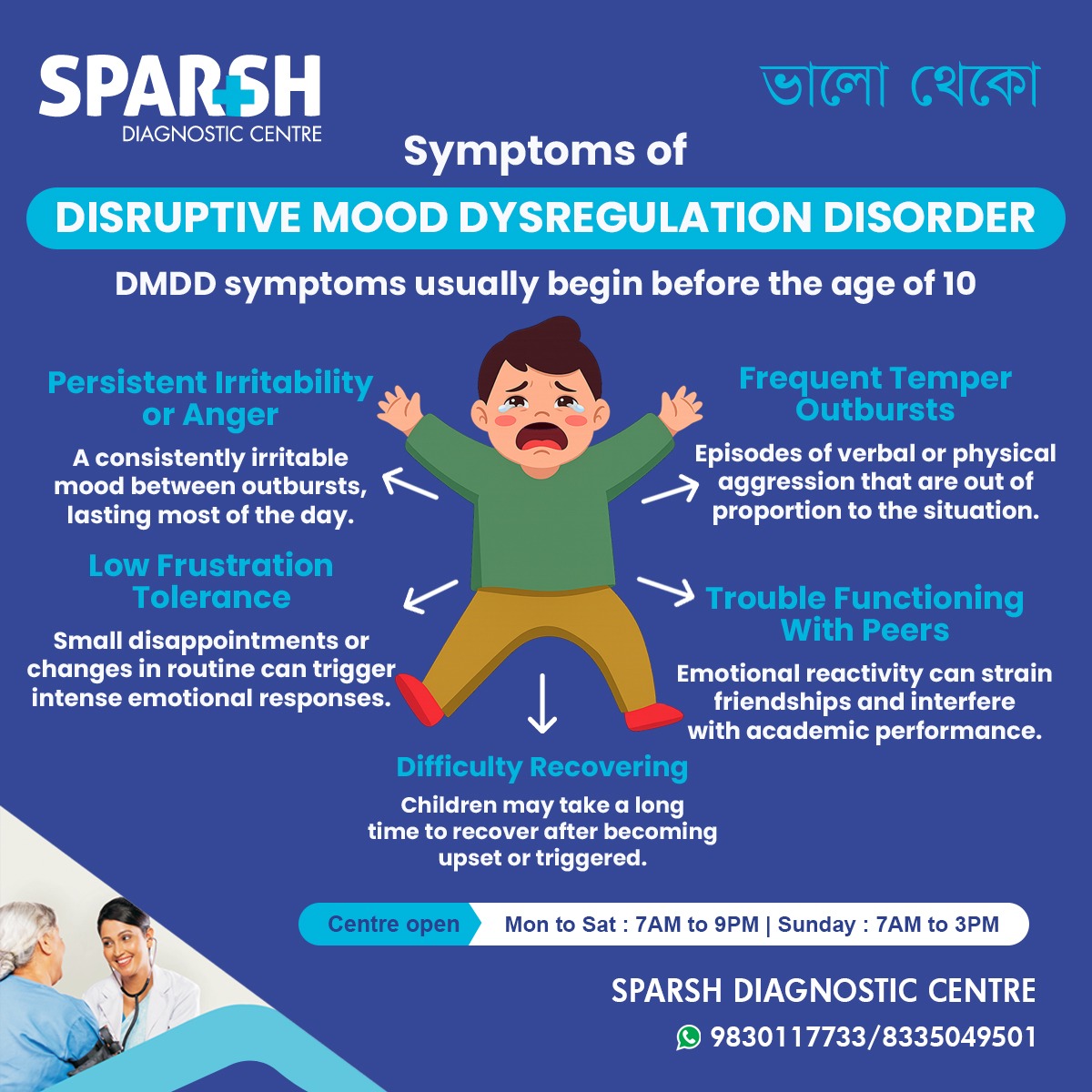
The creative accompanying this article highlights several important symptoms:
Persistent irritability or anger
A child may appear consistently angry, frustrated or irritable between temper outbursts. The irritability can last for much of the day rather than appearing only during isolated incidents.
Frequent temper outbursts
Severe verbal or behavioural outbursts may happen several times a week. These can involve screaming, crying, arguing, threatening behaviour or physical aggression.
The reaction is usually out of proportion to the situation.
Low frustration tolerance
Small disappointments can trigger very strong emotional reactions. A change in routine, losing a game, being asked to wait or hearing “no” may become a major emotional trigger.
Difficulty recovering after becoming upset
One important feature is that the child may take considerable time to calm down after an emotional episode. The problem isn’t necessarily just the intensity of the initial reaction; it can also be the difficulty returning to an emotional baseline.
Problems with peers
Persistent irritability and unpredictable reactions can make friendships difficult. Children may struggle to participate in group activities, maintain friendships or respond appropriately to disagreements.
Difficulties at school
Emotional outbursts can interfere with classroom participation, concentration, relationships with teachers and academic performance.
The accompanying Sparsh Diagnostic Centre creative summarises these features, noting that DMDD symptoms usually begin before age 10 and may affect relationships and academic functioning.
Importantly, not every angry or frequently frustrated child has DMDD. A proper assessment is necessary because similar symptoms can occur with ADHD, anxiety disorders, oppositional defiant disorder, depression and other conditions.
What causes DMDD?
There isn’t one known cause of DMDD.
Researchers believe that a combination of biological, psychological, developmental and environmental factors may contribute. NIMH notes that the exact causes remain unclear and that research continues to examine biological, social and environmental influences.
A child may also have another condition alongside DMDD. For example, ADHD or anxiety can occur together with severe irritability and emotional dysregulation.
This is one reason why simply focusing on the child’s tantrums isn’t enough. A comprehensive assessment should consider the child’s development, behaviour, emotions, family environment, school functioning and other possible mental health conditions.
Does DMDD go away with age?
DMDD symptoms can change as a child grows, but it is not safe to assume that a child will simply outgrow the condition without support.
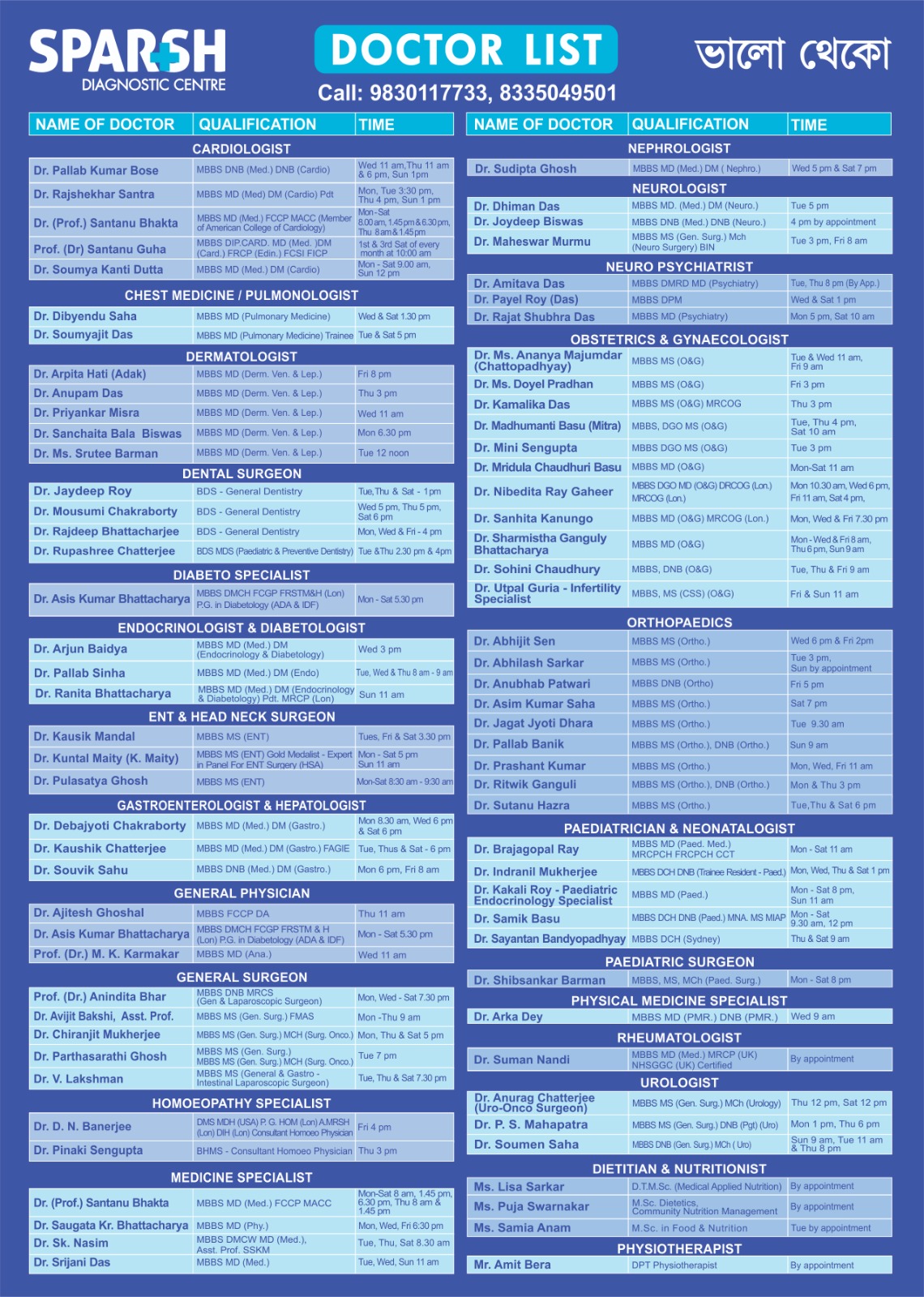
Some children may experience fewer severe temper outbursts as they get older. However, irritability can continue or evolve into other emotional difficulties.
NIMH notes that adolescents and young adults who previously experienced DMDD may have fewer tantrums but may develop symptoms of anxiety or depression instead.
AACAP similarly notes that children diagnosed with DMDD generally do not go on to develop bipolar disorder in adulthood and may instead have an increased risk of depression or anxiety.
So, can kids grow out of DMDD? Some improve considerably with development and treatment, but parents should not rely on age alone to resolve the problem. Early assessment and appropriate treatment can help children develop healthier ways to manage frustration and emotions.
Is DMDD a form of bipolar disorder?
No. DMDD is not a form of bipolar disorder.
The two conditions can sometimes look similar because both can involve irritability and changes in behaviour. However, their patterns are different.
DMDD involves persistent irritability and frequent severe temper outbursts.
Bipolar disorder, on the other hand, involves distinct mood episodes, including mania or hypomania and depression. During mania, there can be major changes in mood, energy, activity, sleep, thinking and behaviour.
Historically, some children with chronic irritability and severe outbursts were diagnosed with childhood bipolar disorder. DMDD was introduced partly to provide a more specific diagnosis for children whose symptoms did not fit the episodic pattern of bipolar disorder.
That distinction matters because treatment and long-term expectations can differ.
Is DMDD a form of autism?
No. DMDD is not autism.
Autism spectrum disorder (ASD) is a neurodevelopmental condition involving differences in social communication and interaction, along with restricted interests and/or repetitive behaviours.
A child with autism may also experience frustration, meltdowns or emotional dysregulation. However, these behaviours do not automatically mean the child has DMDD.
Similarly, having DMDD does not mean a child is autistic.
Some children can have both autism and significant emotional or behavioural difficulties, which is why a thorough assessment is important when symptoms overlap.
What is the best treatment for DMDD?
There is no single treatment that is best for every child with DMDD. Treatment should be tailored to the child’s symptoms, age, development, family circumstances and any coexisting conditions.
Cognitive behavioural therapy
Cognitive behavioural therapy (CBT) is an important treatment approach. It can help children understand the connection between thoughts, emotions and behaviour.
For children with severe irritability, therapy may focus on:
- Recognising early signs of anger
- Identifying emotional triggers
- Learning coping strategies
- Improving frustration tolerance
- Developing problem-solving skills
- Practising healthier responses to disappointment
NIMH specifically identifies CBT as a treatment approach that can help children manage anger and disruptive behaviour.
Parent training
Treatment isn’t only about changing the child’s behaviour.
Parents and caregivers can learn strategies for responding consistently to difficult behaviour, anticipating triggers and reinforcing positive behaviour. Predictability and consistency are particularly important.
School support
A child may also benefit from collaboration between parents, teachers, counsellors and mental health professionals.
Identifying triggers at school, creating predictable routines and having an appropriate plan for emotional escalation can help reduce disruption.
Medication
There is currently no medication specifically approved by the U.S. FDA for treating DMDD itself. However, doctors may sometimes use medications to target particular symptoms or coexisting conditions. These can include stimulants, antidepressants or certain atypical antipsychotic medicines, depending on the child’s clinical situation.
Medication decisions should always be made by a qualified healthcare professional after an appropriate evaluation.
How to discipline a child with DMDD
Disciplining a child with DMDD requires a slightly different approach from simply imposing harsher consequences.
The goal isn’t to excuse inappropriate behaviour. It is to teach the child how to regulate emotions while maintaining clear boundaries.
1. Keep rules simple and predictable
Children with emotional regulation difficulties often respond better when expectations are clear.
Instead of having a long list of rules, focus on a few important ones such as:
- No hitting.
- No threatening others.
- Speak respectfully.
- Follow agreed routines.
2. Avoid lengthy arguments during an outburst
When a child is extremely angry, reasoning may not work well.
Keep your voice calm and your message brief. Save discussions about consequences for after the child has calmed down.
3. Don’t reward the outburst
If every tantrum results in getting the desired toy, screen time or activity, the behaviour can unintentionally be reinforced.
At the same time, avoid turning every incident into a battle.
4. Praise positive behaviour
Notice and acknowledge moments when the child manages frustration appropriately.
For example:
“I know you were disappointed, but you told me you were angry instead of hitting. That was a good choice.”
Positive reinforcement can help children learn which behaviours work better.
5. Look for triggers
Keep track of situations that commonly precede outbursts. Hunger, fatigue, transitions, unexpected changes, homework or social difficulties may contribute.
Parent training can help caregivers anticipate situations that trigger outbursts and respond more effectively.
What happens if DMDD is left untreated?
Untreated DMDD can interfere with several areas of a child’s life.
Persistent irritability and severe outbursts may contribute to:
- Family conflict
- Difficulty making or maintaining friendships
- Problems at school
- Social isolation
- Academic difficulties
- Reduced participation in activities
- Anxiety or depressive symptoms later in development
NIMH reports that children with DMDD can have difficulties at home, school and with peers and are at increased risk of developing anxiety and depression in the future.
This does not mean that every child with DMDD will develop these problems. Rather, it highlights why persistent symptoms deserve attention instead of being dismissed as a phase.
If a child is aggressive, threatens to seriously hurt themselves or someone else, or has severe emotional symptoms that cannot be safely managed, prompt professional assessment is important.
Is DMDD a trauma disorder?
DMDD is not classified as a trauma disorder.
Trauma-related disorders, such as post-traumatic stress disorder (PTSD), are associated with exposure to traumatic or highly stressful events and can involve symptoms such as intrusive memories, avoidance, hyperarousal and changes in mood or behaviour.
DMDD, by contrast, is defined primarily by chronic irritability and recurrent severe temper outbursts.
However, a child can experience trauma and have DMDD or another mental health condition. Stressful experiences may also affect emotional regulation and behaviour.
Therefore, when assessing a child with severe irritability, a mental health professional should consider the child’s broader history rather than assuming that every outburst has the same cause.
Is mood disorder a serious mental illness?
The term mood disorder covers a broad group of mental health conditions, and their severity can vary considerably.
Some mood disorders can be serious and significantly affect relationships, education, work and overall quality of life. DMDD itself can also cause substantial impairment in a child’s daily functioning. NIMH describes DMDD symptoms as severe and notes that affected children may require mental health care.
At the same time, a diagnosis does not mean a child is destined to have lifelong difficulties.
With appropriate support, children can learn emotional regulation skills, improve their behaviour and function more successfully at home and school.
Is DMDD a disability?
DMDD can be significantly disabling in terms of day-to-day functioning, but having a diagnosis does not automatically mean that a child qualifies as a person with a legally recognised disability.
The key issue is the degree to which the condition affects functioning and the legal criteria applicable in the country or region.
In India, the Rights of Persons with Disabilities Act, 2016 recognises mental illness within the framework of specified disabilities, with disability certification governed by applicable legal and medical criteria. A diagnosis of DMDD alone should therefore not be interpreted as automatic eligibility for disability certification or benefits.
Parents who need information about disability certification, educational accommodations or benefits should consult an appropriately qualified professional and the relevant government authority.
When should parents seek help?
It is worth speaking to a paediatrician, child psychologist or child and adolescent psychiatrist if a child’s anger or tantrums are:
- Extremely frequent or intense
- Much stronger than expected for the situation
- Happening across home, school or social settings
- Interfering with friendships
- Affecting academic performance
- Causing significant family conflict
- Accompanied by aggression or threats
- Continuing for many months
The diagnosis of DMDD requires a careful assessment because several other childhood conditions can produce overlapping symptoms.
Parents can make the assessment easier by keeping a record of when outbursts happen, what triggered them, how long they last and what happens afterward. Feedback from teachers and other caregivers can also be valuable.
Frequently Asked Questions About Disruptive Mood Dysregulation Disorder
1. What is disruptive mood dysregulation disorder?
DMDD is a childhood mental health disorder characterised by persistent irritability or anger and frequent, severe temper outbursts that are disproportionate to the situation. Symptoms interfere with functioning at home, school or with peers and must meet specific diagnostic criteria.
2. Does DMDD go away with age?
DMDD symptoms may become less intense as children mature, and some children experience fewer temper outbursts. However, symptoms can change over time, and some young people may develop anxiety or depressive symptoms. It is better to seek appropriate treatment rather than simply wait for the condition to disappear.
3. Is DMDD a form of bipolar disorder?
No. DMDD and bipolar disorder are different diagnoses. DMDD involves chronic irritability and frequent outbursts, while bipolar disorder involves distinct mood episodes such as mania, hypomania and depression.
4. What does disruptive mood dysregulation disorder look like?
A child with DMDD may be irritable or angry most of the day, have severe temper outbursts several times a week, react disproportionately to minor frustrations and struggle to calm down afterward. The symptoms can affect school, friendships and family relationships.
5. Is DMDD a form of autism?
No. DMDD is a mood disorder, whereas autism is a neurodevelopmental disorder involving social communication differences and restricted or repetitive behaviours. A child can have either condition, or in some cases both.
6. What is the best treatment for DMDD?
Treatment is individualised. CBT and parent-focused behavioural interventions are important approaches. Treatment may also involve school support and, when appropriate, medication to manage particular symptoms or coexisting conditions.
7. How should you discipline a child with DMDD?
Use clear, consistent rules and predictable consequences while avoiding lengthy arguments during an emotional outburst. Focus on reinforcing positive behaviour, identifying triggers and teaching emotional regulation skills. Parent training can be particularly helpful.
8. Can kids grow out of DMDD?
Some children improve as they mature, particularly with appropriate support and treatment. However, DMDD should not simply be ignored on the assumption that a child will outgrow it. Symptoms can change over time and may be followed by anxiety or depression in some young people.
9. Is DMDD a disability?
DMDD can substantially affect a child’s functioning, but the diagnosis alone does not automatically establish legal disability status. Eligibility depends on the relevant laws, certification requirements and degree of functional impairment.
10. What happens if DMDD is left untreated?
Persistent DMDD symptoms can interfere with school, friendships and family relationships. Children may also have a higher risk of developing anxiety or depression later. Early assessment and appropriate treatment can help address these difficulties.
11. Is DMDD a trauma disorder?
No. DMDD is not classified as a trauma disorder. However, trauma can affect a child’s behaviour and emotional regulation, and a child can have both trauma-related difficulties and DMDD. A comprehensive assessment can help identify the underlying issues.
12. Is mood disorder a serious mental illness?
Some mood disorders can be serious and significantly affect daily functioning. DMDD can also cause substantial difficulties for children and families. However, effective treatments and behavioural interventions can help children manage symptoms and improve functioning.
Final thoughts
Living with a child who has intense emotional outbursts can be exhausting for the whole family. It can also be confusing. Parents may wonder whether they are being too strict, too lenient or somehow responsible for the behaviour.
DMDD is more complicated than ordinary childhood misbehaviour. Persistent irritability, severe recurrent outbursts and difficulties functioning across settings deserve professional attention.
The good news is that treatment can help. CBT, parent training, behavioural strategies, school support and, when clinically appropriate, medication can all form part of an individualised treatment plan.
Most importantly, a child with DMDD should not be defined by their outbursts. With the right understanding, consistent support and professional care, children can learn better ways to handle frustration and strong emotions.
Medical disclaimer: This article is intended for general health education and does not replace an evaluation by a qualified paediatrician, child psychologist or child and adolescent psychiatrist. A diagnosis of DMDD should be made only after a comprehensive professional assessment.
To consult a Doctor or get full body check-up done at Sparsh Diagnostic Centre, call our helpline numbers 9830117733/ 8335049501.
#BhaloTheko
Disclaimer:
No content on this site, regardless of date, should ever be used as a substitute for direct medical advice from your doctor or other qualified clinician.