Glaucoma is one of the leading causes of irreversible blindness worldwide. What makes this eye disease particularly dangerous is that it often develops silently, causing permanent damage to the optic nerve before noticeable symptoms appear. Many people are unaware they have glaucoma until significant vision loss has already occurred.
The good news is that early diagnosis and proper treatment can slow or stop the progression of glaucoma, helping preserve vision for life. Regular eye examinations play a vital role, especially for people over the age of 40 or those with a family history of glaucoma.
In this comprehensive guide, we’ll explain everything you need to know about glaucoma—from its causes and symptoms to treatment options, stages, prevention tips, and frequently asked questions.
What is Glaucoma?
Glaucoma is a group of eye diseases that damage the optic nerve, the structure responsible for carrying visual information from the eye to the brain. This damage is commonly associated with increased pressure inside the eye, known as intraocular pressure (IOP), although glaucoma can also occur with normal eye pressure.
Without treatment, glaucoma gradually destroys nerve fibers, leading to permanent vision loss and, eventually, blindness.
Unlike cataracts, which affect the eye’s lens, glaucoma directly damages the optic nerve. Once the nerve is injured, lost vision cannot be restored.
How Does Glaucoma Develop?
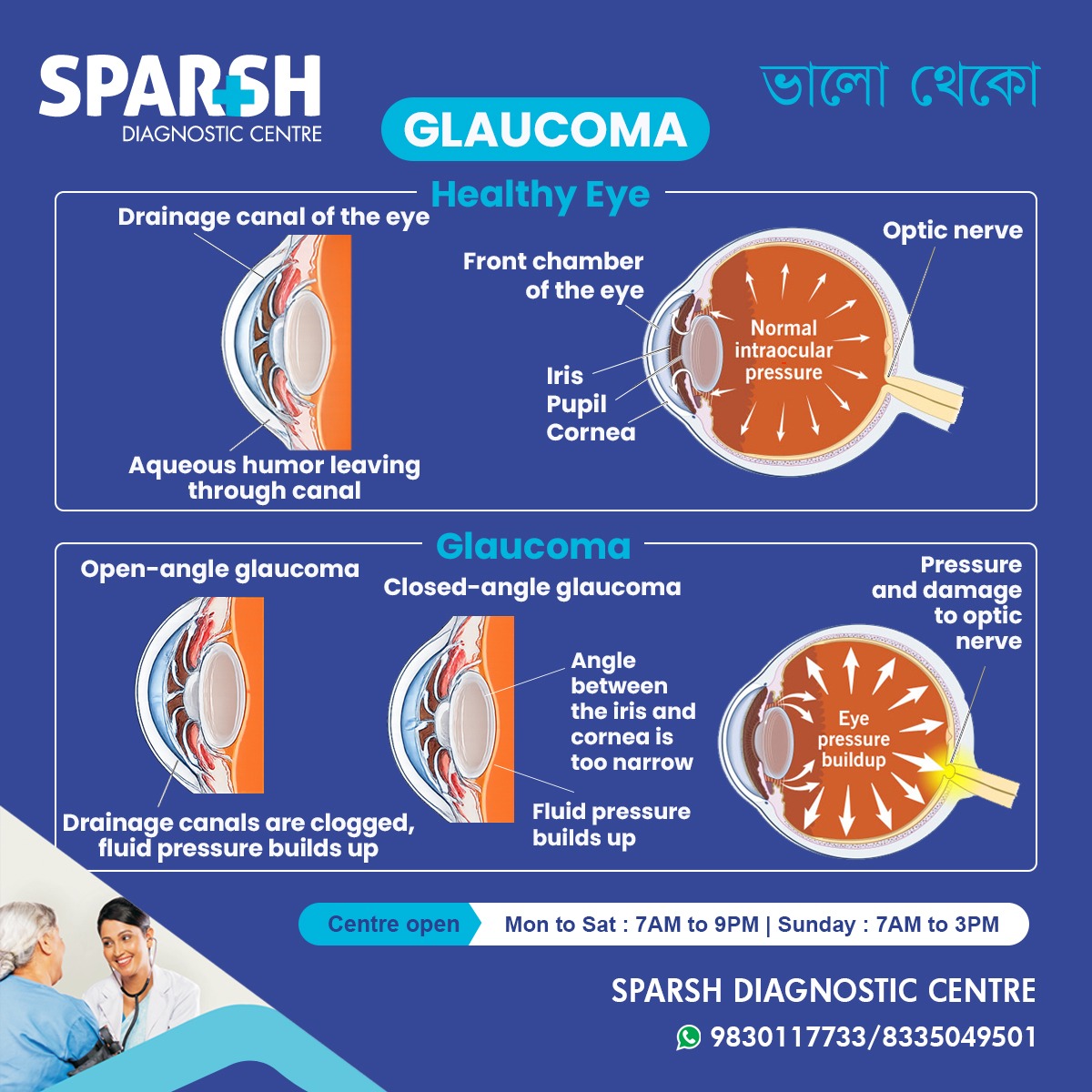
The eye continuously produces a clear fluid called aqueous humor. This fluid nourishes the eye and maintains its shape. Normally, it drains through tiny channels located where the iris meets the cornea.
Glaucoma develops when:
- The drainage channels become blocked.
- The eye produces more fluid than it can drain.
- The drainage angle becomes too narrow.
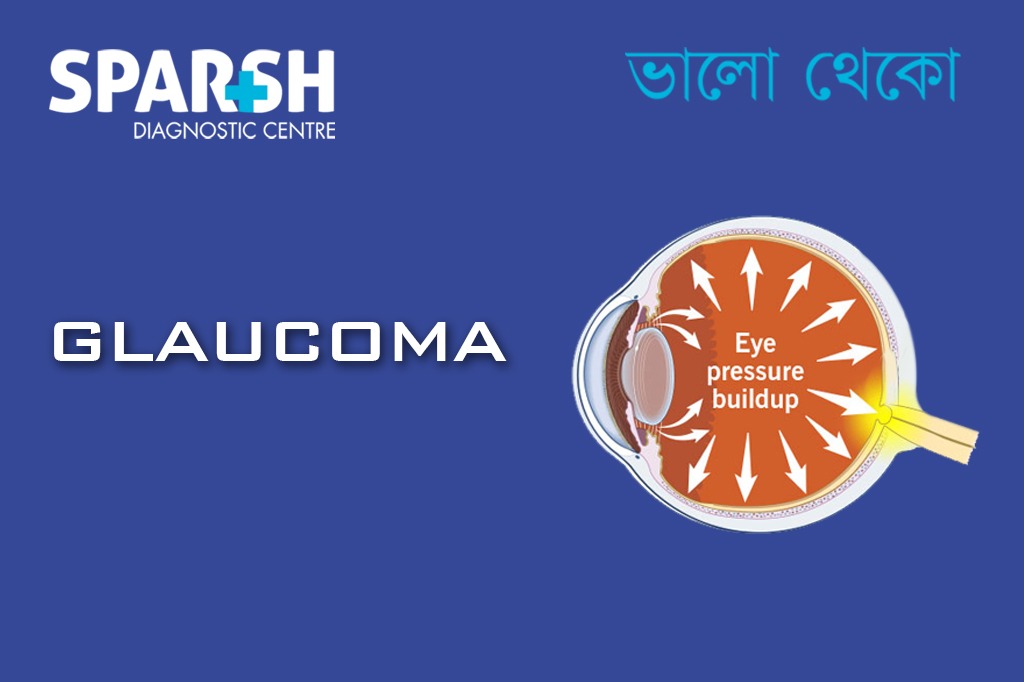
As fluid builds up, pressure inside the eye rises, gradually damaging the optic nerve.
Some people, however, develop normal-tension glaucoma, where optic nerve damage occurs despite normal eye pressure.
Types of Glaucoma
1. Primary Open-Angle Glaucoma
This is the most common type.
Characteristics include:
- Slow progression
- No early symptoms
- Gradual loss of peripheral vision
- Often discovered during routine eye exams
2. Angle-Closure Glaucoma
This occurs when the drainage angle suddenly becomes blocked.
Symptoms include:
- Severe eye pain
- Blurred vision
- Headache
- Nausea
- Seeing halos around lights
This is a medical emergency requiring immediate treatment.
3. Normal-Tension Glaucoma
Even with normal eye pressure, the optic nerve becomes damaged due to poor blood supply or increased nerve sensitivity.
4. Congenital Glaucoma
Present at birth due to abnormal eye development.
Symptoms include:
- Excessive tearing
- Cloudy cornea
- Sensitivity to light
5. Secondary Glaucoma
Develops because of another condition such as:
- Eye injury
- Diabetes
- Long-term steroid use
- Eye inflammation
- Tumors
What Causes Glaucoma?
Although the exact cause isn’t always known, several factors contribute to glaucoma.
Major causes include:
- Increased intraocular pressure
- Blocked drainage canals
- Family history
- Aging
- Diabetes
- High blood pressure
- Eye injuries
- Long-term corticosteroid use
- Thin corneas
- Poor blood circulation to the optic nerve
Risk Factors for Glaucoma
Certain individuals are more likely to develop glaucoma.
These include:
- Adults over 40 years
- People over 60 years
- Family history of glaucoma
- Diabetes patients
- High blood pressure
- Nearsightedness or farsightedness
- Previous eye surgery
- Chronic steroid medication use
- African, Asian, or Hispanic ancestry (depending on glaucoma type)
Symptoms of Glaucoma
The symptoms vary depending on the type of glaucoma.
Early Symptoms
Open-angle glaucoma often causes:
- No symptoms initially
- Mild loss of side vision
- Difficulty seeing in dim light
Symptoms of Advanced Disease
- Tunnel vision
- Blurred vision
- Difficulty recognizing faces
- Poor night vision
Symptoms of Acute Angle-Closure Glaucoma
- Sudden severe eye pain
- Red eye
- Blurred vision
- Rainbow-colored halos around lights
- Headache
- Vomiting
- Nausea
Seek emergency medical attention immediately if these symptoms appear.
The 5 Stages of Glaucoma
Stage 1: Ocular Hypertension
Eye pressure is elevated, but there is no optic nerve damage or vision loss.
Stage 2: Early Glaucoma
Minor optic nerve damage begins.
Peripheral vision may show subtle changes detectable only during specialized testing.
Stage 3: Moderate Glaucoma
Noticeable peripheral vision loss develops.
Daily activities may become slightly affected.
Stage 4: Advanced Glaucoma
Peripheral vision becomes severely restricted.
Tunnel vision develops.
Stage 5: End-Stage Glaucoma
Extensive optic nerve damage results in profound vision loss or blindness.
How is Glaucoma Diagnosed?
Comprehensive eye examinations include:
Tonometry
Measures eye pressure.
Ophthalmoscopy
Examines the optic nerve.
Visual Field Test
Detects peripheral vision loss.
Optical Coherence Tomography (OCT)
Provides detailed images of optic nerve fibers.
Gonioscopy
Examines the eye’s drainage angle.
Pachymetry
Measures corneal thickness.
Routine screening is the best way to detect glaucoma before symptoms develop.
Treatment for Glaucoma
Although glaucoma cannot be cured, treatment helps slow or stop disease progression.
Eye Drops
Usually the first treatment.
They:
- Reduce fluid production
- Improve drainage
- Lower eye pressure
Oral Medications
Sometimes prescribed if eye drops alone are insufficient.
Laser Therapy
Common procedures include:
- Laser trabeculoplasty
- Laser iridotomy
- Cyclophotocoagulation
Surgery
For advanced glaucoma:
- Trabeculectomy
- Drainage implants
- Minimally invasive glaucoma surgery (MIGS)
Lifestyle Tips for People with Glaucoma
Healthy habits may support overall eye health.
Exercise Regularly
Moderate exercise like walking may slightly lower eye pressure.
Eat a Healthy Diet
Consume foods rich in:
- Leafy green vegetables
- Citrus fruits
- Berries
- Fish rich in omega-3 fatty acids
- Nuts
- Carrots
Avoid Smoking
Smoking may worsen blood vessel damage.
Take Medications Consistently
Skipping glaucoma medication can allow eye pressure to rise.
Attend Regular Eye Checkups
Routine monitoring prevents disease progression.
Can Glaucoma Be Prevented?
There is no guaranteed way to prevent glaucoma.
However, risk can be reduced through:
- Regular eye examinations
- Early treatment
- Controlling diabetes and blood pressure
- Protecting eyes from injury
- Following prescribed treatment
Living with Glaucoma
Many people live long, active lives with glaucoma.
Successful management depends on:
- Early diagnosis
- Regular follow-up visits
- Daily medication
- Healthy lifestyle
- Prompt treatment if the disease progresses
With consistent care, many patients retain useful vision throughout their lives.
When Should You See an Eye Doctor?
Seek immediate medical attention if you experience:
- Sudden eye pain
- Severe headache with blurred vision
- Halos around lights
- Sudden loss of vision
- Red eye with nausea
Routine eye examinations are recommended even without symptoms, particularly after age 40.
Frequently Asked Questions (FAQs)
1. What is the major cause of glaucoma?
The most common cause is increased pressure inside the eye, which damages the optic nerve. Genetics, aging, diabetes, and poor drainage of eye fluid also contribute.
2. Is glaucoma 100% curable?
No. Glaucoma is not completely curable, and vision already lost cannot be restored. However, treatment can successfully slow or stop further damage.
3. What is the first stage of glaucoma?
The earliest stage is often ocular hypertension, where eye pressure is elevated but there is no optic nerve damage or vision loss.
4. What are the first symptoms of glaucoma?
Open-angle glaucoma usually has no noticeable early symptoms. The first detectable change is often gradual loss of peripheral (side) vision.
5. Can I live 50 years with glaucoma?
Yes. Many people live for decades with glaucoma while maintaining useful vision, provided they receive early diagnosis, follow treatment plans, and attend regular eye checkups.
6. Why is glaucoma called the silent killer?
Glaucoma is called the silent thief of sight because it often causes irreversible optic nerve damage without pain or obvious symptoms until significant vision loss has occurred.
7. Which organ is affected by glaucoma?
Glaucoma affects the eyes, specifically the optic nerve, which connects the eye to the brain.
8. Can you live with glaucoma without going blind?
Yes. Most people diagnosed early and treated appropriately never become completely blind.
9. In which age does glaucoma start?
Although glaucoma can occur at any age, the risk increases significantly after 40 years, with prevalence rising further after age 60.
10. Who is most at risk of glaucoma?
Higher-risk groups include:
- Adults over 40
- People with a family history
- Diabetes patients
- Long-term steroid users
- Individuals with high eye pressure
- Those with previous eye injuries
11. What is the end stage of glaucoma?
End-stage glaucoma involves severe optic nerve damage with profound tunnel vision or complete blindness.
12. What is early warning for glaucoma?
Early warning signs may include:
- Mild peripheral vision loss
- Increased eye pressure detected during exams
- Optic nerve changes identified by an eye specialist
Most patients have no symptoms initially.
13. Is walking good for glaucoma?
Yes. Moderate aerobic exercise, including walking, may modestly reduce eye pressure and improve overall health. Always consult your ophthalmologist before beginning a new exercise program.
14. Should I worry if I have glaucoma?
A glaucoma diagnosis should be taken seriously, but with modern treatments and regular monitoring, many people maintain good vision for life.
15. Can we regain lost vision from glaucoma?
No. Damage to the optic nerve is permanent. Current treatments focus on preventing additional vision loss rather than restoring lost sight.
16. Which is more serious, cataract or glaucoma?
Glaucoma is generally considered more serious because its vision loss is permanent. Cataract-related vision loss is usually reversible with surgery.
17. What are the 5 stages of glaucoma?
The five stages are:
- Ocular hypertension
- Early glaucoma
- Moderate glaucoma
- Advanced glaucoma
- End-stage glaucoma
18. Which fruit reduces glaucoma?
No fruit can cure glaucoma. However, fruits rich in antioxidants—such as oranges, berries, kiwi, and grapes—support overall eye health as part of a balanced diet.
19. What are two signs of glaucoma?
Two common signs include:
- Gradual loss of peripheral vision
- Elevated intraocular pressure (detected during an eye exam)
Acute angle-closure glaucoma may also present with severe eye pain and blurred vision.
20. Which vision is lost first in glaucoma?
Glaucoma typically affects peripheral (side) vision first, while central vision is often preserved until the disease reaches an advanced stage.
Glaucoma is a lifelong eye condition that requires ongoing care, but it does not have to result in blindness. Because the disease often progresses without obvious symptoms, routine eye examinations are the most effective way to detect it early. With timely diagnosis, prescribed medications, laser therapy, or surgery when needed, most people can successfully manage glaucoma and preserve their vision for many years. If you are over 40, have a family history of glaucoma, or have other risk factors such as diabetes or long-term steroid use, scheduling regular comprehensive eye checkups is one of the best investments you can make for your long-term eye health.
#BhaloTheko
Disclaimer:
No content on this site, regardless of date, should ever be used as a substitute for direct medical advice from your doctor or other qualified clinician.