Hearing that you have an enlarged heart, medically known as cardiomegaly, can understandably be concerning. While the term sounds like a disease, cardiomegaly is actually a sign that the heart has become larger than normal due to an underlying condition. In some people, it develops gradually over years without causing noticeable symptoms. In others, it can lead to serious complications if left untreated.
The good news is that many cases of cardiomegaly can be managed effectively. Early diagnosis, proper treatment, healthy lifestyle changes, and regular follow-ups can significantly improve heart function and quality of life.
This comprehensive guide explains everything you need to know about cardiomegaly, including its causes, symptoms, stages, diagnosis, treatment options, prevention, and answers to the most frequently asked questions.
What Is Cardiomegaly?
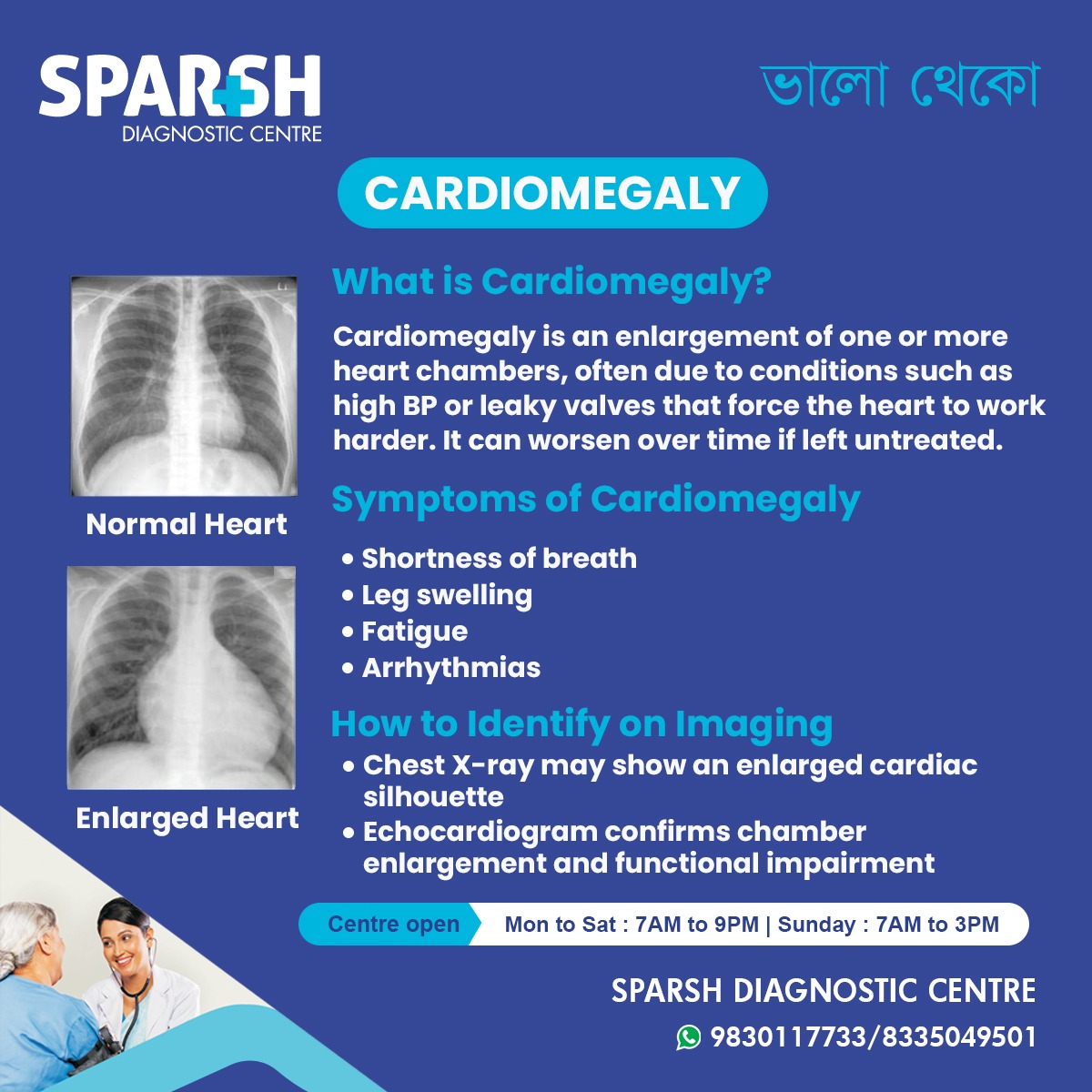
Cardiomegaly refers to an abnormally enlarged heart. It is not a disease itself but rather a condition that occurs when the heart muscle becomes enlarged, thickened, or stretched because it has to work harder than normal.
An enlarged heart may affect:
- The left ventricle
- The right ventricle
- Both ventricles
- One or both atria
The enlargement can occur temporarily, such as during pregnancy or severe illness, or become permanent due to chronic heart disease.
Sometimes the heart enlarges because the muscle becomes thicker (hypertrophy), while in other cases, the heart chambers become dilated and stretched.
What Are the Main Causes of Cardiomegaly?
Several medical conditions can force the heart to pump harder, eventually causing enlargement.
The most common causes include:
High Blood Pressure (Hypertension)
Persistent high blood pressure makes the heart work harder to circulate blood. Over time, the heart muscle thickens and enlarges.
Coronary Artery Disease
Blocked arteries reduce oxygen supply to the heart muscle, weakening it and leading to enlargement.
Heart Valve Disease
Leaky or narrowed heart valves increase the heart’s workload.
Cardiomyopathy
Diseases affecting the heart muscle itself are among the leading causes of cardiomegaly.
Types include:
- Dilated cardiomyopathy
- Hypertrophic cardiomyopathy
- Restrictive cardiomyopathy
Previous Heart Attack
Damaged heart muscle becomes weaker, causing the heart to enlarge in an attempt to maintain adequate blood circulation.
Congenital Heart Disease
People born with structural heart abnormalities may develop cardiomegaly later in life.
Arrhythmias
Persistent abnormal heart rhythms may gradually enlarge the heart.
Pulmonary Hypertension
High blood pressure in the lungs increases pressure on the right side of the heart.
Other Causes
- Thyroid disorders
- Severe anemia
- Chronic kidney disease
- Diabetes
- Obesity
- Pregnancy (temporary enlargement)
- Viral infections affecting the heart
- Alcohol abuse
- Certain chemotherapy drugs
- Genetic conditions
Risk Factors
You may have a higher risk if you have:
- Long-standing high blood pressure
- Diabetes
- Obesity
- High cholesterol
- Smoking habit
- Family history of heart disease
- Excessive alcohol consumption
- Sedentary lifestyle
- Sleep apnea
What Are the First Signs of Heart Enlargement?
Many people experience no symptoms during the early stages.
When symptoms develop, they may include:
- Shortness of breath during activity
- Difficulty breathing while lying flat
- Fatigue
- Reduced exercise tolerance
- Swelling of the feet, ankles, or legs
- Rapid heartbeat
- Palpitations
- Chest discomfort
- Dizziness
- Fainting episodes
As cardiomegaly worsens, symptoms become more pronounced because the heart struggles to pump blood efficiently.
What Are the Stages of Cardiomegaly?
Although cardiomegaly itself is not officially staged, doctors often describe progression based on heart function.
Stage 1: Mild Enlargement
- Minimal enlargement
- Usually no symptoms
- Often detected incidentally
Stage 2: Moderate Enlargement
- Noticeable increase in heart size
- Mild symptoms during exercise
- Early decline in pumping ability
Stage 3: Significant Enlargement
- Reduced cardiac function
- Frequent fatigue
- Swelling
- Breathlessness
Stage 4: Advanced Heart Failure
- Severe enlargement
- Markedly reduced heart function
- Symptoms even at rest
- Increased risk of hospitalization
Is Cardiomegaly a Serious Condition?
Yes, cardiomegaly can be a serious condition, especially when it results from heart disease or leads to heart failure.
Without treatment, complications may include:
- Heart failure
- Blood clots
- Stroke
- Valve dysfunction
- Dangerous arrhythmias
- Sudden cardiac death
However, the seriousness varies depending on the underlying cause, the extent of enlargement, and how early treatment begins.
How Rare Is Cardiomegaly?
Cardiomegaly is not considered rare.
Millions of people worldwide have enlarged hearts due to hypertension, coronary artery disease, obesity, or cardiomyopathy.
Older adults are affected more frequently, although younger people can also develop cardiomegaly due to inherited conditions or infections.
How Is Cardiomegaly Diagnosed?
Doctors combine medical history, physical examination, and imaging tests.
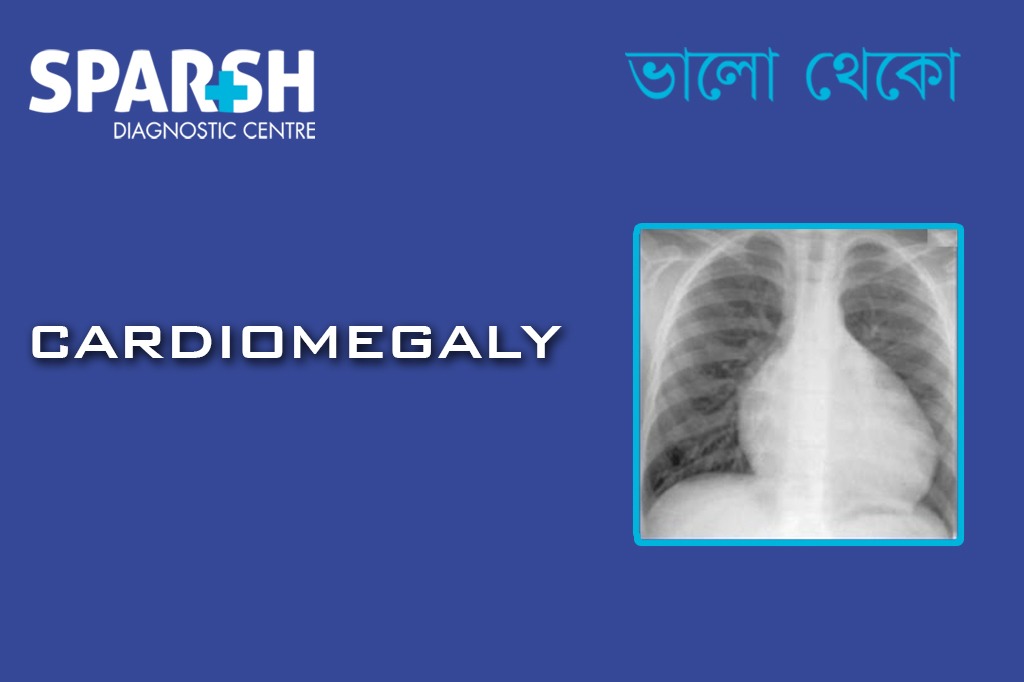
Chest X-ray
A chest X-ray is often the first clue.
It can show:
- Enlarged cardiac silhouette
- Fluid in the lungs
- Signs of heart failure
Electrocardiogram (ECG)
Can cardiomegaly be seen in ECG?
Not directly.
An ECG cannot measure heart size but may show electrical changes that suggest:
- Thickened heart muscle
- Previous heart attack
- Arrhythmias
- Conduction abnormalities
ECG findings often prompt further testing.
Echocardiogram
This is the gold standard for evaluating cardiomegaly.
It provides information about:
- Heart chamber size
- Valve function
- Pumping strength
- Ejection fraction
- Blood flow
Cardiac MRI
Provides highly detailed images of heart muscle.
Useful for:
- Cardiomyopathy
- Scar tissue
- Inflammation
CT Scan
Offers detailed anatomical information.
Blood Tests
Doctors may check:
- BNP
- Troponin
- Kidney function
- Thyroid hormones
- Blood sugar
- Cholesterol
Stress Testing
Assesses blood flow and heart performance during exercise.
Coronary Angiography
Recommended if blocked arteries are suspected.
What Tests Diagnose Cardiomegaly?
The most common diagnostic tests include:
- Chest X-ray
- ECG
- Echocardiogram
- Cardiac MRI
- CT scan
- Blood tests
- Stress test
- Coronary angiography
- Holter monitoring
How Do You Treat an Enlarged Heart?
Treatment focuses on addressing the underlying cause rather than simply reducing heart size.
Lifestyle Changes
Doctors usually recommend:
- Reducing salt intake
- Losing excess weight
- Exercising safely
- Quitting smoking
- Limiting alcohol
- Controlling diabetes
- Managing cholesterol
- Getting adequate sleep
Medications
Common medications include:
ACE Inhibitors
Help lower blood pressure and reduce strain on the heart.
Examples:
- Lisinopril
- Enalapril
ARBs
Used when ACE inhibitors are unsuitable.
Examples:
- Losartan
- Valsartan
Beta Blockers
Slow heart rate and improve pumping efficiency.
Examples:
- Metoprolol
- Carvedilol
Diuretics
Reduce fluid buildup.
Examples:
- Furosemide
- Torsemide
Mineralocorticoid Receptor Antagonists
Examples:
- Spironolactone
- Eplerenone
SGLT2 Inhibitors
Now commonly used in heart failure management.
Examples:
- Empagliflozin
- Dapagliflozin
Blood Thinners
May be prescribed if blood clot risk is high.
Medical Procedures
Some patients require:
- Valve repair
- Valve replacement
- Coronary artery bypass surgery
- Angioplasty with stent
- Pacemaker
- Implantable cardioverter-defibrillator (ICD)
- Cardiac resynchronization therapy
Heart Transplant
Reserved for severe heart failure that does not respond to other treatments.
What Medication Is Used for Cardiomegaly?
Medication depends on the underlying cause but often includes:
- ACE inhibitors
- ARBs
- Beta blockers
- Diuretics
- Aldosterone antagonists
- SGLT2 inhibitors
- Antiarrhythmic drugs
- Blood thinners
- Cholesterol-lowering medications
Never start or stop heart medication without medical supervision.
Can Cardiomegaly Go Back to Normal?
Sometimes.
Whether the heart returns to normal depends on:
- Cause
- Duration
- Severity
- Treatment response
Examples where improvement is possible include:
- High blood pressure brought under control
- Temporary pregnancy-related enlargement
- Viral myocarditis after recovery
- Corrected valve disease
However, permanent structural damage may not completely reverse.
Can Cardiomegaly Be Reversed?
In certain cases, yes.
Cardiomegaly caused by reversible conditions may improve significantly after:
- Blood pressure control
- Weight loss
- Treating valve disease
- Managing thyroid disorders
- Stopping alcohol misuse
- Treating sleep apnea
Advanced cardiomyopathy may not be fully reversible, but treatment often slows progression.
Can You Improve Cardiomegaly?
Absolutely.
Many patients experience better heart function through:
- Medication adherence
- Regular exercise
- Healthy diet
- Blood pressure control
- Diabetes management
- Smoking cessation
- Limiting alcohol
- Cardiac rehabilitation
Improvement doesn’t always mean the heart returns to normal size, but symptoms and heart performance can improve considerably.
Can Your Heart Recover from Cardiomyopathy?
Recovery depends on the type.
Some patients with dilated cardiomyopathy recover nearly normal heart function after treatment.
Others experience partial improvement and require lifelong management.
Inherited cardiomyopathies usually require ongoing medical care.
Can Stress Cause an Enlarged Heart?
Chronic stress alone rarely causes cardiomegaly.
However, stress contributes indirectly by increasing:
- Blood pressure
- Heart rate
- Inflammation
- Risk of unhealthy lifestyle habits
In rare cases, severe emotional stress can cause stress-induced cardiomyopathy (Takotsubo syndrome), which temporarily weakens the heart.
Can an Enlarged Heart Cause Sudden Death?
Unfortunately, yes.
People with severe cardiomegaly may develop life-threatening arrhythmias that can lead to sudden cardiac death.
Risk is higher in those with:
- Advanced heart failure
- Cardiomyopathy
- Previous heart attack
- Severely reduced ejection fraction
Appropriate treatment and ICD implantation in selected patients significantly reduce this risk.
Can I Live a Normal Life with an Enlarged Heart?
Many people do.
Living well with cardiomegaly depends on:
- Early diagnosis
- Proper treatment
- Lifestyle changes
- Regular monitoring
- Controlling underlying diseases
Many patients continue working, exercising, and enjoying daily activities with good medical care.
How to Prevent Cardiomegaly?
While not every case is preventable, you can lower your risk by adopting heart-healthy habits.
Control Blood Pressure
High blood pressure is one of the leading causes of cardiomegaly.
Manage Diabetes
Keep blood sugar within the recommended range.
Maintain Healthy Weight
Obesity increases workload on the heart.
Exercise Regularly
Aim for at least 150 minutes of moderate physical activity per week, as advised by your doctor.
Eat a Heart-Healthy Diet
Focus on:
- Fruits
- Vegetables
- Whole grains
- Lean protein
- Healthy fats
Reduce:
- Salt
- Sugar
- Processed foods
- Saturated fats
Quit Smoking
Smoking damages blood vessels and increases heart disease risk.
Limit Alcohol
Heavy alcohol use may cause cardiomyopathy.
Treat Sleep Apnea
Sleep disorders increase cardiovascular strain.
Have Regular Health Check-ups
Routine screenings can detect high blood pressure, diabetes, and heart disease early.
What Should You Avoid If You Have Cardiomegaly?
Patients should generally avoid:
- Smoking
- Excessive alcohol
- Recreational drugs
- High-sodium foods
- Processed foods
- Missing medications
- Sedentary lifestyle
- Extreme physical exertion without medical advice
- Uncontrolled blood pressure
- Ignoring worsening symptoms
Always consult your cardiologist before starting intense exercise or taking over-the-counter medications that may affect the heart.
Possible Complications
Untreated cardiomegaly can lead to:
- Heart failure
- Stroke
- Blood clots
- Valve disease
- Kidney dysfunction
- Pulmonary hypertension
- Dangerous arrhythmias
- Sudden cardiac death
Early intervention greatly reduces these risks.
When Should You See a Doctor?
Seek immediate medical care if you experience:
- Severe chest pain
- Difficulty breathing
- Fainting
- Sudden swelling
- Persistent palpitations
- Bluish lips or fingers
Prompt evaluation can prevent life-threatening complications.
Frequently Asked Questions (FAQs)
1. How to prevent cardiomegaly?
Maintain healthy blood pressure, control diabetes, exercise regularly, avoid smoking, limit alcohol, maintain a healthy weight, eat a balanced diet, and have regular medical check-ups.
2. How do you treat an enlarged heart?
Treatment includes lifestyle changes, medications, management of underlying conditions, and sometimes procedures such as valve repair, pacemaker implantation, or bypass surgery.
3. Is cardiomegaly a serious condition?
Yes. It can lead to heart failure, arrhythmias, stroke, or sudden cardiac death if left untreated. Early treatment significantly improves outcomes.
4. Can cardiomegaly go back to normal?
Some cases improve or return to normal after treating the underlying cause, while others require lifelong management.
5. Can I live a normal life with an enlarged heart?
Many people live active, fulfilling lives with proper treatment, healthy lifestyle choices, and regular medical follow-up.
6. What are the first signs of heart enlargement?
Early symptoms may include shortness of breath, fatigue, palpitations, swelling of the legs, and reduced exercise tolerance.
7. What are the stages of cardiomegaly?
Cardiomegaly is often described as mild, moderate, significant enlargement, and advanced heart failure based on severity and heart function.
8. How rare is cardiomegaly?
It is relatively common, especially among older adults and individuals with hypertension, heart disease, or cardiomyopathy.
9. Can your heart recover from cardiomyopathy?
Some forms, particularly those caused by reversible factors, can improve significantly with treatment. Others require long-term management.
10. What tests diagnose cardiomegaly?
Chest X-ray, ECG, echocardiogram, cardiac MRI, CT scan, blood tests, stress testing, and coronary angiography are commonly used.
11. Can you improve cardiomegaly?
Yes. Medications, healthy lifestyle changes, and treating the underlying cause can improve symptoms and heart function.
12. What medication is used for cardiomegaly?
Doctors may prescribe ACE inhibitors, ARBs, beta blockers, diuretics, mineralocorticoid receptor antagonists, SGLT2 inhibitors, blood thinners, or other medications depending on the cause.
13. Can stress cause an enlarged heart?
Chronic stress may contribute indirectly through high blood pressure and unhealthy habits. Rarely, severe emotional stress can trigger stress-induced cardiomyopathy.
14. Can an enlarged heart cause sudden death?
Yes. Severe cardiomegaly may increase the risk of dangerous arrhythmias that can lead to sudden cardiac death, particularly if left untreated.
15. What are the main causes of cardiomegaly?
The leading causes include high blood pressure, coronary artery disease, cardiomyopathy, heart valve disease, congenital heart disease, arrhythmias, thyroid disorders, and chronic alcohol use.
16. Can cardiomegaly be reversed?
It can sometimes be partially or fully reversed if the underlying cause is identified and treated early.
17. How serious is cardiomegaly?
Its severity depends on the underlying condition and how well the heart functions. Some people remain stable for years, while others may develop heart failure or other complications.
18. Can cardiomegaly be seen in ECG?
An ECG cannot directly confirm cardiomegaly but can show electrical changes that suggest heart enlargement. An echocardiogram is usually needed to confirm the diagnosis.
19. What should you avoid if you have cardiomegaly?
Avoid smoking, excessive alcohol, high-sodium foods, missed medications, recreational drugs, and strenuous physical activity unless approved by your healthcare provider.
Cardiomegaly is a sign that the heart is under strain, not a diagnosis in itself. It can result from high blood pressure, heart valve disease, cardiomyopathy, coronary artery disease, or other conditions. While an enlarged heart can increase the risk of serious complications, many people manage it successfully with early diagnosis, appropriate treatment, and long-term lifestyle changes.
If you experience symptoms such as persistent shortness of breath, fatigue, leg swelling, or palpitations, don’t ignore them. Timely evaluation with tests such as a chest X-ray, ECG, and echocardiogram can identify the cause and guide treatment. Taking proactive steps today can protect your heart, improve your quality of life, and reduce the risk of future complications.
To consult a Doctor or get full body check-up done at Sparsh Diagnostic Centre, call our helpline numbers 9830117733/ 8335049501.
#BhaloTheko
Disclaimer:
No content on this site, regardless of date, should ever be used as a substitute for direct medical advice from your doctor or other qualified clinician.