Eosinophilic Esophagitis (EoE) is a chronic inflammatory condition of the esophagus—the muscular tube that carries food from the mouth to the stomach. In people with EoE, a type of white blood cell called eosinophils builds up in the lining of the esophagus, causing inflammation and damage.
This inflammation can make swallowing difficult and may lead to food getting stuck in the throat. Although Eosinophilic Esophagitis can affect people of all ages, it is more commonly diagnosed in children and young adults and often occurs in individuals with allergies, asthma, eczema, or hay fever.
Over the past few decades, cases of Eosinophilic Esophagitis have increased significantly, making it one of the leading causes of swallowing difficulties and food impaction.
What Is the Main Cause of Eosinophilic Esophagitis?
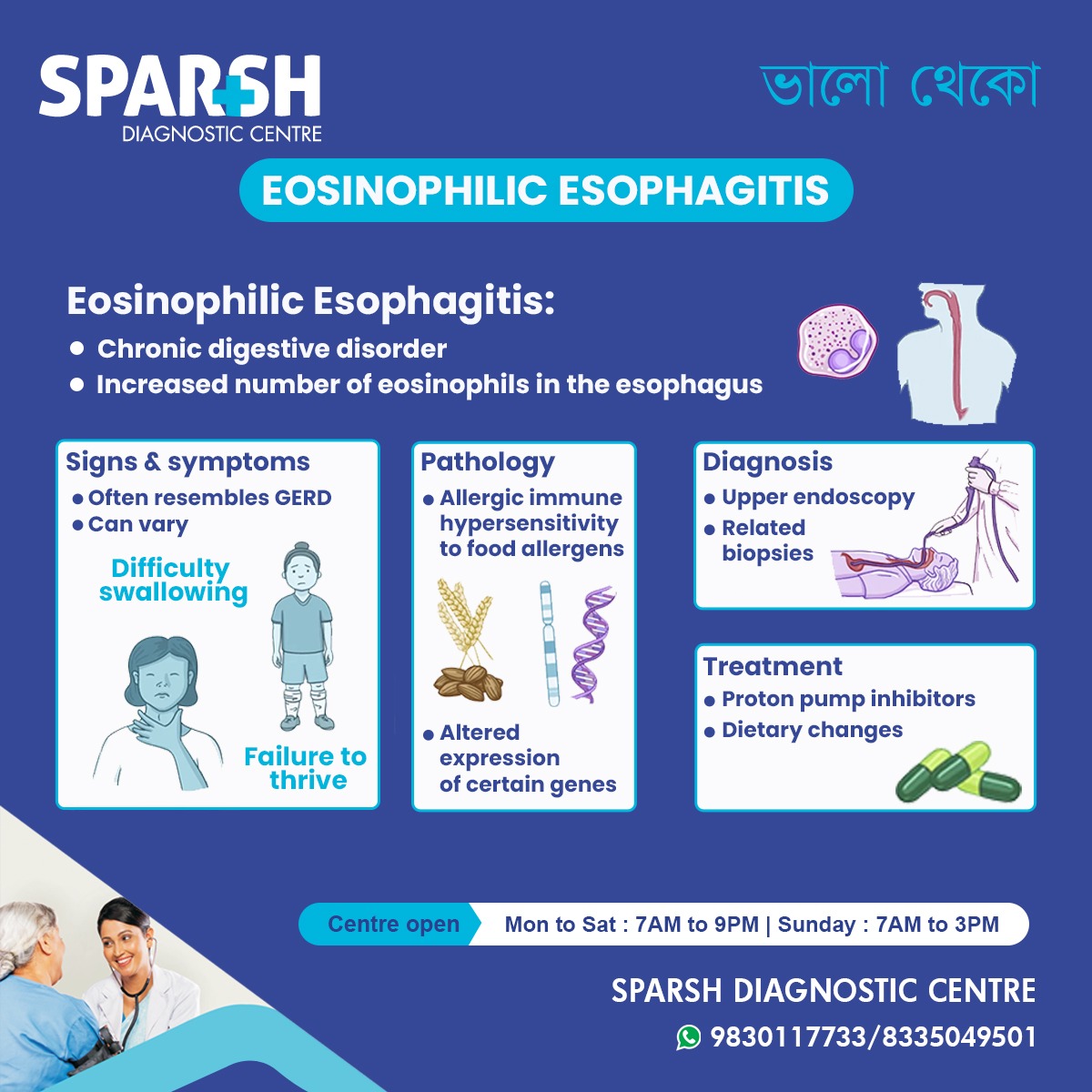
The exact cause of Eosinophilic Esophagitis is not fully understood. However, experts believe that it develops due to an overactive immune response to certain allergens, particularly foods.
When someone with EoE eats a trigger food, their immune system reacts by sending eosinophils into the esophagus. The accumulation of these cells leads to inflammation, swelling, and eventually scarring.
Factors That May Cause Eosinophilic Esophagitis
Food Allergies
Food allergies are considered the most common trigger for EoE. The body’s immune system mistakenly identifies certain foods as harmful and initiates an inflammatory response.
Environmental Allergies
Pollen, dust mites, mold, and pet dander may worsen symptoms in some individuals, particularly during allergy seasons.
Genetic Factors
Research suggests that certain genes involved in immune function may increase the risk of developing Eosinophilic Esophagitis. People with a family history of allergic conditions are often at higher risk.
Immune System Dysfunction
An abnormal immune response causes persistent inflammation in the esophagus, resulting in tissue damage over time.
How Serious Is Eosinophilic Esophagitis?
Eosinophilic Esophagitis is generally not life-threatening, but it is a serious chronic condition that requires proper treatment and long-term management.
Without treatment, EoE can lead to complications such as:
Difficulty Swallowing (Dysphagia)
Inflammation narrows the esophagus, making it increasingly difficult to swallow solid foods.
Food Impaction
Food may become stuck in the esophagus, creating a medical emergency that sometimes requires endoscopic removal.
Esophageal Narrowing
Long-term inflammation can lead to fibrosis and the formation of strictures, permanently reducing the diameter of the esophagus.
Reduced Quality of Life
Eating can become stressful and uncomfortable. Some individuals avoid social situations involving food because of fear of choking or discomfort.
Nutritional Problems
Children with Eosinophilic Esophagitis may experience poor growth and weight gain due to difficulty eating.
Although EoE does not usually increase the risk of esophageal cancer, ongoing inflammation can significantly affect daily life if left untreated.
Symptoms of Eosinophilic Esophagitis
The symptoms of Eosinophilic Esophagitis often resemble those of acid reflux disease or gastroesophageal reflux disease (GERD). However, the symptoms tend to persist despite standard acid reflux treatments.
Common Symptoms in Adults
- Difficulty swallowing
- Food getting stuck in the throat
- Chest pain
- Heartburn
- Upper abdominal pain
- Regurgitation of food
- Avoidance of certain foods
- Eating slowly or taking small bites
Symptoms in Children
- Feeding difficulties
- Vomiting
- Abdominal pain
- Poor appetite
- Failure to thrive
- Difficulty swallowing
- Irritability during meals
Because symptoms can vary from person to person, Eosinophilic Esophagitis often goes undiagnosed for years.
What Foods Trigger Eosinophilic Esophagitis?
Food triggers differ among individuals, but some foods are more commonly associated with Eosinophilic Esophagitis than others.
Milk and Dairy Products
Cow’s milk is one of the most frequently identified triggers in both adults and children.
Wheat
Wheat-containing foods such as bread, pasta, cereals, and baked goods can provoke symptoms.
Eggs
Egg proteins may trigger an immune response in susceptible individuals.
Soy
Soybeans and soy-derived products are common allergens associated with EoE.
Peanuts and Tree Nuts
Nuts are known allergens and may contribute to esophageal inflammation.
Fish and Shellfish
Seafood can trigger allergic reactions and may worsen symptoms in certain people.
These foods make up the commonly recommended Six-Food Elimination Diet (SFED), often used in managing Eosinophilic Esophagitis.
What Foods Should I Avoid With Esophagitis?
Apart from known allergy triggers, some foods can irritate an already inflamed esophagus.
Spicy Foods
Hot peppers and heavily spiced dishes may worsen irritation.
Acidic Foods
Citrus fruits, tomatoes, and vinegar-based foods can aggravate symptoms.
Carbonated Drinks
Carbonated beverages may increase discomfort and reflux symptoms.
Fried and Fatty Foods
High-fat meals can worsen indigestion and contribute to reflux.
Caffeinated Beverages
Coffee, tea, and energy drinks may irritate the esophagus in some individuals.
Alcohol
Alcohol can increase inflammation and worsen symptoms.
Processed Foods
Highly processed foods often contain additives and preservatives that may trigger symptoms in sensitive individuals.
Avoiding trigger foods and maintaining a balanced diet can significantly improve symptom control and reduce inflammation.
How Is Eosinophilic Esophagitis Diagnosed?
Because the symptoms often resemble other digestive conditions, diagnosing Eosinophilic Esophagitis requires specialized testing.
Medical History and Physical Examination
The doctor will ask about symptoms, eating habits, allergies, and family history.
Upper Gastrointestinal Endoscopy
An upper endoscopy allows doctors to examine the esophagus using a thin flexible tube with a camera.
During endoscopy, doctors may observe:
- White patches
- Swelling
- Rings in the esophagus
- Furrows
- Narrowing or strictures
Esophageal Biopsy
Small tissue samples are taken during endoscopy and examined under a microscope.
The presence of large numbers of eosinophils in the esophageal tissue confirms the diagnosis.
Allergy Testing
Allergy testing may help identify potential food and environmental triggers, although it does not always predict which foods cause EoE symptoms.
How Do You Treat Eosinophilic Esophagitis?
There is currently no permanent cure for Eosinophilic Esophagitis, but effective treatments can control inflammation and prevent complications.
Dietary Therapy
Dietary modification is often the first step in treatment.
Elimination Diet
Common trigger foods are removed and gradually reintroduced to identify which foods cause symptoms.
Elemental Diet
An amino acid-based formula replaces regular foods temporarily. This approach can be highly effective, especially in children.
Targeted Elimination Diet
Specific foods identified through medical evaluation are removed from the diet.
Medications
Proton Pump Inhibitors (PPIs)
Medications such as omeprazole and pantoprazole can reduce inflammation and improve symptoms in many patients.
Topical Steroids
Swallowed corticosteroids such as budesonide or fluticasone help reduce eosinophilic inflammation.
Unlike systemic steroids, these medications mainly act within the esophagus and have fewer side effects.
Esophageal Dilation
If significant narrowing or strictures have developed, doctors may recommend esophageal dilation.
During this procedure, the narrowed area is gently stretched to improve swallowing and reduce food impaction.
Living With Eosinophilic Esophagitis
Although Eosinophilic Esophagitis is a chronic condition, many people lead normal and healthy lives with proper management.
Eat Slowly
Chew food thoroughly and avoid large bites.
Stay Hydrated
Drinking water during meals may help food pass more comfortably.
Follow Dietary Recommendations
Avoiding trigger foods can significantly reduce symptoms and inflammation.
Attend Regular Follow-Ups
Periodic monitoring allows doctors to evaluate treatment response and prevent complications.
Manage Allergies
Treating associated allergic conditions such as asthma or allergic rhinitis may contribute to overall symptom control.
Can Eosinophilic Esophagitis Be Prevented?
Since Eosinophilic Esophagitis largely results from genetic and immune factors, complete prevention may not be possible.
However, the risk of complications can be reduced by:
- Seeking early medical attention for swallowing difficulties
- Identifying food triggers
- Following prescribed medications
- Adhering to dietary recommendations
- Scheduling regular medical reviews
Early diagnosis and treatment can prevent long-term esophageal damage and improve quality of life.
When Should You See a Doctor?
Consult a healthcare professional if you experience:
- Persistent difficulty swallowing
- Food frequently getting stuck in the throat
- Recurrent heartburn that does not improve with medication
- Unexplained chest discomfort
- Weight loss
- Vomiting
- Feeding difficulties in children
Prompt medical evaluation can lead to early diagnosis and appropriate treatment.
Frequently Asked Questions (FAQs)
1. What is the main cause of eosinophilic esophagitis?
The primary cause is an abnormal immune response to allergens, especially certain foods. Genetic and environmental factors also contribute to the development of the condition.
2. How do you treat eosinophilic esophagitis?
Treatment typically includes dietary changes, elimination of trigger foods, proton pump inhibitors, swallowed steroid medications, and esophageal dilation when narrowing occurs.
3. What foods trigger eosinophilic esophagitis?
Common trigger foods include milk, wheat, eggs, soy, peanuts, tree nuts, fish, and shellfish.
4. How serious is eosinophilic esophagitis?
Eosinophilic Esophagitis is a chronic condition that can significantly affect quality of life. If untreated, it may lead to swallowing difficulties, food impaction, and permanent narrowing of the esophagus.
5. What foods should I avoid with esophagitis?
Avoid known trigger foods as well as spicy foods, acidic foods, fried foods, carbonated beverages, excessive caffeine, alcohol, and heavily processed foods if they worsen your symptoms.
6. Is Eosinophilic Esophagitis the same as acid reflux?
No. Although the symptoms can be similar, Eosinophilic Esophagitis is an immune-mediated inflammatory condition, whereas acid reflux occurs due to stomach acid flowing back into the esophagus.
7. Can children develop Eosinophilic Esophagitis?
Yes. Children can develop EoE and may present with vomiting, feeding problems, abdominal pain, and poor growth.
8. Is Eosinophilic Esophagitis curable?
There is currently no permanent cure. However, proper treatment can effectively control symptoms and prevent complications.
Eosinophilic Esophagitis is a chronic inflammatory disorder caused primarily by an immune reaction to certain foods and allergens. While it can significantly affect swallowing and quality of life, early diagnosis and a personalized treatment plan can successfully manage the condition. Dietary modifications, medications, and regular medical follow-ups remain the cornerstone of treatment. Recognizing symptoms early and seeking appropriate care can help prevent complications and enable individuals with Eosinophilic Esophagitis to live healthy, active lives.
To consult a Doctor or get full body check-up done at Sparsh Diagnostic Centre, call our helpline numbers 9830117733/ 8335049501.
#BhaloTheko
Disclaimer:
No content on this site, regardless of date, should ever be used as a substitute for direct medical advice from your doctor or other qualified clinician.