Achilles tendonitis is one of the most common overuse injuries affecting the foot and ankle. Whether you’re a runner, athlete, fitness enthusiast, or someone who spends long hours on their feet, pain in the back of the heel can quickly disrupt your daily routine. The condition develops when the Achilles tendon—the strong band of tissue connecting your calf muscles to your heel bone—becomes irritated and inflamed.
While Achilles tendonitis often starts as mild discomfort, ignoring the symptoms can lead to chronic pain, reduced mobility, and even tendon rupture in severe cases. The good news is that early diagnosis and proper treatment can help most people recover successfully and return to their normal activities.
In this comprehensive guide, we’ll explore everything you need to know about Achilles tendonitis, including its causes, symptoms, diagnosis, treatment options, recovery process, and prevention strategies.
What Is Achilles Tendonitis?
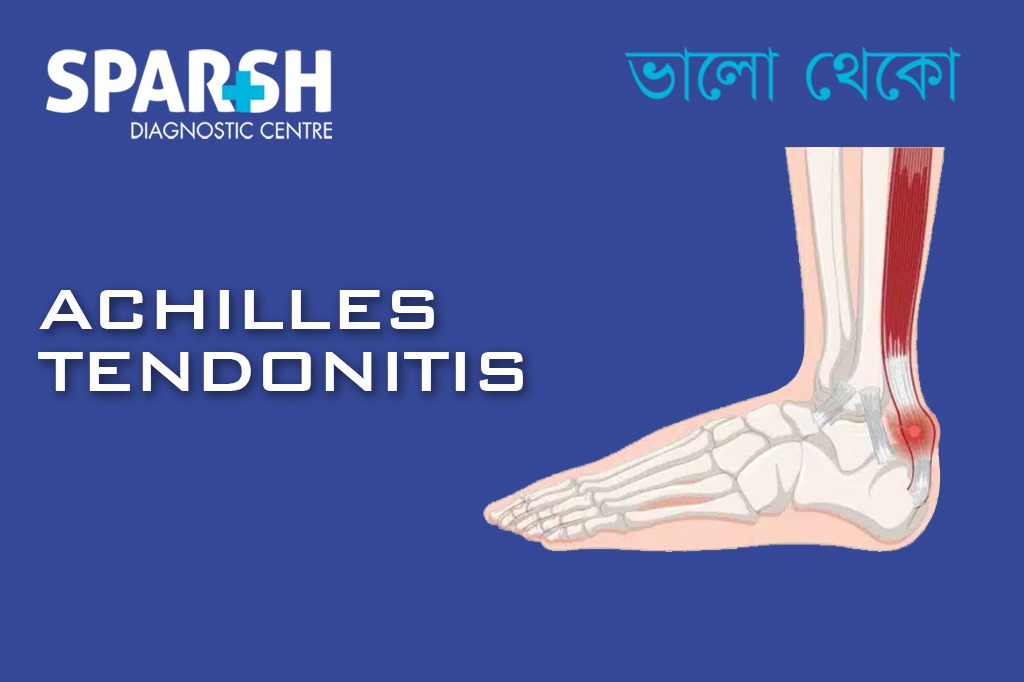
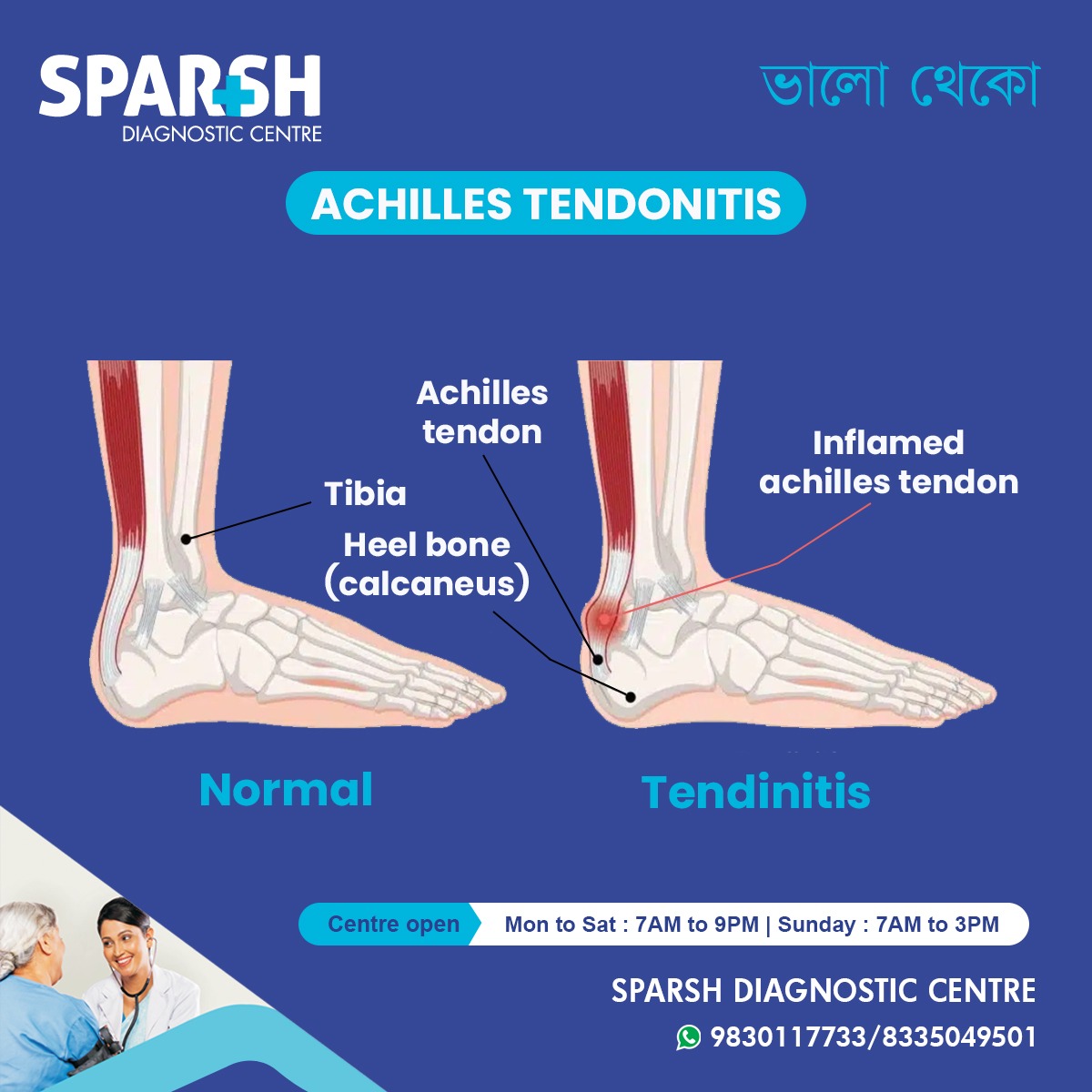
The Achilles tendon is the largest and strongest tendon in the human body. It connects the calf muscles (gastrocnemius and soleus) to the heel bone, known as the calcaneus. This tendon plays a crucial role in walking, running, jumping, and climbing stairs.
Achilles tendonitis occurs when repetitive stress causes inflammation, irritation, or microscopic tears within the tendon. Over time, the tendon may become thickened, weakened, and painful.
The condition is generally classified into two main types:
1. Non-Insertional Achilles Tendonitis
This type affects the middle portion of the tendon, typically a few centimeters above the heel bone. It is more common in younger and physically active individuals.
2. Insertional Achilles Tendonitis
Insertional tendonitis affects the point where the Achilles tendon attaches to the heel bone. It can occur in both active and less active individuals and is often associated with bone spurs.
How Common Is Achilles Tendonitis?
Achilles tendonitis is a frequent musculoskeletal injury, particularly among athletes and runners. Studies suggest that it accounts for a significant percentage of running-related injuries. However, it can also affect sedentary individuals, especially those who suddenly increase physical activity levels.
Middle-aged adults are particularly vulnerable because the tendon naturally loses elasticity and strength with age.
Causes of Achilles Tendonitis
Achilles tendonitis is usually caused by repetitive strain rather than a single injury. Several factors can contribute to the condition.
Sudden Increase in Physical Activity
Rapidly increasing exercise intensity, duration, or frequency can overload the tendon before it has time to adapt.
Running and Jumping Sports
Activities involving repetitive jumping, sprinting, and running place significant stress on the Achilles tendon.
Tight Calf Muscles
Limited flexibility in the calf muscles increases tension on the Achilles tendon during movement.
Poor Foot Mechanics
Flat feet, high arches, or abnormal walking patterns can alter tendon loading and contribute to inflammation.
Improper Footwear
Worn-out shoes or footwear lacking adequate support can increase stress on the tendon.
Age-Related Changes
As people age, the Achilles tendon becomes less flexible and more prone to injury.
Obesity
Excess body weight places additional strain on the feet and Achilles tendon.
Medical Conditions
Certain health conditions can increase the risk of tendon problems, including:
Certain Medications
Some antibiotics, particularly fluoroquinolones, have been linked to an increased risk of Achilles tendon injuries.
Risk Factors for Achilles Tendonitis
Several factors can make an individual more susceptible to developing Achilles tendonitis.
Age
The risk increases with age due to reduced tendon flexibility.
Gender
Men tend to develop Achilles tendonitis more frequently than women.
Physical Activity
Athletes involved in running, basketball, football, tennis, and other high-impact sports face a greater risk.
Occupational Demands
Jobs requiring prolonged standing, walking, or climbing can increase tendon strain.
Biomechanical Issues
Foot alignment abnormalities and muscle imbalances can contribute to excessive tendon stress.
Symptoms of Achilles Tendonitis
The symptoms often develop gradually and worsen over time if left untreated.
Pain Along the Tendon
Pain is typically felt at the back of the ankle or above the heel. It may begin as mild discomfort after exercise and gradually become more persistent.
Morning Stiffness
Many people experience stiffness and tenderness in the tendon upon waking.
Swelling
The affected area may appear swollen or thickened.
Tenderness
Touching the tendon often causes discomfort.
Reduced Range of Motion
Ankle flexibility may become limited, especially during activities requiring dorsiflexion.
Pain During Activity
Running, climbing stairs, and jumping can aggravate symptoms.
Warmth and Redness
In some cases, inflammation may cause the skin over the tendon to feel warm.
Stages of Achilles Tendonitis
Early Stage
- Mild pain after activity
- Symptoms disappear with rest
- No significant limitation in movement
Moderate Stage
- Pain during activity
- Increased stiffness
- Noticeable swelling
Advanced Stage
- Persistent pain even at rest
- Significant functional limitations
- Increased risk of tendon degeneration and rupture
Achilles Tendonitis vs Achilles Tendon Rupture
Many people confuse Achilles tendonitis with an Achilles tendon rupture.
Achilles Tendonitis
- Gradual onset
- Pain and inflammation
- Tendon remains intact
- Usually manageable with conservative treatment
Achilles Tendon Rupture
- Sudden injury
- Sharp, severe pain
- Audible popping sound
- Difficulty walking or standing on tiptoes
- Often requires surgical intervention
A rupture is considered a medical emergency and should be evaluated immediately.
How Is Achilles Tendonitis Diagnosed?
Diagnosis usually begins with a detailed medical history and physical examination.
Physical Examination
A healthcare provider may assess:
- Location of pain
- Swelling
- Tendon thickness
- Ankle flexibility
- Walking pattern
Imaging Tests
Ultrasound
Ultrasound helps visualize inflammation, tendon thickening, and small tears.
X-Ray
Although tendons do not appear on X-rays, this imaging can identify bone spurs or other structural abnormalities.
MRI
Magnetic Resonance Imaging provides detailed images of tendon damage and surrounding tissues.
Diagnostic imaging plays a crucial role in confirming the diagnosis and determining the severity of the condition.
Treatment of Achilles Tendonitis
Treatment focuses on reducing pain, promoting healing, and preventing recurrence.
Rest and Activity Modification
Reducing activities that aggravate symptoms allows the tendon to heal.
Switching to low-impact exercises such as swimming or cycling can help maintain fitness during recovery.
Ice Therapy
Applying ice packs for 15–20 minutes several times daily can reduce pain and inflammation.
Compression and Elevation
Compression wraps and elevating the affected leg may help minimize swelling.
Pain Relief Medications
Nonsteroidal anti-inflammatory drugs (NSAIDs) may provide temporary relief from pain and inflammation.
Always consult a healthcare provider before starting medication.
Physical Therapy for Achilles Tendonitis
Physical therapy is considered one of the most effective treatments.
Stretching Exercises
Gentle stretching improves flexibility in the calf muscles and Achilles tendon.
Eccentric Strengthening Exercises
Eccentric exercises involve slowly lowering the heel below the level of a step. These exercises have shown excellent results in improving tendon health.
Balance Training
Improving balance and coordination can reduce stress on the tendon.
Gait Correction
Physical therapists may identify and correct abnormal walking or running patterns.
Orthotics and Supportive Devices
Custom orthotics and heel lifts may help reduce strain on the Achilles tendon.
Supportive footwear with adequate cushioning and arch support can also improve recovery.
Advanced Treatment Options
When conservative treatments fail, additional interventions may be considered.
Extracorporeal Shockwave Therapy (ESWT)
Shockwave therapy uses sound waves to stimulate healing within the tendon.
Platelet-Rich Plasma (PRP) Therapy
PRP injections use concentrated platelets from the patient’s blood to promote tissue repair.
Immobilization
In severe cases, a walking boot may be used temporarily to reduce tendon stress.
Surgical Treatment
Surgery is generally reserved for patients who do not improve after several months of conservative treatment.
Common surgical procedures include:
- Removal of damaged tissue
- Repair of tendon tears
- Removal of bone spurs
- Tendon reconstruction
Most patients recover well following surgery when combined with rehabilitation.
Recovery Time for Achilles Tendonitis
Recovery varies depending on severity and adherence to treatment.
Mild Cases
Recovery may take a few weeks.
Moderate Cases
Healing typically requires 2–3 months.
Severe Cases
Recovery may extend beyond six months, particularly if surgery is needed.
Returning to sports too soon can increase the risk of recurrence.
Exercises for Achilles Tendonitis Recovery
Calf Stretch
Stand facing a wall and gently stretch the calf muscles.
Heel Drops
Perform controlled heel-lowering exercises on a step.
Toe Raises
Strengthen the lower leg muscles by lifting onto the toes.
Resistance Band Exercises
Use resistance bands to improve ankle strength and stability.
Always perform exercises under professional guidance if pain persists.
Preventing Achilles Tendonitis
Prevention is often easier than treatment.
Warm Up Properly
Spend time warming up before exercise.
Increase Activity Gradually
Avoid sudden increases in training intensity or duration.
Wear Appropriate Footwear
Choose shoes designed for your activity and replace worn-out footwear regularly.
Stretch Regularly
Maintain flexibility in the calf muscles and Achilles tendon.
Strengthen Leg Muscles
Strong calf muscles provide better support for the tendon.
Cross-Train
Incorporate low-impact activities to reduce repetitive stress.
Listen to Your Body
Persistent pain is a warning sign that should not be ignored.
When Should You See a Doctor?
Seek medical attention if you experience:
- Persistent heel or tendon pain
- Swelling that does not improve
- Difficulty walking
- Reduced ankle movement
- Sudden sharp pain or a popping sensation
Early diagnosis can prevent long-term complications and accelerate recovery.
Complications of Untreated Achilles Tendonitis
Ignoring symptoms can lead to:
- Chronic tendon pain
- Tendinosis (degenerative tendon changes)
- Reduced athletic performance
- Tendon thickening
- Partial tears
- Complete Achilles tendon rupture
Prompt treatment significantly reduces these risks.
Living With Achilles Tendonitis
Most people recover fully with appropriate care and rehabilitation. Recovery requires patience, consistency, and a gradual return to activity. Working closely with healthcare professionals, following prescribed exercises, and addressing underlying risk factors can greatly improve long-term outcomes.
Maintaining a healthy weight, wearing supportive footwear, and continuing strengthening exercises even after symptoms resolve can help keep the Achilles tendon healthy and resilient.
Achilles tendonitis is a common yet manageable condition that affects the tendon connecting the calf muscles to the heel bone. It typically develops due to repetitive stress, overuse, or biomechanical issues and often presents with pain, stiffness, and swelling at the back of the ankle.
The key to successful treatment is early intervention. Rest, physical therapy, stretching, strengthening exercises, and supportive footwear can help most individuals recover without surgery. Ignoring symptoms, however, can increase the risk of chronic pain and tendon rupture.
If you experience persistent Achilles tendon pain, seeking timely medical evaluation and diagnostic imaging can help identify the problem and guide effective treatment. With proper care and preventive measures, most people can return to their normal activities and maintain long-term tendon health.
Frequently Asked Questions (FAQs)
What is the main cause of Achilles tendonitis?
The most common cause is repetitive overuse of the Achilles tendon, often due to running, jumping, sudden increases in physical activity, or tight calf muscles.
How long does Achilles tendonitis take to heal?
Mild cases may heal within a few weeks, while more severe cases can take several months. Recovery depends on the extent of tendon damage and adherence to treatment.
Can Achilles tendonitis heal on its own?
Mild cases may improve with rest and reduced activity. However, professional evaluation is recommended to prevent progression and complications.
Is walking good for Achilles tendonitis?
Gentle walking may be acceptable in mild cases, but excessive walking can worsen symptoms. Follow your healthcare provider’s recommendations.
Can Achilles tendonitis lead to tendon rupture?
Yes. Untreated or severe Achilles tendonitis can weaken the tendon and increase the risk of rupture.
What exercises help Achilles tendonitis?
Calf stretches, eccentric heel drops, toe raises, and resistance band exercises are commonly recommended during rehabilitation.
Is Achilles tendonitis permanent?
No. Most cases improve with appropriate treatment, though chronic tendon damage can occur if the condition is ignored.
Should I use heat or ice for Achilles tendonitis?
Ice is generally recommended during the acute phase to reduce pain and inflammation. Heat may be beneficial later to improve flexibility and blood flow.
Can I run with Achilles tendonitis?
Continuing to run may worsen the condition. Most healthcare professionals recommend reducing or modifying activity until symptoms improve.
How can I prevent Achilles tendonitis?
Regular stretching, proper footwear, gradual training progression, strengthening exercises, and avoiding overuse are effective preventive strategies.
To consult a Doctor at Sparsh Diagnostic Centre, call our helpline numbers 9830117733/ 8335049501.
#BhaloTheko
Disclaimer:
No content on this site, regardless of date, should ever be used as a substitute for direct medical advice from your doctor or other qualified clinician.